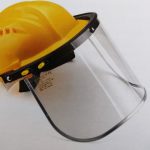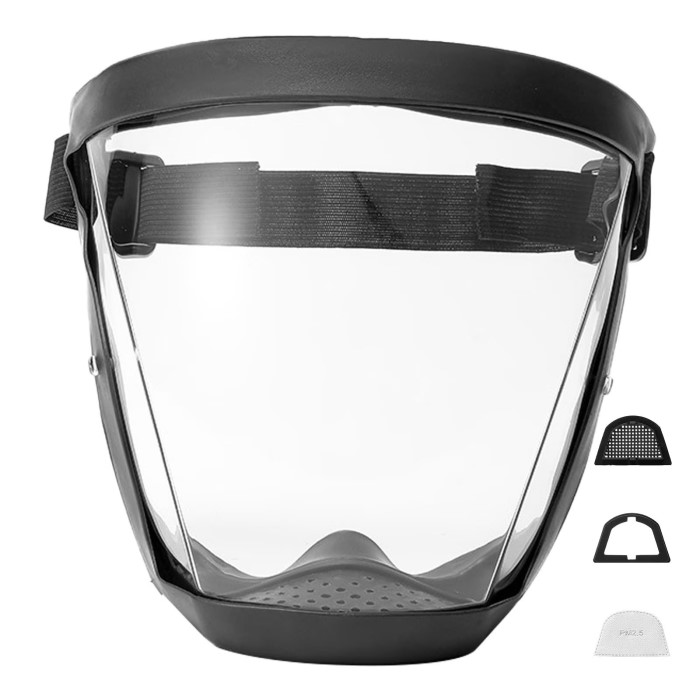
What is a Bionic Face Shield?
A bionic face shield is a modern protective gear. It combines advanced technology with safety features. It is designed to protect the face and eyes from hazards. Commonly used in various industries, it provides superior protection and comfort compared to traditional face shields.
Key features and design
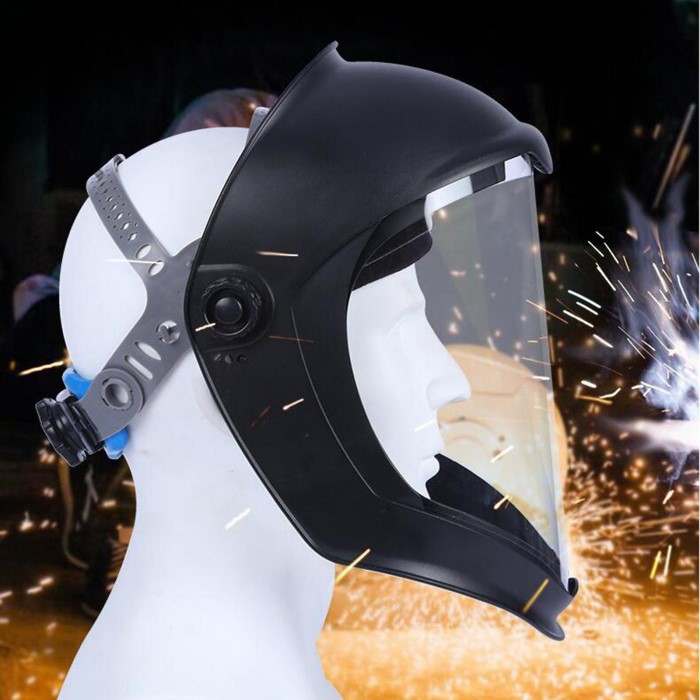
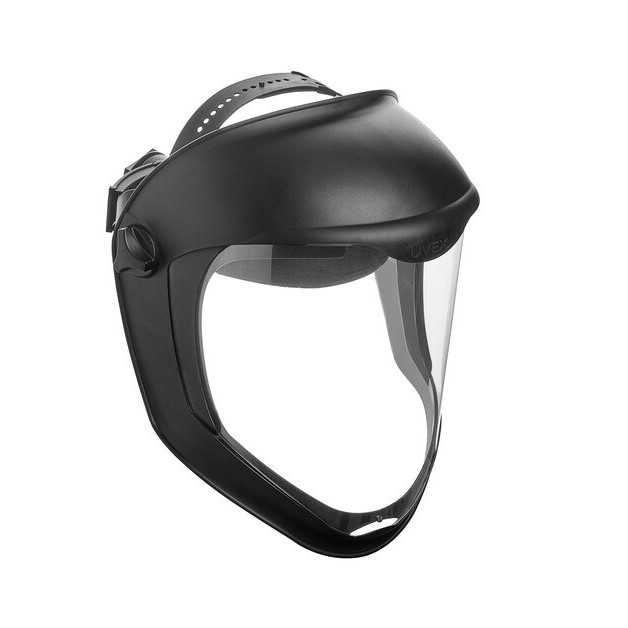
Bionic face shields come with unique features for optimal protection. They have an adjustable headgear for a perfect fit. This ensures they remain secure even during extended use. The visor is clear and resistant to fogging, allowing excellent visibility. Most shields offer full-face coverage, blocking debris from all angles. They also feature ventilation mechanisms, preventing heat buildup. Some designs include adjustable visors for flexibility.
The ergonomic design minimizes pressure on the head. It distributes weight evenly to reduce discomfort during long use. The shields are lightweight yet highly durable. They are engineered to withstand tough working conditions. The sophisticated design ensures compatibility with hard hats and safety goggles.
Materials used in construction
Bionic face shields are made from robust and lightweight materials. The visor is often crafted from polycarbonate. This material is impact-resistant and transparent, providing crystal-clear vision. Polycarbonate also protects against UV rays, enhancing safety during outdoor use.
The frame and headgear are made from durable plastic or composite materials. These materials balance strength and comfort, ensuring long-lasting use. High-quality foam or padded liners are added for comfort. Some models feature anti-scratch or chemical-resistant coatings, increasing the life of the shield. These materials make bionic face shields reliable, comfortable, and effective.
How Bionic Face Shields Work
Bionic face shields utilize advanced mechanisms to provide optimal protection. They are designed to shield the entire face and eyes from various hazards. These shields employ modern materials and technologies to ensure safety, comfort, and usability in diverse settings.
Protective mechanisms
Bionic face shields feature sturdy visors made from impact-resistant materials like polycarbonate. This material prevents damage from flying debris, sparks, or particles. It also blocks harmful UV rays during outdoor use.
The shields often include anti-fog coatings. This ensures clear vision even in humid or high-temperature environments. The full-face coverage guards against hazards coming from all directions. Many models also come with chemical-resistant layers. These protect against exposure to harmful liquids or fumes.
Ventilation mechanisms improve comfort by allowing air circulation. These prevent heat buildup and minimize sweating. Adjustable visors enable flexibility, allowing the user to adapt to different visibility needs. All these mechanisms work together to create a secure and efficient protective system.
Compatibility with other safety equipment
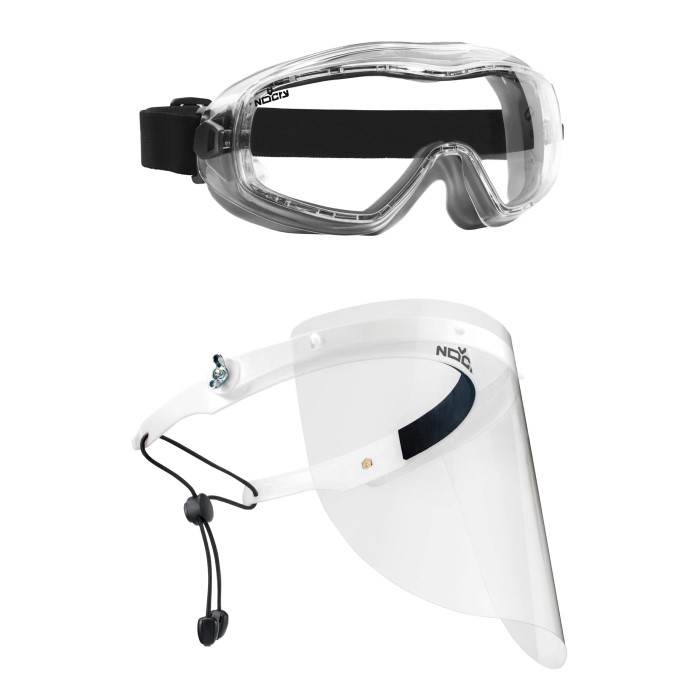
Bionic face shields are designed to integrate seamlessly with other safety gear. They can be worn alongside hard hats without compromising safety or comfort. The ergonomic headgear ensures a secure fit without interfering with helmets or straps.
They are also compatible with safety goggles for extra eye protection. The shield design allows enough space for users who wear prescription glasses. Lightweight materials ensure they do not cause strain when used with additional equipment.
This adaptability makes bionic face shields ideal for use in various demanding environments. Whether in industrial, medical, or home settings, they provide effective and reliable protection with other safety measures in place.
Advantages of Using
Bionic face shields offer superior protection and usability compared to traditional protective equipment. They cater to various industries, ensuring safety, comfort, and durability for users. Here’s why investing in a bionic face shield is advantageous.
Enhanced face and eye protection
Bionic face shields provide full-face coverage against multiple hazards. They guard against flying debris, particles, and sparks effectively. The visors are made from impact-resistant materials like polycarbonate. This material shields the face while maintaining crystal-clear visibility. It also blocks harmful UV rays, making it suitable for outdoor use. Anti-fog coatings enhance visibility in humid or high-temperature environments. Some models feature chemical-resistant layers to protect against harmful liquids or fumes. These advanced mechanisms ensure comprehensive face and eye safety for users.
Comfort and usability features
Comfort is a key advantage of bionic face shields. Adjustable headgear ensures a perfect fit for long hours of wear. The ergonomic design reduces pressure on the head, minimizing discomfort. Lightweight materials make the shield easy to wear and handle. Ventilation features prevent heat buildup and sweating during extended use. Some models include foam or padded liners, adding extra comfort. These user-friendly features make bionic face shields practical and enjoyable to use.
Durability and longevity
Bionic face shields are built to last. They are crafted from strong yet lightweight materials like durable plastics and polycarbonate. These materials withstand tough working conditions, including impacts and harsh chemicals. Anti-scratch and chemical-resistant coatings extend the lifespan of the shield. The robust construction ensures reliability even with daily use. Investing in a bionic face shield guarantees long-term protection and value.
Common Applications
Bionic face shields are versatile and cater to various industries and tasks. They are designed to suit different environments where protection is essential.
Industrial and manufacturing environments
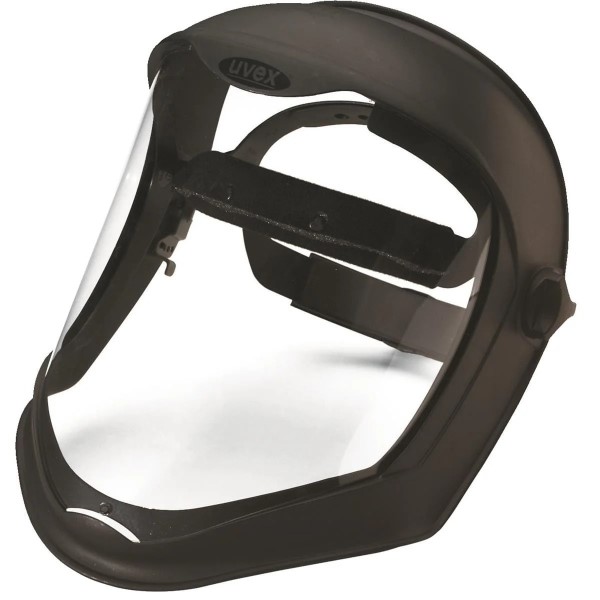
Industrial settings often contain hazards like flying debris, sparks, and chemical splashes. Bionic face shields provide full-face protection in these high-risk areas. Workers in construction, welding, and metalworking benefit greatly from their durability and impact resistance. The shields combine with hard hats and goggles for a complete safety system. Ventilation features minimize discomfort, ensuring users can focus on their tasks for long periods.
Medical and laboratory settings
Medical and laboratory professionals use bionic face shields to protect against harmful substances. These shields guard against splashes of bodily fluids, chemicals, and other lab materials. They are often lightweight and feature anti-fog visors for clear visibility during delicate procedures. Their compatibility with prescription glasses makes them ideal for medical staff. Additionally, chemical-resistant coatings enhance safety in chemical labs, ensuring reliable face and eye protection.
DIY and home improvement tasks
Bionic face shields are helpful for DIY enthusiasts and home improvement projects. Tasks like woodworking, painting, and using power tools can expose individuals to debris, chemicals, or dust. The shields protect users effectively while offering comfort with adjustable headgear. The clear visor ensures visibility, allowing users to work precisely. Lightweight designs make them easy to wear for extended home projects. Whether for casual or specialized tasks, they ensure safety while enhancing productivity.
Comparison of Bionic Face Shields with Traditional Face Shields
Bionic face shields and traditional face shields serve the same purpose: protecting the face and eyes. However, they differ significantly in terms of protection, design, and functionality.
Differences in protection levels
- Material strength: Bionic face shields use advanced materials like polycarbonate, which provide superior impact resistance. Traditional face shields often use basic plastic, which is less durable and protective.
- Comprehensive protection: Bionic face shields offer full-face coverage, shielding users from debris, UV rays, and chemicals. Traditional face shields often lack UV protection and may not cover the entire face effectively.
- Additional safety features: Advanced bionic shields include anti-fog, anti-scratch, and chemical-resistant coatings. Traditional shields usually lack these features, making them less reliable in challenging environments.
Design and functionality comparison
- Ergonomic design: Bionic face shields are designed for comfort, with adjustable headgear and even weight distribution. Traditional shields are generally less comfortable and can cause pressure on the head during long use.
- Ventilation system: Bionic shields often feature ventilation mechanisms to prevent heat buildup. Traditional ones rarely offer such features, which may cause discomfort over time.
- Durability: The materials in bionic face shields are lightweight yet durable, lasting longer even with daily use. Traditional face shields may crack or wear out faster.
- Compatibility: Bionic face shields seamlessly work with hard hats, goggles, and glasses. Traditional shields may not integrate as well with additional safety gear.
When choosing a face shield, consider these differences. Bionic face shields outperform traditional models in protection, usability, and longevity. They are an excellent investment for individuals seeking reliable and advanced safety gear.
How to Choose the Right Bionic Face Shield
Selecting the right bionic face shield is vital for ensuring optimum protection and comfort. With numerous options available, it’s important to consider your specific needs and tasks. Below are the key factors to help you choose the right bionic face shield for your requirements.
Factors to consider for specific use cases
- Type of Work Environment: Determine the hazards involved. For instance, industrial tasks may require a face shield with high impact and chemical resistance. For medical or laboratory work, opt for shields with anti-fog coatings and chemical-resistant layers.
- Material Quality: Select shields made with durable materials like polycarbonate visors. Polycarbonate offers excellent impact resistance and clear visibility. It also protects against UV rays, suitable for outdoor use.
- Comfort Features: Look for ergonomic designs with adjustable headgear. This ensures a secure fit while reducing pressure on the head. Lightweight materials and foam padding enhance comfort during extended use.
- Additional Protective Features: Features like anti-scratch coatings and ventilation mechanisms can make a significant difference. These improve both the lifespan and usability of the shield.
- Compatibility with Other Gear: Ensure the shield fits well with additional safety equipment. It should work with hard hats, goggles, or prescription glasses when needed.
Recommendations for proper fit
- Adjustable Headgear: Choose shields with customizable straps for a snug yet comfortable fit. Proper adjustment prevents the shield from slipping.
- Visor Positioning: Ensure the visor offers full-face coverage, including protection from debris on all sides. Check for adjustable visors to adapt to various tasks.
- Weight Distribution: An even weight distribution reduces pressure on key areas of the head. Lightweight shields are ideal for long hours of use.
- Size and Shape: Make sure the size and shape of the shield are appropriate for your face. A well-fitted shield provides maximum safety without compromising movement.
By taking these factors into account, you can confidently select the most suitable bionic face shield for your needs.
Maintenance and Care
Proper care ensures bionic face shields last longer and stay effective. Follow these maintenance tips for best results.
Cleaning tips
- Use mild soap and water: Clean your bionic face shield regularly using warm water and mild soap. Avoid abrasive cleaners to prevent scratching the surface.
- Soft cloth for wiping: Use a soft, lint-free cloth to gently wipe off dirt and debris. Avoid using rough materials that might damage the shield.
- Avoid harsh chemicals: Do not use alcohol-based or ammonia-based cleaners as they can weaken the materials. These substances can degrade the coatings over time.
- Anti-fog layer care: If your shield has an anti-fog coating, handle it with care. A gentle cleaning method preserves its effectiveness.
- Rinse thoroughly and air-dry: After cleaning, rinse off all soap residue and let the shield air-dry fully. This prevents streaks and water spots from forming.
Storage guidelines for long-term use
- Cool and dry storage: Store your bionic face shield in a cool and dry place to prevent damage from moisture or heat.
- Use a dust-proof cover: Protect your shield from dust and dirt by storing it in a clean, dust-proof bag or case.
- Avoid stacking items on top: Do not place heavy objects on your shield. This prevents distortion or scratching of the visor.
- Keep away from direct sunlight: Prolonged exposure to sunlight can weaken the shield’s materials and coatings. Store it away from direct sunlight.
- Inspect regularly: Before each use, inspect your face shield for cracks, scratches, or damage. Replace the shield if necessary to maintain optimum protection.
By adhering to these cleaning and storage tips, you can extend the life and functionality of your bionic face shield.
Where to Buy Quality Bionic Face Shields
Selecting the ideal bionic face shield is important, but purchasing from reliable sources is equally vital. Finding trustworthy brands and stores ensures you receive a high-quality product.
Trusted brands and retailers
- Popular safety equipment brands: Well-known brands specialize in manufacturing durable and effective bionic face shields. Look for brands like Honeywell, Face Shield Pro, and Uvex, known for their superior quality.
- Specialized safety stores: Visit safety gear stores that focus on equipment for industrial, medical, or personal use. These stores often carry certified, high-grade shields suitable for diverse environments.
- Hardware and tool stores: Many hardware or tool stores stock bionic face shields. These stores offer shields ideal for constructions, DIY, and home improvement projects. Ensure the products meet your safety standards.
- Retail chains: National retail chains like Home Depot or Lowe’s are reliable sources. These stores often have reputable brands and provide customer reviews to help guide purchases.
- Local suppliers: Local stores can carry credentialed suppliers catering to professionals and hobbyists. Supporting local sellers can also provide better after-sales service.
Online shopping tips
- Choose reputable websites: Websites like Amazon, eBay, and specialized safety gear platforms often offer authentic products. Ensure the website is reliable before purchasing.
- Read product reviews: Customer reviews provide valuable insights about durability, comfort, and product quality. Look for detailed ratings and user comments.
- Verify certifications: Ensure the shields are certified for industrial, medical, or general safety use. Certification guarantees reliable performance.
- Compare features and prices: Online platforms allow you to compare various models. Check features based on your requirements and choose a shield that fits your budget.
- Check return policies: Ensure the website has a return or replacement policy. This safeguards your purchase if the product does not meet expectations.
- Look for warranty information: Products with warranties offer assurance of quality and long-term usability.
Purchasing from trusted sources guarantees that you receive effective and durable bionic face shields. Whether buying in-store or online, prioritize quality and certified equipment that fits your safety needs.
Conclusion: Invest in Health and Comfort
In summary, the bionic face shield offers numerous health benefits beyond mere aesthetics. It encapsulates the essence of safety, comfort, and practicality. As we navigate an evolving environment, investing in effective protective gear has never been more critical. Whether you work in healthcare, construction, or simply seek additional protection in daily life, understanding the benefits of using a bionic face shield is essential. As awareness continues to grow, prioritizing the use of advanced safety equipment will enhance overall health and comfort for everyone.