Introduction
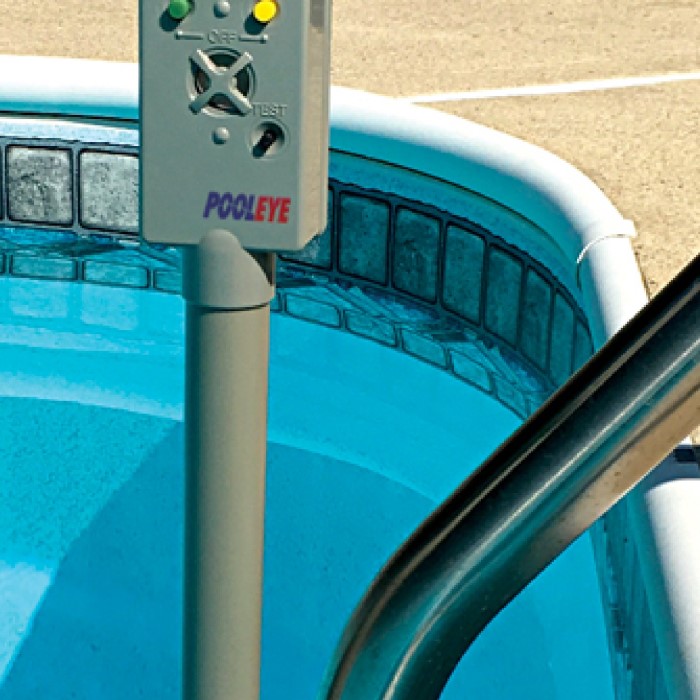
When it comes to ensuring the safety of your loved ones, particularly around swimming pools, having a reliable pool safety alarm is essential. Drowning is a leading cause of accidental deaths, especially among young children. Therefore, investing in effective safety measures is crucial. In this article, we will explore various pool safety alarm solutions available for your home. We will discuss their importance, types, features, and how they can significantly enhance safety in and around your pool area.
Importance of Pool Safety
Swimming pools provide fun and relaxation but can also pose serious risks. Ensuring safety around pools is crucial to prevent accidents and injuries. Pool safety measures help protect everyone, especially children and pets, from harm.
The risks of unsecured pools
Unsecured pools are a major safety concern. Drowning is one of the leading causes of accidental deaths, especially in young children. Open access to pools increases the chances of accidental falls or unsupervised swimming. Additionally, slippery surfaces around a pool increase the risk of slips and injuries. It’s important to address these risks with preventive measures like pool fences or alarms.
Unsecured pools can also attract wild animals or unauthorized entry, leading to potential hazards. Preventing pool misuse or unauthorized access ensures safety for residents and guests.
Benefits
Pool safety alarms add an extra layer of security. They can detect unauthorized access by children, pets, or intruders. These alarms provide immediate alerts, allowing quick action to prevent accidents.
Pool alarms ensure peace of mind for pool owners and caregivers. They are especially useful when direct supervision isn’t possible. Many alarms are customizable and can be set to suit different needs and pool types.
In conclusion, a pool safety alarm is an essential tool for promoting pool safety. Combined with other measures, it significantly reduces the risk of drownings or accidents.
Types
Pool safety alarms come in various types, each designed for specific purposes. Choosing the right type ensures effective pool safety and caters to individual needs.
Surface wave sensors
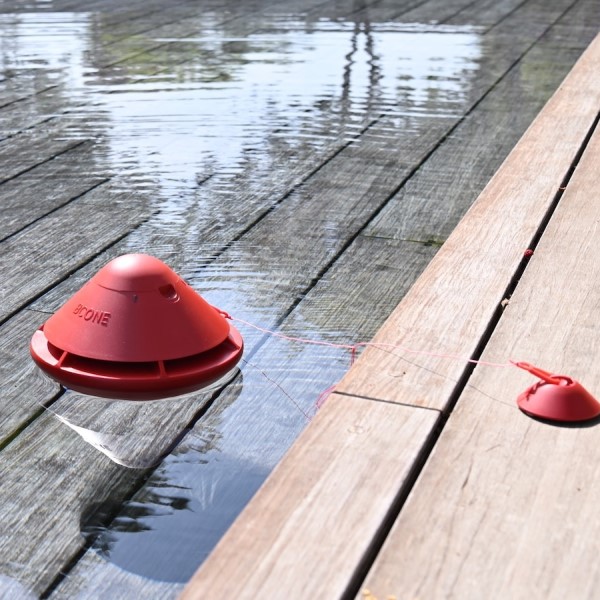
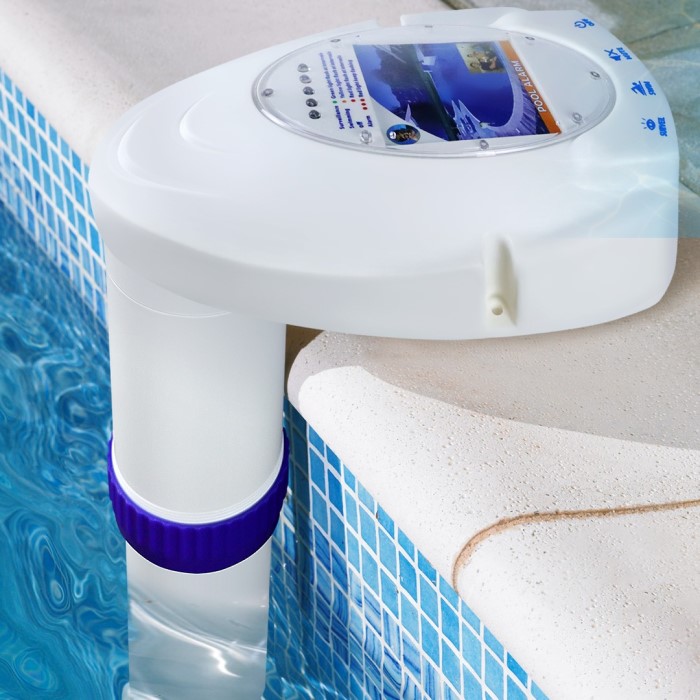
Surface wave sensors detect disturbances on the water’s surface. They alert when waves occur due to an object or person entering the pool. These alarms are ideal for outdoor pools and easily detect splashes or movement.
Subsurface motion detectors
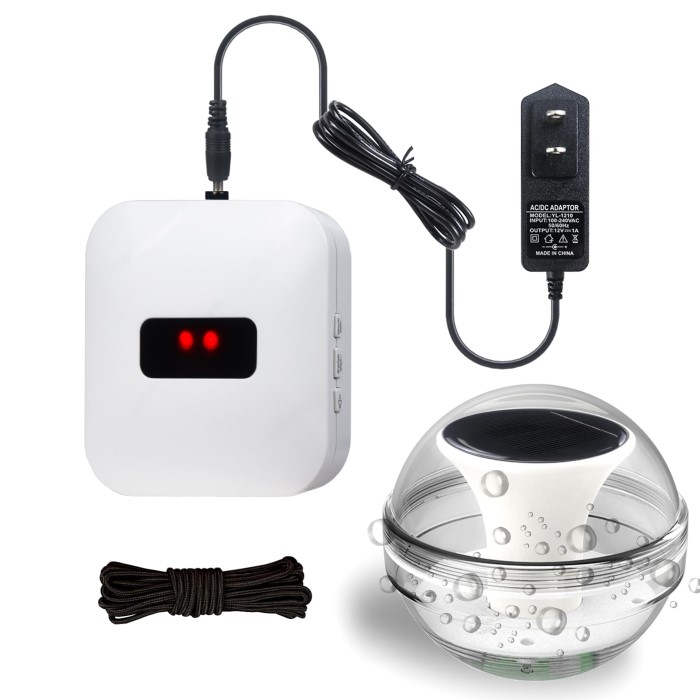
Subsurface motion detectors sense underwater movement. They are suitable for pools with calm water. These alarms are highly sensitive and can distinguish between minor ripples and significant movements in the pool.
Wearable alarms for children
Wearable alarms are designed for children’s safety. They are worn like bracelets or anklets. If a child enters the water, the alarm triggers to notify caregivers immediately. This type is perfect for homes with toddlers and small children.
Perimeter alarms
Perimeter alarms monitor the area around the pool. They use infrared beams or sensors to detect crossing. When someone enters the monitored area, the alarm alerts instantly. These alarms are excellent for preventing unauthorized access to the pool area.
Incorporating these diverse alarms helps create a comprehensive safety system for pools. It is essential to use alarms that suit your specific pool type and safety requirements.
Key Features to Look for in Pool Safety Alarm
Choosing the right pool safety alarm is essential for effective safety measures. Various key features enhance the functionality and reliability of these alarms. Consider these aspects when selecting the ideal alarm for your pool.
Reliable sensor technology
Reliable sensor technology ensures accurate detection of movements or disturbances in and around the pool. High-quality sensors quickly identify unauthorized access or unusual activity. This feature avoids false alarms and provides dependable alerts. Advanced sensors differentiate between harmless water activity and significant safety concerns.
Ease of installation and use
Pool safety alarms should be simple to install and operate. Easy installation saves time and ensures proper placement. User-friendly controls allow pool owners and caregivers to manage alarms effortlessly. Intuitive designs offer clear instructions for setup and operation.
Waterproof and durability
Durable, waterproof materials protect alarms from environmental elements, ensuring long-term functionality. These alarms withstand exposure to water, sun, and other weather conditions. Good durability minimizes the need for frequent replacements or repairs, making them more cost-effective.
Battery life and power options
Long battery life ensures uninterrupted safety monitoring. Batteries should last for extended periods without frequent recharging. Some alarms provide alternative power options, such as solar energy or plug-in power. Reliable power sources help maintain consistent safety coverage without interruptions.
By focusing on these features, homeowners can select pool safety alarm that cater to their specific needs. These attributes ensure optimal performance and protection, contributing to a safer pool environment.
Installation and Maintenance Tips
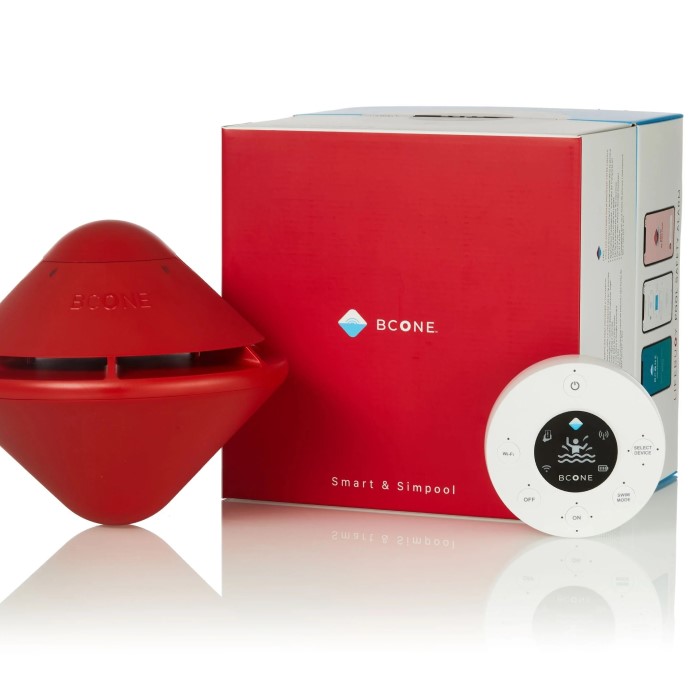
Proper installation and maintenance are crucial for pool safety alarm. These steps ensure optimal performance and reliability. By following best practices, you can maximize the safety of your pool area.
Proper placement of alarms
Place pool safety alarms according to the manufacturer’s instructions. Proper locations ensure accurate detection and effective alerts. Surface wave sensors should be placed at key points of the pool’s edge. Subsurface motion detectors must be positioned in areas with calm water for precise readings. Perimeter alarms should surround the pool fully, eliminating blind spots. Wearable alarms for children must be secured firmly to avoid accidental removal. Correct placement ensures all areas are monitored effectively.
Regularly testing and inspections
Regular testing ensures alarms function correctly. Test alarms weekly or as per manufacturer guidelines. Verify sensor sensitivity and ensure all notifications are working. Routine inspections help identify problems early. Look for wear, damage, or malfunction in sensors and components. Address issues immediately to prevent lapses in safety. Consistent inspections keep alarms efficient and reliable over time.
Replacing batteries and parts
Replace batteries before they run out to avoid interruptions in monitoring. Check power levels often and reset alarms after battery changes. Use compatible batteries as recommended by the alarm manufacturer. Replace worn-out parts and broken components promptly. Use original replacement parts to maintain performance. Regular battery replacements and part upgrades extend the life of alarms.
With proper placement, regular testing, and timely replacements, you can ensure dependable pool safety alarm performance. These practices protect swimmers and enhance peace of mind for pool owners.
How to Choose the Right Pool Safety Alarm
Choosing the best pool safety alarm ensures reliable protection for your pool area. Various factors can influence your decision.
Factors to consider based on pool type
- Size and type of pool: Your pool alarm should match your pool’s size and design. Surface wave sensors work well for large pools with frequent water movement. Subsurface motion detectors are ideal for smaller pools with calm water.
- Indoor vs. outdoor pool: Outdoor pools face weather exposure. Choose alarms with waterproof features. Indoor pools suit wearable alarms or subsurface detectors.
- User needs: Homes with children require wearable alarms for personal safety. For unauthorized access, perimeter alarms are effective.
- Environment considerations: Consider alarms with sensors that work well in windy or rainy conditions. Durable models ensure better performance.
Budget-friendly options
- Look for alarms within your budget without compromising key features. Basic models can provide adequate safety at lower costs.
- Check for alarms with versatile features, offering value for money, such as alarms with adjustable settings or dual usage.
- Choose alarms with long battery life to save on frequent replacements. Some solar-powered alarms reduce ongoing expenses.
- Compare prices of similar alarm types to find the most cost-effective option for your pool safety.
Reviews and recommendations
- Customer reviews: Check reviews from other users. Look for alarms highly rated for reliability and functionality.
- Professional opinions: Seek recommendations from pool safety experts for trusted and proven alarm options.
- Warranty and support: Opt for alarms with warranties and responsive customer support. These ensure long-term satisfaction.
- Comparison charts: Review comparison guides that highlight key features, costs, and suitability of different alarms.
By considering pool type, budget constraints, and trusted reviews, you can select the ideal pool safety alarm. This guarantees peace of mind and safety for your pool environment.
Pool Safety Beyond Alarms
Even with pool safety alarm, additional safety measures are essential. Pool safety requires collective efforts beyond technological solutions.
Supervised swimming as a priority
Supervised swimming is the most effective way to prevent pool accidents. Always stay alert when someone swims. Adults should watch children closely and never leave them unattended. Organize a designated pool watcher to monitor activities during gatherings. Avoid distractions like phones or prolonged conversations while supervising. Encourage strict pool rules to ensure careful and disciplined swimming among guests.
Swimming lessons also help children gain confidence and basic survival skills. Teach children how to swim early for added safety. Combine lessons with consistent supervision to reduce risks.
Other safety equipment to consider
Safety equipment complements alarms and supervision, creating multiple layers of protection. Install sturdy pool fences to restrict access when the pool is unsupervised. Use self-latching gates to prevent easy entry by children or animals.
Consider safety covers designed to secure the pool when not in use. These covers prevent accidental falls and unauthorized pool use. Floatation devices like life jackets should be accessible near the pool area. These ensure safety for non-swimmers and children.
Emergency equipment is vital as well. Install rescue hooks and buoys for quick recovery during accidents. Keep a first aid kit nearby to address minor injuries immediately. Train household members on basic CPR for emergencies.
By emphasizing supervision and complementary safety tools, pool safety goes beyond alarms to create a secure environment for all.
Legal Regulations and Standards
Understanding legal regulations and standards is essential for pool safety alarm compliance. These rules ensure alarms meet safety needs and align with policies.
Required regulations by region
- United States: Regulations vary by state. Many jurisdictions require pool alarms in homes with pools.
- European Union: Certain EU countries enforce alarm mandates for private and public pools.
- Australia: Safety laws often mandate alarms alongside fences around residential pools.
- Canada: Provinces may have individual rules. Pool alarms are commonly advised, not always mandatory.
- Asia and other regions: Regulations for pool alarms and safety tools differ widely.
Understand regional rules before purchasing pool alarms to ensure they meet legal requirements. Contact local officials for information on compliance standards.
Certifications and compliance
UL Certification
- What is UL Certification?: UL (Underwriters Laboratories) certification indicates that a product has been rigorously tested and meets specific safety and performance standards. This certification reassures consumers that the product has undergone a thorough evaluation.
- Performance Standards: UL-tested alarms are assessed for their effectiveness in detecting pool-related incidents, such as a child falling into the water. This ensures they function properly in real-world scenarios, providing reliable monitoring for pool safety.
- Safety Standards: In addition to performance, UL certification verifies that alarms adhere to strict safety regulations. This means that the products are safe to use and do not pose undue risks to users or the environment.
CPSC Guidelines
- Understanding CPSC Guidelines: The U.S. Consumer Product Safety Commission (CPSC) establishes guidelines to promote consumer safety, particularly for products that can pose safety risks, such as pool alarms.
- Compliance Requirements: Alarms sold in the United States must meet CPSC regulations to ensure they are designed to prevent drowning and reduce the risk of accidents. This includes specific requirements concerning their functionality, effectiveness, and user safety.
- Consumer Protection: CPSC-compliant alarms provide assurance to consumers about the safety and design of the product. By following these guidelines, manufacturers aim to protect users from potential hazards associated with swimming pools.
ISO Standards
- What Are ISO Standards?: The International Organization for Standardization (ISO) develops global standards to ensure quality, safety, and efficiency across various products and services.
- Importance of ISO Compliance: Alarms that adhere to ISO standards signify a commitment to high-quality manufacturing processes. This includes durability, reliability, and efficiency in functionalities.
- Global Recognition: Products meeting ISO standards are recognized internationally, which can enhance consumer trust. Knowing that an alarm meets these rigorous standards can influence purchasing decisions positively.
National Standards
- Regional Certification: Each region may have its own set of safety standards and regulations regarding pool alarms. These national standards are tailored to address specific local safety concerns and conditions.
- Importance of Local Compliance: Ensuring that pool alarms meet national safety requirements helps safeguard consumers and ensures that the products are effective for the communities they serve. Alarms designed with the local environment in mind can address unique safety challenges.
- Impact on Purchase Decisions: Consumers should look for alarms that have received regional certification. This ensures the products meet local laws and regulations, providing an added layer of reassurance regarding their effectiveness and safety.
Manufacturer Warranties
- Role of Manufacturer Warranties: A manufacturer warranty indicates that the company stands behind its product quality and performance. This provides consumers with confidence in their purchases.
- Alignment with Certifications: Look for alarms that come with warranties linked to the certifications mentioned earlier, such as UL or ISO. This alignment reinforces the product’s reliability and adherence to safety standards.
- Coverage and Support: The warranty typically covers defects in materials and workmanship. Understanding the terms of the warranty, including the duration and what is included, is essential for informed purchasing.
Selecting alarms with proper certifications will maintain legal compliance and offer optimal safety. Regular reviews of regulations guarantee continued adherence to safety policies.
Conclusion: Invest in Pool Safety Alarm
In conclusion, investing in a pool safety alarm is a crucial step in enhancing safety around your swimming pool. By understanding the importance of these alarms, exploring various types, and ensuring proper installation, you can significantly reduce the risk of drowning incidents and enhance peace of mind for your family.
As you assess your pool safety solutions for your home, always consider combining alarms with other safety measures. Ensuring proper maintenance and staying informed about the latest safety technologies will also optimize the protection of your loved ones. Take proactive steps today, and enjoy your pool with confidence knowing that safety is prioritized!