
Introduction
In the world of outdoor gear, few items are as versatile and essential as the space blanket material. Often used in survival kits, hiking backpacks, and emergency supplies, space blankets deliver unmatched insulation and protection against the elements. Originally developed by NASA for space missions, these lightweight and compact blankets have become vital tools for hikers, campers, and outdoor enthusiasts. In this article, we will explore the numerous benefits of space blanket material, how it works, and why it should be an integral part of your outdoor gear. Whether you’re facing cold weather or preparing for emergencies, understanding the advantages of space blankets can help you stay warm and safe outdoors.
What is Space Blanket Material?
1. Definition and Composition
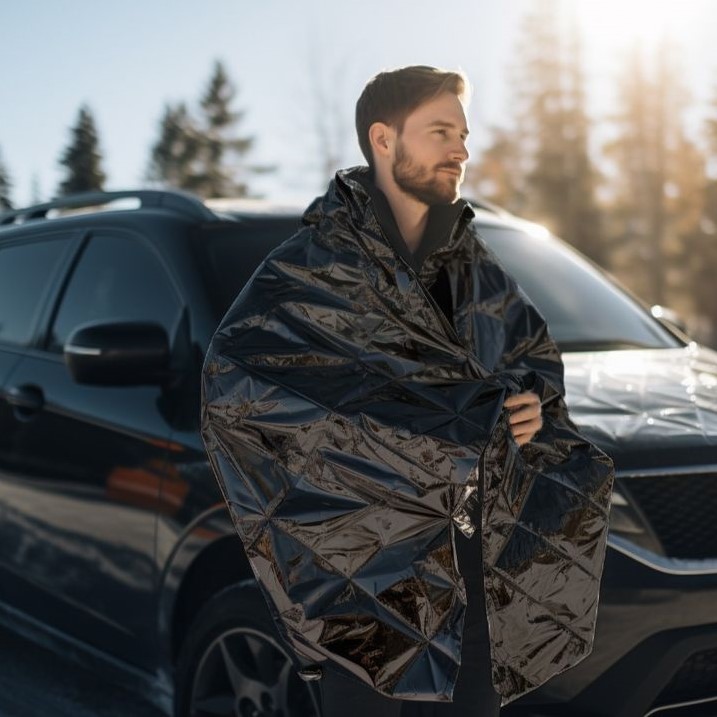
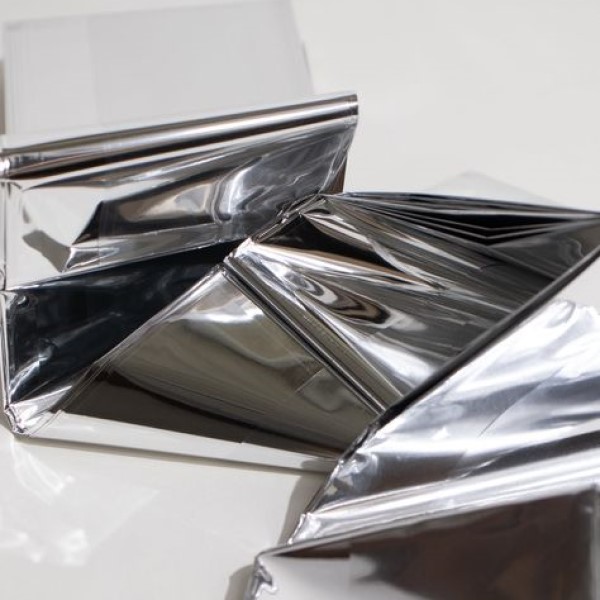
Space blanket material, often referred to as mylar or emergency blankets, is made from a thin, reflective plastic.
- Mylar Properties: Mylar is a polyester film known for its durability and lightweight nature. This material helps reflect body heat, making it highly effective for retaining warmth in cold conditions.
- Reflective Layer: The shiny surface of space blankets has a unique reflective quality. This allows them to reflect back up to 90% of a person’s body heat, providing an excellent barrier against cold temperatures.
2. Origins and Development
- NASA Innovations: Space blankets were introduced by NASA in the 1960s for use in space missions. Their ability to insulate and protect astronauts from extreme temperatures was a breakthrough in thermal protection technology.
- Commercial Use: Following their success in space exploration, space blankets became available to the public. Today, they are commonly found in camping gear and emergency supplies.
Benefits of Space Blanket Material
1. Insulation and Heat Retention
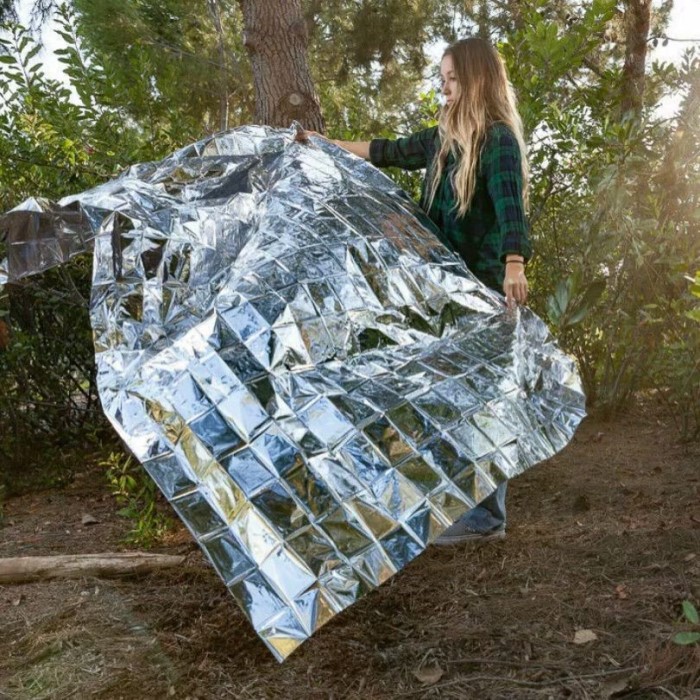
The primary benefit of space blanket material is its superior insulation.
Thermal Efficiency
- Understanding Thermal Efficiency: Thermal efficiency refers to the ability of a material to retain and reflect heat. In the case of space blankets, this efficiency is critical for maintaining body warmth in cold environments.
- How Space Blankets Work:
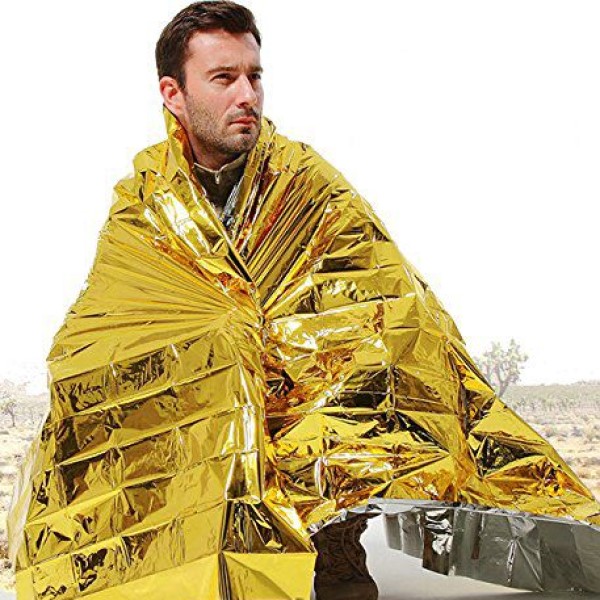
- Reflecting Body Heat: When an individual is wrapped in a space blanket, the reflective surface acts like a mirror. It reflects nearly all of the body’s emitted heat back toward the person, creating a warm microclimate beneath the blanket.
- Microclimate Creation: This microclimate refers to the small area around the body where heat is contained. By generating this warm area, space blankets help to combat the effects of external cold, making it easier for individuals to stay warm in chilling conditions.
- Importance in Cold Weather:
- Maintaining Body Temperature: In cold weather, maintaining core body temperature is vital for survival. A space blanket helps to insulate the body against the frigid air outside and prevents rapid heat loss.
- Reduction of Heat Loss: When exposed to cold weather, the human body naturally loses heat through conduction, convection, and radiation. Space blankets effectively minimize these heat loss mechanisms by providing a barrier and thus maintaining a more stable body temperature.
Reduced Hypothermia Risk
- What is Hypothermia?: Hypothermia occurs when the body loses heat faster than it can produce it, leading to a dangerously low body temperature. It can result from prolonged exposure to cold temperatures, wet conditions, or wind.
- Role of Space Blankets in Preventing Hypothermia:
- Core Body Heat Preservation: By wrapping yourself in a space blanket, you create an environment that preserves body heat. This preservation is particularly important during outdoor activities, emergencies, or any scenario where prolonged exposure to cold is likely.
- Effective Insulation: Space blankets act as effective insulators by trapping warmth close to the skin. This helps to keep the core temperature from dropping, reducing the likelihood of developing hypothermia.
- Application in Emergencies:
- Emergency Situations: In emergencies, such as becoming stranded outdoors or facing unexpected weather changes, having a space blanket can be a lifesaver. Quickly wrapping up in a space blanket can help stabilize body temperature until help arrives.
- Increased Survival Rate: Many survival scenarios highlight the importance of maintaining body heat. By utilizing a space blanket, individuals can significantly enhance their chances of survival in cold conditions and prevent the onset of hypothermia.
- Extended Use in Freezing Temperatures:
- Longer Heat Retention: Space blankets allow individuals to maintain their core body temperature longer, enabling them to conserve energy and reduce the risk of hypothermia. This extended heat retention is crucial for survival when shelter or proper clothing may not be available.
- Versatility in Use: Space blankets can be utilized in various outdoor scenarios, from camping to hiking, reinforcing the importance of keeping one on hand for emergency preparedness.
2. Lightweight and Compact
Space blankets are designed with portability in mind.
- Easy to Carry: Weighing only a few ounces, space blankets take up minimal space in your backpack. This makes them extremely convenient for hikers and outdoor enthusiasts who want to minimize their load.
- Versatile Application: Their compact design allows them to be easily stowed away in emergency kits, vehicle glove compartments, or travel gear. Having a space blanket on hand can provide peace of mind when venturing into remote areas.
3. Cost-Effective Solution
- Affordable Outdoor Gear: Space blankets are not only effective but also budget-friendly. Most can be bought for a few dollars, making them an economical choice for anyone looking to enhance their outdoor gear without breaking the bank.
- Durability: Although lightweight, space blankets are made from durable materials that resist tears and punctures. Their robust design ensures they can be used multiple times, providing excellent value for money.
Versatile Uses of Space Blanket Material
1. Outdoor Activities
Space blankets are incredibly useful for various outdoor activities.
- Camping: When camping, a space blanket can provide extra insulation during chilly nights. It can be used inside your sleeping bag or as a ground cover to add warmth.
- Hiking and Backpacking: Many hikers carry a space blanket for emergency situations. If you become stranded or lost, wrapping yourself in a space blanket can help retain heat until help arrives.
2. Emergency Situations
In emergencies, space blankets can be lifesavers.
- First Aid Kit Essential: Space blankets are a recommended item for first aid kits. They help protect individuals suffering from shock or exposure, providing immediate warmth.
- Natural Disasters: During natural disasters such as earthquakes or hurricanes, having space blankets on hand can provide insulation and warmth to individuals stranded with limited resources.
Caring for Your Space Blanket
Maintaining your space blanket is essential for ensuring its longevity and effectiveness.
1. Proper Storage
- Avoid Direct Heat: Store your space blanket away from direct sunlight and heat sources. Prolonged exposure to heat can degrade its reflective properties and overall effectiveness.
- Keep it Dry: Moisture can damage the material, so ensure it’s thoroughly dry before storing. Avoid storing it in damp locations to prevent mildew growth.
2. Cleaning Tips
- Gentle Cleaning: If your space blanket becomes dirty, gently wipe it down with a damp cloth. Avoid using harsh chemicals or detergents, as they can damage the reflective surface.
- Inspection: Regularly inspect your space blanket for any tears or damage. If you find any issues, replace it to maintain effectiveness during emergency situations.
Frequently Asked Questions
Let’s address some common questions regarding space blankets:
What material is a space blanket made of?
A space blanket is typically made of mylar, a thin, reflective plastic polyester film. This material effectively reflects heat and insulates against cold temperatures.
What is the best material for travel blankets?
The best material for travel blankets often includes fleece, microfleece, or mylar. Mylar is great for emergency situations due to its heat retention properties, while fleece offers softness and comfort.
Why are space blankets silver?
Space blankets are silver due to their reflective mylar surface. This reflective quality helps to minimize heat loss by reflecting body heat back toward the individual.
What material is used in space blankets and party balloons?
Both space blankets and many party balloons commonly use mylar or foil materials. These materials share properties that allow them to be lightweight and reflective.
Conclusion: Stay Warm and Safe Outdoors
In conclusion, space blanket material is an invaluable asset for anyone who enjoys outdoor activities or wants to be prepared for emergencies. Its exceptional insulation, lightweight nature, and affordability make it an essential component of any camping or hiking gear. By understanding the benefits and versatile uses of space blankets, you can ensure that you remain warm and safe in various outdoor conditions. Whether you’re planning your next outdoor adventure or simply want to be ready for emergencies, investing in a space blanket could be one of the smartest decisions you make. Don’t underestimate the power of such simple yet effective gear—stay warm and safe outdoors!