Introduction
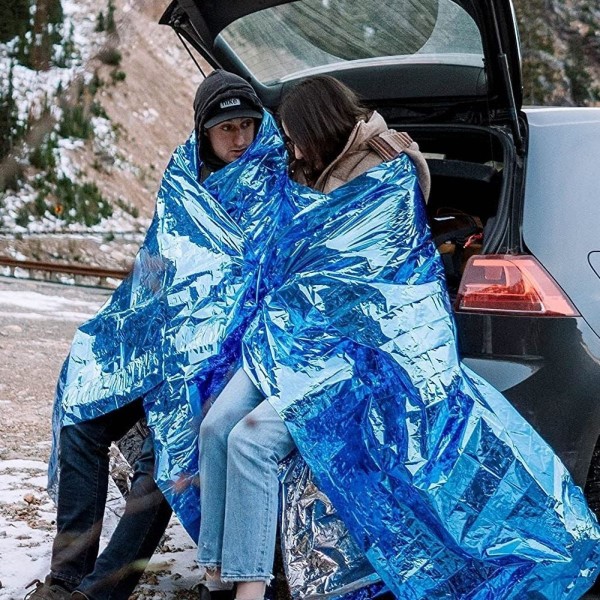
When it comes to outdoor survival and emergency preparedness, having the right gear is critical. One essential item that can be a lifeline in cold weather is the emergency thermal blanket. Also known as space blankets or survival blankets, these compact and lightweight blankets play a vital role in retaining body heat and protecting you from the elements. Whether you are hiking in the colder months or facing an unexpected emergency, understanding the benefits of an emergency thermal blanket can help you stay warm and safe outdoors. In this article, we will delve into the various features and uses of emergency thermal blankets, examining why they are indispensable items for those who venture outdoors.
Understanding Emergency Thermal Blankets
1. What Is an Emergency Thermal Blanket?
Emergency thermal blankets, often made from mylar or other insulating materials, are designed specifically to reflect and retain body heat.
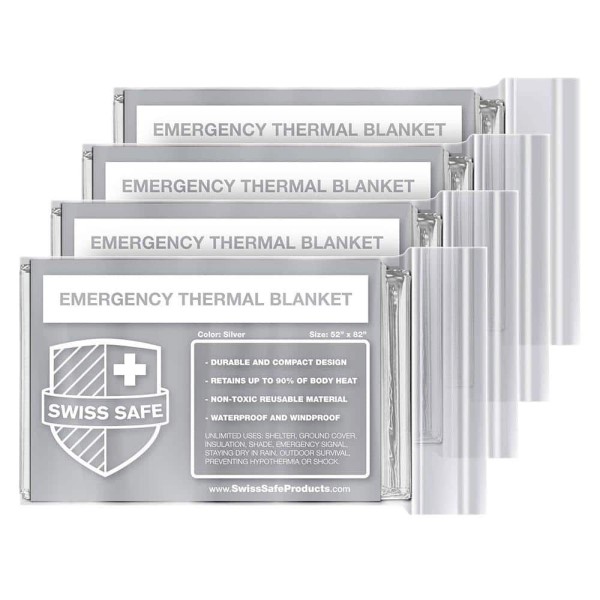
- Material and Design: The unique silver or reflective surface of these blankets is crafted to reflect up to 90% of body heat back toward the user. This design makes them incredibly efficient in retaining warmth even in extremely cold temperatures.
- Compact and Lightweight: One of the most notable attributes of emergency thermal blanket is their portability. They are lightweight and can be folded into a compact size, making them easy to transport in backpacks or emergency kits.
2. Benefits of Emergency Thermal Blankets
The benefits of using an emergency thermal blanket extend beyond simply keeping warm.
Hypothermia Prevention
- Understanding Hypothermia: Hypothermia is a critical medical condition that occurs when the body loses heat faster than it can produce heat, leading to dangerously low body temperatures. It can happen in various circumstances, especially in cold weather or wet environments.
- Rapid Heat Loss:
- Causes of Heat Loss: Heat loss can occur due to several factors, including exposure to cold air, wind, rain, and cold water. In these environments, even a small drop in body temperature can escalate quickly to hypothermia, which is life-threatening.
- Signs of Hypothermia: Symptoms may include shivering, confusion, slurred speech, slow heart rate, and fatigue. Recognizing these signs early is essential for effective intervention.
- Role of Emergency Thermal Blankets:
- Heat Retention Capabilities: Emergency thermal blankets are designed to reflect and retain body heat. When wrapped in such a blanket, up to 90% of your body heat can be reflected back, providing essential warmth.
- Creating a Warm Microclimate: The blanket acts as a barrier against cold temperatures, effectively creating a microclimate around your body that helps maintain core body temperature. This is especially vital in cold or wet conditions where heat loss can occur rapidly.
- Reducing Hypothermia Risk:
- Essential Safety Gear: Carrying an emergency thermal blanket as part of your outdoor gear is a fundamental strategy for hypothermia prevention. Whether hiking, camping, or in any outdoor situation, having this blanket can enhance your safety.
- Immediate Response in Emergencies: In the event of getting stranded or caught in unfavorable weather, a thermal blanket offers immediate protection until help arrives. It’s a simple yet effective way to stabilize body temperature and prevent the onset of hypothermia.
Multi-Purpose Use
- Versatility of Emergency Thermal Blankets: While the primary function of an emergency thermal blanket is to provide warmth, its versatility allows for various uses beyond just heat retention.
- Ground Cover:
- Insulation from Cold Ground: When camping or setting up a temporary shelter, using a thermal blanket as a ground cover can protect against the cold from the ground. This feature is beneficial for maintaining comfort.
- Keeping Gear Dry: A thermal blanket can help keep your gear dry by acting as a barrier against wet ground or surfaces, adding additional layers of protection.
- Makeshift Shelter:
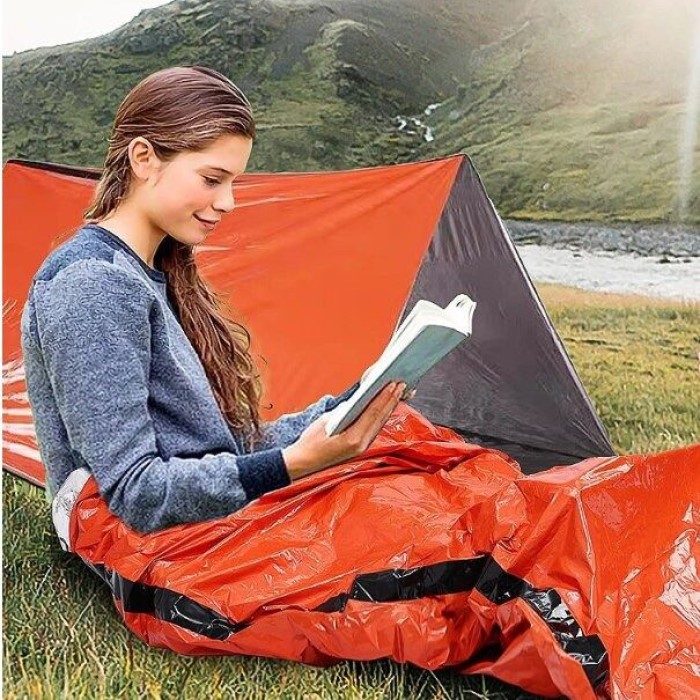
- Temporary Protection from Elements: In emergency situations, an emergency thermal blanket can be fashioned into a makeshift shelter. Simply draping the blanket over branches or securing it with stakes can shield you from wind, rain, or snow.
- Wind and Moisture Barrier: The reflective material also serves as a barrier against wind and moisture, which can help keep you warmer and drier.
- First Aid Wrap:
- Emergency Medical Uses: If someone is suffering from exposure or shock, using a thermal blanket as a first aid wrap can be highly effective. It helps retain body heat, which is crucial for stabilizing someone who is shivering or losing heat.
- Cellular Support: Wrapping an injured or hypothermic person in a thermal blanket provides both warmth and comfort, which can be critical until medical help arrives.
- Significance of Multi-Functionality:
- Essential for Survival Kits: Due to their multipurpose utility, emergency thermal blankets are a wise addition to survival kits or emergency preparedness packs. Their various functions enhance survival strategies in challenging conditions.
- Space-Saving Gear: The compact design of thermal blankets allows them to be stored easily without taking up much space, making them ideal for those who want to carry essential gear without added bulk.
How Emergency Thermal Blankets Work
1. Heat Retention Mechanism
The primary function of an emergency thermal blanket is heat retention.
- Reflective Technology: The distinctive reflective layer traps heat produced by the body. When wrapped in the blanket, the trapped air creates a microclimate that maintains warmth effectively.
- Wind and Moisture Protection: In addition to retaining heat, these blankets serve as a barrier against wind and moisture, which can exacerbate cold conditions. By blocking the wind, they help reduce heat loss even more.
2. Insulating Properties
- Layer of Insulation: The material used in these blankets acts not only as a reflector but also provides an insulating layer. This feature assists in preventing thermal conduction, which occurs when heat is lost to colder surfaces or air.
- Limited Heat Transfer: The design minimizes heat transfer away from the body, allowing you to remain warmer for longer periods.
Practical Uses
1. Outdoor Activities
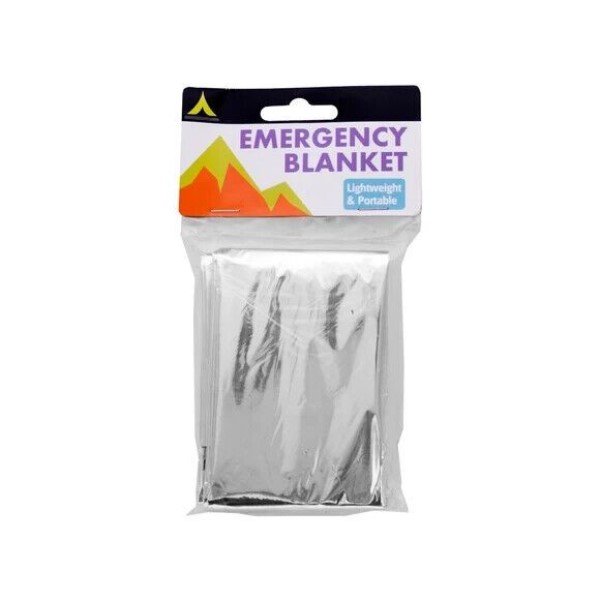
- Camping and Hiking: For campers and hikers, having an emergency thermal blanket on hand can be a game-changer. It can be folded and stored in backpacks without taking up much space but is invaluable when temperatures drop unexpectedly.
- Winter Sports: Skiers and snowboarders can benefit from emergency thermal blankets as part of their safety gear. In case of an accident or extreme cold, wrapping up in a thermal blanket can prevent heat loss and sustain warmth.
2. Emergency Preparedness
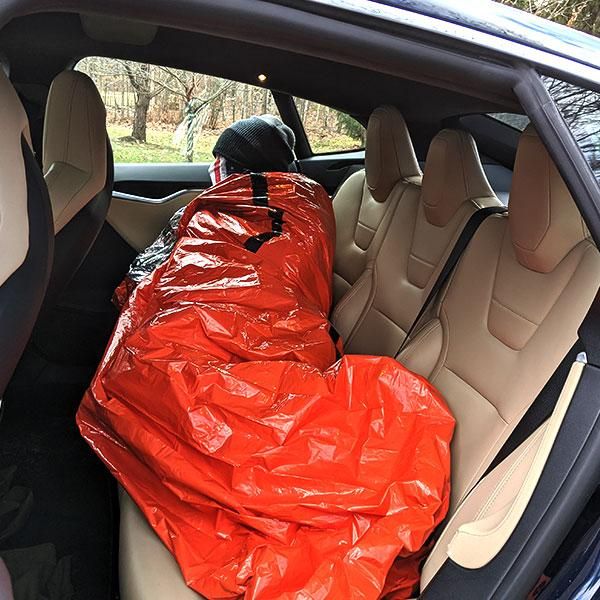
- In Case of Accidents or Emergencies: Whether you experience a breakdown on a remote road or get lost while hiking, keeping an emergency thermal blanket accessible can be life-saving. It provides immediate warmth while waiting for help.
- First Response Situations: Emergency thermal blankets are often included in first aid kits and emergency response bags. They can be deployed quickly to stabilize a person’s body temperature until further medical assistance arrives.
Caring for Your Emergency Thermal Blanket
1. Storage Tips
- Keep It Accessible: Store your emergency thermal blanket in a place that’s easy to reach, such as in your car or your hiking pack. Frequent accessibility is essential when facing an emergency.
- Avoid Excessive Folding: Avoid excessive creasing, as too many folds can reduce the effectiveness of the reflective material over time. Store it loosely in its packaging.
2. Cleaning and Maintenance
- Spot Cleaning: If your blanket collects dirt or grime, spot cleaning with a damp cloth can suffice. Avoid using harsh chemicals or detergents that may damage the reflective surface.
- Inspect Regularly: Regularly check your emergency thermal blanket for any signs of damage or wear. If you notice any tears or significant damage, consider replacing it.
Frequently Asked Questions
Let’s address some common questions regarding emergency thermal blankets:
Do thermal emergency blankets work?
Yes, thermal emergency blankets are highly effective at reflecting and retaining body heat, significantly improving thermal insulation in cold conditions.
How long do emergency thermal blankets last?
Emergency thermal blankets are designed for single use, but high-quality ones can be reused if maintained properly. They should be stored correctly to ensure their reflective properties remain intact.
Do the fire blankets really work?
Fire blankets differ from emergency thermal blankets and are designed to extinguish small fires. They are effective for their intended purpose but do not provide thermal insulation like survival blankets.
What is the emergency survival heat blanket?
An emergency survival heat blanket is a type of thermal blanket specifically designed for outdoor survival situations. It retains body heat, provides protection from the elements, and increases survival chances in emergencies.
Conclusion: Your Key to Safety in Cold Weather
In conclusion, an emergency thermal blanket is an indispensable tool for anyone who frequents the outdoors. Its ability to provide heat retention, protect against the elements, and serve multiple purposes makes it a vital part of emergency preparedness. By understanding how these blankets work and their numerous benefits, you can ensure safety and warmth during your outdoor adventures or in emergency situations. Don’t underestimate the value of this compact piece of gear; being prepared with an emergency thermal blanket can mean the difference between safety and discomfort in cold weather. Stay warm, stay safe, and make sure to pack your emergency thermal blanket for your next outdoor excursion!