What is a Boat GPS Tracker?
Definition and Purpose
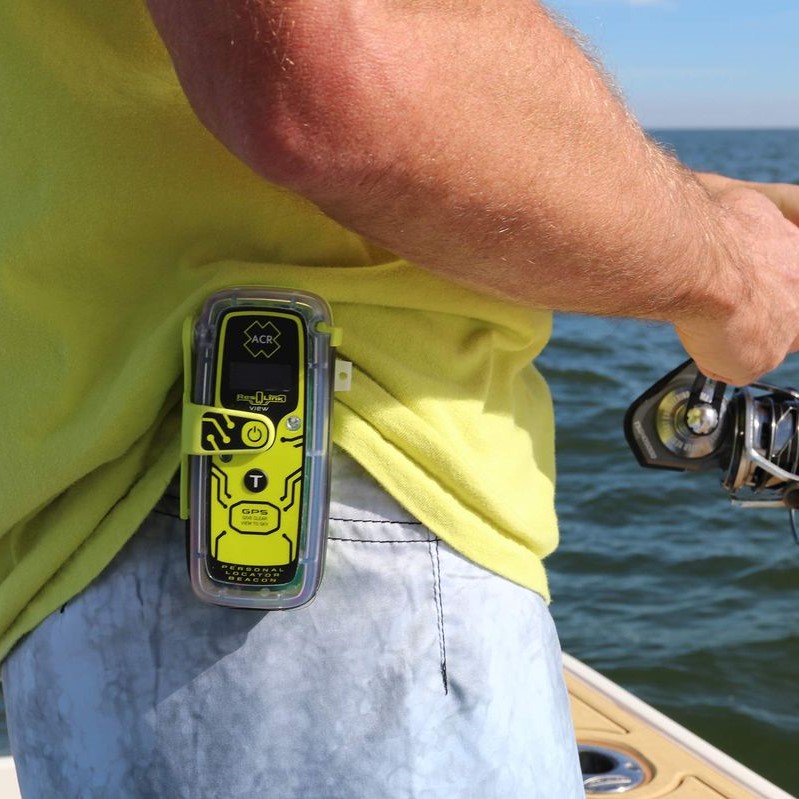
A boat GPS tracker is a device that uses GPS technology to track a boat’s location. It helps provide accurate real-time positioning using satellites. These devices are essential tools for navigating water routes safely and efficiently.
The primary purpose of a boat GPS tracker is to ensure the safety and security of your vessel. It allows you to monitor your boat’s location, even in remote areas, ensuring you always stay on the right course. It also helps prevent theft by enabling you to locate your boat instantly if stolen.
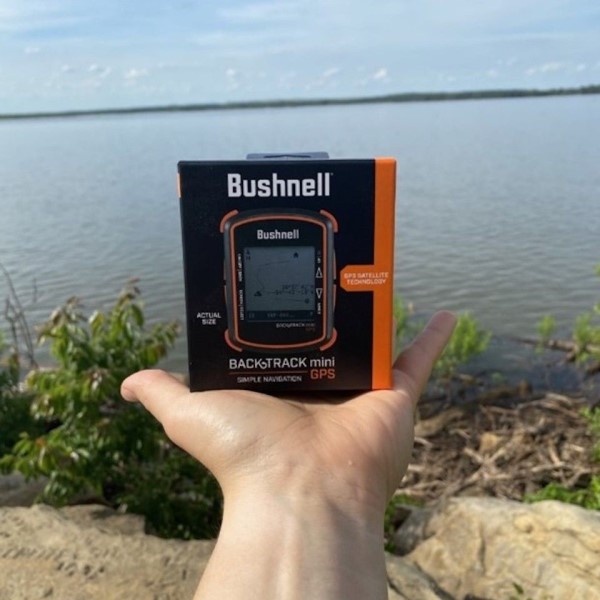
Additionally, boat GPS trackers play a vital role in enhancing navigation. Mariners can avoid dangerous obstacles and determine the fastest or safest routes. Some advanced models include features like route saving, weather updates, and automatic alerts.
In essence, a boat GPS tracker is your trusted guide on the water. It ensures safe travels, theft protection, and efficient navigation.
Key Features to Look for in a Boat GPS Tracker
When choosing a boat GPS tracker, certain features are crucial for safety and performance. A high-quality tracker ensures reliable navigation and an enhanced boating experience. Below are the key features to consider.
Accuracy and Signal Strength
Accuracy is essential for precise navigation. A good boat GPS tracker uses advanced GPS technology for pinpoint accuracy. Strong signal strength ensures seamless performance even in remote areas or rough waters. The tracker should connect to multiple satellites, offering uninterrupted location updates.
Real-Time Tracking Capabilities
Real-time tracking allows you to monitor your boat’s location at any moment. This feature is vital for theft prevention and emergency situations. Look for trackers that provide instant updates without delays. Apps or software supporting real-time tracking enhance accessibility and control.
Durability and Waterproof Ratings
A boat GPS tracker must withstand harsh marine environments. Check for rugged designs and high-quality materials. Waterproof ratings like IP67 or IP68 ensure resistance to water and dust. Durable construction protects the device from impact, vibrations, and extreme weather conditions.
Battery Life and Power Options
Extended battery life is crucial for long trips. Select trackers with long-lasting batteries or efficient power systems. Some devices offer backup power options or solar charging for added convenience. Recharging should be simple to avoid interruptions during use.
By focusing on these key features, you can choose a reliable boat GPS tracker that meets your needs.
Types
Choosing the right type of boat GPS tracker depends on your boating needs. Different trackers offer unique advantages, helping you enhance navigation and security.
Handheld vs Fixed-Mount Devices
Handheld GPS trackers are portable devices. They are ideal for boating enthusiasts who need flexibility. You can carry them when exploring new areas or use them across multiple boats. They are lightweight, compact, and easy to operate.
Fixed-mount GPS trackers are installed permanently on your vessel. They provide stable performance and are perfect for large boats. Fixed-mount devices often have larger screens and more advanced features. They ensure consistent navigation support during long journeys.
Consider your boat’s size and usage when choosing between handheld and fixed-mount. Handheld units suit casual boaters, while fixed-mount systems are great for professional mariners.
Satellite-Based vs Cellular-Based Trackers
Satellite-based trackers use GPS satellites for location updates. They perform efficiently in remote waters, where cellular signals are weak. These trackers are reliable for offshore and international trips. They may have higher costs but offer unparalleled coverage.
Cellular-based trackers rely on mobile networks for tracking. They are suitable for nearshore activities where cellular coverage is strong. They are often more affordable than satellite trackers. However, they may not perform well in areas with poor network access.
Select satellite-based trackers for global navigation across vast oceans. Opt for cellular trackers for casual boating closer to shore.
Choosing the right type ensures efficient navigation and safety. Combine features and coverage to maximize utility.
Benefits of Using a GPS Tracker on Your Boat
GPS trackers offer numerous advantages for boating. They enhance navigation and ensure safety at all times. Let’s explore how these devices contribute to improved boating experiences.
Boat GPS trackers improve navigation by providing real-time location updates. Mariners can easily avoid hazards, like rocks or shallow waters. With accurate positioning, you can plan efficient and safe routes.
Some models include advanced features like route saving and weather updates. These features help prepare for unexpected situations. Alerts for route deviations ensure you stay on track.
Safety is a key benefit of using GPS trackers. In emergencies, the tracker provides your exact location for rescue teams. Devices with global coverage ensure support even in remote oceans.
Additionally, GPS trackers help improve boating efficiency. They save fuel by guiding you along optimized routes. Accurate data simplifies decision-making for every journey.
Theft Prevention and Recovery
Boat GPS trackers are essential for theft protection. They allow you to locate your boat if stolen. Real-time tracking helps pinpoint its exact position quickly.
Some trackers come with geofencing capabilities. This feature alerts you if the boat moves outside a set perimeter. It helps you act immediately and recover the vessel without delays.
Advanced models provide notifications of unauthorized access or tampering with the tracker. This security layer keeps your vessel safe in marinas or docks.
Using a GPS tracker on your boat ensures peace of mind. You can feel confident about navigation and security wherever you sail.
How to Install a Boat GPS Tracker
Installing a boat GPS tracker is crucial to ensure its functionality and reliability. Proper installation helps enhance tracking efficiency and extends the device’s lifespan. Here’s how to install one correctly.
Installation Process for Different Types
- Handheld GPS Trackers:
- Begin by reading the user manual provided with the device.
- Charge the tracker fully before use to ensure uninterrupted operation.
- Configure the settings, including location updates and geofencing, using the accompanying software or app.
- Attach the tracker securely to an accessible area on the boat.
- Test the device by powering it on and checking location accuracy.
- Fixed-Mount GPS Trackers:
- Select an appropriate spot for permanent placement, usually near the helm or control panel.
- Ensure the mounting area is clean and free from debris.
- Securely attach the tracker using screws, adhesive mounts, or brackets.
- Connect the device to the boat’s power supply if required (some models use external power).
- Calibrate the tracker settings, optimizing signal strength and real-time tracking.
- Conduct a functionality test to verify installation success.
- Satellite-Based Trackers:
- Mount the device in a clear, unobstructed area for effective communication with satellites.
- Position the tracker where it can avoid interference from metallic surfaces or electronics.
- Follow the instructions for connecting the tracker to its satellite network.
- Verify coverage by testing location updates in different areas.
- Cellular-Based Trackers:
- Attach the tracker where cellular signals are strong, avoiding obstructions.
- Ensure the device connects properly to its mobile network provider.
- Test the tracker in nearshore areas to confirm consistent coverage.
Best Practices for Optimal Performance
- Secure Installation: Ensure the device is firmly attached to prevent disconnection or physical damage.
- Power Supply Management: Check battery life or connection to external power sources consistently.
- Signal Optimization: Install the tracker in areas with minimal signal interference for peak performance.
- Regular Updates: Keep software or firmware updated to benefit from improved features.
- Calibration: Periodically re-calibrate the tracker for enhanced accuracy and consistency.
With proper installation and adherence to best practices, the boat GPS tracker will function efficiently and reliably. Following these steps ensures your device is ready to support safe and secure boating.
Popular Brands and Models
When selecting a boat GPS tracker, it’s essential to consider reliable brands and models. Leading brands offer high-quality products designed to meet various boating needs. Let’s explore some of the most popular choices and their features.
Features and Comparison
- Garmin GPSMAP Series
- Features: High-resolution screens, preloaded charts, and touch display.
- Pros: User-friendly interface, excellent mapping, and wide compatibility.
- Ideal Users: Professional mariners and long-distance sailors.
- Simrad GO Series
- Features: Advanced radar support, charting options, and wireless connectivity.
- Pros: Excellent navigation systems, touchscreen control, and value for money.
- Ideal Users: Fishermen and motorboat enthusiasts.
- Spot Trace Satellite Tracker
- Features: Satellite-based tracking, motion alerts, and theft notification.
- Pros: Compact, reliable in remote areas, and affordable subscription plans.
- Ideal Users: Offshore boaters or security-conscious owners.
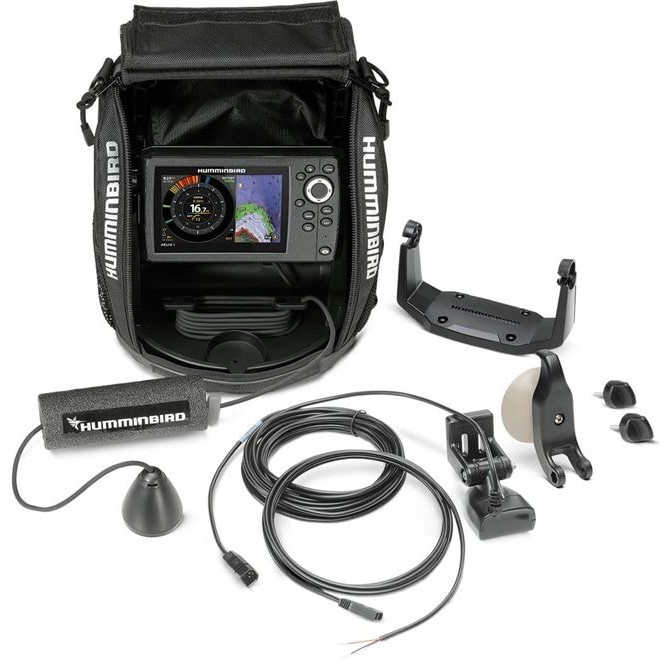
- Humminbird HELIX Series
- Features: Sonar imaging, side-scan technology, and built-in Bluetooth.
- Pros: Excellent for fish finders, durable build, and intuitive controls.
- Ideal Users: Recreational anglers.
- Lowrance HDS LIVE
- Features: Real-time mapping, sonar features, and advanced charting options.
- Pros: Suited for professional fishing and competitive boating.
- Ideal Users: Experienced boaters and anglers.
When comparing different models, focus on suitability for your boating activities, ease of use, durability, and price range. Select a model that aligns with your needs for the best boating experience.
Tips for Maintaining Your Boat GPS Tracker
Proper maintenance ensures your boat GPS tracker performs well during every outing. Frequent checks and care strengthen its reliability and extend its lifespan. Here are practical steps to maintain your device.
Proper Care and Troubleshooting
- Keep the Device Clean
- Wipe the tracker regularly with a soft cloth to remove dirt and moisture.
- Avoid using harsh chemicals or abrasive materials during cleaning.
- For waterproof models, clean and dry seals to maintain water resistance.
- Protect Against Physical Damage
- Store the tracker safely when not in use, especially handheld models.
- Avoid dropping the device or exposing it to shocks and heavy vibrations.
- Securely mount fixed devices to prevent loosening or damage while boating.
- Charge Batteries Properly
- Recharge the tracker’s battery before it runs out completely to prevent power loss.
- Use only the recommended chargers and cables provided by the manufacturer.
- Consider trackers with solar or backup charging options for reliable power.
- Software and Firmware Updates
- Update the tracker’s software periodically for performance improvements and new features.
- Check for firmware updates on the manufacturer’s website or app linked to the device.
- Enable automatic updates for satellite communication devices with remote support.
- Troubleshooting Common Issues
- If location tracking fails, check signal strength and reposition the device.
- Restart the tracker to resolve temporary glitches or connectivity issues.
- Contact customer support for advanced problems like hardware defects.
- Regular Performance Tests
- Run diagnostic tests before each use to ensure the tracker functions correctly.
- Verify real-time tracking and alerts to confirm seamless communication.
- Perform equipment checks after long trips to identify wear or damage.
Proper care prolongs the life of your boat GPS tracker. Effective troubleshooting ensures its accuracy and reliability in any situation. Follow these tips for smooth sailing and peace of mind.
How to Choose the Best Boat GPS Tracker for Your Needs
Selecting the right boat GPS tracker depends on your specific preferences and requirements. Each boat owner has unique needs that must be addressed by the device they choose.
Evaluating Your Specific Requirements
- Boating Activities: Determine the primary purpose of the GPS tracker. For general navigation, devices with route-saving features are useful. For fishermen, trackers with sonar capabilities offer added value.
- Boat Size: The size of your vessel affects the type of GPS tracker you need. Fixed-mount trackers are better for larger boats, while handheld options suit smaller boats.
- Navigation Range: If you sail offshore, satellite-based trackers are ideal. For nearshore boating, cellular-based devices are efficient.
- Environment: Consider the weather and water conditions where you navigate. Opt for waterproof and durable models for harsh marine environments.
- Emergency Features: Devices with alert systems or rescue communication features work well for ensuring safety.
Budget and Cost Considerations
- Determine Your Budget: Set a clear budget before exploring options. Prices vary depending on features and brands.
- Balance Cost and Features: Choose devices that provide essential features without overspending on unnecessary extras. Cost-effective models often perform well for casual boating.
- Subscription Fees: Consider subscription costs for devices that use satellite or cellular networks. Ensure the fees fit your budget.
- Long-Term Value: Invest in durable and reliable GPS trackers that offer extended usability. Quality trackers prevent frequent replacements.
By assessing your boating needs and budget, you can select the best GPS tracker. Compare options carefully to optimize navigation and safety during every outing.
Conclusion: Choosing the Right Tracker
In conclusion, knowing how to choose a boat GPS tracker is essential for any sailor looking to enhance their navigation and safety. By understanding key features, types, and installation methods, you can make an educated decision. Investing in a reliable GPS tracker not only grants peace of mind but also enriches your boating experience. As you embark on new adventures, having a trustworthy tracker aboard can prove invaluable. The right device will help you navigate confidently, ensuring you can enjoy the open sea, knowing your vessel is secure and easily trackable.