Introduction: Understanding Seat Belt Auto-Lock Systems
Seat belts are an essential safety feature in modern vehicles, designed to keep passengers secure during travel. However, there are times when difficulties arise with the seat belt’s functionality, particularly when it comes to the seat belt auto-lock feature. This mechanism engages automatically to ensure the belt is snug and helps reduce slack, improving safety during sudden stops or collisions. However, it can sometimes cause inconvenience when you need to get out of the car or adjust the belt. Knowing how to release seat belt auto-lock is crucial for every driver.
In this article, we will delve into the causes of seat belt locking issues and provide you with straightforward methods to release a jammed or locked seat belt. Furthermore, we’ll address common FAQs related to seat belt functionality, providing a comprehensive guide to ensure your safety and comfort while driving.
Understanding the Mechanics of Auto-Lock
Before we dive into solutions, let’s first understand how the auto-lock mechanism works in your vehicle’s seat belts:
- How the Auto-Lock Mechanism Functions:
- The auto-lock mechanism activates when the seat belt is pulled out quickly or during rapid braking, preventing excessive slack.
- This system is designed to keep passengers securely in place, reducing the risk of injury during an accident.
- Engagement Reasons:
- The auto-lock engages not only with sudden movements but also through poorly positioned seat belts. They can get twisted or entangled due to various reasons, leading to unexpected locking.
- Safety Benefits:
- While this system can sometimes cause frustration, it serves a crucial role in ensuring the safety of the vehicle’s occupants by minimizing the risk of movement during a collision.
- Understanding the mechanics behind seat belts can help you appreciate their importance and functionality.
Common Reasons for Seat Belt Auto-Lock
Identifying the underlying cause of a jammed seat belt can simplify the troubleshooting process. Here are some common reasons why a seat belt might get stuck:
Twisted Seat Belt
- Frequent Occurrence: A twisted seat belt is a common issue that can cause the auto-lock mechanism to engage, preventing the belt from extending or retracting properly.
- Impact of Twists: Even a slight twist in the belt can create tension, causing locking behavior. This misalignment can lead to stress on the retraction mechanism.
Objects Within the Mechanism
- Blockages: Small objects such as coins, food particles, or other debris can find their way into the seat belt mechanism and cause it to jam.
- Identification: If you experience a locking issue, check the area around the seat belt buckle and retraction mechanism for any visible obstructions.
Worn-Out Components
- Component Degradation: With time and regular use, internal components of the seat belt can wear out. This wear can lead to malfunctioning mechanisms, including auto-lock issues.
- Importance of Maintenance: Regularly checking these components can help identify problems before they become severe.
Faulty Buckle Mechanism
- Buckle Failure: Problems with the buckle itself can prevent the seat belt from functioning correctly. A malfunctioning buckle may not engage or release efficiently.
- Ensuring Functionality: If you notice difficulties with the buckle, it may require inspection or replacement.
Improper Installation
- Incorrect Setup: Recently installed or replaced seat belts may not be anchored correctly. Improper installation can easily lead to jams and operational issues.
- Consulting the Manual: If you installed the seat belt yourself, refer to the vehicle’s manual for proper installation instructions.
Step-by-Step Guide: How to Release Seat Belt Auto-Lock
How to release seat belt auto-lock? If your seat belt is locked and you need to release it, follow these simple steps:
Assess the Condition of the Seat Belt
- Check for Twists: Examine the entire length of the seat belt for any twists. If you spot one, gently unwind the belt to remove the twist.
- Buckle Examination: Confirm that the seat belt buckle is aligned correctly and not lodged with debris or malfunctioning.
Gently Pull the Seat Belt
- Controlled Movement: Try to slowly pull the seat belt out with even pressure. This gentle effort may release the tension that caused it to lock in the first place.
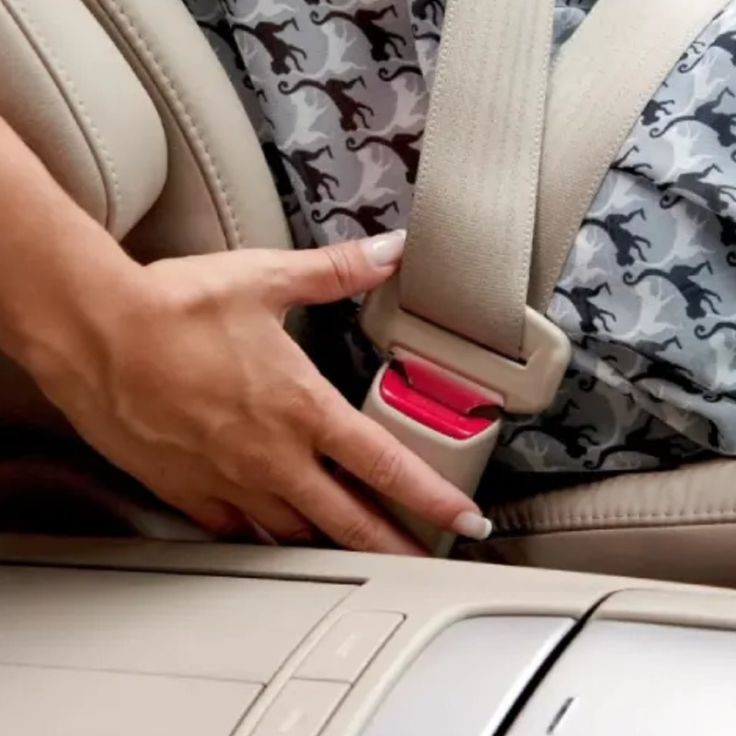
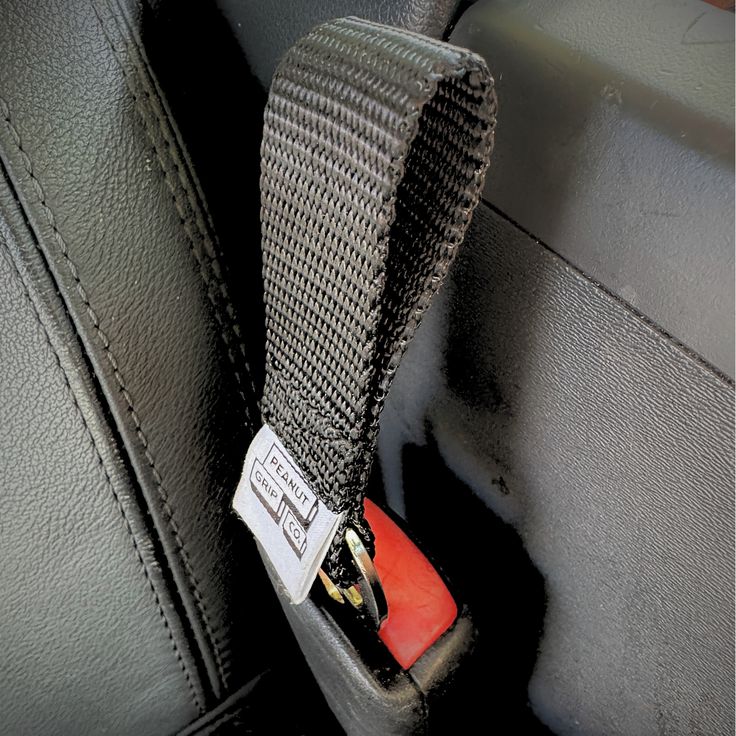
- Release Button: If the belt is still stuck, check if your vehicle features a seat belt release button on the buckle. Pressing this button can sometimes help disengage the lock.
Reset After Sudden Braking
- Turn Off the Engine: If your auto-lock engaged due to sudden braking, turn off the vehicle and put it in park. Allowing the car to sit without power may help reset the system.
- Attempt to Release Again: After turning off the engine, attempt to pull the seat belt once more.
Troubleshooting Common Seat Belt Issues
If the above steps do not resolve the situation, consider these additional troubleshooting tips:
Mechanism Inspection
- Visual Check: Inspect the seat belt assembly and retracting mechanism. Look for signs of wear, fraying, or broken parts that may affect functionality.
- Sound Assessment: While actively pulling the belt, listen for unusual sounds such as clicking or grinding. These noises can signal a mechanical issue.
Seeking Professional Assistance
- Consult a Mechanic: If your problem persists, don’t hesitate to seek the assistance of a professional. A qualified technician can evaluate your seat belt system, identify any underlying issues, and recommend repairs or replacements.
- Replacement Considerations: If the internal components or the seat belt itself is severely worn, consider replacing them to ensure continued safety.
Preventive Maintenance for Seat Belts
To avoid future issues with your seat belts, engage in regular maintenance:
Routine Inspections:
Conducting routine inspections of your seat belts is essential for ensuring their safety and functionality. Make it a habit to frequently check the condition of your seat belts for any signs of wear and tear.
Look for frayed edges, twists, or any unusual signs of damage that could compromise the integrity of the seat belt. Even minor frays could lead to significant safety issues if not addressed quickly.
Additionally, examine seat belts for any accumulated debris or dirt. Early detection of these problems can prevent them from escalating into more serious issues that may affect your ability to use the seat belts effectively in an emergency.
Cleaning the Seat Belts:
Regular cleaning of the seat belts is crucial to maintaining their condition and ensuring they function properly. Use a mild soap solution mixed with warm water to clean the fabric of the seat belts. Avoid harsh chemicals that could potentially damage the material.
Dip a soft cloth into the soap solution and gently scrub the seat belt fabric, focusing on any areas that show stains or dirt. Make sure to clean both sides of the belt to ensure thoroughness.
After cleaning, wipe the seat belts with a damp cloth to remove any soap residue, then allow them to air dry completely before retracting them. Regular cleaning not only enhances the appearance of the seat belts but also removes dirt that could obstruct any mechanisms, thus prolonging their lifespan.
Clear the Buckle and Mechanism:
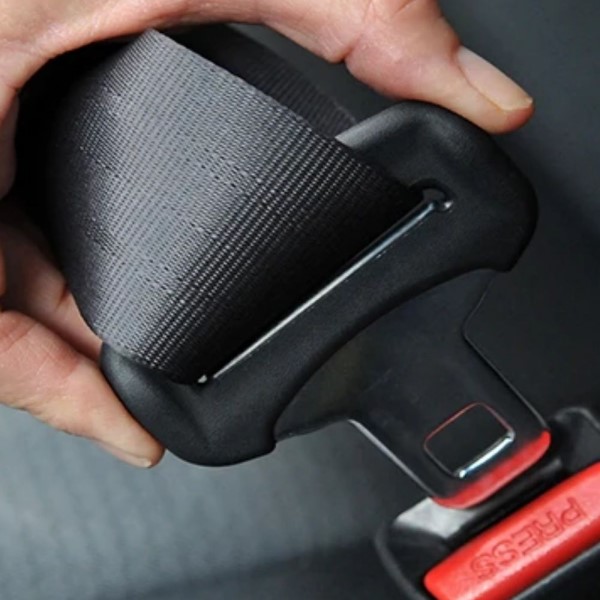
Ensuring the cleanliness of the buckle and retraction mechanism is just as important as taking care of the fabric of the seat belts. Regularly inspect the buckle area for any debris, lint, or small objects that may have become lodged there.
Use a soft cloth or a small brush to clean around the buckle and retraction area, making sure to remove any obstructions that could interfere with the seat belt’s operation. A dirty mechanism can prevent the seat belt from retracting properly and could cause it to jam.
By maintaining cleanliness around these crucial components, you help to ensure that the seat belts operate smoothly and reliably whenever needed. This proactive maintenance reduces the likelihood of unexpected seat belt issues during use and enhances overall safety for all passengers.
Frequently Asked Questions (FAQs)
- How do you get a seatbelt out of lock mode?
To release a seatbelt that is stuck in lock mode, first, check for twists or knots in the fabric. Gently pull the belt straight, and ensure the buckle is functioning properly. - How to deactivate a seat belt lock?
There is typically no manual way to deactivate a seat belt’s auto-lock feature, as it is designed to enhance safety. Instead, follow troubleshooting steps to release a locked seat belt. - Why won’t my seat belt buckle unlatch?
If the buckle won’t unlatch, it may be due to debris, misalignment, or a mechanical failure. Inspect the buckle and surrounding area for obstruction and clean it if necessary. - Is there a seatbelt release button?
Many modern vehicles feature a release button integrated into the seat belt buckle. Consult your vehicle’s manual to find its location and learn how to use it effectively.
Conclusion: Prioritize Safety and Maintenance
Knowing how to release seat belt auto-lock is an important skill for every driver. By familiarizing yourself with the mechanics of your seat belt system, following the steps outlined in this guide, and maintaining your belts regularly, you can avoid common issues and enhance your safety on the road.
Addressing seat belt malfunctions quickly not only improves your driving experience but also keeps you and your passengers safe. Remember to keep an eye on the condition of your seat belts and seek professional help if you encounter persistent issues. Stay informed, proactive, and committed to your vehicle’s safety features to ensure every journey is secure and enjoyable.