Introduction
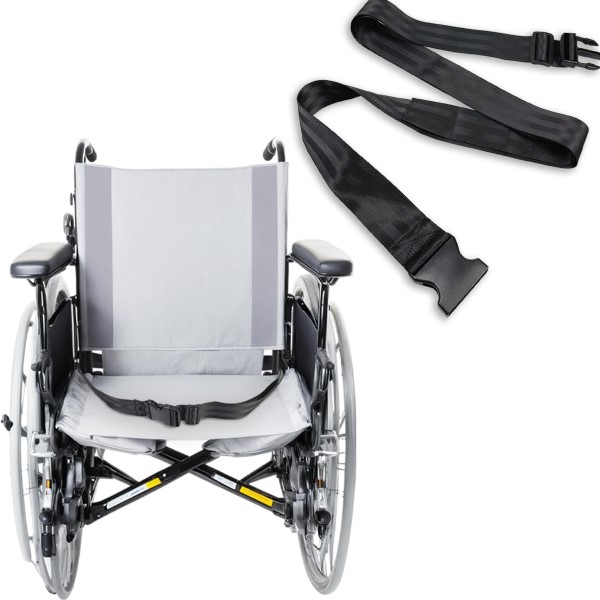
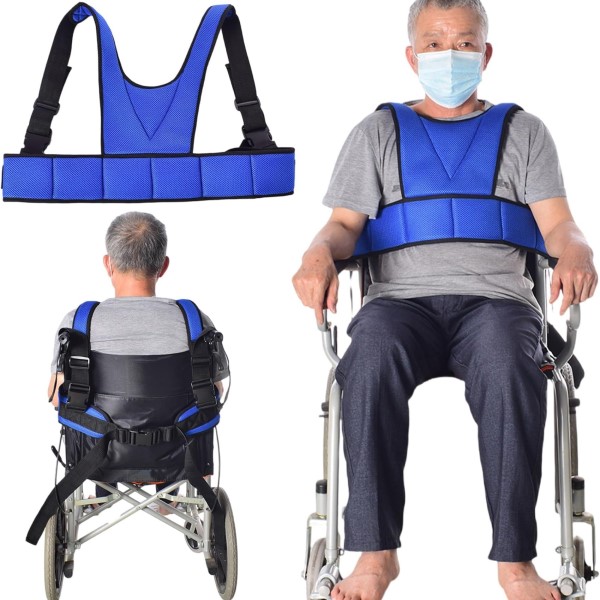
Wheelchair users often rely heavily on mobility aids for independence and safety. One critical aspect of wheelchair safety that is sometimes overlooked is the importance of a wheelchair seat belt. As we move into 2026, various innovative designs are emerging in the market, aimed at enhancing both safety and comfort for users. This article explores the latest trends in wheelchair seat belt designs, discussing their benefits, features, and what to consider for optimal safety. Understanding these innovations can help ensure a safer and more comfortable experience for wheelchair users and their caregivers.
The Importance
1. Ensuring User Safety
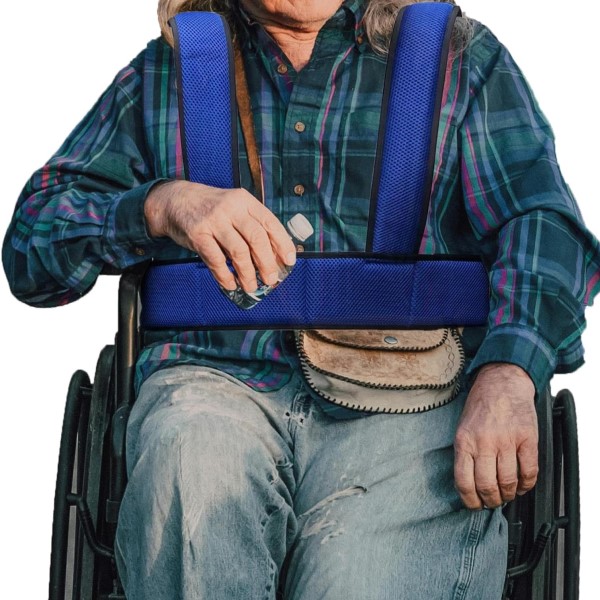
One of the main reasons for integrating a wheelchair seat belt is the necessity of user safety. With the right seat belt, individuals are securely positioned within their wheelchair, reducing the risk of falls, particularly during transport or sudden stops.
- Reducing Injury Risks: An effective wheelchair seat belt can prevent users from sliding out of their wheelchair during sudden movements. This minimizes the risk of injury, especially in transport situations where abrupt stops may occur.
- Assisting Caregivers: Properly secured users can help caregivers focus on managing the wheelchair instead of worrying about the user’s positioning during travel. The added security provides peace of mind for everyone involved.
2. Enhancing Comfort and Support
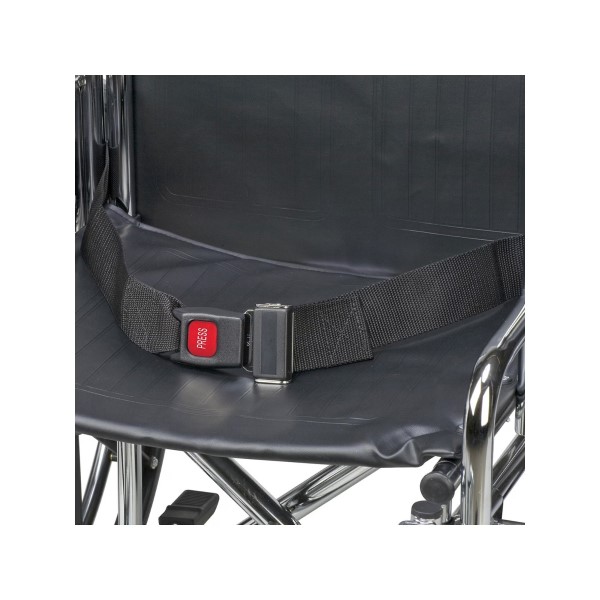
Aside from safety, a well-designed wheelchair seat belt also promotes comfort. Users should feel secure without being restricted or uncomfortable within the wheelchair.
- Adjustable Features: Innovative belts often feature adjustable components to cater to individual preferences and sizes. Customizing the fit can improve comfort, encouraging users to utilize the belts consistently.
- Comfort Materials: New designs may incorporate softer materials that provide comfort without compromising safety. Features such as padding or breathable fabrics can make prolonged usage more tolerable for users.
Innovative Trends in Wheelchair Seat Belt Designs
1. Smart Technology Integration
One of the biggest trends for 2026 is the integration of smart technology into wheelchair seat belts. These advanced features can include alert systems and real-time monitoring to enhance safety significantly.
- Safety Alerts: Smart seat belts may include alarms that activate when the seat belt is unbuckled or if the user is improperly seated. This ensures that caregivers remain aware of the user’s status at all times.
- Tracking Systems: Some designs may introduce tracking technology that monitors the user’s position and overall safety. This data can be invaluable for caregivers who want to ensure consistent safety during transport.
2. Enhanced Buckling Systems
Traditional seat belt buckles can sometimes be difficult to fasten or unfasten, especially for individuals with limited dexterity. Therefore, innovative designs are focusing on developing easier, user-friendly buckling systems.
- Magnetic Fasteners: Magnetic buckles can simplify the process of securing and releasing the belt, allowing for one-handed operation. This is particularly beneficial for those with motor impairments.
- Quick Release Mechanisms: New designs are also incorporating quick-release features that allow caregivers to release the seat belt quickly if needed. This provides additional safety in emergencies without compromising security during normal use.
3. Customizable Designs
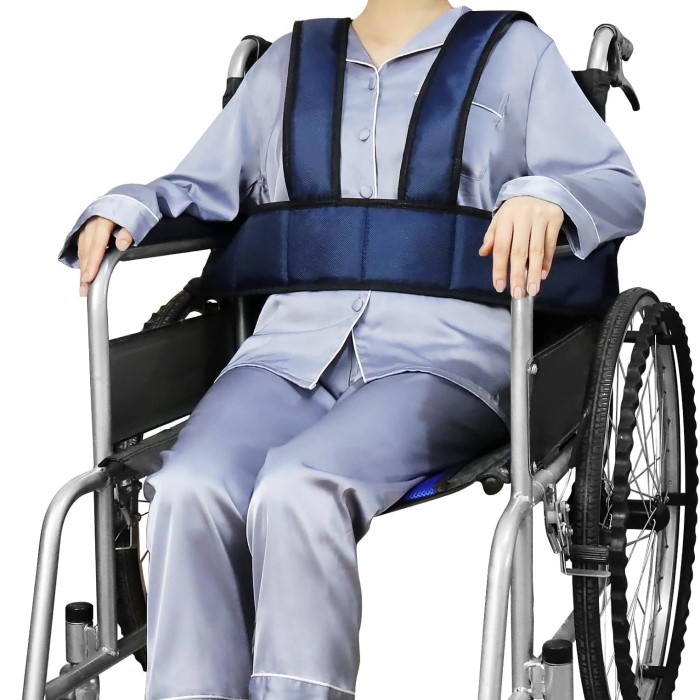
The recent trend of customization is spreading into wheelchair seat belts, where users can select belts that match their individual styles and preferences.
- Color and Design Choices: Every user has different aesthetic preferences. New options allow buyers to choose colors and patterns that appeal to their personal tastes, making the seat belt more enjoyable to wear.
- Personalized Fit: Customizable belts can cater to users’ specific needs concerning length, adjustability, and special features. By tailoring the seat belt to the user, caregivers and users can feel more comfortable and secure.
Selecting the Right Wheelchair Seat Belt
1. Factors to Consider
When choosing a wheelchair seat belt, several factors come into play to ensure optimal safety and comfort.
- Size and Fit: Selecting the right size is crucial. Seat belts should fit snugly without being overly tight or restrictive. Adjustable options can offer flexibility for various body types.
- Material and Padding: Check the material used in the seat belt. Breathable, padded materials will enhance comfort, especially for users who may sit for extended periods.
2. Safety Standards
Ensure that any wheelchair seat belt meets safety standards set by regulatory authorities. Research whether the product complies with applicable safety regulations before purchase.
- Testing for Safety Compliance: Some seat belts may undergo rigorous testing to meet safety standards. Choosing belts with safety certifications can enhance confidence in the product’s reliability.
- Manufacturer Reputation: Consider the manufacturer’s reputation and reviews. Products from trusted brands often have more comprehensive safety features and better quality assurance.
Caring for Your Wheelchair Seat Belt
1. Regular Inspections
Ongoing maintenance and regular inspections of wheelchair seat belts can ensure they function properly and remain safe for use.
- Check Durability: Periodically check for wear and tear, including fraying or damage to the belt fabric and buckling mechanism. Any signs of damage should prompt immediate replacement of the belt.
- Adjustments: Regularly ensure that the seat belt remains adjusted correctly. Sometimes, seat configurations change, prompting the need to readjust.
2. Cleaning and Maintenance
Cleaning the seat belt is necessary to maintain hygiene and ensure comfort for users.
Follow Care Instructions
- Importance of Adhering to Instructions: Following the manufacturer’s cleaning instructions is crucial for maintaining the integrity and functionality of the wheelchair seat belt. Each product may have specific care guidelines based on the materials used and the design of the belt. Ignoring these guidelines could lead to deterioration or reduced safety features.
- General Cleaning Methods:
- Wiping Down with Soap and Water: Many wheelchair seat belts allow for simple cleaning methods, such as wiping them down with a mild soap solution and warm water. This method effectively removes dirt, stains, and any surface grime without damaging the fabric.
- Spot Cleaning Techniques: For belts that may have localized stains or spills, spot cleaning is an effective technique. A gentle cleaner or fabric-safe stain remover can be applied to the affected area. It’s essential to test any cleaner on a small, inconspicuous part of the belt first to ensure that it doesn’t cause discoloration or damage to the fabric.
- Avoiding Harsh Chemicals: Always avoid using harsh chemicals or abrasive cleaners when cleaning the seat belt. These can deteriorate the fabric, compromise its strength, or lead to skin irritation for the user.
Drying
- Ensuring Complete Dryness: After cleaning the seat belt, it is crucial to ensure that it is completely dry before it is used again. Moisture left on the seat belt can not only lead to discomfort for the user but can also create a breeding ground for bacteria and mold.
- Methods for Drying:
- Air Drying: The safest method for drying a cleaned seat belt is to hang it in a well-ventilated area. Air drying allows moisture to escape naturally without the risk of damaging the fabric from excessive heat, as would be the case when using a dryer.
- Avoid Direct Sunlight: While it’s important to dry the seat belt thoroughly, it is advisable to avoid direct sunlight to prevent fading or weakening of the material over time. Instead, opt for a shaded area where airflow can aid in the drying process.
- Checking for Dampness: Before reattaching and using the seat belt, check for any remaining dampness by feeling the fabric. Ensuring complete dryness helps maintain comfort and reduces the risk of skin irritation.
Frequently Asked Questions
Can you put a seatbelt on a wheelchair?
Yes, you can use a seatbelt on a wheelchair. Many wheelchairs come equipped with safety belts, and additional wheelchair seat belts can also be added for safety during transport.
Do wheelchairs need a seatbelt?
While it is not legally required in all situations, having a wheelchair seatbelt is highly recommended for safety. It prevents users from sliding out during movement or sudden stops.
Is the MimiBelt legal?
The legality of specific seatbelt designs such as the MimiBelt will depend on local regulations and the intended use of the belt. Always check local laws regarding safety equipment in wheelchairs.
Is a wheelchair seatbelt a restraint?
A seatbelt can be considered a form of restraint, but its primary purpose is to ensure safety during transport. Unlike restraining devices that may limit movement unnecessarily, a properly fitted seatbelt provides security while allowing mobility.
Conclusion
In summary, the evolution of wheelchair seat belt designs presents exciting trends for enhancing safety and user comfort. As we explore innovations such as smart technology, customizable options, and improved buckling systems, it is evident how these advancements significantly benefit users and caregivers alike. Understanding these elements empowers individuals to make informed choices when selecting wheelchair accessories.
Investing in the right wheelchair seat belt is essential for ensuring safe and enjoyable mobility. By staying informed about the latest trends and caring for the equipment properly, wheelchair users can enhance both their safety and comfort during transport. Embrace these innovations for a better, more secure experience in mobility.