Introduction: The Importance of Crampons for Snow Activities
When engaging in snow activities such as hiking, climbing, or mountaineering, having the right equipment is crucial. One essential piece of gear that can dramatically enhance safety and performance is crampons for snow. Designed to provide traction on icy and snow-covered surfaces, crampons can be the difference between a successful outing and a dangerous slip. In this article, we’ll explore everything you need to know about choosing the right crampons for snow activities, how to use them effectively, and their benefits.
What Are Crampons?
Understanding the Basics
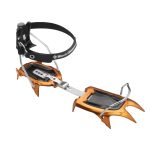
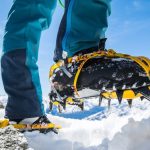
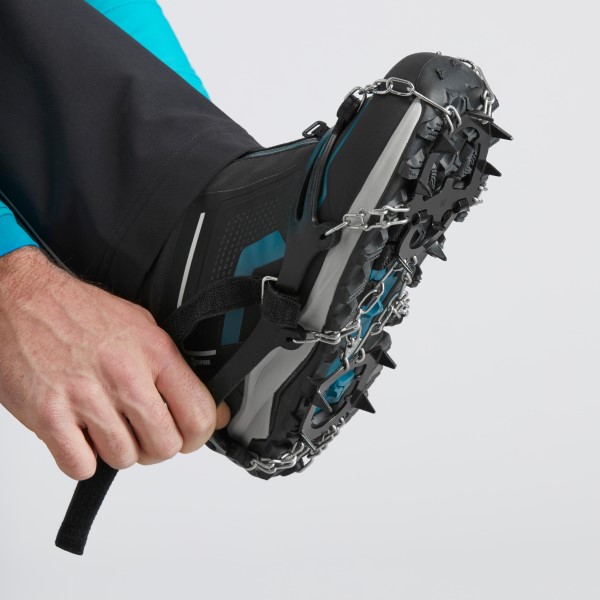
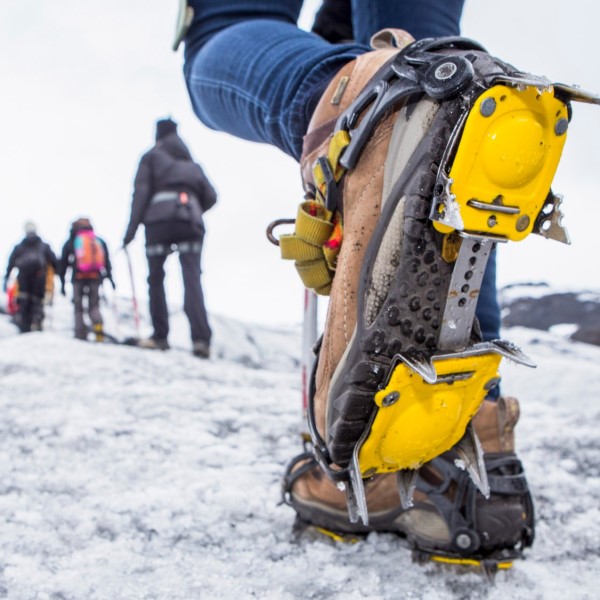
Crampons are traction devices that attach to the soles of your footwear, typically designed for walking or climbing on snow and ice. They come equipped with metal spikes (or points) that dig into the snow or ice, providing grip and stability.
- Types of Crampons:
Crampons can vary by design, with the most common types being strap-on, step-in, and hybrid models. Strap-on crampons use adjustable straps to secure to various types of footwear, making them versatile. Step-in crampons are usually more suitable for specific mountaineering boots that have a compatible attachment system, while hybrid models offer a mix of both features. - Common Materials:
Most crampons are made with lightweight yet durable materials such as aluminum or steel. Steel crampons are often favored for their durability on ice, whereas aluminum is suitable for lighter activities on softer snow.
Choosing the Right Crampons for Snow
Factors to Consider
Selecting the right crampons requires considering several factors that align with your specific needs and activities.
Type of Activity
- Different Crampon Specifications
- Various snow activities require specific features and specifications for crampons.
- Understanding the nature of your planned activity is crucial in selecting the right type of crampon for optimal performance and safety.
- Versatile Strap-On Crampons
- For simple snow hikes, versatile strap-on crampons may be sufficient.
- These types of crampons are easy to attach and detach, making them great for casual hikers who may encounter mild icy conditions.
- Serious Ice Climbing and Mountaineering
- If your plans involve serious ice climbing or mountaineering, investing in durable step-in crampons becomes essential.
- These crampons offer better stability and performance on steep, icy surfaces, significantly improving safety during challenging climbs.
- Essential for Optimal Safety
- Choosing the right type of crampon correlates directly to your safety while engaging in snow activities.
- Properly suited crampons minimize the risk of slipping, which is especially important when navigating challenging terrains.
- Activity-Specific Advice
- Consulting with experienced climbers or guides can provide insights into the most suitable crampons for your specific activity.
- Tailoring your equipment to the activity ensures you are well-prepared and enhances your overall experience.
Compatibility with Footwear
- Importance of Compatibility
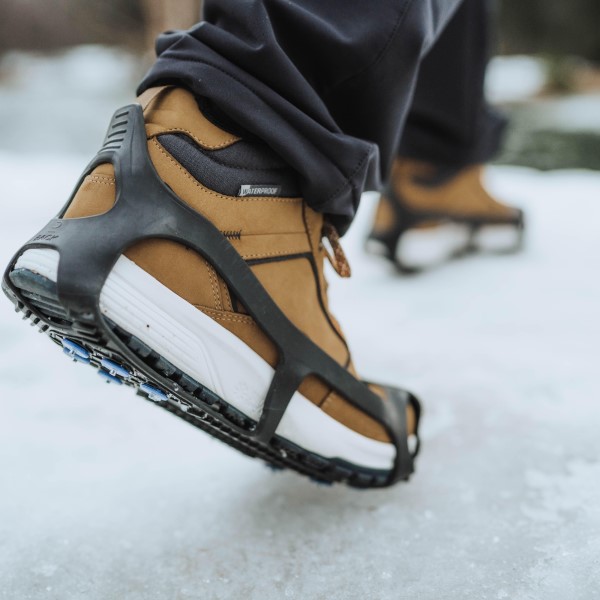
- Before purchasing crampons, it is crucial to check their compatibility with your footwear.
- This pre-check ensures that you select gear that will work effectively and safely together.
- Specific Boot Designs Required
- Some crampons are designed to fit specific boot styles, particularly those with rigid soles.
- Crampons that do not fit properly can lead to ineffective performance and potential safety hazards during use.
- Verification Process
- Verify whether your existing footwear meets the requirements for the crampons you intend to purchase.
- This may involve checking the manufacturer’s specifications and recommendations for compatibility.
- Choosing the Right Crampon Type
- Based on your footwear, select the type of crampon that best matches your boots, whether they are strap-on or step-in.
- A proper fit will improve your control and stability while traversing icy terrains.
- Testing Fit Before Use
- If possible, try fitting the crampons onto your boots before hitting the trail, ensuring that they attach securely and comfortably.
- This simple test can prevent difficulties or discomfort when you are out in the field.
Weight and Packability
- Weight Considerations
- Consider the weight of your crampons, particularly if you are planning a long trek.
- Heavier crampons can add unnecessary strain, making your hike or climb more tiring than necessary.
- Energy Conservation
- Lightweight crampons allow for easier maneuverability and help conserve energy during extended activities.
- This efficiency is crucial for those looking to maintain stamina on long hikes or climbs.
- Packability Features
- Look for packable designs that can be easily stored in your backpack when not in use.
- Crampons that fold down or come with compact storage solutions can greatly enhance portability.
- Convenience During Adventures
- Easy-to-pack crampons contribute to an overall lighter and more convenient adventure experience.
- Minimizing bulk in your pack helps with organization and quick access to gear when required.
- Assessing Crampon Designs
- When shopping for crampons, assess the design for weight and packability to find options that meet your specific travel and activity needs.
- An ideal choice balances functionality with portability, supporting efficiency during your outdoor escapades.
Tips for Effective Use of Crampons
Proper Attachment
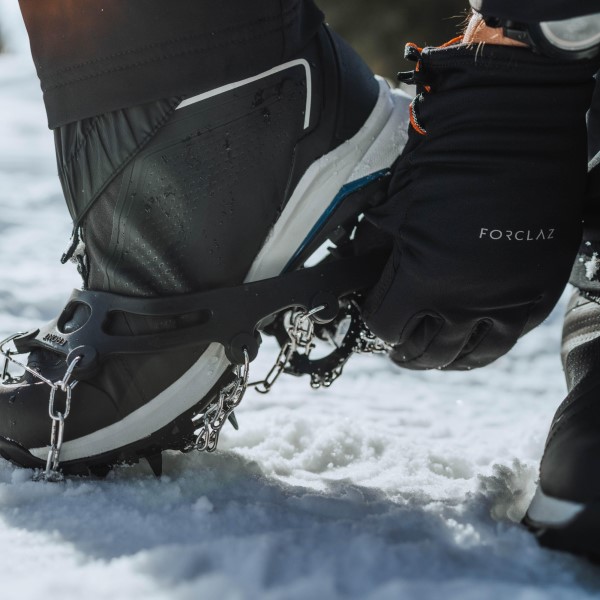
After choosing the right crampons, learning how to attach them correctly is vital for their performance.
- Follow Instructions:
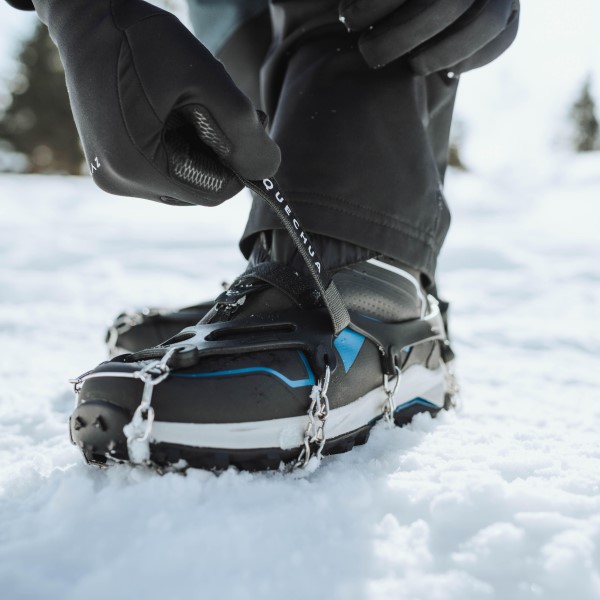
Read the manufacturer’s instructions carefully before attaching your crampons. Ensure that the points are facing the correct direction, usually towards the front for maximum effectiveness. - Secure Fastenings:
When securing the crampons, make sure they are tightened properly. Loose crampons can shift during movement, leading to potential slips. Additionally, check the fittings frequently during your activities to maintain secure attachments.
Safety Considerations
Using crampons safely is crucial when navigating icy terrains.
Assessing Terrain
- Importance of Terrain Assessment:
Before undertaking any snow activity, it is crucial to evaluate the terrain you are about to navigate. Every snowy environment presents different challenges, and understanding the conditions can significantly enhance your safety and efficiency. - Identifying Snow Conditions:
Determine the type of snow you are dealing with. Is it hard-packed and icy, soft and powdery, or slushy? Hard and icy conditions typically warrant the use of crampons for added traction, while soft or slushy snow may not require them, as the risk of slipping is reduced. - Recognizing Safe Travel Areas:
Some areas may pose additional risks, such as steep inclines, slick surfaces, or hidden obstacles beneath the snow. Before advancing, take the time to scan the environment for these potential hazards. Look for signs of previous travelers, such as footprints that indicate it’s safe or areas that appear to be untraveled and may be unstable. - Making Informed Decisions:
Based on your assessment, decide whether using crampons is necessary. If the terrain is predominantly flat and the snow is soft, it might be safer and more comfortable to forgo the crampons. Conversely, if you come across icy patches or steep slopes, equipping your crampons becomes essential for maintaining traction and ensuring safe navigation. - Communicating with Your Group:
If you are traveling with a group, share your assessment with fellow adventurers. Ensure that everyone understands the conditions ahead and agrees on the appropriate equipment needed for the journey. Collaboration improves safety and allows for shared decision-making.
Practice Efficient Techniques
- Importance of Proper Technique:
Using straps or spikes effectively is as important as having the right gear. Practicing efficient techniques while walking with crampons can significantly reduce the risk of slipping and falling. Proper technique not only enhances your stability but also optimizes the performance of your crampons. - Weight Distribution:
When advancing on snow or ice, it is vital to maintain your weight on your heels or the center of your foot. Distributing your weight this way allows the spikes on the crampons to dig into the snow or ice properly, maximizing their grip. - Avoiding Heel Lifting:
While walking, avoid lifting your heels too high as this can destabilize your position and reduce the effectiveness of the crampons. Keep your foot close to the surface to maintain contact with the spikes, which will enhance traction. - Practice Makes Perfect:
Before tackling steep slopes or difficult terrain, take the time to practice walking with crampons on flat or gently inclined surfaces. Familiarize yourself with the feel of the crampons and how they interact with the ground. This practice will help build confidence and comfort for more challenging situations. - Utilizing Short Steps:
When navigating tricky spots, consider taking shorter steps as this can help to maintain balance and control. Smaller steps allow for better weight distribution as you adjust your footing, reducing the likelihood of sudden slips. - Staying Vigilant:
While walking with crampons, stay alert to your surroundings. Continuously assess the condition of the ground below you, looking for changes in snow texture or steepness, and adjust your techniques accordingly.
Benefits of Using Crampons
Enhanced Traction and Stability
One of the most significant advantages of using crampons is the enhanced traction they provide.
- Prevention of Slips:
The metal spikes of crampons dig into the snow and ice, reducing the likelihood of slipping. This benefit is crucial for novice hikers and climbers who may be inexperienced on slick surfaces. - Improved Agility:
With increased stability underfoot, users can navigate steep or uneven terrain with more confidence. Crampons allow for rapid movement, enabling climbers to ascend or descend slopes efficiently.
Versatility in Activities
Crampons for snow offer a practical solution for various winter activities.
- Adaptability:
Many crampons are versatile enough to be used for multiple activities, including ice climbing, snowshoeing, and hiking. This adaptability makes them an excellent investment for winter sports enthusiasts. - Year-Round Use:
Some crampons can be beneficial for spring or fall hikes on icy trails, making them a year-round tool rather than a seasonal necessity.
FAQs About Crampons for Snow
When not to use crampons?
Crampons should not be used on soft snow or dry trails, where the ground does not pose a slip hazard. Their use is unnecessary when the terrain is more forgiving, and they can even hinder movement in such conditions.
What is the difference between snowshoes and crampons?
While snowshoes distribute weight over a larger surface area to prevent sinking into deep snow, crampons provide traction and grip on icy surfaces. Snowshoes are ideal for fluffy snow, whereas crampons excel in icy, hard-packed conditions.
Can you put crampons on any shoe?
Not all shoes are compatible with crampons. Most crampons require rigid shoes or boots with a specific design to ensure a secure fit and safety. Always check the manufacturer’s guidelines to confirm compatibility.
Conclusion: Maximize Your Snow Adventure with Crampons
In summary, choosing the right crampons for snow activities is vital for maximizing traction and safety during winter adventures. By understanding the different types available and how to use them effectively, you can enhance your experience in snow-covered terrains.
Investing in quality crampons, practicing proper techniques, and being aware of safety considerations can make a significant difference in your winter outings. With the right gear and knowledge, you can confidently explore the great outdoors, regardless of the icy conditions. Embrace your winter adventures and enjoy the process of discovering the beauty of nature, armed with the right tools for success!