Introduction: Understanding the Health Concerns of Pencil Lead
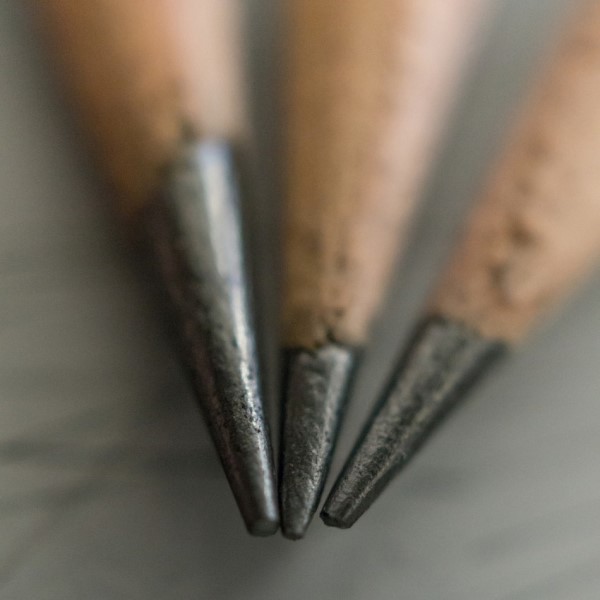
The question “can pencil lead kill you?” often springs up, especially among parents, teachers, and art enthusiasts. Pencils, the everyday writing and drawing tools, are often thought to contain hazardous materials that could pose a risk to health. However, the term “pencil lead” can be misleading. In reality, what we call pencil lead is primarily graphite mixed with a binder. Consequently, the health concerns associated with it require clarification. This article aims to dispel myths surrounding pencil lead and provide factual information related to its safety and health implications.
The Composition of Pencil Lead
1. What is Pencil Lead Made Of?
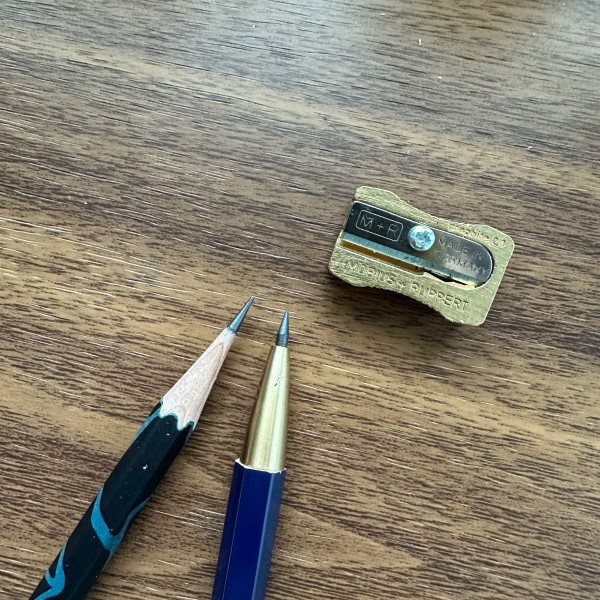
- Graphite and Clay: Contrary to popular belief, pencil lead does not contain any actual lead (the toxic metal). Instead, it comprises a mixture of graphite and clay that gives pencils their writing quality. The consistency of this mixture determines the hardness or softness of the pencil.
- Understanding Graphite: Graphite is a form of carbon. It has been used for various purposes, including lubricants, batteries, and even as a moderator in nuclear reactors. Its non-toxic nature makes it safe for everyday use in art and writing.
2. Distinction Between Graphite and Lead
- No Toxicity Concerns: Because pencil lead does not contain lead, there is no risk of lead poisoning from the typical use of pencils. This fact addresses a common misconception about the dangers of using pencils.
- Safe for Children: Given the materials used, pencils are safe for children and adults alike. It is essential to educate children about safe pencil use, specifically avoiding practices that could lead to injuries, such as chewing on the pencil.
Common Myths Surrounding Pencil Lead
1. Can Pencil Lead Kill You?
- Fact vs. Fiction: Can pencil lead kill you? The idea that pencil lead can kill you is largely a myth. Pencil lead, being primarily made of graphite, poses no lethal risk under normal conditions. However, there are still some precautions to consider concerning injuries rather than toxicity.
- Misunderstood Risks: While excessive ingestion of any foreign substance is not advisable, the casual use of pencils does not lead to life-threatening situations. Thus, educational efforts should focus on proper usage rather than unfounded fears of lethality.
2. Can You Get Lead Poisoning from Pencil Stabs?
Injury Risks
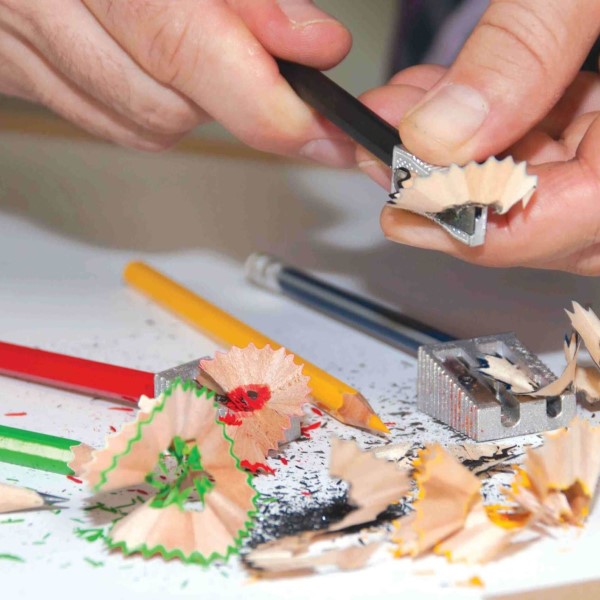
- Understanding the Risks of Puncture: When it comes to pencil-related injuries, a key concern is the risk of puncturing the skin. Although pencils are generally safe when used as intended, accidents can happen, especially with children or during playful activities.
- Potential for Infection: If a pencil punctures the skin, the most significant risk is not lead poisoning but rather the potential for infection. The skin serves as a protective barrier, and any breakage can allow bacteria to enter, leading to infection if not properly managed.
- Types of Injuries: Injuries caused by pencils can range from superficial scratches to deeper puncture wounds. Deeper wounds have higher risks associated with infection and can require more careful treatment.
- Assessing Severity: After an injury occurs, it is important to assess the severity of the wound. Minor scratches may require simple at-home care, while deeper puncture wounds may need medical evaluation.
- Lead Poisoning Clarification: It is important to clarify that the graphite used in pencils is non-toxic and does not pose a poisoning risk. Concerns over lead poisoning stem from outdated understandings of pencil materials; modern pencils do not contain lead.
Immediate Actions
- Cleaning the Wound: If a pencil punctures or stabs the skin, the first step is to clean the area immediately. Use mild soap and clean water to wash the wound thoroughly, as this helps remove any foreign particles and reduces the risk of infection.
- Stopping Bleeding: If the puncture causes bleeding, apply gentle pressure with a clean cloth or bandage until the bleeding subsides. Keeping the area clean and dry is essential for proper healing.
- Applying Antiseptic: After cleaning, apply an antiseptic solution or ointment to the area to prevent infection. Most over-the-counter antiseptics are effective and easy to use.
- Covering the Wound: If the wound is still open or bleeding, cover it with a sterile bandage or adhesive bandage. This protection helps keep dirt out and provides a barrier against potential infection.
- Seeking Medical Attention if Necessary: In cases of deeper puncture wounds, persistent bleeding, or signs of infection (such as redness, swelling, or pus), it’s crucial to seek medical attention. A healthcare professional can assess the wound and determine whether additional treatment, such as stitches or antibiotics, is necessary.
- Wound Care Education: Teaching children about proper wound care is essential. This education can help them understand what to do in case of minor accidents and instill a sense of responsibility regarding their safety.
- Focusing on Proper Response: Emphasize that the primary focus after an injury should be wound care rather than initial concerns about lead exposure. This focus will encourage a calm, responsible response to injuries, allowing for effective management.
Understanding Graphite and Toxicity
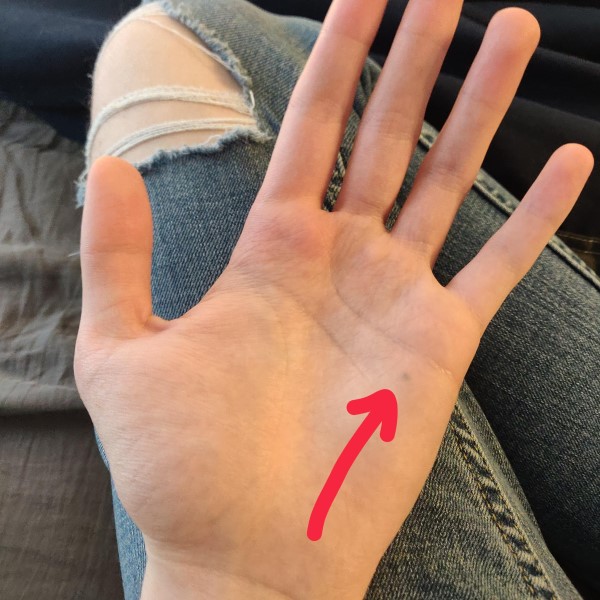
1. What Happens If Pencil Lead Goes in Your Skin?
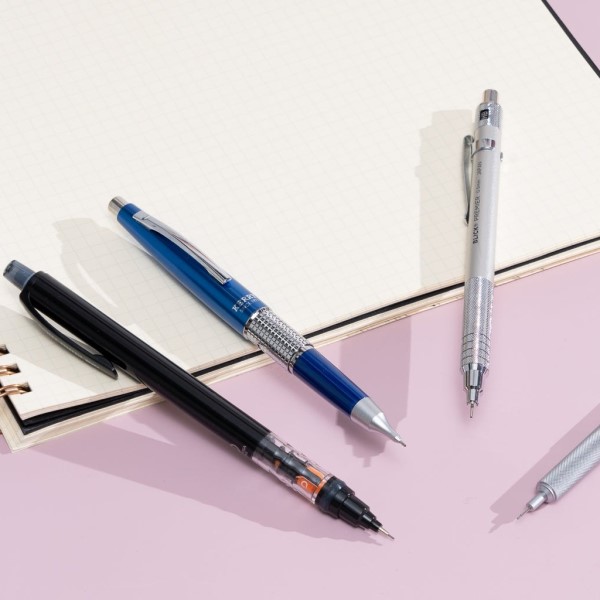
- Potential Wound Infections: Can pencil lead kill you? If pencil graphite pierces your skin, it typically does not introduce toxic elements. However, foreign objects can lead to complications if not cleaned properly, resulting in infections.
- Cleaning and Care: If a pencil tip breaks off and gets lodged in the skin, seek medical attention. Although it’s unlikely to cause severe issues, it’s always best to err on the side of caution.
2. Can the Body Break Down Graphite?
- Body’s Response to Graphite: Graphite is largely inert when it comes to the human body. If ingested or introduced through minor abrasions, the body generally does not respond adversely.
- Processing Foreign Materials: The body can typically process small, non-harmful materials effectively. In the instance of minor exposure, the body generally expels it naturally without complications.
Health Implications of Pencil Use
- Ingestion Considerations: What happens if you eat a tiny bit of lead, or in this case, graphite? While ingestion of any foreign body is not advisable, in the case of pencil graphite, minimal quantities might pass through the digestive system without serious effects.
- Education and Safety: It’s essential to educate young children on proper pencil usage and discourage them from chewing or ingesting pencil materials, not due to the lead but rather the potential for choking or dental injury.
Tips for Safe Pencil Use
Instruct Children Properly
- Promote Safe Pencil Habits: Educating children about proper pencil use is essential to minimize the risk of injury. Discuss with them the importance of handling pencils carefully and treating them as writing tools rather than toys.
- Use as Intended: Make it clear that pencils are designed solely for writing and drawing. Emphasize the risks associated with using pencils for activities such as throwing or aiming them at others.
- Avoiding Projectiles: Teach children that using pencils as projectiles can lead to accidents, including injuries to themselves or others. Explain that even a harmless-looking pencil can cause harm if thrown.
- Discouraging Biting: Discuss the dangers of biting down on pencils, such as dental damage or ingesting small fragments. Encourage them to express their feelings through words rather than using their pencils as chew toys.
- Role-Playing Scenarios: Engage in role-playing exercises where you demonstrate safe and unsafe practices with pencils. This interactive approach reinforces the lessons and helps children understand the consequences of unsafe behavior.
Store Pencils Safely
- Use Containers for Storage: To keep pencils organized and prevent accidents, use containers or pencil cases for storage. This method not only keeps the pencils secure but also makes them easily accessible for the child.
- Avoid Loose Storage: Storing pencils loose in backpacks or drawers can lead to accidental punctures or injuries. Encourage children to always return pencils to their designated storage areas after use.
- Child-Proof Storage Areas: Make sure that storage areas for pencils are accessible but also safe from other potential hazards. For example, keep pencil containers out of reach of toddlers who might be inclined to put objects in their mouths.
- Educate on Proper Storage: Teach children the importance of returning pencils to their storage spots instead of leaving them around. Reinforcing this habit helps create a safer environment.
Monitor Pencil Conditions
- Regularly Check Pencil Condition: Make it a routine to inspect pencils for signs of wear or damage. Check for broken tips, splintered wood, or loose erasers that can result in injury.
- Identifying Issues: By examining pencils frequently, you can identify potential hazards before they become real problems. For instance, jagged tips can cause cuts or scratches, while broken pencils can lead to choking hazards.
- Replace Damaged Pencils Promptly: If a pencil is found to be damaged, replace it immediately. Having a stock of replacement pencils ensures that children always have safe writing tools available.
- Encouraging Responsibility: Teach children to recognize when their pencils are no longer safe to use. Instill a sense of responsibility in them regarding their writing tools, encouraging them to inform an adult when a pencil needs replacing.
- Store Unused Pencils Properly: When not in use, encourage children to store their pencils properly. Flat surfaces can scratch surfaces or be a hazard if left lying arou
Conclusion: Clarifying Misconceptions About Pencil Lead
In summary, the notion that can pencil lead kill you is more myth than reality. Understanding the composition of pencil lead—the graphite that fills the pencil—eliminates many of the fears associated with pencil use. While it’s important to treat any item that provides a risk of injury carefully, graphite in pencils does not pose a poison risk. By being educated and proactive about safety, you can mitigate the potential risks associated with pencils. Always remember to prioritize safety features regarding instruments, and ensure that children are well-informed about responsible use. Enjoy your writing and drawing experiences with pencils, assured of your safety!