Introduction
In today’s fast-paced world, driving has become an integral part of our daily lives. Whether for commuting to work, running errands, or embarking on road trips, being prepared for vehicle-related emergencies is crucial. A dependable car repair kit is essential for any vehicle owner and can be a lifesaver during unexpected situations. This article will discuss why a car repair kit is not just a luxury but a necessity for emergency preparedness in 2026. We will explore its components, benefits, and how it can ease stress when facing car troubles.
Having a well-equipped car repair kit can make all the difference when you encounter issues on the road. Not only does it provide peace of mind, but it can also save you time and money. Let’s delve into the various aspects of car repair kits, their contents, and how they help enhance your preparedness for emergencies.
The Components of a Comprehensive Car Repair Kit
A reliable car repair kit should contain essential tools and items that enable you to perform basic repairs and maintenance. Understanding what to include in your car repair kit will equip you to handle various situations with confidence.
1. Basic Tools for Repairs
A car repair kit should include fundamental tools that are critical for basic repairs. Here are some key tools you shouldn’t overlook:
Wrenches and Sockets
1. Importance of Wrenches and Sockets
Having a comprehensive set of wrenches and sockets is crucial for anyone engaging in vehicle repairs or maintenance. These tools are indispensable for loosening and tightening bolts, which are common tasks when working on cars. Their versatility makes them fundamental components of any automotive repair kit.
2. Variety of Sizes
It’s essential to have wrenches and sockets in various sizes. Different vehicles may use differently sized bolts, so a complete set ensures you’re prepared for any situation. This includes:
- Metric Sizes: Metrics are commonly used in many foreign cars and some domestic models. Including sizes such as 10mm, 12mm, and 14mm will cover many standard bolts.
- Imperial Sizes: Some older vehicles or specific American makes may utilize imperial measurements (inches). Sizes like 1/4”, 3/8”, and 1/2” should be part of your toolkit to provide compatibility with these vehicles.
3. Ratchets and Extensions
In addition to standard wrenches and sockets, consider investing in ratchets and extensions. Ratchets allow for rapid loosening or tightening of bolts without needing to reposition the tool continuously. Extensions can help reach bolts in tight spaces, making your work more efficient and less frustrating.
4. Ensuring Proper Fit
When using wrenches and sockets, it’s crucial to ensure that they fit snugly onto the bolts to prevent stripping or rounding. This fitting can save time and effort and allow for more effective repairs.
Screwdrivers
1. Essential Screwdriver Types
A variety of screwdrivers is necessary for tackling miscellaneous tasks encountered during vehicle repairs. Different types of screws require different types of screwdrivers, including:
- Flathead Screwdrivers: These screwdrivers are designed for slotted screws and enable you to apply torque to screws effectively. They have a simple blade that fits into the groove of slotted screws, facilitating easy insertion and removal.
- Phillips Screwdrivers: The Phillips screwdriver has a cross shape, allowing for better grip and torque, especially in high-tension situations. This tool is common for modern vehicles, and having various sizes can accommodate different applications.

2. Other Screwdriver Variants
In addition to flathead and Philips screwdrivers, considering additional types can enhance your toolkit:
- Torx Screwdrivers: These have a star-shaped head and are commonly used in automotive applications to prevent slipping. They provide a secure fit for many modern vehicle components.
- Stubby and Ratcheting Screwdrivers: Stubby screwdrivers are ideal for accessing tight spaces, while ratcheting screwdrivers allow for quicker adjustments without needing to reposition the tool constantly.
3. Quality Matters
When selecting screwdrivers, opt for high-quality forged metal tools that can withstand significant torque without bending. Ergonomically designed handles can also improve comfort during long repair sessions.
Pliers
1. Versatility of Pliers
Pliers are invaluable tools in any car repair kit, known for their versatility in various tasks. They are essential for a range of applications, including:
- Grasping: Pliers can securely hold objects while you work, making them useful for bending, twisting, or holding items in place. This ability is vital when handling delicate components or during intricate repairs.
- Cutting: Many pliers come with cutting edges that can slice through wires or small fasteners. This feature is especially useful for performing electrical work or modifying parts.
- Twisting: Pliers can effectively twist wires together or manipulate metal components, greatly assisting in repairs that require precision and control.
2. Types of Pliers
To ensure versatility, a few different types of pliers should be included in your toolkit:
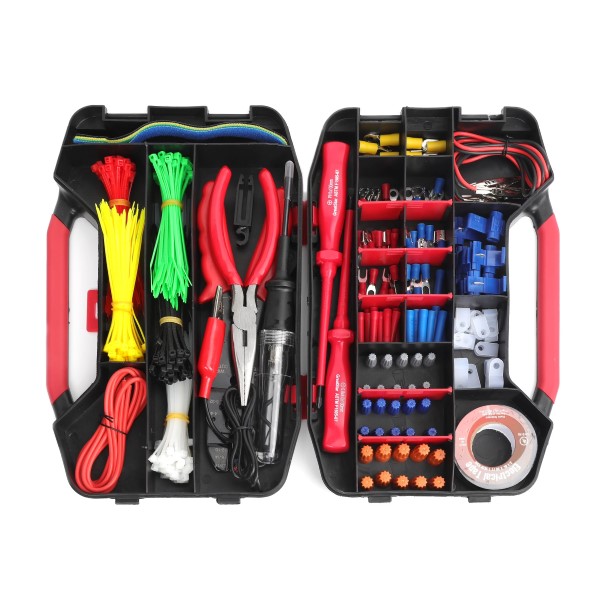
- Slip Joint Pliers: These adjustable pliers can grip various sizes of nuts and bolts, making them incredibly useful across many repair scenarios.
- Needle-Nose Pliers: Designed with long, thin jaws, needle-nose pliers are ideal for reaching tight spaces and manipulating small objects, making them invaluable for automotive work.
- Wire Cutters: These pliers are specifically designed for cutting through wires cleanly and should be included for electrical repairs.
3. Choosing the Right Pliers
Selecting high-quality pliers with comfortable grips enhances control and reduces fatigue during extended use. Look for pliers made from durable materials that can withstand rigorous use while maintaining effectiveness.
2. Tire Repair Essentials
Flat tires are frequent issues for drivers, so including tire repair items in your kit is necessary:
- Tire Pressure Gauge: A tire pressure gauge is essential for monitoring tire pressure regularly. Proper tire inflation ensures safety and fuel efficiency.
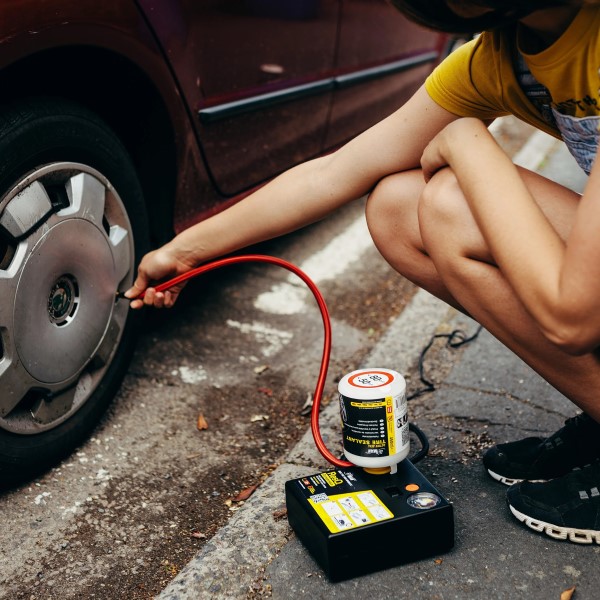
- Tire Sealant: Emergency tire sealant can temporarily repair punctures, allowing you to continue driving until you can reach a service station.
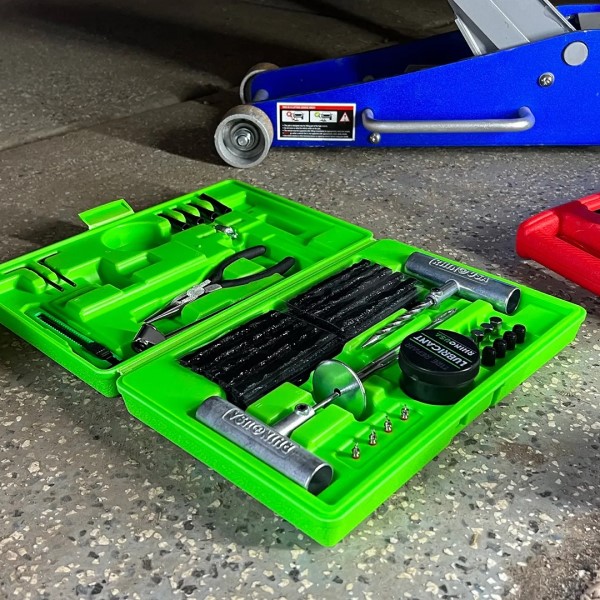
- Jack and Lug Wrench: A jack and lug wrench are essential for changing flat tires. Ensure your kit includes a reliable jack to lift your vehicle safely.
3. Emergency Supplies
Car emergencies can sometimes extend beyond mere mechanical issues. Be prepared for emergencies with the following supplies:
- First Aid Kit: Keeping a first aid kit in your car is essential for managing minor injuries. Stock it with bandages, antiseptics, and other medical items.
- Flashlight: A flashlight is crucial for visibility during nighttime emergencies. Make sure to include extra batteries or consider rechargeable options.
- Flares or Warning Triangle: These items can alert other drivers in case of roadside trouble, enhancing your safety.
4. Optional Additions for Convenience
While the basic tools and supplies are essential, consider adding features that provide extra convenience and assistance:
- Jump Starter: A portable jump starter allows you to restart your battery without needing another vehicle. This equipment is invaluable in case of a dead battery.
- Multi-Tool: A multi-tool combines various tools in one gadget. It can be helpful for unforeseen repairs and adjustments.
- Duct Tape: Duct tape is versatile and can temporarily fix almost anything. It might save you in an emergency.
The Benefits of Having a Car Repair Kit
Investing in a car repair kit brings several benefits, ultimately enhancing your peace of mind when driving.
1. Enhanced Safety
A well-prepared car repair kit promotes safety, especially while traveling long distances or driving in unfamiliar areas. Being equipped provides confidence that you can address minor issues safely.
2. Cost-Saving Potential
Having a car repair kit can save you money on repairs. Minor problems can often be resolved on your own, avoiding the cost of professional mechanics. This financial benefit makes owning a kit a wise investment.
3. Improved Confidence
Knowing that you have the tools and supplies to handle unexpected vehicle problems allows you to feel more confident when driving. This sense of assurance reduces anxiety, enabling you to enjoy your time on the road.
4. Community and Sharing
A well-stocked car repair kit allows for the opportunity to help fellow drivers in need. When you’re prepared, you can assist others during roadside emergencies, fostering a sense of community.
Choosing the Best Car Repair Kit
Selecting the ideal car repair kit for your needs is crucial. Consider the following factors when deciding:
1. Assess Your Vehicle’s Needs
Evaluate your car type and any specific requirements based on its make and model. Some vehicles may necessitate specialized tools that typical kits do not include.
2. Quality Over Quantity
While it may be tempting to purchase inexpensive kits, prioritize quality. Opt for kits that contain durable tools and materials that can withstand regular use.
3. Portable Size
Ensure that your car repair kit is compact enough to fit easily in your trunk without occupying too much space. A reusable, organized bag is ideal for keeping everything in one convenient location.
4. Consider Brand Reputation
Choose kits from reputable brands known for producing reliable tools and equipment. Reading reviews and checking ratings can provide insight into the effectiveness of particular kits.
FAQs
What is a repair kit in a car?
A repair kit in a car typically refers to a collection of tools and supplies used for basic vehicle maintenance and repairs. It should include essential items like screwdrivers, wrenches, tire repair tools, and emergency supplies.
What is the list of car accessories?
Common car accessories include floor mats, seat covers, phone mounts, and emergency kits. These add-ons enhance comfort, safety, and functionality while driving.
What is the best car scratch repair kit?
The best car scratch repair kit varies based on user reviews and specific needs. Look for kits that include wax, polish, and scratch removal pens for optimal results.
Conclusion
In conclusion, owning a car repair kit is essential for every vehicle owner, especially as we progress through 2026. The ability to handle common issues efficiently could mean the difference between a minor inconvenience and a more significant problem. As we discussed, having the necessary tools and supplies enhances your safety, saves money, and boosts your confidence on the road.
By investing in a well-equipped car repair kit, you not only prepare yourself for emergencies but also foster a sense of community by aiding fellow drivers in need. Don’t wait for a problem to occur; take the proactive step of assembling your car repair kit today. With the right tools by your side, you’ll always be ready to tackle unforeseen challenges on the road.