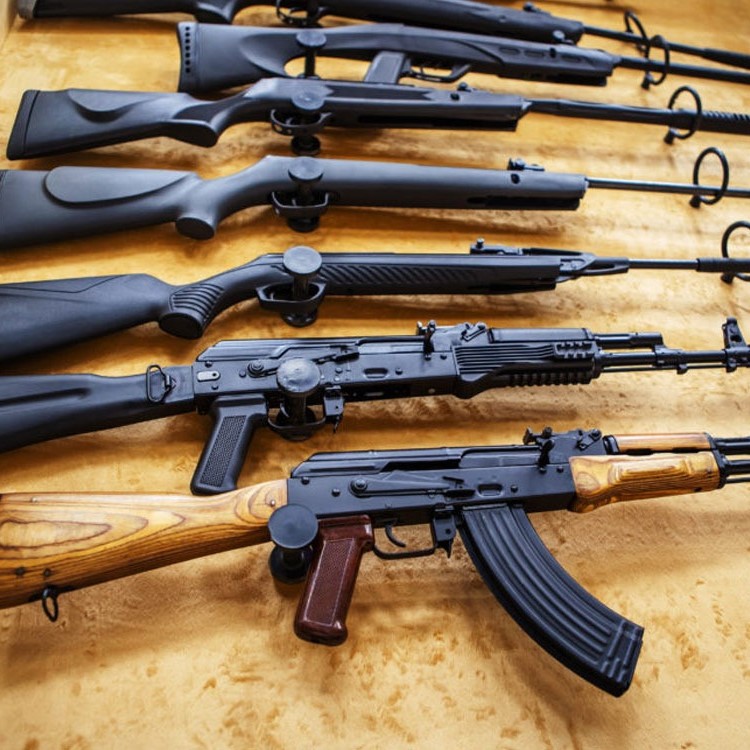
When it comes to outdoor activities, particularly hunting and sport shooting, rifles play a vital role. Understanding the types of rifle available is essential for any outdoorsman looking to make informed choices. Each rifle type offers distinct features and advantages tailored to various activities and preferences. In this article, we will explore the different types of rifle, their applications, and the considerations you should keep in mind when choosing the right one for your needs.

Understanding Rifle Types
Rifles can be categorized based on multiple factors, including action type, caliber, and specific purpose. By breaking down the classifications, you can find a rifle that best suits your activities. Here are some common categories of rifles:
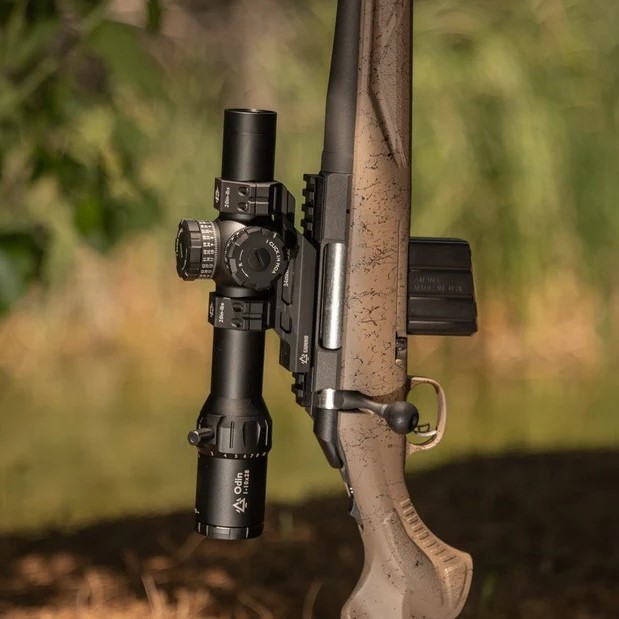
- Bolt-Action Rifles: Known for their accuracy and simplicity, bolt-action rifles feature a mechanism that requires the shooter to manually operate the bolt to chamber a round after each shot. These rifles are often preferred for hunting due to their precision, making them suitable for long-range shooting.
- Lever-Action Rifles: Lever-action rifles use a lever located around the trigger guard to cycle the action. They have a classic design, often seen in Western films, and are favored for their rapid follow-up shots. Lever-actions come in various calibers and are effective for both hunting and sport shooting.
- Semi-Automatic Rifles: Semi-automatic rifles automatically cycle the action after each shot, allowing the shooter to fire one round per trigger pull without manual operation. This type of rifle is commonly used for target shooting, hunting, and self-defense due to its quick firing capability.
- Pump-Action Rifles: Similar to shotguns, pump-action rifles require the user to push the forend back and forth to chamber a round. They provide a reliable and straightforward mechanism and are often used for hunting applications.
- Single-Shot Rifles: Single-shot rifles are designed to hold only one cartridge at a time. After firing, the shooter must manually load a new round before firing again. Although they may seem less efficient, many precision shooters appreciate their simplicity and accuracy.
Determining Your Needs: Purpose and Environment
When selecting a rifle, it’s crucial to consider the purpose for which you intend to use it. Different types of rifle excel in various environments or for specific activities. Here are common purposes and considerations:
- Hunting: If you’re an avid hunter, factors like caliber, weight, and portability are essential. Depending on your target game, you may require different calibers. For example, bolt-action rifles are ideal for big game, while smaller game may require a lightweight, quick-handling rifle.
- Sport Shooting: For competitive shooting or target practice, semi-automatic rifles are often preferred due to their rapid-fire capabilities and easy reloading. You may also consider the type of ranges you frequent since some facilities have restrictions on certain types of rifle.
- Self-Defense: If your primary use is self-defense, semi-automatic rifles or even tactical rifles may be your best option. Consider the rifle’s maneuverability and features that enhance quick targeting and handling.
- Collecting and Historical Significance: Many shooters appreciate the aesthetic and historical value of certain rifles, such as lever-actions or military surplus rifles. If this applies to you, pay attention to the craftsmanship, collector value, and historical context.
Factors to Consider When Choosing a Rifle
Acquiring a rifle requires careful consideration of several factors to ensure that you make an informed purchase. Here are a few critical aspects to keep in mind:
Caliber Selection
- Understanding Caliber: The caliber of a rifle refers to the diameter of the bullet and is a crucial factor in determining the rifle’s power and effectiveness for hunting. It is measured in either inches or millimeters.
- Larger Calibers for Big Game: Larger calibers, such as .300 Winchester Magnum or .338 Lapua, are generally more powerful and better suited for big game hunting. These calibers deliver higher energy upon impact, making them effective for taking down large animals like elk, moose, and bears.
- Smaller Calibers for Small Game: On the other hand, smaller calibers like .22 Long Rifle or .17 HMR are appropriate for small game or varmint hunting. These calibers produce less recoil and are ideal for shooting smaller animals like rabbits, squirrels, or groundhogs without excessive damage to the meat.
- Hunting Environment Considerations: When selecting a caliber, consider the type of environment you will be hunting in. Some calibers perform better in open, long-range settings, while others excel in dense, wooded areas where quick shots may be necessary.
- Personal Comfort and Skill Level: It’s essential to select a caliber that you feel comfortable shooting. If you are new to hunting, starting with a smaller caliber can help you build confidence and skill before moving on to larger calibers.
Weight and Size
- Importance of Weight: The weight of your rifle directly impacts its portability. If you plan to carry your rifle over long distances, a lightweight model is preferable. Lightweight rifles allow for easy transport and reduce fatigue during long hikes.
- Portability vs. Performance: While lightweight designs enhance mobility, ensure that they do not compromise performance. Look for rifles that balance weight with durable construction and reliability.
- Heavier Rifles for Stability: Conversely, heavier rifles offer a more stable shooting platform, especially during long-range shots or when shooting from a stationary position. The added weight can help reduce recoil, which may improve shooting accuracy.
- Choosing the Right Size: The overall size of the rifle matters too. Consider the length of the rifle, especially the barrel. Longer barrels may improve accuracy at long ranges, but they can also make the rifle cumbersome in tight spaces.
- Personal Preference: Ultimately, the choice of weight and size should align with your personal preferences and intended use. Spend time handling different models to find one that feels comfortable and suitable for your shooting style.

Ergonomics
- Comfort and Fit: The ergonomics of a rifle refer to how well the design fits the shooter’s body. A comfortable rifle can significantly enhance your shooting experience and improve overall accuracy.
- Adjustable Features: Look for rifles that feature adjustable components, such as buttstocks and cheek pieces, allowing you to customize the fit. A proper fit ensures that your eye aligns with the scope, improving your line of sight.
- Grip Design: The grip design plays a crucial role in how you handle the rifle. An ergonomic grip allows for a secure hold, which is vital for maintaining control when firing. Test various grip styles to see which feels most natural to you.
- Weight Distribution: Proper weight distribution affects how the rifle balances in your hands. A well-balanced rifle minimizes fatigue and enhances stability during use, allowing smoother operation and better aim.
- Reducing Fatigue: A comfortable and ergonomic rifle can reduce fatigue during longer shooting sessions. Painful pressure points or awkward handling can hinder performance, making it essential to focus on ergonomics when selecting a rifle.
Accessories and Customization
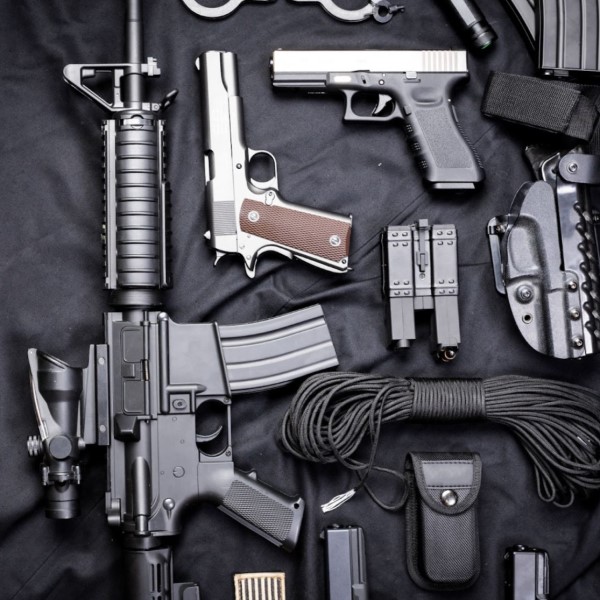
- Importance of Accessories: Rifles often benefit from various accessories that enhance their usability and performance. Common accessories include scopes, slings, bipods, and muzzle brakes, which can improve accuracy and handling.
- Evaluating Scope Options: A quality scope can significantly enhance your shooting experience, particularly for long-range shooting. Consider the magnification, objective lens size, and overall quality of the optics when selecting a scope.
- Slings for Carrying Ease: A good sling makes it easier to carry your rifle over long distances, freeing up your hands for other tasks. Adjustable slings allow for a comfortable fit and secure handling.
- Aftermarket Parts: Many shooters appreciate the ability to customize their rifles with aftermarket parts, such as upgraded triggers, stocks, or barrels. Research whether the rifle type you’re considering has readily available aftermarket options, as customization is a significant aspect of ownership for many.
- Personalized Enhancements: Customization allows you to tailor a rifle to your specific shooting style and preferences. Whether adding a personalized finish or specific attachments, ensure that the type of rifle chosen has a range of options for enhancements.
Maintenance and Care of Rifles
Owning a rifle involves more than just selecting the appropriate type; it requires ongoing maintenance and care. Proper care is essential for longevity and optimal performance. Here’s how to maintain your rifle effectively:
- Cleaning: Regularly clean your rifle to prevent fouling and corrosion. Use appropriate cleaning supplies, and understand the correct disassembly procedures based on the type of rifle you own.
- Storage: Store your rifle in a secure location, such as a gun safe, to protect it from unauthorized access. Maintain a controlled environment to prevent rust and degradation.
- Inspection: Periodically inspect your rifle for any signs of wear or malfunction. Pay attention to the barrel, action, and overall mechanics. Address any needed repairs promptly to ensure safety during use.
FAQs About Rifle Types
What are the 4 types of rifles?
The four main types of rifles are bolt-action, lever-action, semi-automatic, and pump-action rifles. Each type has unique mechanisms and advantages to suit different purposes.
What are different types of rifles?
Beyond the four primary categories, rifles can also be classified based on their intended use (hunting, sport shooting, self-defense) and specific design features. Examples include single-shot rifles and tactical rifles.
Which type of gun is AK-47?
The AK-47 is classified as a semi-automatic rifle. It is known for its reliability, durability, and ease of use, making it one of the most recognized firearms worldwide.
Is an AR-15 a rifle?
Yes, the AR-15 is indeed a type of semi-automatic rifle. It is popular for both recreational shooting and varmint hunting due to its versatility and customization options.
Conclusion
Understanding the various types of rifle available is essential for every outdoorsman. By assessing your needs, preferences, and intended use, you can make an informed choice that enhances your outdoor experience. Whether hunting, target shooting, or self-defense, the right rifle will serve you well for years to come.
Invest time in researching, trying different models, and considering factors that matter. With the right knowledge and preparation, you’re well on your way to finding the ideal rifle for your adventures. Explore responsibly and enjoy the true excitement of outdoor activities!