Understanding the True Nature of Black Bears
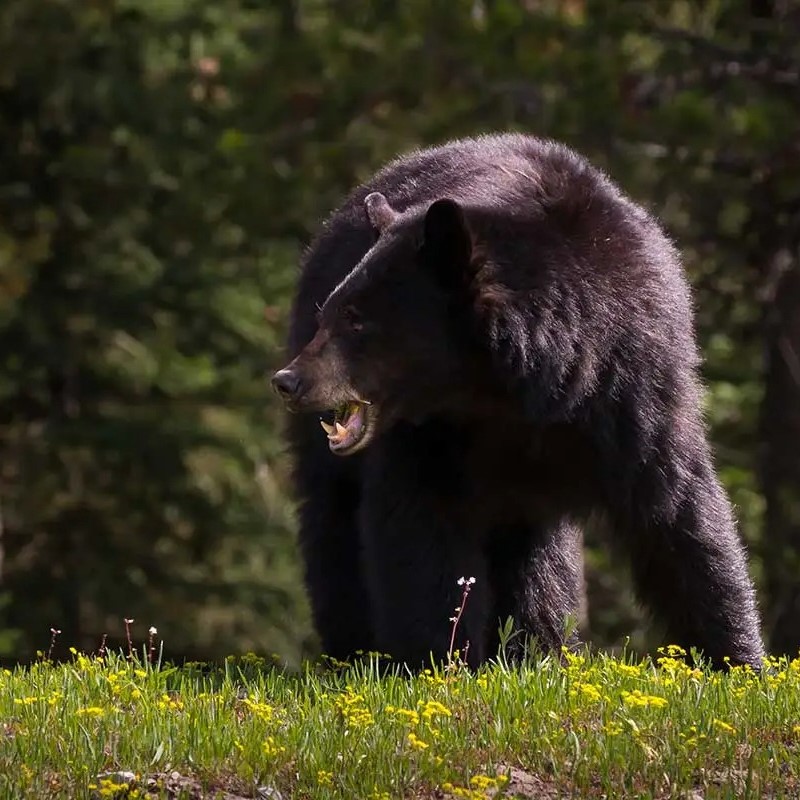
Many outdoor enthusiasts wonder about wildlife safety. Among the various creatures in the forest, the black bear stands out. Consequently, a common question arises in the minds of hikers and campers: how dangerous are black bears? The answer is not as straightforward as one might think. These animals are often misunderstood. People frequently view them as cuddly animals or ruthless killers. However, the reality lies somewhere in between. Generally, black bears are shy and elusive creatures. They prefer to avoid human interaction. Therefore, the risk of an attack is statistically very low. Millions of people visit national parks every year without incident. Nevertheless, ignoring the potential danger is foolish. Understanding their behavior is crucial for safety. Furthermore, knowing how to react during an encounter can save lives. This article aims to demystify the black bear. We will explore their behavior, the statistics behind attacks, and prevention strategies. By the end, you will have a clear understanding of the risks.
The Natural Temperament of the Species
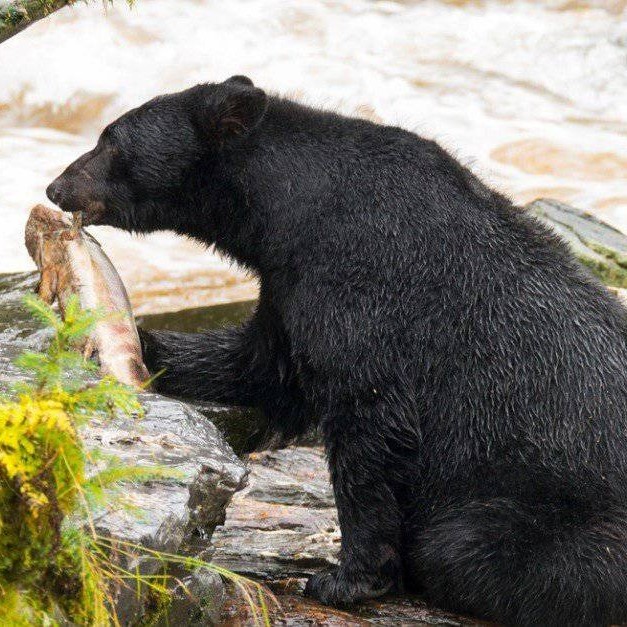
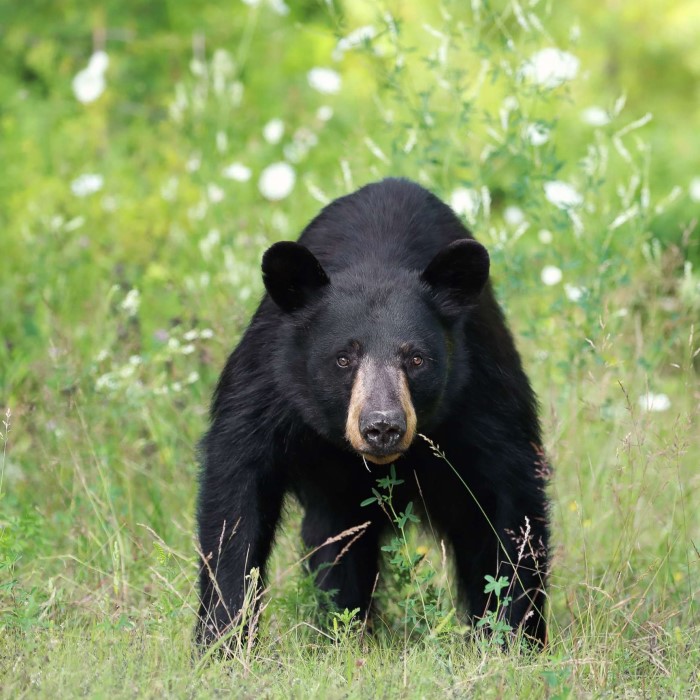
To assess the danger, we must first look at their nature. Black bears (Ursus americanus) are the most common bears in North America. Consequently, they have adapted to various environments. They are highly intelligent and curious animals. However, they are not naturally aggressive towards humans. In fact, they are often described as timid. When they hear humans approaching, they usually retreat. Therefore, many hikers never even see a bear despite being close to one. Their primary defense is flight rather than fight.
- Avoidance Behavior: Black bears use dense cover for protection. They detect humans from a distance and leave the area. This behavior reduces the chance of confrontation.
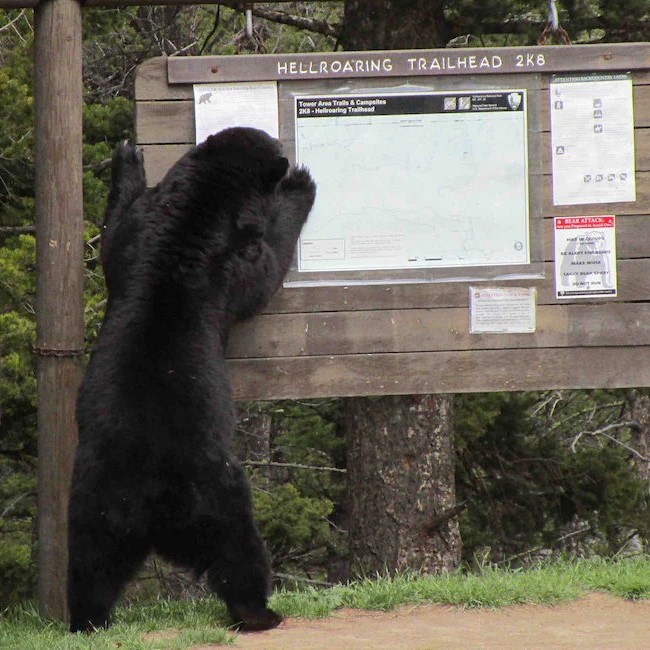
- Curiosity vs. Aggression: A bear standing on its hind legs is usually curious, not aggressive. It is trying to get a better look or scent. Therefore, this posture should not be seen as an immediate threat.
- Vocalizations: Black bears huff, snort, and slap the ground when nervous. These are warning signs. Consequently, they are telling you to back away.
Transitioning to their social structure, they are mostly solitary animals. Mothers with cubs are the only tight-knit groups. This brings us to a crucial point. A mother bear protecting her cubs is a dangerous animal. However, even then, she often gives warning signs first. Understanding this distinction is vital. Most encounters end with the bear running away. Thus, the perception of them as man-eaters is largely a myth. They are powerful animals deserving respect, not necessarily fear.
Analyzing the Statistics of Bear Attacks
Numbers provide a sobering perspective on the risk. While fear is common, actual attacks are rare. For example, fatal black bear attacks are incredibly uncommon. On average, they cause less than one death per year in North America. Consequently, you are more likely to be struck by lightning or injured by a bee. This statistical reality helps put the danger into context. However, low risk does not mean no risk.
- Comparison to Other Dangers: Domestic dogs cause far more injuries annually than wild bears. Furthermore, driving to the trailhead is statistically much more dangerous than the hike itself.
- Types of Incidents: Most incidents involve food conditioning. Bears that associate humans with food lose their natural fear. Therefore, the majority of “dangerous” encounters are preventable.
- Geographic Factors: Certain areas with high bear populations see more activity. However, even in these hotspots, the injury rate remains low compared to visitor numbers.

Transitioning to the nature of attacks, when they do happen, they are often defensive. The bear feels threatened or cornered. Predatory attacks, where a bear stalks a human, are extremely rare. In fact, they are virtually unheard of in black bears compared to brown bears. This distinction is important for knowing how to react. The statistics show that how dangerous are black bears depends largely on human behavior. Proper food storage and situational awareness mitigate the vast majority of risks. Therefore, knowledge is your best defense in the wilderness.
The Role of Food Conditioning and Human Behavior
The greatest danger often comes from human negligence. Black bears have an incredible sense of smell. They can detect food from miles away. Consequently, improperly stored trash or camp food attracts them. When a bear obtains human food, it learns a bad lesson. It associates people with easy meals. This is called food conditioning. A food-conditioned bear loses its fear of humans. Therefore, it may approach campsites aggressively.
- Habituation: Bears that frequent populated areas become habituated. They get used to the presence of people. This makes them bolder and less likely to retreat.
- The “Fed Bear is a Dead Bear” Adage: This popular saying is true. Bears that become a nuisance are often relocated or euthanized. Consequently, feeding a bear, intentionally or not, puts its life at risk.
- Prevention: Using bear-resistant containers is essential. Furthermore, never leave food unattended. Cooking away from your sleeping area is also a critical rule.
Transitioning to the consequences, a food-conditioned bear is unpredictable. It may bluff charge to get to a backpack. While it might not want to eat you, it can cause serious injury. It is powerful enough to kill with a single swipe. Thus, the danger escalates significantly when food is involved. Responsible camping is the only way to break this cycle. We must keep wildlife wild. This protects both the bears and the humans who enjoy the outdoors.
Defensive vs. Predatory Encounters
Understanding the difference between defensive and predatory behavior saves lives. Most black bear encounters are defensive. The bear is surprised or protecting its young. Consequently, it wants the threat to go away. It will huff, snap its jaws, or bluff charge. In these scenarios, the bear is saying, “Give me space.” Therefore, you should slowly back away while speaking calmly. Do not run, as this can trigger a chase instinct.
- Defensive Signals: Look for stressed body language. Ears laid back, head lowering, and excessive salivation are signs. The bear feels threatened.
- Predatory Signals: A predatory bear is silent. It may follow you for a distance. Its head is up and ears are forward. This behavior is extremely rare in black bears.
- Appropriate Response: For a defensive bear, use bear spray if it approaches. For a predatory bear, you must fight back with everything you have.
Transitioning to the response strategy, the advice changes based on the bear’s intent. If a defensive bear makes contact, do not fight back immediately. You might try to play dead, although this is more standard advice for grizzly bears. For black bears, fighting back is often the better choice if the attack persists. However, if a bear is stalking you, you must be aggressive. Make yourself look large. Shout and throw rocks. The key is to convince the predator that you are not easy prey. Recognizing these behaviors answers the question: how dangerous are black bears? They are only dangerous if we misinterpret their signals or if they have lost their natural fear.
Safety Tips for Hiking in Bear Country
Prevention is always better than reaction. When hiking in black bear country, make noise. This alerts bears to your presence. Consequently, they have time to move away before you see them. You can talk loudly, sing, or clap. This is especially important in dense brush or near rushing water. Additionally, travel in groups. Groups are noisier and appear more intimidating to bears. Therefore, attacks on groups are extremely rare.
- Bear Spray: Carry bear spray and know how to use it. It is a highly effective deterrent. Keep it accessible, not buried in your pack.
- Awareness: Watch for signs of bear activity. Look for scat, tracks, or torn logs. If you see fresh sign, be extra cautious.
- Avoidance: Do not approach bears for photos. Give them plenty of space. If you see a cub, leave the area immediately. The mother is likely nearby.
Transitioning to trail etiquette, stick to established trails. Bears often use trails too. Therefore, be alert at blind corners. Hiking during daylight hours is safer. Bears are most active at dawn and dusk. Consequently, planning your hike for mid-day reduces risks. These simple habits ensure a safe experience. They minimize the chance of a surprise encounter. Remember, a surprised bear is a dangerous bear. Alerting them to your presence is the courtesy they need to flee.
Camping Protocols to Minimize Risk
Camping requires a different set of rules. The “Bearmuda” triangle is a concept to learn. Set up your tent, cooking area, and food storage at least 100 yards apart. Consequently, food odors do not attract bears to your sleeping area. Never cook in or near your tent. The smells linger in the fabric. Furthermore, change clothes before sleeping if you cooked dinner. Store the clothes with your food.
- Food Storage: Use bear canisters or lockers. Hanging food is an option, but it requires skill. Therefore, canisters are more reliable.
- Trash Management: Pack out all trash. Do not bury it. Bears have an excellent sense of smell and will find it.
- Scented Items: Store toiletries like toothpaste and deodorant with your food. They smell like food to a bear. Consequently, lip balm or sunscreen can attract unwanted attention.
Transitioning to campsite selection, avoid camping near berry patches or animal trails. These are natural feeding grounds. Additionally, avoid walking around camp at night without a flashlight. You do not want to stumble upon a bear in the dark. These protocols significantly lower the risk. They ensure that the camp remains a safe haven. While the question how dangerous are black bears is valid, proper camping hygiene usually prevents conflict. A clean camp is a safe camp.
The Importance of Bear Spray and Deterrents
Many people wonder if they need a weapon. Firearms are effective but require skill and cool nerves under pressure. Furthermore, wounding a bear can make the situation much more dangerous. Therefore, bear spray is widely recommended by experts. It is a non-lethal deterrent. It creates a cloud of capsaicin. This irritates the bear’s eyes and respiratory system. Consequently, it stops the charge without causing permanent harm.
- Accessibility: Bear spray must be within reach. It does no good inside your backpack. Keep it on your belt or chest harness.
- Practice: Buy a practice canister. Practice drawing and aiming. Muscle memory is crucial in a high-stress situation.
- Wind Factor: Be aware of wind direction. If the spray blows back at you, you will be incapacitated. Therefore, aim slightly downward or to the side if possible.
Transitioning to other tools, air horns can be effective. The loud noise scares many bears away. Bangers are another option, but they carry a fire risk. Ultimately, bear spray is the most balanced tool. It provides a safety net for close encounters. It addresses the immediate danger effectively. Carrying it shows a responsible attitude towards wildlife safety. It shifts the balance of power back to the hiker. Thus, it is a must-have item in bear country.
Frequently Asked Questions About Black Bears
Could you fight off a black bear?
Yes, you can fight off a black bear if it attacks. Unlike grizzly bears, black bears are often deterred by aggression. If a black bear attacks, fight back with focus. Target the bear’s nose and eyes. Use rocks, sticks, or bear spray. Do not play dead during a black bear attack.
Which bear is most dangerous?
Many experts consider the polar bear to be the most dangerous. They are the only bear species that actively hunts humans. However, regarding North American encounters, the grizzly bear is often considered more dangerous than the black bear. Grizzlies are larger and more likely to fight defensively. Black bears are generally more timid.
How harmless is a black bear?
Black bears are relatively harmless if left alone. They are responsible for very few fatalities. Most black bears will run away when they see a human. However, they are wild animals. They are not harmless if they feel threatened or are food-conditioned. Treating them as harmless can lead to dangerous mistakes.
Why don’t you play Dead with a black bear?
You generally do not play dead with a black bear because they are less likely to make a defensive attack that stops once the threat is neutralized. If a black bear attacks, it is often predatory or a defensive fight to the finish. Therefore, playing dead is ineffective. Fighting back signals that you are not easy prey. This may cause the bear to break off the attack.
Summarize
In conclusion, the wilderness is a beautiful place. It offers peace and adventure. However, it is also the home of the black bear. We have explored the nature of these animals. We have analyzed the statistics. The answer to how dangerous are black bears is complex. They are powerful predators, but they are not mindless killers. Most conflicts arise from human error. Therefore, the danger is manageable. By respecting their space and securing our food, we can coexist safely. Always be prepared. Carry bear spray and stay alert. These habits ensure that both you and the bears remain safe. The forest is for everyone. Enjoy it with knowledge and respect.