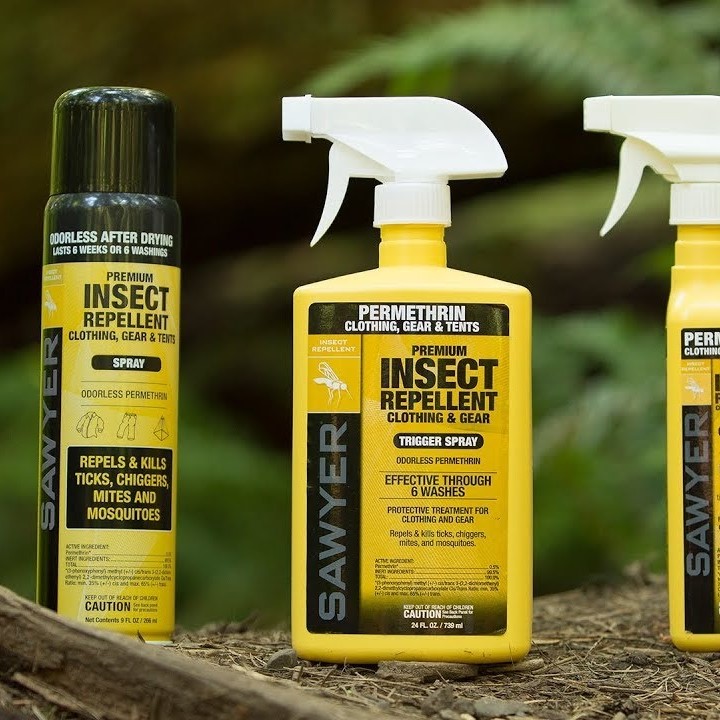
The Science Behind Permethrin Spray
Outdoor enthusiasts often face a hidden enemy. This enemy is small but dangerous. Ticks and mosquitoes can ruin a perfect hiking trip. Furthermore, they carry dangerous diseases like Lyme and West Nile virus. Therefore, protection is not just a luxury; it is a necessity. This is where permethrin spray becomes an essential tool. Unlike traditional repellents that you apply to your skin, this product treats your clothing. It acts as a powerful shield. When insects touch the treated fabric, they are affected quickly. Consequently, they fall off or die before they can bite. This creates a passive but highly effective barrier. Many people do not understand how it works. They think it is just another bug spray. However, the science is different. It bonds to the fibers of your clothes. Therefore, it remains effective even after multiple washings. This article will guide you through the correct usage. We will explore the science, the application process, and safety measures. By the end, you will know exactly how to stay safe outdoors.
Understanding the Mechanism of Action
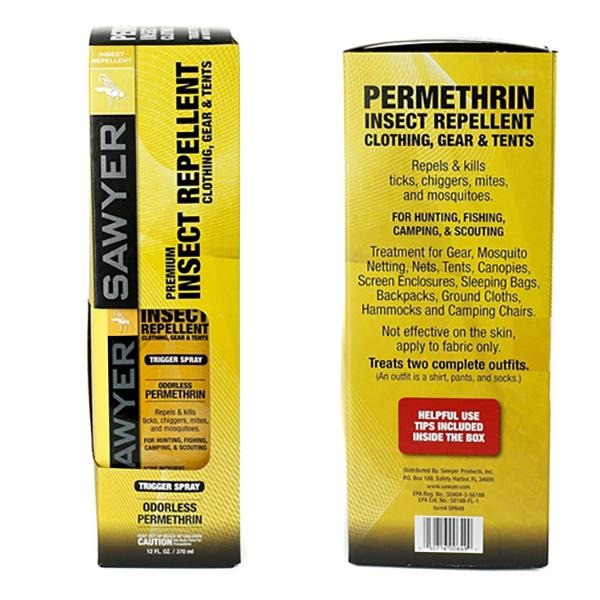
To use a product effectively, you must understand its mechanism. Permethrin is a synthetic chemical. It belongs to a family of chemicals called pyrethroids. These chemicals mimic the natural insecticidal properties of the chrysanthemum flower. Consequently, it is highly toxic to insects. However, it is much less toxic to mammals and birds. When an insect contacts the treated surface, the chemical attacks its nervous system. It causes paralysis and death. This is known as a “contact insecticide.” Therefore, the insect does not need to ingest it.
- Knockdown Effect: Insects are knocked down rapidly. They often fall off the fabric immediately. This prevents them from crawling to your skin.
- Repellency: Besides killing, it also repels. Many insects sense the chemical and avoid it entirely. Thus, they do not land on your gear.
- Duration: The molecule is stable on fabric. It does not evaporate quickly like skin repellents. As a result, it lasts for weeks.
Transitioning to the safety profile, humans process this chemical differently. Our skin absorbs it poorly. Furthermore, our livers break it down rapidly. This makes it safe for use on clothing. However, it is crucial to follow instructions. The mechanism relies on contact. Therefore, you must treat your gear thoroughly. Missing spots creates gaps in your defense. Understanding this mechanism helps you appreciate the product’s value. It is not just a scent; it is a chemical barrier. This barrier works silently to protect you.
Preparing Your Gear for Treatment
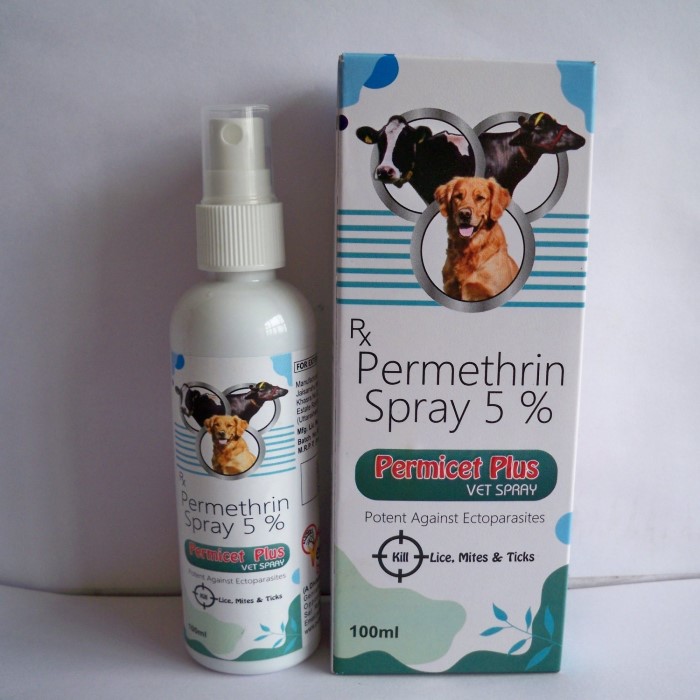
Preparation is the key to success. You cannot simply spray and hope for the best. First, you must select the right items to treat. Focus on items that you wear outdoors. Shoes, socks, and pants are the most critical. Ticks often climb from the ground up. Therefore, treating your lower body gear is vital. Next, you need the right environment. You should apply the spray outdoors. It needs good ventilation. Spraying indoors can contaminate surfaces.
- Clean Your Clothes: Wash your clothes before treatment. Dirt and oils can block the chemical from bonding to the fibers. Dry them completely.
- Check the Weather: Do not spray on a windy day. The wind will carry the mist away. Furthermore, rain will wash the chemical off before it dries. Choose a calm, dry day.
- Lay Out the Items: Lay your clothes flat on a surface. You can use a tarp or a piece of cardboard. This protects the ground from the spray. Also, it ensures even coverage.
Transitioning to the specific items, prioritize your “tick armor.” This includes gaiters, boots, and socks. For mosquitoes, treat shirts and hats. However, avoid treating the inside of hats. The contact with skin might be too prolonged. Instead, treat the brim. Preparation makes the application process smooth. It ensures that you do not waste the product. Additionally, it maximizes the safety of the application. Taking these steps shows responsibility. You are setting yourself up for effective protection.
Step-by-Step Application Process
Now, let us discuss the actual application. This process requires patience and attention to detail. You want to ensure every fiber is coated. Hold the permethrin spray can about 6 to 8 inches away from the fabric. This distance ensures a fine mist. Spray the surface until it appears slightly damp. Do not soak the fabric completely. A light, even mist is better than a heavy drenching.
- The Two-Pass Method: Spray the front of the garment first. Let it dry for a few hours. Then, flip it over. Spray the back. This ensures 360-degree protection.
- Focus on Seams: Insects often hide in seams. Therefore, pay extra attention to stitching. Spray along the seams of your socks and pants cuffs.
- Drying Time: Allow the clothes to dry completely. This usually takes about 2 to 4 hours. The chemical bonds to the fabric as it dries. Therefore, do not rush this step.
Transitioning to the quantity, how much should you use? A standard rule is to use 3 ounces of spray for one outfit. This includes a shirt, pants, and socks. If you use too little, the protection will be weak. If you use too much, you waste the product. Measure your usage accordingly. Once the clothes are dry, they are safe to wear. The chemical is now bonded to the fibers. It will not rub off on your skin easily. This process creates a long-lasting protective shield. You are now ready for the outdoors.
Safety Precautions and Best Practices
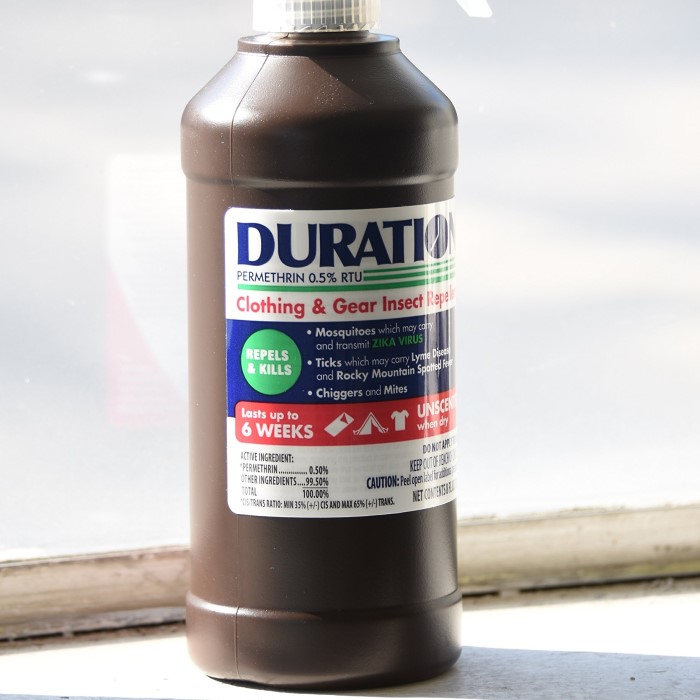
Safety is paramount when using chemicals. While permethrin spray is safe for humans when dry, the liquid form is potent. You must avoid inhaling the mist. Furthermore, avoid getting it on your skin while spraying. If you do get it on your skin, wash it off immediately with soap and water. The spray is designed for fabric, not skin. Therefore, never apply it directly to your body like a mosquito repellent.
- Pet Safety: This is a critical warning. Permethrin is highly toxic to cats. It can be fatal to them. Keep cats away while you are spraying. Furthermore, keep them away from the drying clothes. Once the clothes are dry, the risk is significantly lower. However, it is better to be safe. Store treated clothes away from pets.
- Aquatic Life: This chemical is toxic to fish. Do not spray near ponds or streams. Be careful not to contaminate water sources. This protects the ecosystem.
- Storage: Store the can in a cool, dry place. Keep it away from heat or flame. The propellant is often flammable. Therefore, storage safety is important.
Transitioning to general best practices, always read the label. Manufacturers provide specific instructions. These instructions are legally required and scientifically tested. Do not guess the dosage. Follow the directions precisely. If you have respiratory issues, consider wearing a mask during application. This prevents irritation. By following these safety measures, you protect yourself, your family, and the environment. Responsible use ensures that the benefits outweigh the risks. You can enjoy nature without worry.
Understanding Durability and Washing
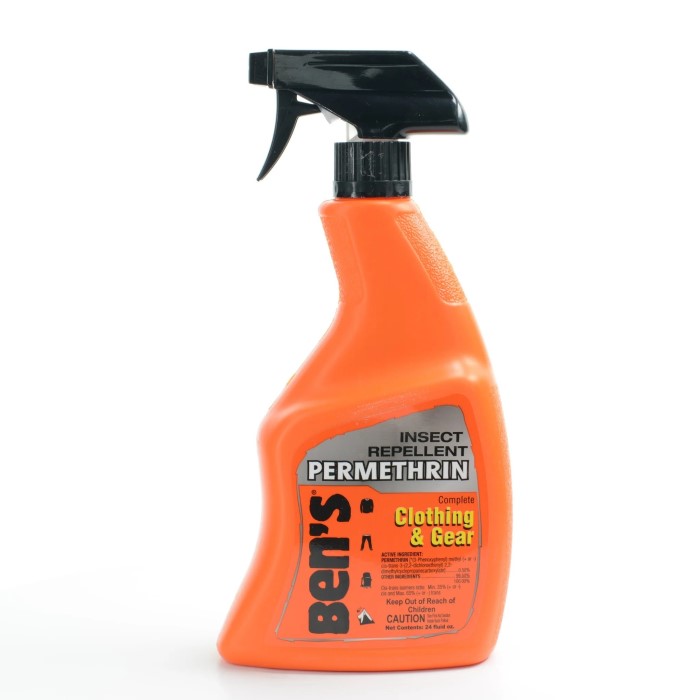
One of the biggest advantages of this product is its durability. Once applied, it does not wash off easily. The chemical bonds tightly to the fabric. Consequently, you can wash your clothes without losing protection. Most brands claim effectiveness for up to 6 weeks. This is equivalent to about 6 washings. This makes it very convenient for long trips. You do not need to reapply it every day.
- Washing Tips: Wash treated clothes separately. This prevents the chemical from transferring to untreated items. Use a standard detergent. However, avoid using bleach. Bleach can degrade the chemical structure.
- Dry Cleaning: Do not dry clean treated clothes. The solvents used in dry cleaning will strip the treatment. Therefore, stick to home washing.
- Inspection: After several weeks, check for effectiveness. If you notice insects landing and not reacting, it is time to re-treat. You can also mark the treatment date on the clothing tag.
Transitioning to storage, how you store your gear matters. Treated clothes can be stored for a year or more. The chemical remains stable. This is great for seasonal storage. You can treat your hiking gear in the spring. It will remain ready for the summer. However, exposure to direct sunlight can degrade the chemical over time. Therefore, store them in a dark closet. Understanding these factors helps you plan your protection strategy. It saves you time and money in the long run.
Common Mistakes to Avoid
Even with the best intentions, people make mistakes. One common error is spraying the product on the skin. As mentioned, this is not a skin repellent. It must be on fabric to work safely. Another mistake is spraying too little. A quick spritz is not enough. You need a thorough application. Otherwise, the insects will find the untreated spots. Furthermore, people often forget to treat their shoes. Ticks live on the ground. They grab onto your shoes first. Therefore, untreated shoes are an open invitation for ticks.
- Ignoring the Wind: Spraying on a windy day wastes the product. It also increases the risk of inhalation. Always check the wind direction.
- Wet Fabric: Applying to wet fabric dilutes the solution. The chemical cannot bond properly. Consequently, the protection fails. Always ensure the fabric is dry.
- Impatience: Not letting the clothes dry completely is a mistake. The chemical needs time to bond. Wearing damp clothes can cause skin irritation. It also reduces the effectiveness.
Transitioning to correction, if you make a mistake, fix it. If you spray too much, let it dry longer. If you spray your skin, wash it off. Learning from these common errors improves your safety. Do not rush the process. Take your time to do it right. This ensures that you get the maximum protection. Avoiding these pitfalls makes your outdoor experience much safer and more enjoyable.
Environmental Impact and Responsibility
We share the outdoors with nature. Therefore, we must use chemicals responsibly. Permethrin is a man-made compound. It does not occur naturally in the environment. It degrades quickly in soil and water. Sunlight also breaks it down. However, it is toxic to aquatic life. This means we must be careful near rivers and lakes. Never spray directly over water. Furthermore, be mindful of bees. Bees are vital pollinators. Permethrin is toxic to bees. Avoid spraying near flowers or beehives.
- Targeted Application: Apply only to clothing and gear. Do not spray the grass or bushes around your campsite. This is unnecessary and harmful to non-target insects.
- Disposal: Dispose of empty cans properly. Do not puncture or incinerate the can. Follow local regulations for aerosol disposal. This prevents pollution.
- Education: Educate others about proper use. Share this knowledge with fellow hikers. A community that understands safety protects the environment better.
Transitioning to the bigger picture, chemical use should always be a last resort for pest control. However, for ticks and disease prevention, it is often necessary. The risk of Lyme disease is significant. Therefore, the benefit of protection often outweighs the risk. But we must minimize the impact. By following these guidelines, you protect yourself and the ecosystem. You become a steward of the environment. This responsible approach ensures that our trails remain beautiful for everyone.
Frequently Asked Questions About Permethrin
Is permethrin spray safe for humans?
Yes, it is safe for humans when used as directed. You should apply it to clothing, not skin. Once the spray dries on the fabric, it bonds tightly. It does not easily transfer to the skin. The human body also breaks down permethrin quickly. However, you should always follow the label instructions.
What is permethrin spray used for?
It is primarily used for treating clothing and gear. It kills and repels insects like ticks, mosquitoes, and chiggers. Hikers, hunters, and outdoor workers use it to prevent insect-borne diseases. It is an effective barrier against pests that climb on clothing.
Is permethrin banned in the EU?
Yes, permethrin is banned for agricultural use in the EU. However, the regulations for personal use vary. Some countries allow it for treating clothing. It is important to check the specific laws in your country before purchasing or using the product.
Can I put permethrin on socks?
Yes, you can and should treat socks. Ticks often climb up from the ground. Treating your socks and shoes is a critical step. It stops ticks before they reach your legs. Ensure the socks are dry before wearing them. This provides excellent protection for your lower body.
Summarize
In conclusion, protecting yourself from insect-borne diseases is essential. The outdoors should be a place of joy, not danger. Permethrin spray offers a robust solution for hikers and nature lovers. It provides a shield that lasts for weeks. We have explored the science behind the product. We have also detailed the step-by-step application process. Safety is the most important factor. You must apply it correctly to ensure safety for yourself and the environment. Remember to treat your clothes, not your skin. Allow the fabric to dry completely. Be mindful of cats and aquatic life. By following these tips, you can enjoy nature with confidence. You will be prepared for any adventure. So, gear up and explore the wild safely.