Introduction
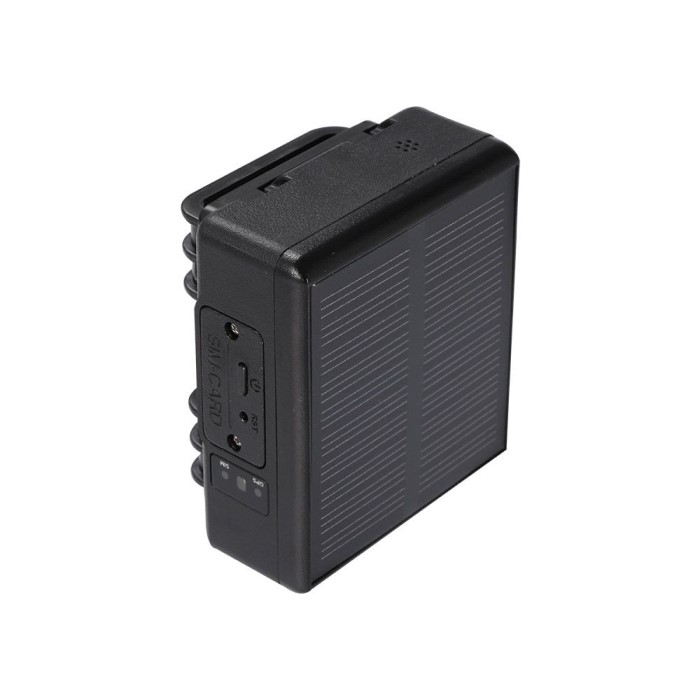
Solar GPS tracker is devices that combine GPS and solar energy technology. They are designed to track and monitor objects or locations efficiently using sustainable energy. These devices are widely used in various industries and have proven to be reliable tools for tracking purposes.
How Solar GPS Trackers Work
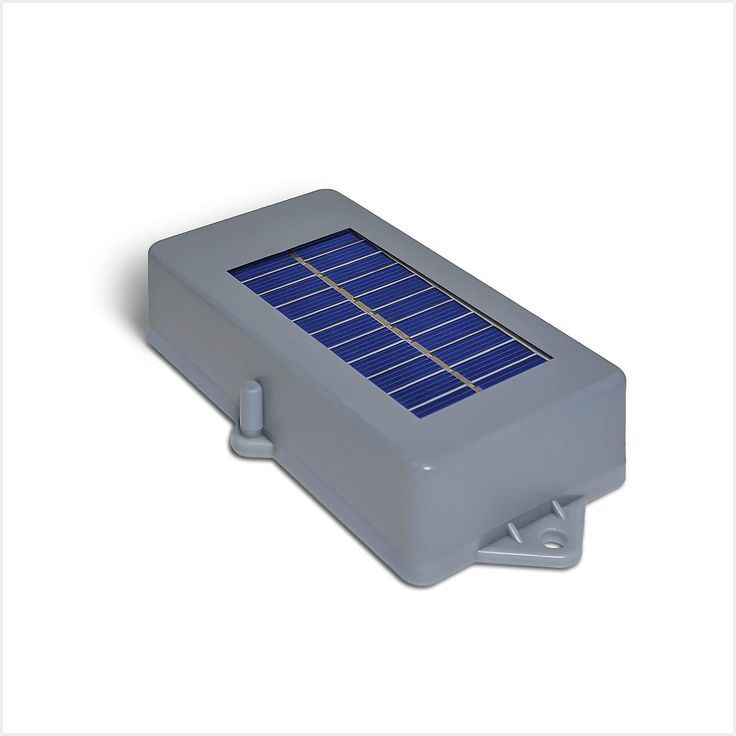
Solar GPS trackers use solar panels to capture sunlight and convert it into energy. This energy powers the GPS system, ensuring the tracker functions continuously. The GPS system collects location data and transmits it in real-time, which makes tracking possible. Stored energy in rechargeable batteries is used during nighttime or insufficient sunlight conditions.
Benefits of Solar GPS Trackers
Solar GPS trackers eliminate the need for frequent battery replacements, thanks to renewable solar power. They are environmentally friendly and cost-effective, reducing overall energy expenses. Additionally, their ability to function without relying on external power sources makes them highly portable and versatile.
Common Uses for Solar GPS Trackers
Solar GPS trackers are used to monitor vehicles, assets, and livestock. They are helpful for fleet management, ensuring vehicles stay on designated routes. Farmers use them to track livestock movements and reduce the risk of theft or loss. This technology is also employed in outdoor activities such as hiking and wildlife tracking.
Why Solar Power Matters in GPS Tracking
Solar power ensures continuous operation of GPS trackers in remote locations. It reduces reliance on traditional energy sources and offers autonomy to the devices. This makes solar GPS trackers ideal for environments with limited infrastructure or electricity access.
Key Components
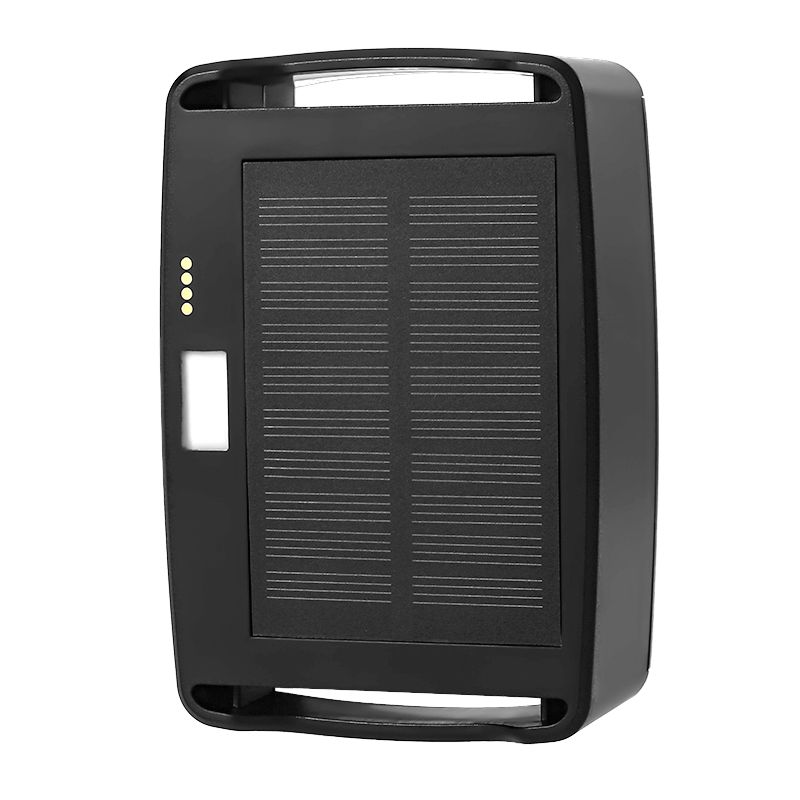
Solar GPS trackers consist of several essential components that ensure reliable and efficient operation. These components work together to harness solar energy and provide accurate tracking capabilities.
Solar Panels
Solar panels are a vital part of solar GPS tracker. They capture sunlight and convert it into electrical energy. This energy powers the tracker during daytime operations.
Rechargeable Batteries
Rechargeable batteries store energy collected by the solar panels. They supply power when sunlight is absent, such as during nighttime or cloudy conditions.
GPS Module
The GPS module determines the tracker’s location using signals from satellites. It provides precise, real-time location data.
Antenna Systems
Antennas facilitate communication between the tracker and satellites. They ensure strong signal reception even in remote areas.
Data Transmission Unit
The data transmission unit sends collected location information to the user. It can use cellular networks, Wi-Fi, or other methods, depending on the tracker.
Protective Casing
The protective casing shields internal components from environmental factors like rain, dust, or temperature changes. It ensures durability and reliability.
Software Integration
Solar GPS trackers use software to analyze, process, and display location data. This software is crucial for managing tracking information and alerts.
Each part of the solar GPS tracker plays a unique role in its function. Together, they make tracking seamless, sustainable, and efficient.
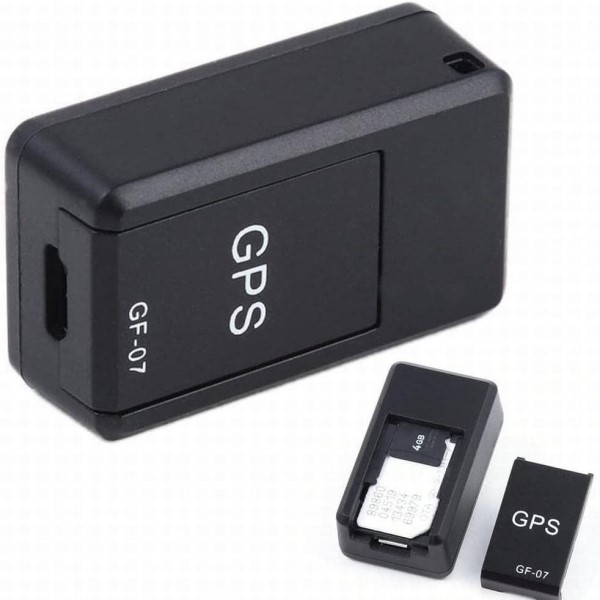
How Solar Power Enhances GPS Tracking
Solar power plays a crucial role in advancing GPS tracker technology. It ensures sustainability, efficiency, and reliability in various applications. By leveraging solar energy, GPS trackers can operate longer and in remote areas without constant maintenance or power supply.
Continuous Power Supply for GPS Trackers
Solar panels collect sunlight and convert it into energy to power GPS trackers. During the day, these panels charge rechargeable batteries, which provide energy when sunlight is unavailable. This process guarantees uninterrupted operation even in low-light or nighttime conditions.
Reduced Dependency on External Power Sources
Solar GPS trackers minimize reliance on external electricity sources. This makes them highly effective for deployment in remote or off-grid locations. They provide excellent functionality where traditional power access is limited or nonexistent.
Increased Deployment Versatility
The use of solar power allows GPS trackers to be deployed in more diverse environments. They can operate in harsh weather, challenging terrains, or isolated regions. This adaptability enhances their utility in industries like agriculture, transportation, and environmental monitoring.
Lower Environmental Impact
Solar GPS trackers use renewable energy, which significantly reduces their carbon footprint. They do not rely on disposable batteries, lowering electronic waste. This makes them an eco-friendly choice for sustainable operations.
Cost-Efficiency Over Time
Although the initial cost of solar-powered GPS trackers may be higher, they save money over time. By eliminating battery replacements and reducing energy costs, they ensure long-term affordability. Businesses find them a cost-effective solution for tracking needs.
Summary of Benefits
- Continuous operation: Works even in remote or low-light conditions.
- Eco-friendly: Uses renewable energy, reducing environmental harm.
- Versatile use: Suits multiple industries and environments.
- Cost savings: Eliminates regular battery replacements and reduces energy expenses.
Solar power is transforming GPS tracking by enhancing reliability, flexibility, and sustainability. It is a driving force behind the wider adoption of solar GPS trackers across various sectors.
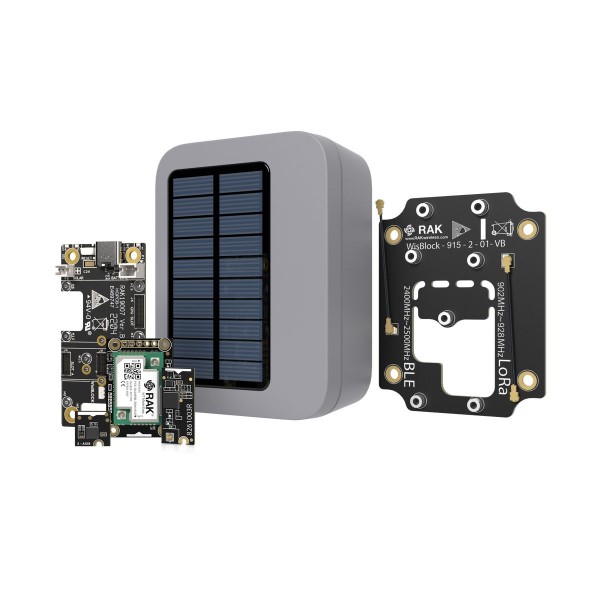
Applications of Solar GPS Trackers
Solar GPS trackers serve multiple purposes across various industries. Their functionality and design make them a versatile solution for tracking needs. Below are some of the most common applications of solar GPS trackers.
Vehicle Tracking and Fleet Management
Solar GPS trackers are widely used for monitoring and managing vehicle fleets. Businesses use them to track the location, speed, and routes of their vehicles. This helps in optimizing routes, reducing fuel consumption, and ensuring timely delivery of goods. The trackers also enhance safety by allowing real-time monitoring of driver behavior.
Livestock Monitoring
Farmers use solar GPS trackers to monitor the movement and location of their livestock. These trackers prevent theft and help locate lost animals quickly. They provide real-time data on animals’ grazing patterns, improving farm management practices.
Wildlife Conservation
Conservationists use solar GPS trackers to study wildlife migration and behavior. They are attached to animals to monitor their routes and habitats. This data helps in habitat protection and conservation planning. The renewable power source ensures continuous monitoring in remote wilderness areas.
Asset Tracking
Solar GPS trackers are frequently used to monitor valuable assets, such as construction equipment or shipping containers. Businesses use them to improve security and reduce losses. Trackers provide real-time updates on asset locations and alert users of potential theft.
Outdoor Activities and Personal Use
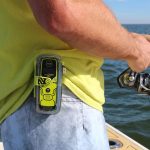
Outdoor enthusiasts use solar GPS tracker for hiking, camping, and adventure trips. These devices ensure their safety by offering reliable location data. Families also use them to track loved ones and ensure their safety during activities.
Agriculture
In agriculture, these trackers help monitor equipment and field activities. They can track tractors and other machinery, making it easier to plan and manage operations. This enhances productivity and efficiency on farms.
Emergency Services
Solar GPS trackers assist emergency services like search and rescue teams. They help track team movements and locate individuals in need of help. The trackers provide dependable performance even in challenging environments.
Solar GPS trackers are revolutionizing tracking applications. Their versatility and sustainability enable their use in diverse fields, enhancing efficiency and security.
Advantages of Solar GPS Tracker
Solar GPS trackers offer a variety of benefits for users across many applications. Their design and technology ensure reliable performance while being eco-friendly and cost-effective. Below are some key advantages:
1. Continuous Operation
Solar GPS trackers work even without sunlight, thanks to rechargeable batteries. These batteries store energy to power the tracker during cloudy days or nighttime. This uninterrupted operation enhances reliability, especially in remote areas.
2. Cost Efficiency
Solar-powered trackers reduce energy and maintenance costs over time. They eliminate the need for frequent battery replacements. Although their initial purchase cost might be higher, the long-term savings make them budget-friendly.
3. Sustainability
Using solar energy minimizes environmental harm. These trackers don’t produce emissions and reduce dependence on disposable batteries. This makes them suitable for businesses focused on green practices.
4. Versatility and Portability
Solar GPS trackers are lightweight and compact. They are easy to transport and can function in diverse conditions. Their design is ideal for industries like agriculture, wildlife monitoring, and transportation.
5. Enhanced Tracking Accuracy
Equipped with advanced GPS modules, these trackers provide real-time location data. The reliable technology ensures precise tracking even in remote or challenging locations.
6. Reduced Dependency on Power Sources
Solar energy enables trackers to operate where electricity is unavailable. This makes them perfect for deployment in off-grid areas or extreme environments.
7. Low Maintenance Requirements
Solar GPS trackers have fewer components requiring upkeep. Their solar panels and batteries are durable and designed for extended use. These features reduce maintenance workload and expenses for users.
Summary of Benefits
- Reliable operation: Works day and night without interruptions.
- Eco-friendly: Uses renewable energy, lowering environmental impact.
- Cost-saving: Cuts down battery replacement and energy bills.
- Highly adaptable: Performs well in varied environments.
- Accurate tracking: Offers precise and real-time location data.
Solar GPS trackers are changing tracking technology by combining practicality and sustainability. Their benefits make them a valuable choice for many industries and individual users.
Maintenance and Durability
Solar GPS trackers are designed to be durable and require minimal upkeep for consistent performance. Proper maintenance ensures their longevity and reliability. Here are key aspects to consider when maintaining and evaluating the durability of solar GPS tracker.
Importance of Regular Cleaning
- Clean solar panels routinely to ensure maximum energy absorption.
- Remove dust, dirt, and debris from protective casing.
Battery Care and Monitoring
- Check battery levels periodically to ensure uninterrupted operation.
- Replace batteries if their capacity diminishes over time.
Software Updates
- Update tracking software regularly to enhance performance and fix bugs.
- Use compatible software to avoid system incompatibilities.
Inspection of Components
- Examine antennas for damage to maintain strong signal reception.
- Inspect protective casing for cracks or wear caused by environmental conditions.
Environmental Considerations
- Protect trackers from harsh environmental elements like extreme heat or heavy rain.
- Ensure proper placement to avoid accidental damage from heavy machinery or wildlife.
Durability Features of Solar GPS Tracker
- Trackers are built with sturdy materials to withstand tough conditions.
- Water-resistant and dustproof designs enhance their lifespan.
- Rechargeable batteries endure frequent cycles of charging and discharging.
Common Maintenance Challenges
- Dust accumulation on solar panels reduces energy efficiency.
- Prolonged exposure to extreme weather may affect certain components.
- Outdated software can cause data transmission delays or errors.
Recommendations for Prolonging Durability
- Perform regular inspections to identify potential issues early.
- Store trackers indoors when not in use for extended periods.
- Use high-quality equipment and protective covers for added safety.
Maintaining solar GPS trackers ensures optimal operation and prolongs their life span. By addressing these factors effectively, users can maximize performance and reliability.
Challenges and Limitations
While solar GPS trackers offer numerous benefits, they also come with certain challenges and limitations. Understanding these can help users make informed decisions and find ways to address potential issues effectively.
Weather Dependence
Solar GPS trackers rely on sunlight to generate power. Limited sunlight during cloudy or rainy days reduces their efficiency. Prolonged bad weather can affect their performance, causing disruptions in continuous operation.
Battery Life Limitations
Although solar GPS trackers store energy in rechargeable batteries, these batteries have a limited lifespan. Over time, their capacity diminishes, requiring replacements. Poor maintenance can further shorten battery life, leading to operational issues.
High Initial Investment
The upfront cost of solar GPS trackers is relatively high compared to non-solar options. Although they are cost-effective in the long run, the initial investment can be a concern for some users, especially small businesses or individuals with tight budgets.
Signal Interference
In remote or heavily wooded areas, signal strength may weaken, impacting GPS accuracy. This is especially challenging in locations with dense foliage or urban areas with tall buildings that obstruct satellite signals.
Potential for Physical Damage
Solar GPS trackers, though durable, can face physical damage due to environmental factors. Extreme weather, such as hurricanes, storms, and heavy snowfall, may impact the tracker’s functionality. Wildlife interactions can also cause unintended damage.
Data Transmission Issues
Data transmission units in these devices may face challenges in areas with weak cellular or Wi-Fi coverage. This can lead to delays or interruptions in receiving real-time tracking information.
Maintenance Requirements
While solar GPS trackers are designed to be low-maintenance, they still require periodic upkeep. Solar panels need regular cleaning to maintain efficiency, and cracked casings or damaged antennas can affect performance. Neglecting these tasks may lead to reduced efficiency over time.
Limited Usability in Certain Environments
Solar GPS trackers may not be suitable for environments with minimal sunlight. Examples include caves, underwater, or heavily shadowed areas. In these settings, traditional GPS trackers may be more effective.
Potential Compatibility Issues
Some solar GPS trackers might face integration problems with existing systems or software. Incompatibility can restrict users from fully utilizing the device’s features.
Summary of Challenges
- Weather affects energy generation, causing interruptions.
- Batteries degrade over time, requiring replacements.
- High initial costs can deter some users.
- Weak signals reduce tracking accuracy in certain areas.
- Extreme environmental conditions may damage devices.
- Limited usability in areas with low sunlight.
To maximize the benefits of solar GPS trackers, users need to address these challenges. Proper maintenance, choosing suitable deployment locations, and skillful installation can help mitigate these limitations.
Future Trends in Solar GPS Tracking Technology
Solar GPS tracking technology is continuously advancing with new innovations. These trends aim to enhance performance, efficiency, and usability.
Integration with IoT and Smart Devices
- Solar GPS trackers will integrate seamlessly with IoT systems and smart devices.
- This allows users to monitor data remotely via smartphones, tablets, or computers.
- Real-time notifications and analytics will enable better decision-making and efficient operations.
Improved Battery Technology
- Future solar GPS trackers will feature longer-lasting and more durable batteries.
- Enhanced battery chemistry will improve energy storage and overall performance.
- Faster charging times will ensure extended operation during limited sunlight.
Advanced AI and Machine Learning Capabilities
- GPS trackers will use AI and machine learning for data analysis and predictive insights.
- This will help in identifying trends, patterns, and potential risks in real-time.
- Smarter trackers will adapt to user behavior and provide more precise tracking.
Miniaturization and Sleek Designs
- Future trackers will be designed to be smaller and lighter.
- Sleeker designs will ensure easier installation and portability.
- Compact trackers could be used for personal belongings, small pets, or wearable devices.
Enhanced Data Security
- Advanced encryption methods will improve data privacy and security.
- Multi-layer authentication will protect sensitive user information and location data.
- This ensures the safety of sensitive data against unauthorized access.
Wider Connectivity Options
- Trackers will support multiple communication technologies, including 5G, LoRa, and satellite.
- Improved signal reception will ensure accuracy in remote and challenging environments.
- More connectivity options will make trackers versatile for various industries.
Improved Solar Panel Efficiency
- New solar technologies will increase energy conversion rates.
- More efficient solar panels will enable prolonged device operation without frequent maintenance.
- This ensures reliable usage, even in regions with limited sunlight.
Broadened Industry Applications
- New designs and capabilities will expand the use of solar GPS trackers.
- Healthcare, logistics, and disaster management industries will benefit from advanced tracking solutions.
- Enhanced devices will support diverse industries and activities more effectively.
Sustainability and Eco-Friendly Design
- Future solar GPS trackers will use recyclable and sustainable materials.
- Continued reliance on renewable energy will minimize environmental impact.
- Cleaner technology will align with global sustainability goals.
Collaboration with Smart Infrastructure
- Smart cities will incorporate solar GPS trackers in transportation and logistics networks.
- Trackers will optimize routes and improve urban planning processes.
- These integrations will drive efficiency in smart city initiatives.
Conclusion: Maximizing the Benefits of Solar GPS Trackers
In conclusion, understanding how solar GPS trackers work reveals their potential as practical and sustainable solutions in today’s tracking landscape. By harnessing solar energy, these devices offer reliable performance, reduced maintenance needs, and a versatile range of applications.
Whether you are a business owner looking to enhance fleet management or an individual seeking personal security, solar GPS trackers provide peace of mind and efficiency. As technology continues to evolve, embracing innovative tracking solutions like solar-powered devices will enable you to stay ahead while contributing to a greener environment. Harness the power of solar GPS trackers, and unlock the benefits they offer for your tracking needs!