Introduction
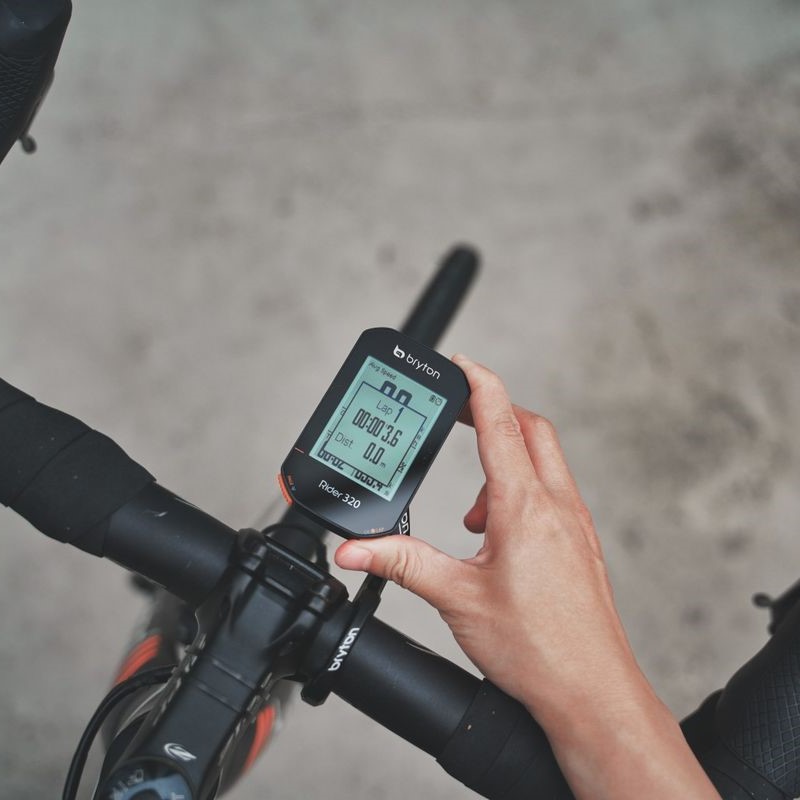
GPS bike tracker is smart devices designed to keep cyclists safe. They monitor a bike’s location and send updates to a connected system. These trackers use GPS technology to provide accurate, real-time position data. Many devices integrate with mobile apps, enhancing user experience and functionality.
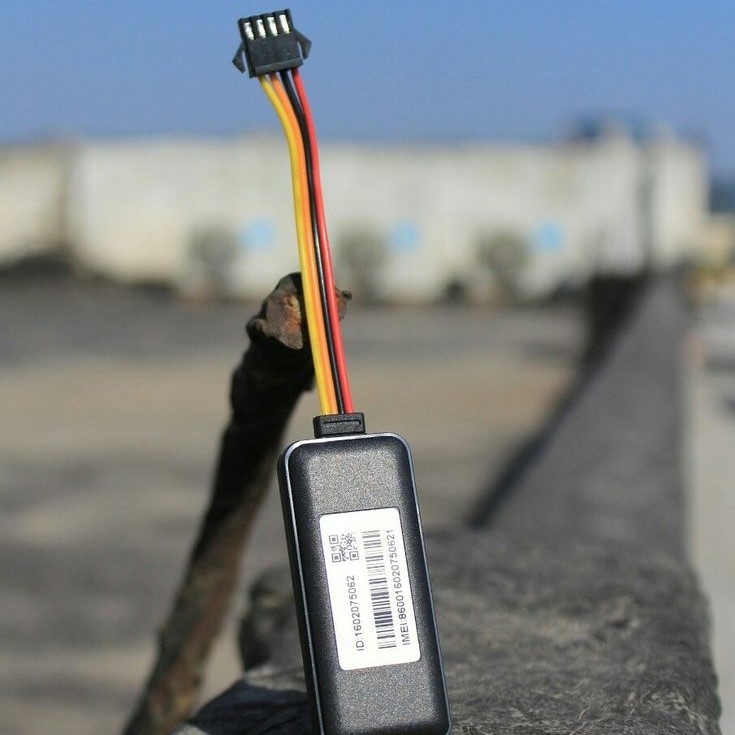
Tracking your bike can prevent theft. A GPS tracker lets you know where your bike is anytime. Cyclists can also use these devices for route planning and data analysis. This is helpful for fitness tracking or optimizing travel paths.
Bike trackers use satellite technology to provide precise location data. They often come with features like geo-fencing and alerts. Geo-fencing creates virtual boundaries; you’ll get alerts when your bike crosses them. This ensures a stronger layer of security for every ride.
Many GPS bike trackers are built to endure tough conditions. They often feature durable designs and weatherproof materials. Some models even have long battery life to support all-day tracking.
Modern trackers offer diverse connectivity options. Bluetooth, Wi-Fi, and cellular connectivity are common. These allow real-time data sharing with apps or other devices, creating a seamless experience.
Overall, a GPS bike tracker is a valuable tool for safety and convenience. Cyclists can enjoy peace of mind and improved bike management with this technology.
Key Benefits of Using a GPS Bike Tracker
Theft Prevention
A GPS bike tracker helps protect your bicycle from theft. It provides the exact location of your bike at all times. If your bicycle is stolen, you can quickly locate it and recover it.
Enhanced Personal Safety
GPS bike trackers can improve rider safety. They allow you to share your live location with family or friends. This ensures someone knows your whereabouts during rides, especially in unfamiliar areas.
Route Planning and Optimization
Cyclists can use GPS bike trackers to map out efficient routes. These devices help analyze previous rides and suggest better paths. This is useful for commuters and fitness enthusiasts aiming to improve their performance.
Real-Time Data Monitoring
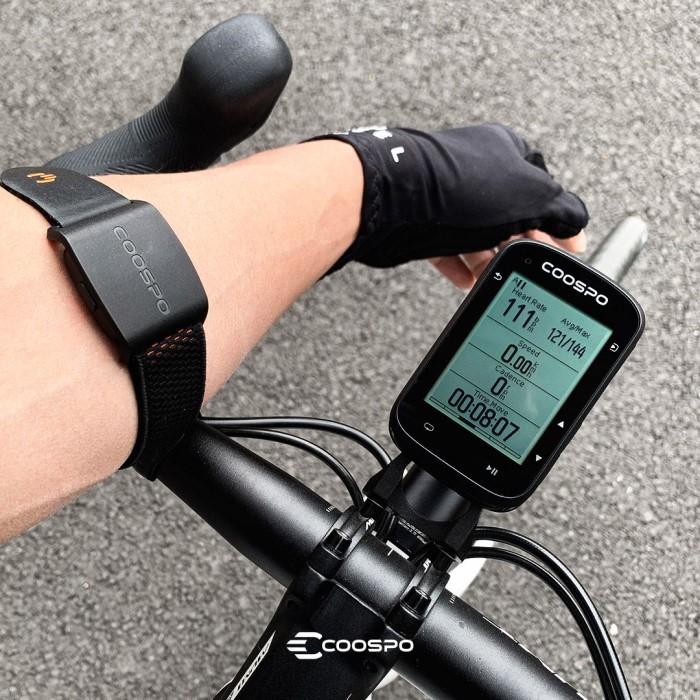
Trackers offer real-time data on speed, distance, and elevation. This data helps cyclists monitor their progress and set training goals. Advanced tracking boosts your overall cycling experience.
Geo-Fencing for Added Security
Geo-fencing is an extra layer of protection. It lets you set boundaries around your bike. You’ll receive alerts if your bike leaves the predefined zone. This feature enhances security during both parking and riding.
Weatherproof and Durable Design
Many GPS bike trackers resist harsh conditions. Their durable build ensures they work in rain, snow, or heat. This reliability makes them dependable for all kinds of rides, no matter the weather.
Improved Convenience with Connectivity
Modern bike trackers connect via Bluetooth, Wi-Fi, or cellular networks. These options allow seamless data sharing with connected apps. Cyclists can instantly view their bike’s location and other tracking data anywhere.
Features to Look for in a GPS Bike Tracker
Choosing the right GPS bike tracker requires attention to essential features that impact its performance and usability. These features ensure optimal safety, functionality, and convenience for cyclists. Below are the key factors to consider:
Real-time Location Tracking
Real-time location tracking is a must-have feature in a GPS bike tracker. It allows cyclists to monitor their bike’s exact position at any time. This feature is critical for preventing theft and aiding in bike recovery. Trackers with real-time tracking provide instant updates to your connected app or device. This ensures you always know your bike’s location, even during a ride.
When selecting a tracker, choose one with precise GPS data accuracy. Advanced models combine GPS with other positioning technologies like GLONASS for even better accuracy. Real-time updates are essential for quick response in case your bike goes missing.
Geo-fencing Capabilities
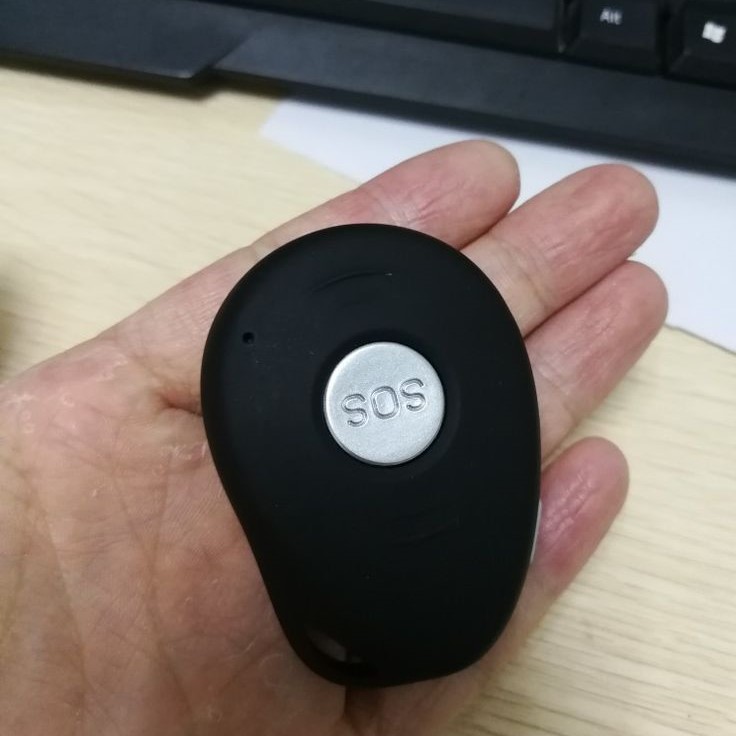
Geo-fencing adds an extra layer of security to your bike. This feature lets you create virtual boundaries for your bike’s location. If your bike crosses these boundaries, the system sends you an alert. This is particularly useful when parking your bike in public areas.
Geo-fencing can also help monitor your bike during group rides or events. Look for trackers with customizable geo-fencing options. This allows you to define boundaries based on your specific needs. Alerts should be immediate and easy to configure within the connected app.
Battery Life and Charging Options
Battery life is a crucial aspect of any GPS bike tracker. A reliable tracker should last long without frequent recharging. Long battery life ensures continuous tracking during extended rides or trips.
Some trackers come with energy-efficient modes to optimize battery usage. Others include options like solar charging or USB charging for added convenience. Consider the charging method and ensure it’s compatible with your lifestyle. Models with longer-lasting batteries provide better performance and peace of mind.
By understanding these core features, you can select a GPS bike tracker that best suits your cycling needs. A well-chosen tracker enhances your security and makes your rides more enjoyable.
Connectivity Options: Bluetooth, Wi-Fi, and Cellular
Modern GPS bike trackers offer various connectivity options. These include Bluetooth, Wi-Fi, and cellular networks. Each option provides unique advantages for cyclists. Understanding these connectivity methods can help you choose the right tracker.
Bluetooth
Bluetooth is a popular and energy-efficient connectivity option. It connects the tracker to your smartphone or other devices within a short range. This allows for quick data syncing and location updates. Many apps use Bluetooth to share real-time tracking data seamlessly. However, the limited range means you must stay near your bike for this feature to work.
Wi-Fi
Wi-Fi connectivity provides faster data transfer compared to Bluetooth. It allows your tracker to connect to a Wi-Fi network for updates. This feature is useful for syncing large data files, like ride history or performance metrics. Wi-Fi can also help reduce data costs by bypassing cellular networks at home or work.
Cellular Networks
Cellular connectivity offers the widest coverage for GPS bike trackers. It uses SIM cards to connect to mobile networks. This enables the tracker to send real-time location data anywhere, even if you’re far from your bike. Cellular trackers are ideal for theft protection and continuous tracking on long rides.
When choosing a GPS bike tracker, consider which connectivity options meet your needs. Bluetooth is best for close proximity. Wi-Fi is excellent for data-heavy tasks. Cellular networks provide extensive coverage for long-distance rides. Combining these options can enhance your tracking experience and improve safety.
Durability and Weather Resistance
Durability is a key feature of a reliable GPS bike tracker. These devices are often exposed to different environmental conditions, such as rain, snow, heat, or even accidental impacts. Ensuring your GPS bike tracker can endure tough conditions helps guarantee it will function effectively, no matter the weather or terrain.
Materials and Build Quality
A high-quality GPS bike tracker is typically made from durable materials. Weatherproof materials are essential to withstand rain and humidity. Look for trackers with water-resistant or waterproof ratings. Common certifications like IP67 or IP68 indicate strong resistance to water and dust. Additionally, robust designs minimize the risk of damage from accidental drops or rough handling during rides.
Resistance to Temperature Extremes
Cyclists often ride in all weather conditions, from scorching summer heat to freezing winters. A durable GPS bike tracker should operate reliably within a wide temperature range. Check the product specifications for temperature tolerance to ensure it suits your climate needs.
Long-lasting Performance
A well-built tracker is also resistant to wear and tear. Synthetic and corrosion-resistant materials improve its longevity. Be sure to select a tracker designed to handle long-term use, especially if you ride frequently.
Vibration and Shock Resistance
Bikes often face vibrations from uneven terrains and gravel paths. A GPS bike tracker designed for vibration resistance will deliver consistent performance on bumpy rides. Shock-resistant materials add extra protection, keeping the device functional even when subjected to impacts.
Invest in a sturdy GPS bike tracker that prioritizes durability. These features ensure reliable performance, preserving your tracker’s usefulness in any situation.
Integration with Mobile Apps and Software
Mobile apps and software play a vital role in enhancing GPS bike tracker functionality. These integrations allow users to access data, customize settings, and improve their cycling experience.
User-friendly Mobile Apps
Most GPS bike trackers come with dedicated mobile apps. These apps are designed to be simple and intuitive. Users can view bike location, tracking history, and real-time data using the app. Many apps also offer customization options for alerts and geo-fencing boundaries.
The apps often feature interactive maps, making route planning easy. Cyclists can analyze previous rides and optimize future paths. Fitness enthusiasts can monitor progress, set goals, and track performance directly through the app.
Advanced Data Analysis Tools
Integration with software tools enhances data analysis capabilities. Cyclists can get detailed metrics like speed, distance, and elevation. These tools help in understanding riding patterns and improving overall performance.
Some GPS bike trackers can sync with fitness platforms. Apps like Strava or Garmin Connect are commonly used. This allows cyclists to compare their progress with others or track competitive performance. The integration ensures seamless data sharing across multiple platforms.
Real-time Alerts and Notifications
Mobile apps help deliver real-time alerts and notifications. If a geo-fence is breached, users instantly receive a warning. This feature is crucial for theft prevention. Additionally, these notifications keep riders updated about weather conditions or battery status.
Some apps even offer live location sharing features. Cyclists can share their position with friends or family during rides. This ensures safety and allows tracking in case of emergencies.
Compatibility Across Devices
GPS bike trackers often support multi-device compatibility. They can integrate with phones, tablets, and computers. This flexibility allows cyclists to access tracker data from any device conveniently.
Before choosing a tracker, check its software compatibility. Ensure the app works smoothly on your phone’s operating system, be it iOS or Android.
Regular Software Updates
Frequent software updates improve app functionality. Updates ensure bug fixes and add new features. They also enhance security, making the data-pairing process more reliable.
Integration with mobile apps and software boosts GPS bike tracker usability. These features enhance convenience, safety, and efficiency for every cyclist.
Top GPS Bike Tracker Models on the Market
Choosing the best GPS bike tracker is essential for effective safety and monitoring. Several reliable models are available, offering advanced features and unmatched performance. Below are some top picks that cater to diverse cycling needs.
Garmin Edge GPS Trackers
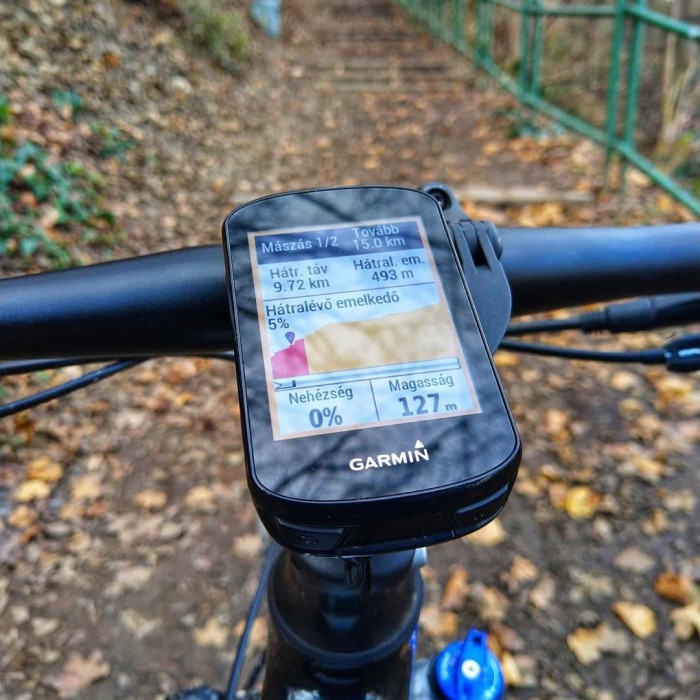
Garmin Edge devices are known for high-quality GPS tracking and versatile features. They include real-time data tracking, route mapping, and performance analysis. Garmin Edge models provide Bluetooth and Wi-Fi connectivity for seamless communication with smartphones. Cyclists can also enjoy compatibility with fitness apps like Garmin Connect.
Tile Mate Trackers
Tile Mate trackers focus on easy-to-use location monitoring. These compact devices can attach to bikes securely. Tile Mate offers Bluetooth technology for nearby tracking and app-based notifications. This tracker is ideal for casual riders looking for simple theft prevention and location monitoring.
Spytec GPS GL300
Spytec GPS GL300 delivers accurate location tracking paired with extensive cellular network coverage. It sends real-time updates to the paired mobile app. Its compact design makes it portable, while geo-fencing capabilities boost security. This model works best for riders needing long-distance tracking.
Apple AirTag
Apple AirTag is popular among cyclists for its sleek design and user-friendly interface. It uses Bluetooth and Apple’s Find My network for precise location tracking. The tracker provides alerts when your bike moves out of range. This device suits Apple users seeking basic monitoring features.
Invoxia GPS Tracker
Invoxia GPS trackers focus on durability and theft resistance. They feature extended battery life, lasting up to months. Invoxia provides cellular connectivity, enabling location updates anywhere. Its geo-fencing feature sends instant alerts if the bike leaves defined boundaries.
Boomerang Cyclotrac
Boomerang Cyclotrac is specifically designed for bike tracking. It offers GPS-based real-time updates to a connected app. The tracker supports cellular connectivity, ensuring tracking even in distant locations. Cyclotrac also includes security features like tamper alerts, maximizing theft prevention.
Jiobit Smart GPS Tracker
Jiobit Smart GPS Tracker offers detailed location monitoring in real-time. It includes geo-fencing and alerts for customization. This lightweight tracker pairs with mobile apps and supports cellular networks. Jiobit works well for riders needing consistent updates and theft deterrence.
Investing in one of these GPS bike trackers enhances cycling safety and convenience. Select a model based on your specific needs and preferences.
Installation and Maintenance Tips for GPS Bike Trackers
Proper installation and regular maintenance of your GPS bike tracker ensure optimal performance. Below are practical tips to guide you.
Installation Tips
- Choose the Best Location: Install the tracker where it is secure and hidden from view. Common places include under the seat, within the frame, or in a bag.
- Follow Manufacturer Instructions: Read the instruction manual carefully. Follow the steps provided to avoid errors during installation.
- Use Secure Mounts: Ensure your tracker is firmly mounted. Loose fixtures can lead to malfunction or loss during rides.
- Check Compatibility: Verify the tracker works well with your bike. Ensure proper alignment with electrical or physical connections.
- Test Before Use: After installation, confirm the tracker’s location tracking is accurate. Perform a test ride to ensure everything functions as expected.
Maintenance Tips
- Clean Regularly: Wipe the tracker with a soft cloth to remove dirt and debris from outdoor rides.
- Inspect for Damage: Check for scratches, cracks, or loose parts. Replace worn or damaged components immediately.
- Update Software: Keep the device software updated. Updates fix bugs and improve functionality or security.
- Recharge Battery: Monitor battery levels frequently. Charge the tracker to ensure uninterrupted usage during rides.
- Protect Against Weather: Store the tracker indoors when not in use, especially in extreme weather conditions. For outdoor rides, ensure the tracker’s weatherproof seal is intact.
- Test Alerts and Notifications: Regularly check if alerts and geo-fencing features work correctly. Adjust settings as needed.
- Monitor Connectivity: Ensure Bluetooth, Wi-Fi, or cellular connections remain stable. Re-pair the tracker with your app or device if connectivity falters.
Professional Assistance
If installation or maintenance issues persist, seek expert help. Consult the manufacturer or an experienced technician for support.
Follow these tips to maximize your tracker’s reliability and lifespan. Proper care guarantees safety and peace of mind during all your rides.
Conclusion
In summary, a GPS bike tracker serves as an essential tool for today’s cyclists. Understanding whether “is GPS bike tracker good?” boils down to recognizing critical features that enhance functionality and security. Real-time location tracking, durability, long battery life, theft alerts, compatibility, geolocation history, and a user-friendly app are all vital elements to consider.
Investing in a quality GPS bike tracker not only safeguards your bicycle from theft but also enhances your overall cycling experience. With the rise in bike theft, the advantages of using a GPS bike tracker cannot be understated. In 2026 and beyond, ensuring the security of your bike has never been easier. By choosing a tracker with the features discussed in this article, you can enjoy your rides with peace of mind and confidence.