What is a Face Shield Visor?
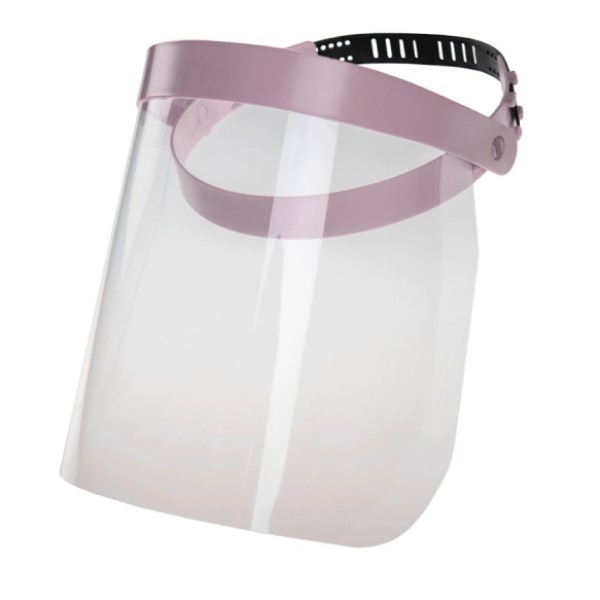
A face shield visor is a protective device worn on the face. It consists of a transparent shield attached to a frame. The shield covers the entire face, including the eyes, nose, and mouth. It acts as a barrier against harmful particles, liquids, or impacts.
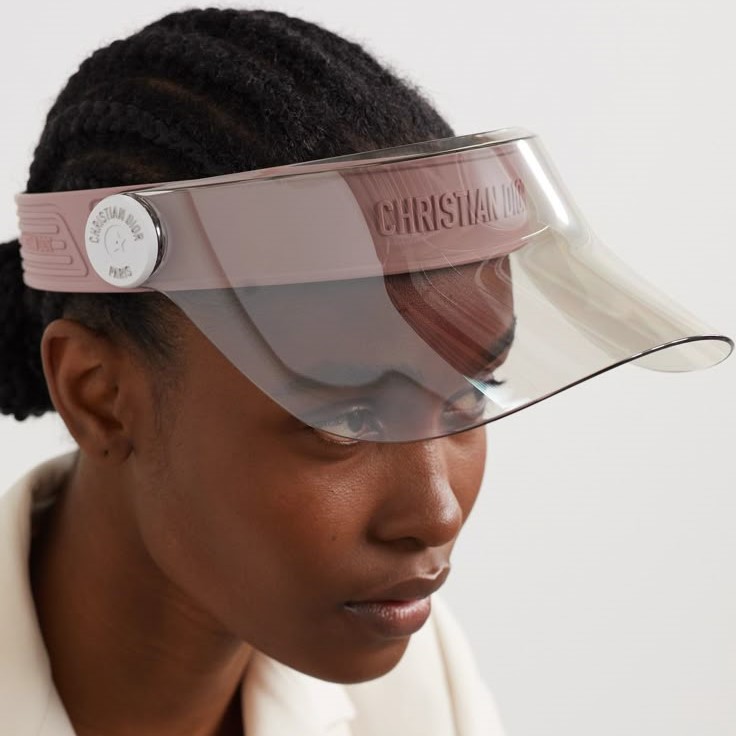
Face shield visors are widely used in many environments. These include healthcare, manufacturing, construction, and laboratories. They are designed to protect users from hazards like flying debris, splashes, or infectious droplets.
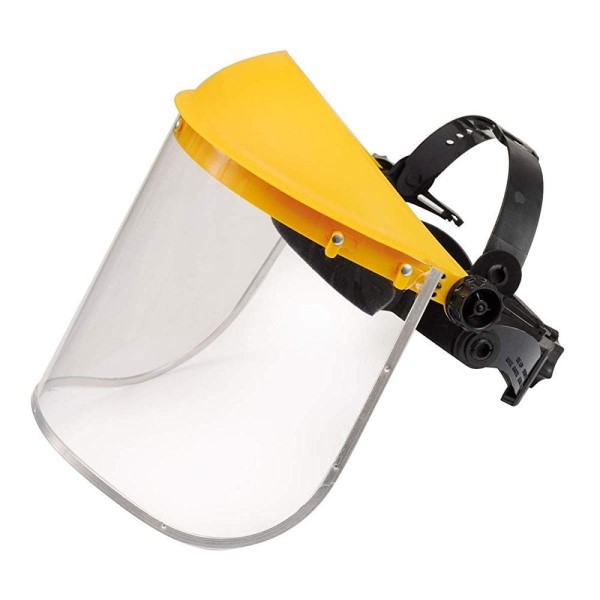
The visor material is often clear plastic, offering easy visibility. The frame is adjustable to ensure a comfortable fit. Some face shield visors come with additional features like anti-fog or anti-scratch coatings. These features improve visibility and durability.
Face shield visors are different from masks or goggles. Masks typically cover the nose and mouth only, while goggles protect the eyes specifically. A face shield visor offers broader protection by covering most of the face. It can be used alone or combined with other protective equipment for complete safety.
In summary, a face shield visor provides efficient and practical face protection. It is helpful in preventing injuries and reducing the spread of contaminants. Choosing the right visor depends on your specific needs.
Benefits of Using
Face shield visors offer essential protection for your face and eyes. They act as a barrier against harmful elements, including debris and infectious droplets. Using a face shield visor can greatly reduce health risks and prevent injuries. Here are some key benefits:
- Comprehensive Face Protection: Face shield visors cover the face fully, including eyes, nose, and mouth.
- Prevention of Injury: They block flying debris, sharp particles, and harmful liquids, reducing injury risks.
- Enhanced Hygiene: Face shield visors minimize contact with infectious droplets and contaminants, maintaining better health.
- Improved Visibility: Clear plastic visors provide unobstructed views while ensuring your safety.
- Comfortable Fit: Adjustable frames ensure that visors fit well and stay in place during use.
- Versatile Usage: They are suitable for health care, laboratories, construction, and manufacturing environments.
In conclusion, using a face shield visor is vital for safety in hazardous situations. It helps protect users effectively and improves overall safety in various industries and daily tasks.
Types
Face shield visors come in various types, each designed for specific needs and preferences. Understanding these types helps you select the right visor for your situation.
Disposable Face Shield Visors
Disposable visors are lightweight and affordable. They are commonly used in healthcare or laboratories. These single-use visors are ideal for situations requiring short-term protection. They are convenient when hygiene is critical and reduce cleaning requirements.
Reusable Face Shield Visors
Reusable visors are durable and made from sturdy materials. They are designed for repeated use and are ideal for industries like construction or manufacturing. Reusable types often have coatings for anti-fog or scratch resistance, enhancing usability.
Full Face Shield Visors
Full face visors provide complete coverage for the face. They protect the eyes, nose, and mouth from harmful particles, debris, and splashes. Full coverage visors are often used in hazardous or high-risk environments and typically offer adjustable frames for comfort.
Flip-Up Face Shield Visors
Flip-up visors allow flexibility during use. The shield can be lifted when unobstructed visibility is needed. These are popular in healthcare, where visibility and interaction are required intermittently.
Face Shield Visors with Built-in Protection
Some visors come with additional protective features. These may include added layers for UV protection or integrated goggles. These types are suitable for outdoor use or high-risk areas requiring eye protection.
Specialized Face Shield Visors
Specialized visors are designed for specific purposes. For example, visors for welding protect against sparks and intense light. Laboratory visors may offer chemical-resistant properties.
Choosing the right type of face shield visor depends on your specific needs. Consider the environment, hazards, and the level of protection required.
Key Features to Consider When Choosing a Face Shield Visor
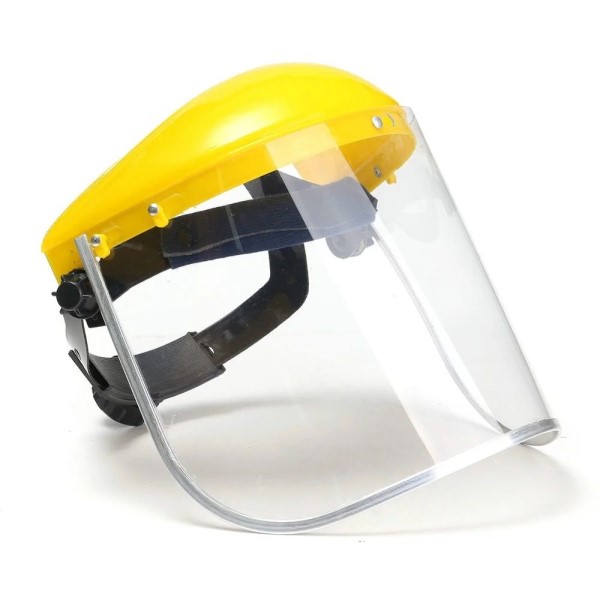
Choosing the right face shield visor ensures maximum protection and comfort. Here are important features to consider:
- Material Quality:
- Look for high-quality, durable materials for long-term use.
- Polycarbonate visors are impact-resistant and lightweight.
- PET visors are cost-effective and provide clear visibility.
- Clarity:
- Ensure the visor has excellent optical clarity for unobstructed views.
- Anti-fog coatings improve visibility in humid conditions.
- Size and Coverage:
- Choose a visor that covers your entire face, including the eyes, nose, and mouth.
- Consider the overall design to ensure no gaps are exposed.
- Comfort and Fit:
- Opt for adjustable headbands or straps for a secure and comfortable fit.
- Foam padding around the frame enhances comfort during prolonged use.
- Breathability:
- Look for designs that allow proper airflow to reduce discomfort.
- Ventilated visors help avoid fogging and overheating during extended wear.
- Compatibility with Other Gear:
- Verify that the face shield visor works with masks, goggles, or helmets if needed.
- Specialized visors may feature integrated goggles or attachments for helmets.
- Protective Features:
- Consider face shield visors with additional coatings, such as anti-scratch or UV protection.
- Choose a visor based on the type of hazard, like debris, chemical splashes, or infectious droplets.
- Ease of Maintenance:
- Select a visor that is easy to clean and disinfect.
- Look for reusable visors if long-term use is expected.
When selecting a face shield visor, evaluate your needs and work environment. A visor with the right features enhances safety, comfort, and usability.
Materials Used
The choice of materials is critical for face shield visors. The materials determine their effectiveness, durability, and comfort. Here are the common materials used in making face shield visors:
- Polycarbonate:
- Polycarbonate is a popular material for face shield visors.
- It is lightweight and highly durable, making it suitable for long-term use.
- This material is impact-resistant, offering excellent protection against flying debris and objects.
- Polycarbonate visors often include anti-scratch and anti-fog coatings for better usability.
- PET (Polyethylene Terephthalate):
- PET is a cost-effective and clear plastic material commonly used in disposable visors.
- It is lightweight and offers excellent optical clarity for visibility.
- PET visors are ideal for single-use applications in healthcare or laboratory settings.
- Acrylic:
- Acrylic visors provide excellent optical clarity and scratch resistance.
- They are relatively rigid and impact-resistant but less flexible than polycarbonate.
- Acrylic is often used in reusable face shield visors designed for long-term use.
- Acetate:
- Acetate is resistant to chemicals, making it suitable for laboratories or industrial environments.
- It offers good visibility and protects against chemical splashes and fumes.
- Lightweight and affordable, acetate visors are useful for specialized tasks.
- Metal Components:
- Some visors include metal frames or brackets for added durability.
- They provide extra stability and last longer in demanding industrial settings.
- Elastic and Foam Materials:
- Elastic straps ensure a secure and adjustable fit for various head sizes.
- Foam padding around the edges of the visor frame increases comfort during prolonged use.
When choosing a face shield visor, consider the material based on your specific needs. Polycarbonate visors are best for high-impact protection, while PET is great for economical use. Acetate offers chemical resistance, and acrylic provides durability and clarity. The right material ensures safety, functionality, and comfort during use.
How to Properly Use and Maintain a Face Shield Visor
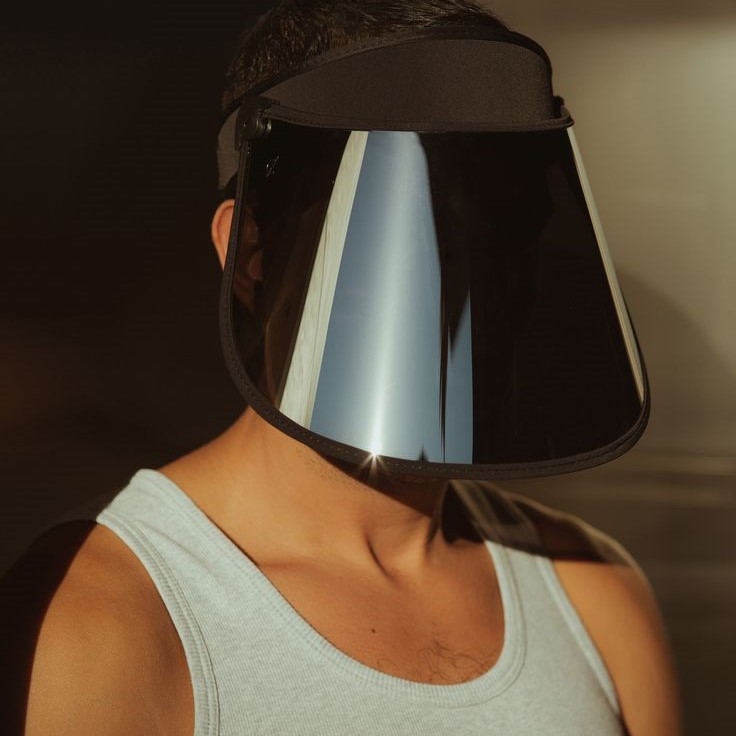
Proper usage and maintenance of your face shield visor are crucial for safety and longevity. Follow these steps to ensure your visor remains effective and lasts longer:
Proper Use of a Face Shield Visor
- Inspect Before Use: Always check your face shield visor for any cracks, scratches, or damage.
- Wear it Correctly: Adjust the strap or headband for a snug and comfortable fit on your head.
- Positioning: Ensure the visor covers your entire face, including eyes, nose, and mouth.
- Combine with Other Gear: If required, wear masks, helmets, or goggles along with the face shield.
- Avoid Touching the Shield: Handle your visor by the edges to prevent smudges or contamination.
- Use in Appropriate Settings: Only use your face shield visor in recommended environments for optimal protection.
Maintaining Your Face Shield Visor
- Clean Regularly: Use mild soap and water to clean the shield after each use. Avoid harsh chemicals.
- Dry Properly: Use a soft cloth or air-dry the visor to avoid scratches.
- Store Safely: Keep the visor in a clean and dry storage area when not in use.
- Avoid High Temperatures: Do not expose your visor to excessive heat, as it could warp the material.
- Replace When Necessary: Change your visor immediately if it becomes scratched, cracked, or otherwise damaged.
- Check Manufacturer’s Instructions: Follow specific guidelines provided for your visor’s maintenance.
Proper usage and maintenance ensure your face shield visor performs effectively. This protects you from hazards and extends the product’s life.
Industries and Situations That Require Face Shield Visors
Face shield visors are critical in various industries and specific situations. They provide protection and safety in high-risk environments. The following are key industries and scenarios where face shield visors are essential:
Healthcare Environments
Healthcare workers wear face shields to prevent exposure to infectious droplets. They use visors during patient treatment or surgical procedures. Face shield visors protect their face and reduce the risk of infections.
Laboratories
Lab workers use face shields as protection against chemical splashes and harmful fumes. Visors ensure safety while handling volatile substances or hazardous experiments.
Construction Sites
Face shield visors safeguard workers against flying debris, dust, and sharp materials. They are crucial during cutting, drilling, and demolition tasks. Adjustable visors ensure comfort during prolonged usage.
Manufacturing Facilities
Manufacturers rely on face shields to protect against sparks, hot metals, and machinery accidents. Industries such as welding and metal fabrication benefit from specialized visors designed for extreme temperatures.
Outdoor Work
Workers exposed to UV rays often use visors with UV protection. Tasks like farming, road maintenance, or outdoor surveillance favor these visors.
Emergency Response Situations
Emergency responders wear face shields during hazardous incidents to ensure safety. Firefighters, paramedics, and rescue teams use visors to protect their faces from debris or harmful substances.
Education and Training
Face shields are required in educational labs or technical training schools. Trainees use them for safety during hands-on sessions involving chemicals or machinery.
Everyday Use
Some people wear face shields for extra protection in crowded areas. It provides an extra layer of safety against airborne particles and contaminants.
Using face shield visors in these industries and situations ensures both safety and confidence. They are versatile, durable, and enhance protection where risks exist.
Top Brands and Recommendations
Finding the right face shield visor depends on quality and trusted brands. Many brands offer durable and effective visors for various needs. Below are some of the top brands and their key features:
Top Brands for Face Shield Visors
- 3M:
- Known for durable and high-quality visors.
- Offers anti-fog coatings and adjustable frames.
- Suitable for industrial and healthcare use.
- Honeywell:
- Features lightweight and comfortable visors.
- Provides strong impact resistance.
- Ideal for construction and manufacturing environments.
- Uvex:
- Specialized in visors with UV protection.
- Offers clear visibility and scratch-resistant coatings.
- Designed for outdoor workers and labs.
- Fisher Scientific:
- Focuses on laboratory safety visors.
- Resistant to chemicals and easy to clean.
- Used widely in research facilities.
- Optrel:
- Provides visors for welding and high-heat situations.
- Protects against sparks and intense light exposure.
- Useful for manufacturing industries.
Recommendations for Choosing a Face Shield Visor
- Assess Your Needs:
- Determine the risks and environment for visor use.
- Choose visors designed for specific tasks, like chemical resistance or UV protection.
- Verify Comfort Features:
- Opt for adjustable frames and padding for prolonged wear.
- Lightweight visors improve overall usability.
- Check Visibility:
- Look for anti-fog and scratch-resistant visors for clear views.
- Ensure materials like polycarbonate or acetate are used for quality performance.
- Inspect Protection Levels:
- Select visors offering full-face coverage.
- Consider additional features like integrated goggles or UV layers.
- Research Trusted Brands:
- Choose renowned brands with reliable safety certifications.
- Evaluate user reviews to confirm product reliability.
Top brands like 3M, Honeywell, and Uvex offer products suited for various needs. Always prioritize safety, comfort, and durability when selecting face shield visors. With the right choice, you can ensure optimal protection across industries and environments.
Conclusion: Making Your Choice
Choosing the right face shield visor is essential for safeguarding your health and comfort. From understanding the materials to assessing the situations in which you will use them, conducting thorough research is vital. By selecting a suitable face shield visor, you will ensure maximum protection. Remember, safety should never be compromised regardless of the setting. Now that you’re informed, you can confidently make a choice that aligns with your lifestyle needs. Visit our comprehensive guide to explore further options. Embrace safety with the best face shield visor tailored just for you.