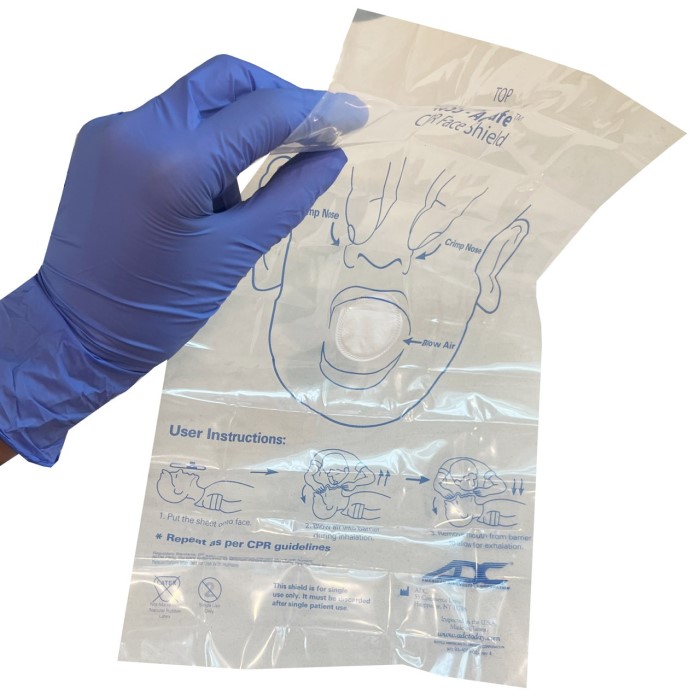
What is a CPR Face Shield?
A CPR face shield is a small, portable device designed for performing CPR safely and hygienically. It acts as a protective barrier between the rescuer and the victim during mouth-to-mouth resuscitation. CPR face shields are crucial tools for minimizing direct contact and reducing the spread of infections.
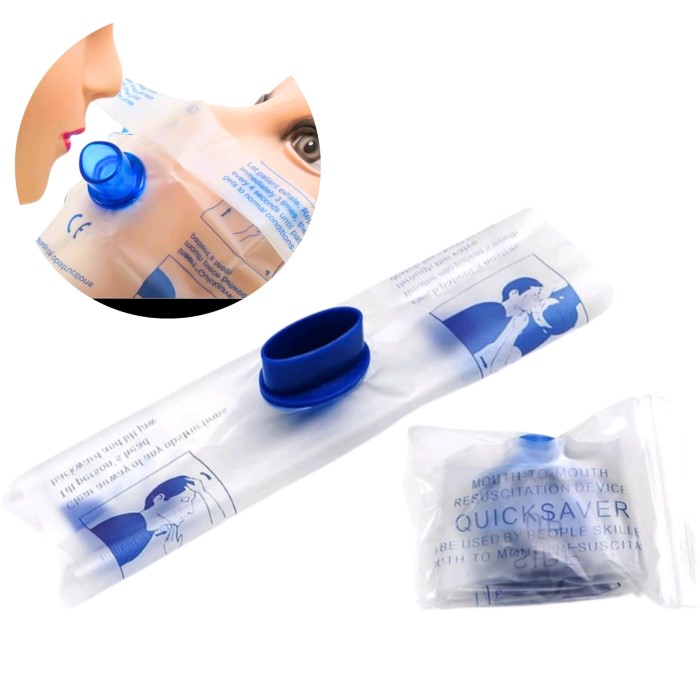
Overview of CPR face shields
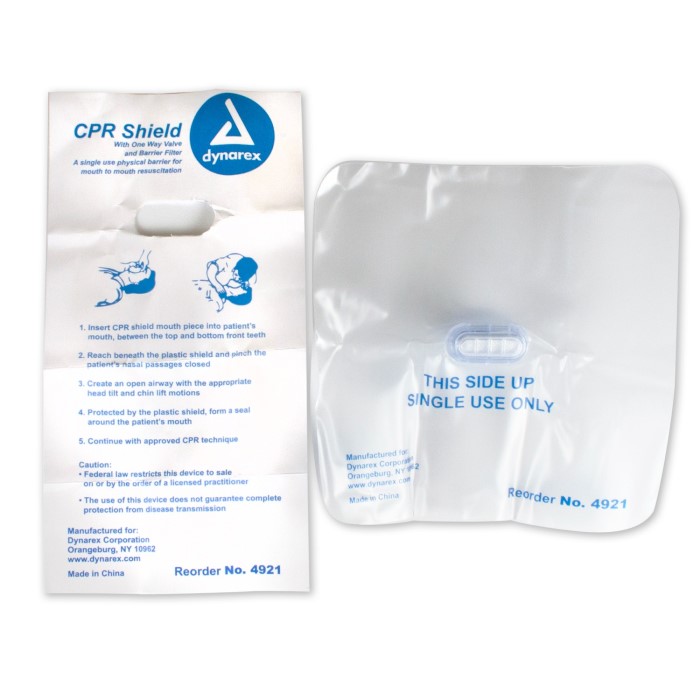
CPR face shields are lightweight, easy-to-use tools designed for emergency situations. They often feature a transparent, flexible sheet made of plastic or silicone material. The shield usually includes:
- One-way valve: Prevents backflow of air or fluids from the victim.
- Mask bite area: Ensures proper positioning while resuscitating.
- Compact design: Fits easily in pockets, bags, or first aid kits.
CPR face shields are ideal for both trained rescuers and bystanders with minimal first aid knowledge. They help maintain hygiene while ensuring the victim receives effective CPR support.
How CPR face shields work
CPR face shields operate by forming a protective layer between the rescuer and the victim’s mouth. Here’s how they function:
- Barrier protection: Shields protect against saliva and bodily fluids.
- One-way valve: Allows air to flow into the victim while preventing exhalations from returning to the rescuer.
- Clear visibility: Transparent material lets rescuers monitor the victim’s condition.
Using a CPR face shield during emergencies ensures safety and efficiency in delivering life-saving care. It increases the willingness of responders to assist while minimizing health risks. Carrying a CPR face shield can make a significant difference when seconds matter!
Importance of CPR Face Shields in Emergencies
CPR face shields play a crucial role in emergency situations. They protect rescuers and victims during life-saving procedures. Their use ensures a safe and hygienic environment when performing CPR, especially mouth-to-mouth resuscitation. CPR face shields are designed to improve safety and effectiveness during emergencies.
Protection for both rescuer and victim
CPR face shields act as a barrier between the rescuer and the victim. This prevents direct contact with saliva or bodily fluids. The shield reduces the chances of infections transferring between both parties. The one-way valve prevents backflow from victim to rescuer, adding an essential layer of protection. Such features make CPR face shields vital for ensuring safety during resuscitation efforts.
Reducing risks of infection or contamination
Minimizing health risks is a top priority during emergencies. CPR face shields are designed to lower the chances of contamination. By blocking exposure to saliva and fluids, they reduce pathogen transmission. This promotes greater confidence for rescuers, especially in public or unknown settings. Carrying a CPR face shield supports hygienic and efficient emergency responses.
Key Features
When choosing a CPR face shield, understanding its key features is essential. The right CPR face shield enhances safety, hygiene, and effectiveness during emergencies. Several factors such as types, materials, design, and portability play critical roles in selecting the right one for your needs.
Types of CPR face shields available
CPR face shields come in various types to suit different needs. These include:
- Flat shields: Compact and easy-to-use, common in first aid kits.
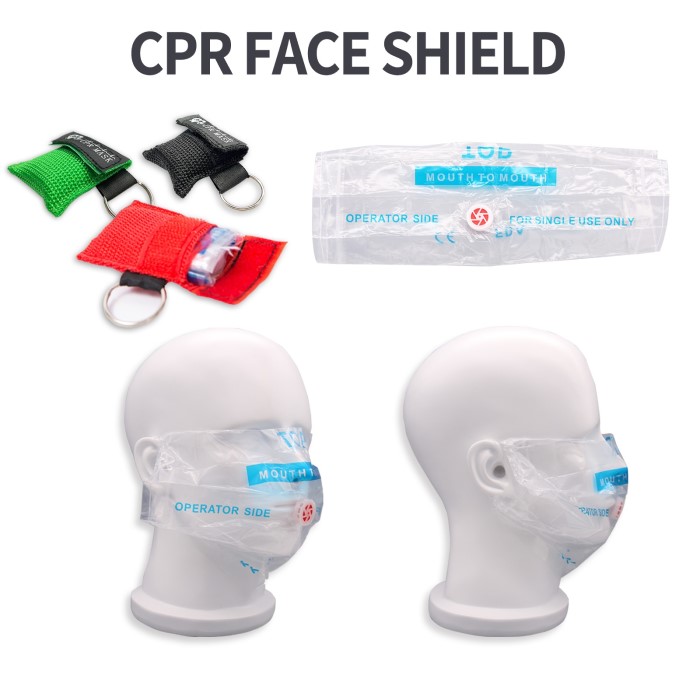
- Keychain shields: Portable and conveniently attachable to keychains.
- Mask-style shields: Provide a more secure fit, often used by professional rescuers.
- Pocket masks: Offer better seal and come with an additional one-way valve for effective rescue breaths.
Each type serves specific purposes and fits different emergency scenarios. Make sure to choose one that matches your level of training and anticipated usage.
Material and design considerations
The material and design of the CPR face shield greatly influence its performance. Look for the following:
- Durable material: High-quality plastic or silicone ensures reliability during emergencies.
- Transparent surface: Allows clear visibility of the victim’s face and condition.
- One-way valve: Prevents backflow of air or bodily fluids.
- Bite block or mask framework: Helps maintain proper positioning during resuscitation.
A well-designed CPR face shield enhances both rescuer comfort and victim safety.
Portability and ease of use
Portability is a critical factor for a CPR face shield. Features to consider include:
- Compact size: Fits easily in a pocket, bag, or first aid kit.
- Lightweight: Easy to carry and handle during emergencies.
- Simple deployment: Allows quick setup for immediate use.
- Reusable or disposable options: Choose based on your needs and preference.
A portable and user-friendly CPR face shield ensures you are always ready to respond to emergencies.
Selecting the right CPR face shield can make a significant difference. By considering these features, you can ensure you are prepared to provide life-saving support when it’s needed most.
How to Properly Use a CPR Face Shield
Using a CPR face shield correctly is crucial during emergencies. Proper technique ensures safety, hygiene, and effectiveness. Here’s a helpful guide to make sure you’re fully prepared.
Step-by-step guide on using a CPR face shield
- Check the victim’s condition: Ensure the victim is unresponsive and not breathing.
- Open the airway: Tilt the victim’s head back slightly and lift their chin to open the airway.
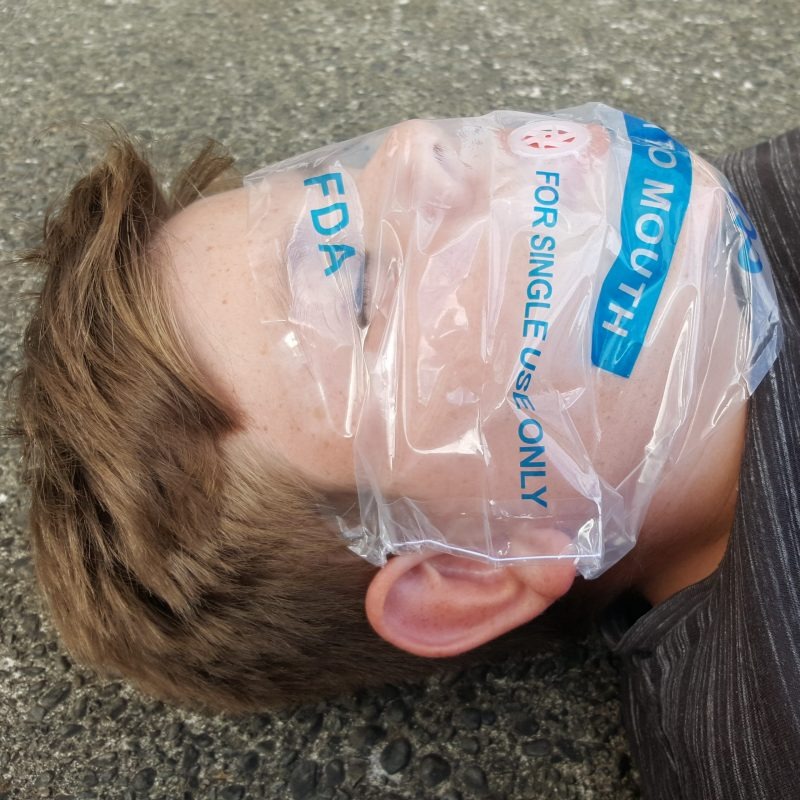
- Position the face shield: Place the mask over the victim’s mouth and nose. The one-way valve should face upwards.
- Secure the shield: Hold it firmly in place to create a proper seal.
- Administer rescue breaths: Pinch the victim’s nose shut, then give slow breaths through the one-way valve. Observe the chest rising.
- Repeat as necessary: Deliver two rescue breaths after every 30 chest compressions until emergency help arrives or the victim regains consciousness.
- Dispose or clean: If the shield is disposable, discard it properly. If reusable, clean it following the manufacturer’s instructions.
Common mistakes to avoid during use
- Improper placement: Ensure the shield completely covers the mouth and nose. A tight seal is necessary.
- Insufficient ventilation: Provide slow, steady rescue breaths. Avoid forcing air too quickly.
- Skipping hygiene basics: Always ensure your hands are clean or wear gloves when using a face shield.
- Wrong shield direction: Confirm the one-way valve faces the rescuer, preventing backflow.
- Failing to monitor: Watch the victim’s chest to ensure proper breaths are delivered.
Proper use of a CPR face shield can save lives while minimizing health risks. Always practice the correct technique to enhance your preparedness.
Benefits of Carrying
CPR face shields are essential tools for anyone, whether trained or untrained in first aid. Carrying one enhances your readiness and ensures safety during emergencies. Let’s explore the key benefits of having a CPR face shield with you.
Enhancing readiness for emergency situations
Emergencies can occur anytime and anywhere. Carrying a CPR face shield ensures you’re ready to act quickly. It helps you overcome hesitation in providing CPR, knowing you have hygienic protection.
A CPR face shield is lightweight and portable. You can easily keep it in your pocket, bag, or first aid kit. This convenience ensures that you have it available for unexpected situations. Having this tool significantly improves your response capability in time-sensitive scenarios.
Whether you’re trained or untrained, a CPR face shield simplifies the resuscitation process. The one-way valve prevents backflow, making rescue breaths more effective and safer. It minimizes risks and enables you to help someone in life-threatening situations confidently.
Promoting safety for untrained individuals
For individuals with little or no training, a CPR face shield makes emergency response more approachable. The shield acts as a barrier, reducing potential contact with saliva or bodily fluids. It prevents transmission of infections, giving you peace of mind while assisting others.
The transparent design provides visibility, allowing you to monitor the victim’s breathing and condition. Its simplicity helps reduce complications during CPR, encouraging untrained individuals to step forward.
Untrained bystanders may hesitate to assist during emergencies due to fear of contamination. Carrying a CPR face shield addresses this fear and fosters greater willingness to help. This small device can empower more people to contribute to saving lives.
By providing hygienic protection and enhancing confidence, CPR face shields are vital safety tools in emergencies. Carrying one ensures you are prepared to act efficiently and securely, regardless of your experience.
Top Recommendations
Choosing the right CPR face shield ensures safety, hygiene, and effectiveness during emergencies. Below are some recommended options based on popular brands and affordability.
Popular brands and models
- Ambu Res-Cue Mask: Designed for professional use, it offers a secure seal and a one-way valve.
- Laerdal Pocket Mask: Portable and reliable, this mask is widely favored for quality and performance.
- Prestan CPR Mask: Features a durable design and clear visibility, suited for repeated use.
- Dynarex CPR Shield: Lightweight and disposable, ideal for individuals or first aid kits.
- First Aid Only CPR Keychain Shield: Compact and attached to a keychain, it’s excellent for everyday carry.
These brands provide quality products for various needs, ranging from individual rescuers to professional medical personnel. Always choose based on your anticipated emergency scenarios and training level.
Affordable and high-quality options
- ADC Practi-Shield: Combines affordability and durability, ideal for budget-conscious users.
- Curaplex CPR Mask: Cost-effective and includes features like a bite block and one-way valve.
- WNL Products CPR Shield: Offers reliability and a low price point, perfect for casual users.
- Ever Ready Pocket Mask: Balances affordability with excellent sealing and ease of use.
Affordable options don’t compromise on essential features like clear transparency and compact design. Many come with reusable or disposable choices to fit individual preferences.
When selecting your CPR face shield, ensure it suits your needs, offers solid protection, and is user-friendly. A reliable shield can make all the difference during life-saving situations.
How to Maintain and Store Your CPR Face Shield
Proper maintenance and storage ensure the effectiveness of your CPR face shield. It also extends its lifespan.
Cleaning guidelines for long-term use
- Clean after each use: Wash reusable CPR face shields thoroughly after every emergency. This removes germs and residue.
- Use mild soap: Clean with a gentle soap and warm water to avoid damaging the shield material.
- Disinfect properly: Apply a suitable disinfectant to kill bacteria and viruses effectively.
- Avoid harsh chemicals: Skip bleach or corrosive cleaners to protect the shield’s integrity.
- Dry completely: Let the shield air-dry or use a clean cloth to ensure no moisture remains.
- Check for damage: Inspect for cracks or wear and replace the shield if needed to maintain reliability.
Proper storage tips
- Store in a clean space: Keep your CPR face shield in a dry, dust-free area to avoid contamination.
- Use protective casing: Place it in its pouch or case for added protection against physical damage.
- Avoid extreme temperatures: Keep the shield away from heat or cold, which can warp or weaken the material.
- Keep accessible: Store it in an easy-to-reach spot, like a first aid kit or bag.
- Avoid heavy weight: Don’t store under heavy objects to prevent crushing or deforming.
- Replace disposable shields: If the shield is single-use, always have spares ready.
Regular cleaning and careful storage are essential for ensuring your CPR face shield is ready when needed.
CPR Face Shield in First Aid Kits and Everyday Carry
Why it’s a must-have in first aid kits
A CPR face shield is a vital addition to any first aid kit. It ensures safety and hygiene during emergencies. Including one helps you respond effectively to unpredictable situations. This compact device takes up minimal space but offers maximum protection.
Emergencies can arise anywhere and at any time. Having a CPR face shield readily available in a first aid kit can save lives. The one-way valve in the shield protects the rescuer by preventing backflow of air or fluids. This makes it safe and convenient for both trained professionals and bystanders.
A well-prepared first aid kit with a CPR face shield enables quick response. It empowers individuals to confidently perform life-saving actions. Adding one shows responsibility in ensuring the health and safety of everyone. Keeping it in family, workplace, or car first aid kits is highly recommended.
Incorporating it into your daily essentials
Carrying a CPR face shield as part of your everyday essentials can be life-changing. Emergencies don’t wait for the right moment or place. Having this small tool ensures you’re ready to help anyone in need instantly.
CPR face shields are portable and lightweight. Many come in keychain-sized pouches for easy carrying. You can attach them to your keys, bag, or even keep one in your pocket. This convenience ensures you’ll always have it when facing unexpected situations.
Untrained individuals often hesitate to offer CPR due to the fear of infections. A CPR face shield eliminates this fear by acting as a protective barrier. Its simplicity and reliability make it ideal for everyone, regardless of experience level.
Incorporating a CPR face shield into daily carry items is a simple step toward preparedness. It symbolizes readiness, care, and a commitment to helping others. You’ll never regret being prepared to save a life when every second counts.