What is a Plastic Face Shield?
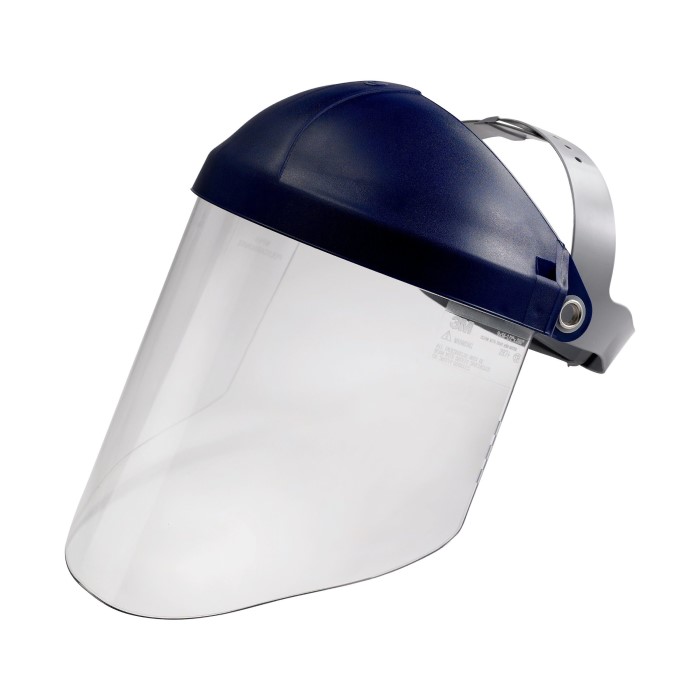
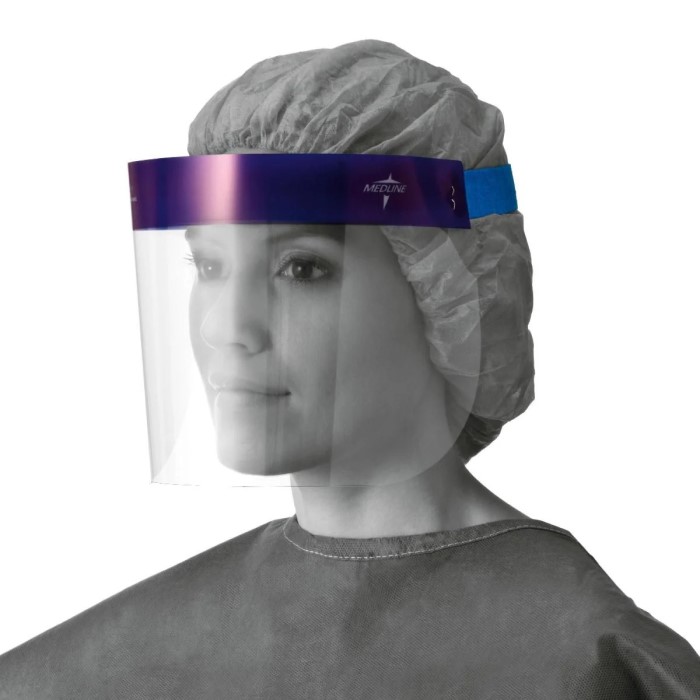
A plastic face shield is a protective device made from transparent plastic. It covers your face to guard against droplets, splashes, and particles. This shield is usually mounted on a headband or helmet for easy wear. It offers a clear view while ensuring safety.
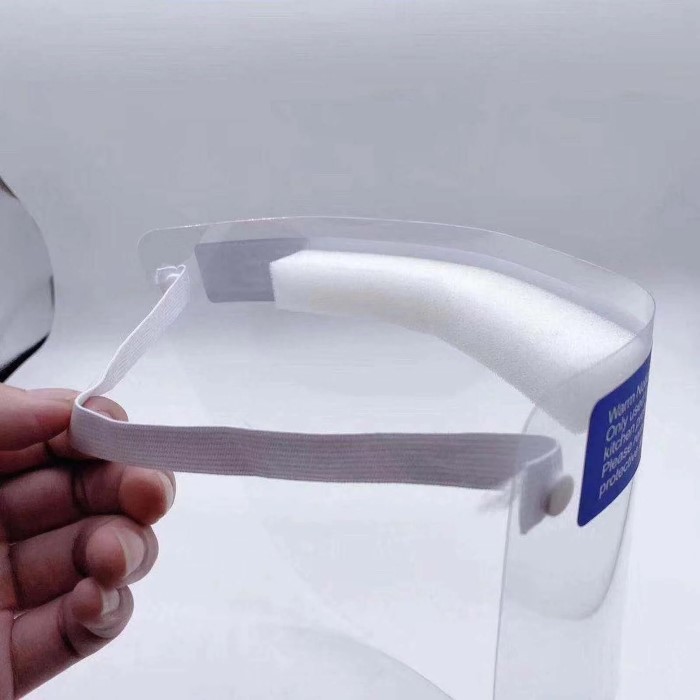
Plastic face shields are designed for use in different settings, such as healthcare, industry, and personal applications. They provide coverage for the eyes, nose, and mouth, reducing the risk of exposure. These shields are lightweight and comfortable, making them suitable for extended wear.
Most plastic face shields are made from durable materials like polycarbonate or PET plastic. These materials resist impact and scratches, ensuring long-lasting use. Some designs also include foam padding or adjustable straps for a better fit, enhancing comfort.
Unlike masks, these shields cover the entire face, offering broader protection. They complement other protective gear, such as masks and goggles, to improve safety. Plastic face shields are easy to clean and maintain, making them a practical reusable option for daily use.
In summary, a plastic face shield is a transparent barrier that protects the face. It combines safety and comfort, making it essential in various industries and everyday life.
Different Types
Plastic face shields come in various types, tailored for different needs and settings. Understanding these types helps in choosing the right protection.
Full-Length Face Shields
Full-length face shields cover the entire face, from the forehead down to the chin. They offer maximum coverage against droplets, splashes, and particles. These shields are commonly used in healthcare, laboratories, and industrial settings.
Half-Length Face Shields
Half-length shields cover the eyes, nose, and upper part of the face. They are lighter and more comfortable but provide less protection than full-length shields. They are often used in personal and casual settings.
Adjustable Face Shields
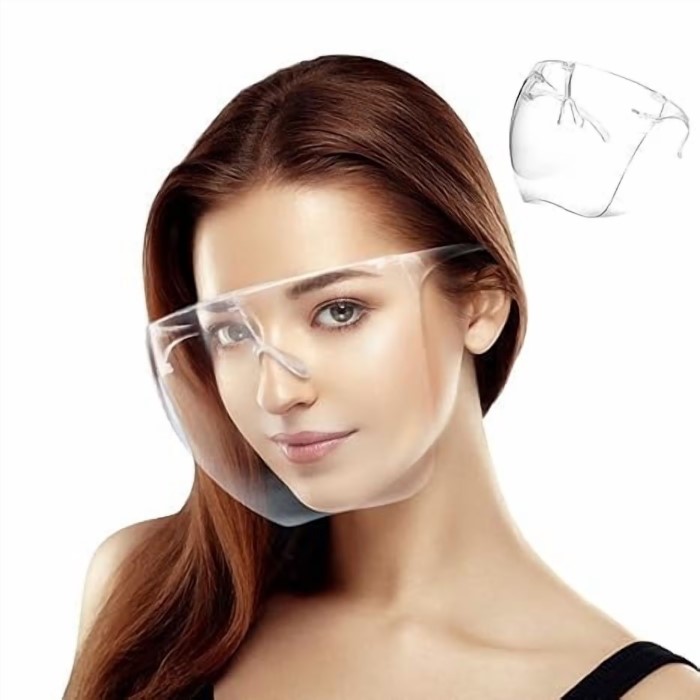
Adjustable shields come with straps or headbands for a customized fit. They cater to different head sizes, ensuring comfort during long wear. These are suitable for healthcare workers and industrial professionals.
Disposable Face Shields
Disposable plastic face shields are for single use. These are lightweight and cost-effective. They are commonly used in healthcare for infection control, especially during surgeries or emergencies.
Reusable Face Shields
Reusable shields are made from durable materials like polycarbonate or PET plastic. They are easy to clean and suitable for regular use. Their longevity makes them a sustainable option for professionals and daily users.
Foam-Padded Face Shields
Foam-padded shields have cushioning along the forehead area. This padding adds comfort by reducing pressure on the skin. These are ideal for prolonged use, especially in medical and industrial environments.
Anti-Fog Face Shields
Anti-fog shields are treated to prevent moisture or fogging. They provide a clear view, even during extended wear in humid or high-temperature environments. These are perfect for healthcare and industrial settings requiring precision.
In summary, different types of plastic face shields meet specific needs. Consider comfort, protection level, and usability when selecting the right shield.
Common Uses
Plastic face shields serve a variety of purposes across different settings. They provide reliable protection, making them essential for specific industries and daily use. Below, we explore the major applications of plastic face shield.
Healthcare Industry Applications
Plastic face shields are widely used in healthcare environments. They protect frontline workers, doctors, and nurses from exposure to hazardous droplets and particles. During surgical procedures, face shields add an extra layer of safety alongside masks. These shields are also used in dental care, protecting workers from splashes of fluids.
In emergency settings, plastic face shields help healthcare teams minimize the spread of infections. Anti-fog designs maintain clear visibility, ensuring precision during medical tasks. Lightweight, adjustable shields provide comfort and facilitate long hours of wear for medical professionals.
Industrial and Manufacturing Uses
In industrial environments, plastic face shields guard workers against flying debris, chemical splashes, and harmful particles. They are commonly used in construction, welding, and chemical handling tasks. Full-length shields offer maximum coverage, reducing the risk of injury.
Foam-padded face shields are particularly useful for industrial jobs involving extended wear. These shields enhance worker comfort while maintaining a high level of protection. Furthermore, anti-fog models ensure clear vision in humid or high-temperature settings, aiding accuracy and efficiency.
Personal and Everyday Use
Plastic face shields are ideal for personal protection in various daily scenarios. They are useful for public transportation, grocery shopping, and other crowded places. Reusable shields are favored by individuals for their durability and easy maintenance, making them practical for regular use.
These shields also assist people with respiratory concerns by reducing their exposure to droplets and particles. Lightweight and adjustable designs make them comfortable for all-day wear, ensuring convenience for personal use.
In conclusion, plastic face shields are versatile protective tools used in healthcare, industry, and daily life. Their adaptability, safety, and comfort make them essential for diverse applications.
Benefits of Using Plastic Face Shield
Plastic face shields offer numerous advantages, making them a preferred choice for protection. Their design combines safety, comfort, and practicality. Below, we discuss the key benefits in detail.
Protection Against Droplets and Particles
Plastic face shields create a physical barrier against airborne particles and droplets. They cover the entire face, reducing exposure to harmful elements. This protection is crucial in environments like hospitals, labs, and public spaces. Unlike masks, shields guard the eyes, nose, and mouth simultaneously. They are effective in minimizing the spread of infections. Healthcare workers rely on shields for added safety during procedures and emergencies. Stores, public transport, and crowded areas also benefit from shield protection.
Reusability and Easy Maintenance
Plastic face shields are designed for multiple uses, which saves costs over disposable options. Materials like polycarbonate or PET ensure durability, allowing shields to perform under frequent usage. Cleaning is simple, requiring just water and disinfectant to maintain hygiene. Reusable shields reduce waste compared to single-use alternatives, supporting sustainability goals. Their long lifespan makes them ideal for professionals and routine users seeking reliability and economy. Adjustable designs further enhance usability, catering to various head sizes comfortably.
Enhanced Visibility and Comfort
Clear plastic materials provide unobstructed visibility, making shields practical in precision tasks. Anti-fog treatments improve vision in humid or warm conditions, crucial for healthcare and industries. Lightweight construction allows extended use without causing discomfort or fatigue. Foam-padded models ensure a gentle fit, preventing irritation during long hours of wear. Adjustable straps or headbands align the shield securely, guaranteeing stability throughout activities.
In summary, plastic face shields deliver exceptional protection, convenience, and comfort. Their versatile design suits healthcare, industrial, and personal needs effectively.
Comparing Plastic Face Shields to Other Face Protection Options
Plastic face shields provide a unique combination of safety, comfort, and versatility. While other face protection options, such as masks and goggles, serve specific purposes, plastic face shields offer broader coverage and additional benefits. Here’s how they compare:
Plastic Shields vs Masks
- Plastic face shields cover the entire face, including eyes, nose, and mouth. Masks only cover the nose and mouth.
- Shields provide a physical barrier against splashes and droplets. Masks filter particles, but do not shield the eyes.
- Shields are reusable, easy to clean, and durable. Masks are often disposable and less eco-friendly.
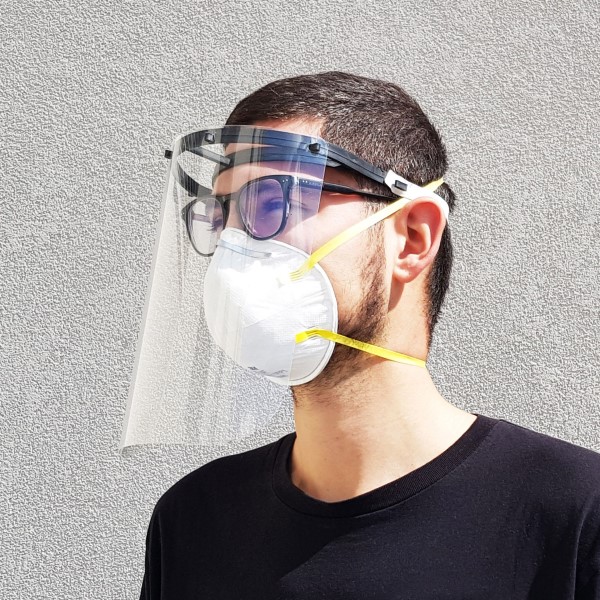
- Masks are better at filtering small airborne particles. Shields complement masks for enhanced protection in risky environments.
Face Shields vs Goggles
- Goggles protect only the eyes, while face shields provide full-face coverage.
- Shields guard against droplets and particles, minimizing exposure to both eyes and respiratory pathways.
- Goggles may fog during use, affecting visibility. Anti-fog face shield designs prevent condensation and maintain clear vision.
- Wearing goggles with masks can cause discomfort during long hours. Shields combine eye and respiratory protection in one device, reducing the need for multiple items.
Plastic Shields vs Respirators
- Respirators filter out very small particles and provide tight facial coverage. Shields are less effective at filtration but block direct exposure to splashes and sprays.
- Respirators are typically worn tightly and may cause discomfort during prolonged use. Shields are lightweight and adjustable for all-day wear.
- Shields enhance the safety of respirators by blocking external splashes and improving combined protection.
Conclusion
Plastic face shields complement other face protection options rather than compete with them. When combined with masks or respirators, they enhance safety significantly. Shields are practical for healthcare, industry, and daily uses, providing comfort and ease of maintenance. Choose the right tools based on your specific needs to maximize protection and convenience.
How to Properly Use and Maintain a Plastic Face Shield
Using and maintaining a plastic face shield correctly ensures maximum protection and durability. Follow these easy instructions to make the most of your shield.
How to Use a Plastic Face Shield
- Ensure Proper Fit: Adjust the headband or straps to fit securely but comfortably.
- Position Correctly: Place the shield to cover your entire face, including eyes, nose, and mouth.
- Remove Carefully: Avoid touching the front of the shield when removing it, to prevent contamination.
- Pair with Other Gear: Use masks or goggles for added safety in high-risk environments.
Maintenance of a Plastic Face Shield
Regular Cleaning
- Daily Maintenance: It’s essential to clean the shield every day, especially if it is used frequently. Daily cleaning helps remove any accumulated dirt, oils, or contaminants that can obscure visibility and diminish protection.
- Cleaning Procedure: Use lukewarm water mixed with a gentle disinfectant solution to clean the surface of the face shield. This combination effectively removes impurities while ensuring that the shield remains clear.
- Avoid Abrasive Cleaners: Steer clear of harsh or abrasive cleaners, as these can scratch the surface of the shield and compromise its clarity. Instead, opt for a soft cloth or sponge to gently wipe the shield without causing damage.
- Drying Method: After cleaning, allow the shield to air dry or gently pat it dry with a soft, lint-free cloth. Avoid using paper towels, as they can leave fibers on the shield’s surface.
Inspect for Damage
- Regular Inspections: Make it a habit to conduct regular inspections of the face shield to ensure it remains in optimal condition. Look for any signs of wear that could affect its protective capabilities.
- Identifying Cracks and Scratches: Carefully examine the shield for any cracks, scratches, or other defects. These can impair visibility and reduce the shield’s overall effectiveness as a protective barrier.
- Replacement Criteria: If you notice any significant damage, it is crucial to replace the face shield immediately. Using a damaged shield can compromise safety and increase the risk of exposure to harmful elements.
Store Properly
- Storage Environment: Always store the face shield in a clean, dry, and dust-free environment. Proper storage prevents dust accumulation and helps maintain the shield’s clarity and integrity.
- Recommended Storage Position: Ideally, store the shield flat or in an upright position to prevent bending or warping. If using a case or container for storage, choose one that protects the shield from impacts and scratches.
- Avoid Extreme Conditions: Keep the shield away from direct sunlight or high temperatures, as these conditions can cause the material to degrade over time, reducing its effectiveness.
Follow Manufacturer’s Guidelines
- Adherence to Instructions: Each manufacturer provides specific care instructions and usage limits for their products. It’s vital to read and follow these guidelines closely to ensure the face shield remains effective and safe to use.
- Understanding Usage Limits: Be aware of how long the manufacturer recommends using the shield continuously. Exceeding these limits can lead to diminished protective features or comfort.
- Maintenance Products: If the manufacturer suggests particular cleaning supplies or maintenance routines, incorporate these into your care regimen. This practice can enhance the longevity of the face shield and ensure it operates as intended.
Proper use and care maintain the shield’s effectiveness and prolong its life. Clean regularly and handle gently to ensure persistent protection.
Where to Purchase High-Quality Plastic Face Shield
Finding high-quality plastic face shields is essential for effective protection and durability. Several trusted sources provide excellent options suitable for various uses. Here’s where to look for reliable products:
Healthcare Supply Stores
Healthcare supply stores offer medical-grade face shields designed for healthcare professionals. These shields meet strict safety standards to ensure optimal protection.
Online Retail Platforms
Online platforms like e-commerce websites specialize in protective gear. They offer diverse options, including adjustable and reusable shields. Customer reviews help in evaluating quality before purchase.
Industrial Safety Stores
Industrial supply stores stock face shields for construction, manufacturing, and chemical handling. They provide durable designs, often padded or anti-fog, for heavy-duty use.
Pharmacies and Drug Stores
Local pharmacies often carry basic plastic face shield for personal and casual use. Their options are affordable and ideal for everyday protection.
Specialty Protective Gear Shops
Specialized stores focus on protective equipment, offering premium-quality shields tailored for specific needs. Foam-padded and anti-fog designs are common in these shops.
Direct Manufacturers
Buying directly from manufacturers gives access to bulk options and better pricing. Many manufacturers also offer customization for specific industries.
Conclusion
High-quality plastic face shields are available at medical stores, industrial suppliers, and online platforms. Compare features, costs, and reviews before making your choice. Prioritize durability, comfort, and usability to find the best fit for your needs.