Introduction
In recent years, full face shields have gained immense popularity across various fields, from healthcare to construction, and even in everyday settings. As we navigate a world where personal protection is crucial, the question arises: What are the benefits of a full face shield? The answer lies in its multifunctional capabilities. A full face shield provides essential protection against various hazards, including physical and biological threats. This article will thoroughly examine the many benefits of full face shields and explain why they should be an integral part of your safety gear.
What is a Full Face Shield?
A full face shield is a protective device designed to cover the face completely. It offers defense against various hazards such as splashes, debris, and harmful particles. The shield provides a clear view while serving as a barrier between the face and external dangers.
Definition and Design Features
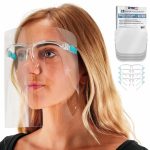
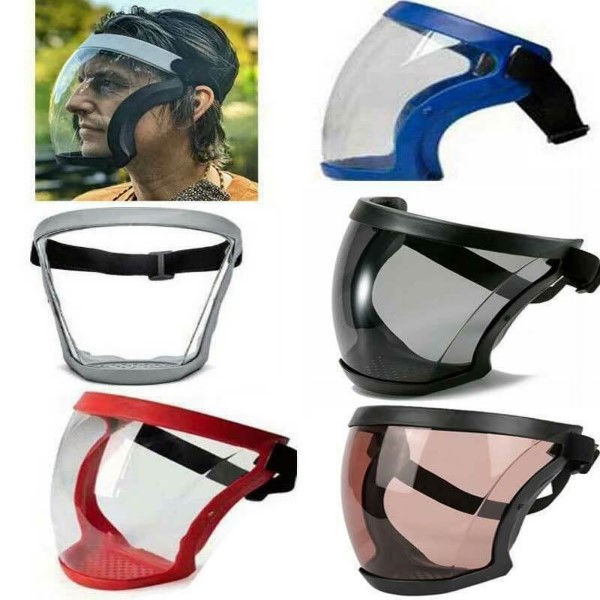
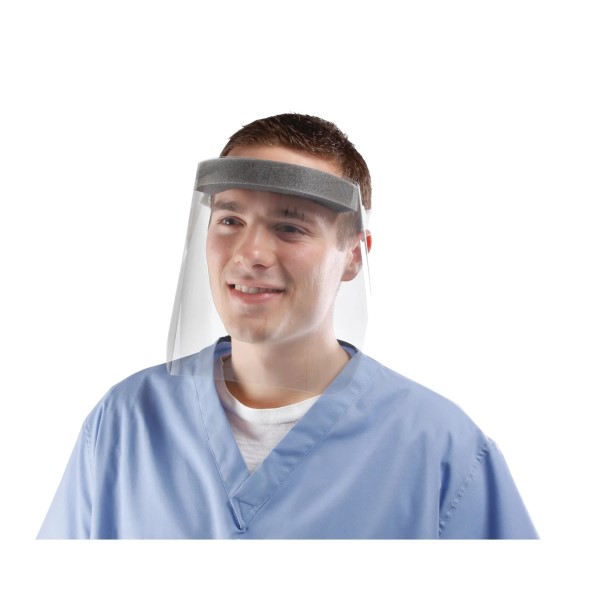
The full face shield consists of a transparent visor attached to a headband or frame. The visor typically extends from the forehead to below the chin, offering full facial coverage. Adjustable straps ensure a secure fit for different head sizes. Most face shields are lightweight and ergonomically designed for prolonged use without discomfort.
Some shields include additional features like anti-fog coating or UV protection. These enhancements improve functionality in specific environments. The design balances safety with visibility, making it an effective choice across diverse applications.
Common Materials Used
Full face shields are made from durable and lightweight materials. Common materials include:
- Polycarbonate: High impact resistance and optical clarity.
- PET (Polyethylene Terephthalate): Lightweight with excellent transparency.
- Acetate: Resistant to chemicals and scratches.
Manufacturers also incorporate foam or padding for extra comfort. Some also use metal or plastic for headbands and frames. The choice of materials makes face shields effective against impact, liquid splashes, and dust.
Importance of Using
Full face shields play a crucial role in safety across various environments. They serve as a reliable barrier against potential risks, ensuring enhanced protection.
Enhanced Protection Against Hazards
Full face shields offer advanced defense against diverse hazards, making them indispensable in many settings.
- Protection from Splashes and Liquids: Shields block harmful substances like chemicals or body fluids from reaching the face.
- Guard Against Flying Debris: They act as a shield against particles, reducing the risk of injury from sharp or high-speed objects.
- Barrier from Harmful Particles: Shields prevent contact with dust, toxic fumes, or airborne diseases, maintaining cleanliness and safety.
- Impact Resistance: Durable materials like polycarbonate ensure shields endure accidental hits or forces.
Their wide coverage and strong build provide superior protection compared to other safety devices. These shields are particularly effective in environments with high exposure risks.
Key Industries and Applications
The use of full face shields spans multiple industries where employee safety is paramount.
- Healthcare: Medical staff use shields to prevent exposure to infectious diseases during patient care.
- Construction: Workers wear shields to guard against flying debris, dust, and accidental impacts.
- Chemical Labs: Shields protect lab personnel handling hazardous substances from splashes and dangerous reactions.
- Manufacturing: Factory workers use shields as a defense against sparks, molten materials, and sharp particles.
- Education and Research: Shields ensure safety during experiments or classroom training involving hands-on chemical activities.
These devices are versatile and practical across industries, emphasizing their importance in maintaining safe working environments. Investing in full face shields protects workers from harm and maintains operational efficiency.
Benefits
Full face shields provide numerous benefits, making them a vital safety device in various settings.
Comprehensive Safety Coverage
Full face shields offer full protection for the entire face, from forehead to chin. They effectively block splashes, flying debris, and harmful particles. Shields protect eyes, nose, and mouth from hazardous substances or airborne diseases. Their impact-resistant materials ensure defense against accidental hits or sharp objects. This wide coverage reduces risks and boosts safety in dangerous environments.
Reusability and Cost-Effectiveness
Full face shields are reusable, making them a cost-efficient safety solution for workplaces. Many shields are made from durable materials, ensuring long-term usability. Proper cleaning methods maintain shields for repeated use without compromising safety. Investing in reusable shields saves costs compared to disposable alternatives. Their durability is ideal for industries with consistent exposure to hazards.
Comfort and Ease of Use
Modern full face shields are designed for comfort during prolonged use. Lightweight materials reduce strain on the head and neck. Adjustable headbands allow a secure and personalized fit. Anti-fog coatings provide clear visibility, enhancing usability in humid conditions. Shields are easy to wear and remove, making them convenient for everyday applications. Comfort and ease of use help workers focus on tasks without distractions.
Full face shields combine safety, affordability, and comfort, making them indispensable in protective gear.
Comparing Full Face Shields to Other Protective Gear
Full face shields are often compared to other protective gear like safety goggles and masks. Each type of gear has unique advantages depending on the workplace environment and risks involved.
Face Shields vs. Safety Goggles
Face shields and safety goggles serve different purposes despite both protecting the eyes. Here are the key differences:
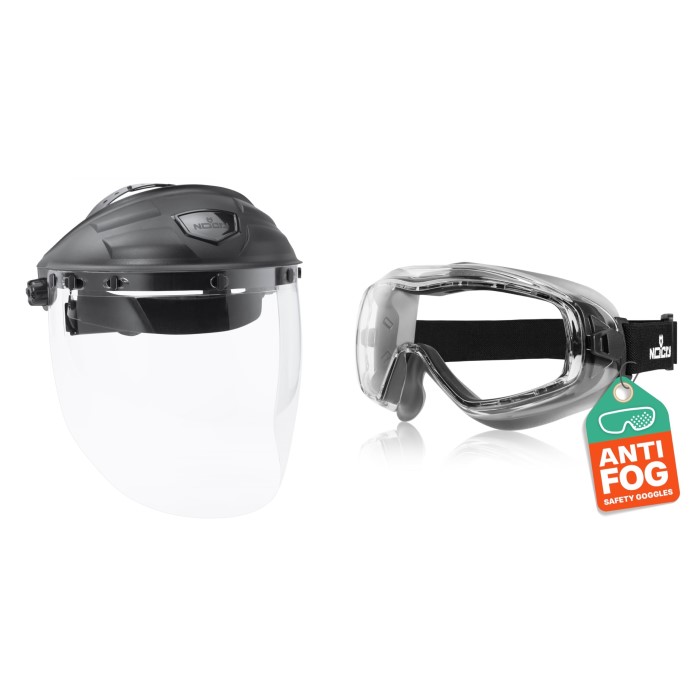
- Coverage: Face shields protect the entire face, while goggles only cover the eyes.
- Protection Level: Shields prevent exposure to splashes, debris, and particles. Goggles focus on eye protection from liquids or impacts.
- Comfort: Shields are lightweight and cover more area, reducing the need for additional gear. Goggles can feel tight and may fog over time.
- Visibility: Face shields cover the face but allow clear visibility. Goggles provide limited vision within a smaller scope.
- Usage: Shields are ideal for environments with high exposure risks to the face. Goggles are suitable for tasks solely requiring eye defense.
Face shields offer a broader protective scope but may be paired with goggles for maximum safety in high-risk conditions.
Differences Between Face Shields and Masks
Face shields and masks are both critical safety tools but serve distinct functions:
Functionality
- Shields are designed to block various hazards, including liquid splashes and flying debris. They create a physical barrier that protects the face from potential injuries caused by impact or exposure to harmful substances.
- Masks, on the other hand, primarily function by filtering airborne particles. They are effective in capturing respiratory droplets and airborne pathogens, thus reducing the risk of disease transmission.
Coverage Area
- Full Face Shields cover the entire face comprehensively. This includes protection for the eyes, mouth, and nose, ensuring that no vulnerable areas are exposed to external hazards.
- Masks only cover the lower portion of the face, specifically the nose and mouth. This limited coverage leaves the eyes and surrounding areas unprotected, making masks less effective against certain threats, such as splashes or impacts.
Reusability
- Face Shields are typically designed for reusability. Most can be easily cleaned and sanitized after each use, allowing them to be a cost-effective option over time.
- In contrast, disposable masks are intended for single use and require frequent replacements. This can lead to increased waste and ongoing costs, particularly in situations that demand high levels of protection.
Comfort
- Face Shields are generally lightweight and ergonomically designed. They do not create a sensation of suffocation, which allows users to wear them comfortably for extended periods without feeling constrained.
- Conversely, masks may limit airflow, leading to discomfort, especially during activities that require heavy breathing. Some users may find them claustrophobic or experience irritation after wearing them for long durations.
Visibility
- Face Shields provide clear, unobstructed vision, allowing users to maintain full awareness of their surroundings. This is particularly beneficial in settings where visual cues are essential, such as workplaces or while interacting with others.
- Masks, while effective for their intended purpose, obscure facial features and expressions. They can hinder communication by making it difficult for others to read non-verbal cues, thereby impacting social interactions and personal engagement.
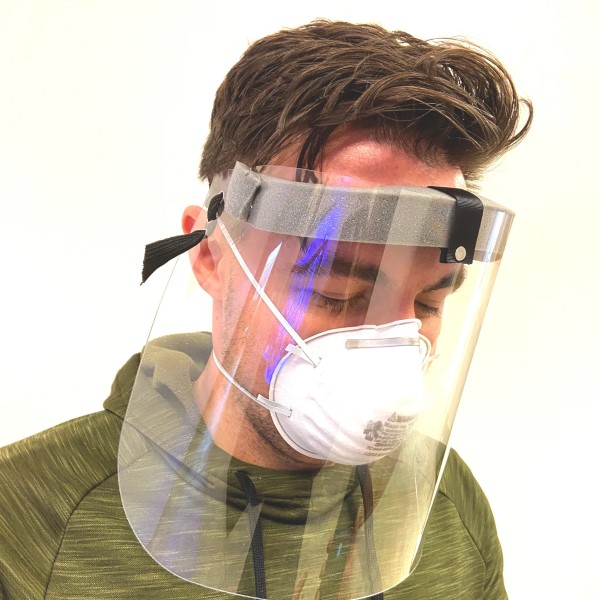
Combining shields with masks ensures comprehensive safety for tasks requiring both respiratory and facial protection.
Understanding the strengths of face shields versus goggles and masks aids in proper safety gear selection for specific hazards.
Situations Where Full Face Shields are Essential
Full face shields are vital in protecting individuals in high-risk environments. They ensure safety by shielding the entire face from hazards like splashes, debris, and harmful particles. Specific settings require these shields for effective protection.
Healthcare and Medical Practices
Healthcare professionals rely on full face shields to safeguard against infectious diseases. These shields block body fluids, like blood or respiratory droplets, from reaching the face. Nurses, doctors, and caregivers use them during surgeries, patient care, and dental treatments. The shields help reduce exposure to bacteria and viruses, improving patient safety and protecting frontline workers.
Construction and Industrial Settings
Construction workers and industrial staff benefit greatly from full face shields. They guard the face against flying debris, sparks, and dust during tasks such as welding, grinding, or cutting. Shields made from durable materials handle impacts effectively and offer clear visibility. Their use ensures workers’ safety and reduces the risk of workplace injuries.
Laboratory and Chemical Exposure
In labs and chemical facilities, full face shields are crucial for handling hazardous materials. These shields protect workers from chemical splashes, toxic fumes, and other dangerous substances. Acetate shields are particularly suited for resisting chemicals without compromising visibility. They ensure safety during research, manufacturing processes, and experiments involving volatile substances.
Full face shields provide essential protection across various high-risk environments. Their usage reduces workplace accidents and ensures adherence to safety standards.
How to Choose the Right Full Face Shield
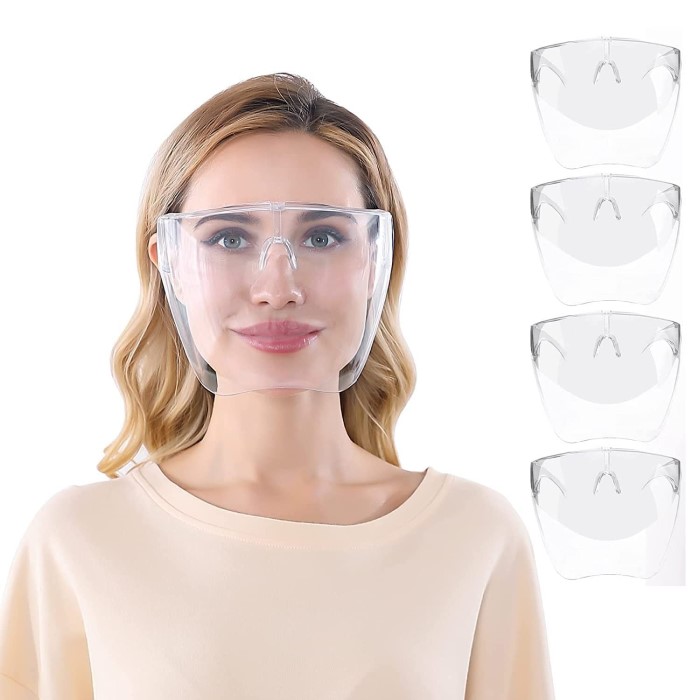
Selecting the best full face shield is vital for effective protection and comfort. Various factors and brands can guide you in making the right choice.
Factors to Consider in Selection
When choosing a full face shield, evaluate these key aspects:
- Material Quality: Ensure shields are made from durable materials like polycarbonate or PET. These offer impact resistance and optical clarity.
- Comfort: Look for lightweight designs with adjustable straps for a secure fit during long usage.
- Additional Features: Consider shields with anti-fog coating or UV protection for enhanced usability.
- Environment Suitability: Match the shield to your specific workplace hazards, such as chemical exposure or flying debris.
- Visibility: Clear visors are essential for maintaining optimal visual clarity without distortion.
- Ease of Maintenance: Opt for shields that are easy to clean and reuse for cost-efficiency.
These factors ensure the full face shield meets your needs and safety requirements.
Top Brands and Recommendations
Several trusted brands manufacture high-quality full face shield. Here are some recommended options:
- Honeywell: Known for durable and ergonomic designs suitable for diverse industries.
- 3M: Offers shields with advanced coatings and reliable material for enhanced protection.
- Uvex: Provides lightweight shields with anti-fog technology and comfortable fit.
- Jackson Safety: Specializes in shields for industries like welding, offering impact resistance.
- Pyramex: Features shields with excellent visibility and comfort for prolonged use.
Choose brands that align with your specific work environment and safety needs.
Investing in a suitable full face shield ensures protection, comfort, and optimal performance in high-risk settings.
Maintenance and Care Tips
Proper maintenance ensures the longevity and effectiveness of your full face shield. Regular cleaning and correct storage are crucial.
Proper Cleaning Techniques
- Use Mild Soap and Clean Water: Wash the shield with mild soap to remove dirt and particles. Rinse thoroughly with clean water.
- Avoid Harsh Chemicals: Do not use bleach, ammonia, or abrasive cleaners. These can damage the shield.
- Dry Gently: Use a soft, lint-free cloth to pat the shield dry. Avoid scrubbing to prevent scratches.
- Clean Regularly: Clean the shield after each use, especially in high-contamination environments. This prevents the buildup of harmful substances.
- Follow Manufacturer Instructions: Refer to the user manual for recommended cleaning methods specific to your shield.
Proper cleaning prevents fogging, maintains visibility, and enhances protection against hazards.
Guidelines for Storage and Longevity
- Store in a Cool, Dry Place: Keep the shield away from direct sunlight, heat, or moisture to avoid warping.
- Use Protective Packaging: Store the shield in its original packaging or a protective case to prevent scratches.
- Inspect Regularly: Check for cracks, scratches, or damage before each use. Replace if significantly worn out.
- Avoid Heavy Objects: Do not place heavy items on the shield during storage. This can cause distortion.
- Handle with Care: Avoid dropping or bending the shield. Mishandling reduces effectiveness and safety.
Following these guidelines maximizes the lifespan of a full face shield while ensuring reliable protection.
Conclusion: Trust in Full Face Shields for Protection
In summary, full face shields offer vital protection, making them an indispensable tool for safety in various environments. With comprehensive face coverage, eye safety, and enhanced visibility, these shields cater to the diverse needs of users in multiple professions and scenarios.
In light of the ongoing focus on health and safety, incorporating a full face shield into your PPE is not only a smart choice but also a necessary one. As we continue to prioritize safety awareness, investing in reliable protection will ensure you are prepared for any situation. Embrace the benefits of full face shields today, and enjoy the peace of mind that comes with knowing you are well-protected.