Importance
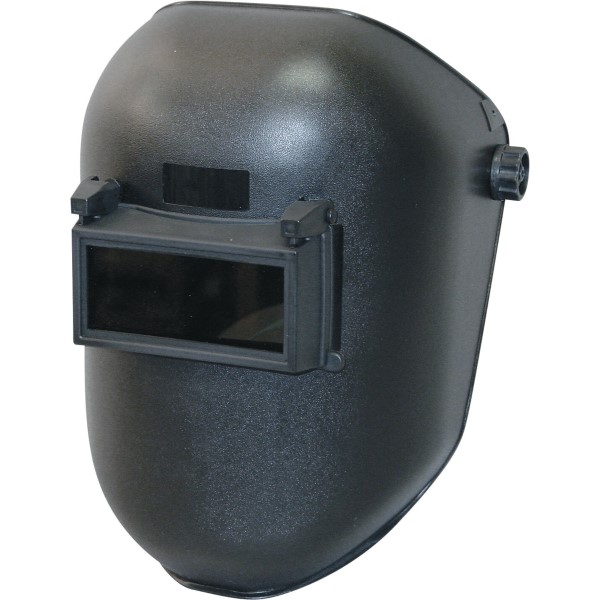
Welding face shield is essential for protecting welders from serious hazards. These shields provide safety against sparks, ultraviolet radiation, and harmful debris during welding tasks.
Protection Against Hazardous Sparks
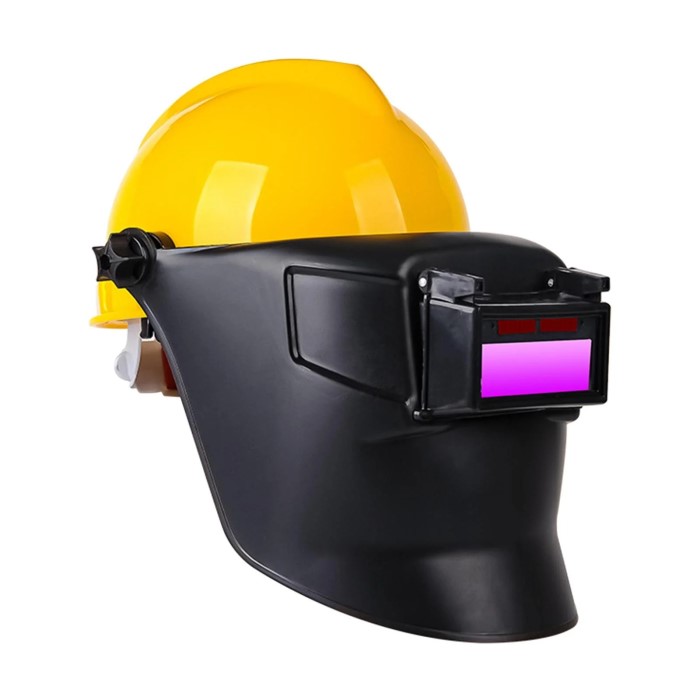
When welding, sparks are a natural occurrence, and they can cause burns or injuries. Welding face shields act as a protective barrier, reducing the risk of spark-related damage to the face and eyes.
Defense from Harmful UV and Infrared Radiation
Welding generates intense ultraviolet and infrared radiation, which can severely damage the eyes and skin. Shields equipped with proper filters block harmful radiation, safeguarding the welder’s health.
Prevention of Injuries from Flying Debris
Welding often involves melting and joining metals, leading to the production of airborne debris. A welding face shield prevents these particles from hitting the eyes and face, reducing injury risks.
Boosting Work Efficiency and Confidence
By providing a safe environment, face shields help welders focus on the task without safety concerns. This improves their efficiency and minimizes potential errors.
Mandatory for Compliance with Safety Standards
Using a welding face shield is often required by safety regulations. Adhering to these practices ensures that welders comply with workplace safety standards and avoid penalties.
Welding face shields play a critical role in ensuring safety, protecting health, and maintaining confidence during tasks. Their importance cannot be overstated.

Key Features
Welding face shields are essential tools for ensuring safety during welding processes. Their key features make them effective and reliable in protecting welders from various hazards.
High-Quality Lens with Radiation Filters
The lens of a welding face shield blocks harmful ultraviolet and infrared radiation. These filters protect your eyes from permanent damage caused by intense light exposure during welding tasks.
Impact-Resistant Materials
Face shields are made of strong materials that resist sparks, debris, and heat. This durability ensures long-term protection against common welding dangers like flying metal particles.
Adjustable Fit for Comfort
Most welding face shields come with adjustable straps or headgear. This feature allows users to snugly fit the shield, ensuring comfort while maintaining safety.
Flip-Up Design for Convenience
Many shields include a flip-up mechanism for the lens. This handy feature allows welders to easily inspect their work without completely removing the shield.
Lightweight Structure
A lightweight design minimizes strain on the neck and head. It makes the shield easier to wear for extended periods during demanding welding jobs.
Compatibility with Respiratory Masks
Some shields are designed to accommodate respiratory protection. These models allow welders to wear masks underneath without compromising safety or comfort.
Wide Viewing Area
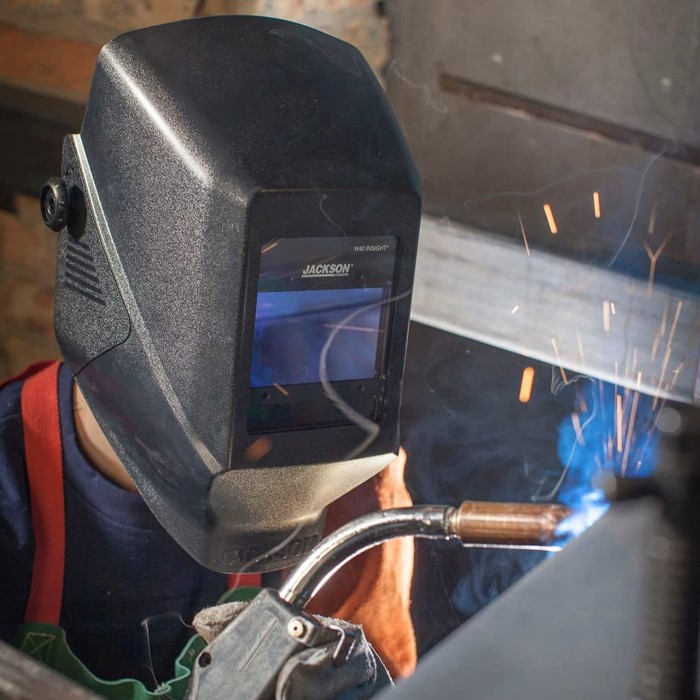
A larger viewing area improves visibility, helping welders achieve precision. This feature ensures better accuracy while protecting the eyes and surroundings.
Fire-Resistant Coating
Fire-resistant materials or coating enhance the shield’s safety against heat and sparks. Welders can work confidently knowing their shield can handle extreme conditions.
Quality Certification
Certified shields comply with safety standards. These certifications guarantee the product’s effectiveness in industrial welding settings and adherence to regulations.
Welding face shields combine these features to provide maximum protection and usability. Choosing the right features ensures both safety and efficiency during welding tasks.
Types
Welding face shields come in various types to meet different needs and tasks. Each type offers unique features tailored to specific welding requirements.
Passive Welding Face Shield
Passive shields use fixed lenses. They offer consistent protection but require manual adjustments. They are suitable for simple welding tasks.
Auto-Darkening Welding Face Shield
Auto-darkening shields adjust lens darkness automatically. They protect the eyes while allowing clarity when not welding. These shields are ideal for frequent welding tasks.
Powered Air-Purifying Respirator (PAPR) Shields
PAPR shields include built-in air filtration systems. They keep welders safe from fumes and harmful gas. These shields combine respiratory and facial protection for maximum safety.
Full-Coverage Welding Helmets
Full-coverage shields protect the entire head and neck. They are great for tasks requiring extensive protection from debris and sparks.
Lightweight Hand-Held Shields
Hand-held shields are portable and simple. They are used for light-duty operations where mobility is important.
Fixed vs. Flip-Up Shields
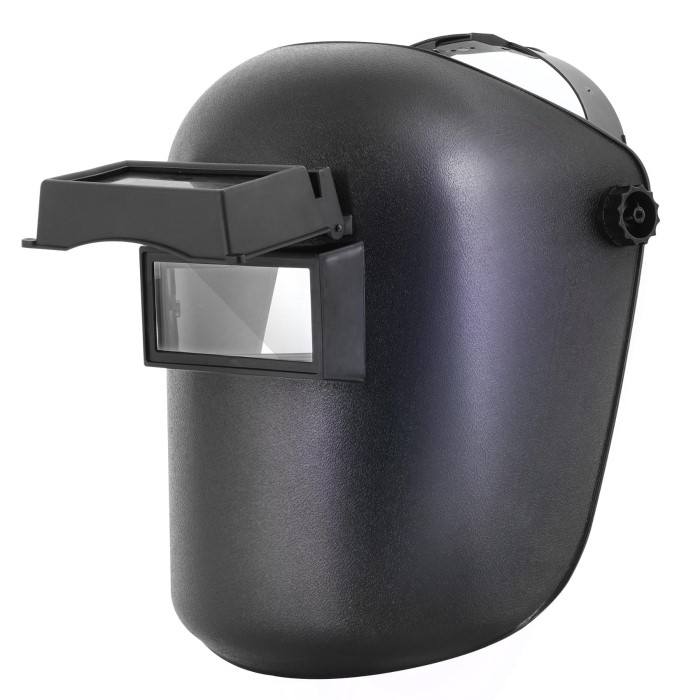
Fixed shields have static lenses. Flip-up shields allow welders to lift the lens for switching tasks. Flip-up designs offer convenience during multiple processes.
Specialty Shields for Specific Tasks
Some shields are tailored for unique welding techniques, such as underwater welding. These provide specialized safety measures for extreme environments.
Choosing the right type is critical. Consider factors like task complexity, safety standards, and personal comfort.
Materials Used
Welding face shields are designed using specific materials to ensure maximum safety and durability. These materials are carefully chosen to withstand the harsh conditions encountered during welding tasks. Below are the common materials used in welding face shield:
Heat-Resistant Plastics
High-quality heat-resistant plastics are commonly used to construct the shield’s outer shell. These plastics protect welders from extreme heat and sparks, making them a reliable and durable choice.
Polycarbonate Lenses
Polycarbonate lenses are widely used in welding face shield due to their strength and impact resistance. They effectively block harmful ultraviolet (UV) and infrared (IR) radiation, ensuring safety for the eyes.
Fire-Resistant Coatings
Many welding shields are treated with fire-resistant coatings. These coatings enhance the shield’s ability to endure high temperatures without deforming or catching fire.
Lightweight Alloys
Lightweight alloys such as aluminum are sometimes used for reinforcement. These materials provide additional durability while keeping the shield light for extended wear.
Protective Foam Padding
Some face shields include padding for added comfort. Foam padding enhances the fit and minimizes strain on the head and neck during long working hours.
Anti-Fog and Anti-Scratch Coatings
Lens surfaces are often treated with anti-fog and anti-scratch coatings. These treatments improve visibility and extend the lifespan of the shield.
Rubber and Silicone Components
Rubber and silicone bands are used for adjustable straps and seals. These components ensure secure fitting and provide comfort during use.
Transparent Filters
Special transparent filters are incorporated to block harmful radiation while maintaining clarity. These filters are critical for accurate welding results.
Impact-Resistant Glass
In some specialty shields, tempered glass is used. This material delivers exceptional clarity and resistance to debris impact, making it ideal for precision tasks.
Certified Materials for Industrial Standards
All materials used in high-quality welding face shield comply with safety standards. Certifications guarantee the effectiveness and reliability of the shield in industrial settings.
Understanding the materials used can help in choosing a shield that provides the best protection and comfort. Welders should select shields based on their specific needs and working environment.
How to Choose the Right Welding Face Shield
Selecting the right welding face shield is crucial for safety and performance. Consider the following factors to make an informed choice:
Assess Your Specific Welding Requirements
Determine the type of welding tasks you perform. Different shields suit different processes, like MIG, TIG, or arc welding.
Check Lens Quality and Filter Options
Choose shields with UV and IR protective lenses. Auto-darkening lenses are ideal for precision and frequent use.
Prioritize Comfort and Fit
Ensure the face shield is adjustable and fits securely. Comfortable straps prevent strain during long tasks.
Opt for Durable Materials
Select shields made from heat-resistant plastics and polycarbonate lenses. These endure harsh welding conditions.
Evaluate Viewing Area Size
Choose shields with a wide viewing area for better visibility. This improves accuracy and safety.
Consider Additional Features
Flip-up designs, anti-fog coatings, and compatibility with respiratory masks enhance usability and efficiency.
Review Certifications and Standards
Always pick shields that meet safety certifications. Compliant shields guarantee quality and reliability.
Match to Environmental Needs
For extreme conditions like underwater welding, opt for specialty shields. These are tailored for unique environments.
Making the right choice ensures safety, comfort, and efficiency in welding tasks. Always prioritize your protection and work requirements.
Proper Usage and Maintenance
Proper usage and maintenance are essential to ensure welding face shield provide maximum safety.
How to Use Welding Face Shields Correctly
- Inspect Before Use: Check for cracks, scratches, or loose fittings to ensure shield reliability.
- Fit Securely: Adjust straps for a snug and comfortable fit to avoid accidental slipping.
- Match Shield to Task: Use appropriate types like full-coverage or auto-darkening shields based on welding needs.
- Practice Regularly: Ensure familiarity with features like flip-up lenses for efficient task handling.
- Wear Additional Gear: Combine shields with respiratory masks or ear protection if required for comprehensive safety.
Tips for Maintaining Welding Face Shield
- Clean Regularly: Wipe shields with mild detergent or specialized cleaning products after each use.
- Handle with Care: Avoid dropping shields to prevent damage to lenses or safety features.
- Store Properly: Keep shields in cool, dry locations away from direct sunlight or high heat.
- Inspect for Wear: Replace old foam padding, worn straps, or damaged filters promptly.
- Check Certification: Ensure shield materials comply with industrial safety standards during replacements.
Proper use and routine care sustain the effectiveness of welding face shield, enhancing safety during tasks.
Safety Standards and Regulations
Welding face shields must meet strict safety standards to ensure user protection. Adhering to these regulations not only reduces risks but also ensures compliance with workplace laws.
Industry Standards to Follow
- ANSI Z87.1 Certification: This standard specifies eye and face protection requirements. Compliance ensures shields resist impact, heat, and radiation.
- EN 166 Standards: European regulations focus on optical clarity, mechanical strength, and radiation blocking. They ensure shields meet high safety levels.
- Occupational Safety and Health Administration (OSHA) Guidelines: OSHA mandates face shields for hazardous welding environments. Following these rules prevents penalties and accidents.
Key Requirements for Welding Face Shields
- Proper UV and IR Protection: Shields must block harmful ultraviolet and infrared radiation effectively.
- Durable Materials: Shields must be made from heat-resistant and impact-resistant substances.
- Secure Fit: Adjustable straps or headgear are essential to avoid slipping or discomfort.
Importance of Compliance
- Avoiding Legal Issues: Non-compliance with standards leads to fines or operational bans.
- Ensuring Worker Safety: Proper shields prevent injuries from sparks, debris, and harmful radiation.
- Maintaining Workplace Reputation: Following regulations reflects a commitment to safety and professionalism.
Recommendations for Choosing Certified Shields
- Review Certification Labels: Look for ANSI and EN markings clearly displayed.
- Inspect Product Durability: Certified shields usually undergo rigorous testing.
- Consult Manufacturer Guidelines: Verify that the shield complies with relevant safety regulations.
Meeting safety standards ensures welding shields perform well and protect users effectively. Always prioritize regulation-compliant models.
Common Mistakes to Avoid When Using a Welding Face Shield
Using a Damaged Shield
A damaged shield reduces protection against sparks, radiation, and debris. Inspect your shield frequently.
Ignoring Proper Fit
A loose or improperly fitted shield exposes your face to hazards. Adjust straps securely.
Misusing Flip-Up Lenses
Failing to lower the lens during welding leaves your eyes unprotected. Always check lens positioning.
Neglecting Shield Maintenance
Not cleaning the shield regularly diminishes visibility and safety. Clean and store properly after each use.
Using the Wrong Type for the Task
Selecting an incompatible shield increases risks. Match shield type to welding tasks like TIG or MIG.
Overlooking Additional Safety Gear
Skipping respiratory masks or ear protection can lead to health issues. Combine gear for better safety.
Disregarding Certification Requirements
Using non-certified shields may fail to meet safety standards. Verify certifications like ANSI Z87.1 or EN 166.
Exposing Shield to Extreme Heat
Excessive heat damages materials and reduces shield lifespan. Store shields in cool, dry environments.
Forgetting to Inspect Before Use
Ignoring pre-use checks can lead to accidents. Review shields for cracks, scratches, and loose fittings.
Wearing Shield Incorrectly
Failing to position the shield correctly compromises its effectiveness. Securely adjust to cover the face and eyes.
Avoid these common mistakes to ensure maximum safety and effectiveness in welding tasks.
Conclusion
In conclusion, a welding face shield is an indispensable component of welding safety gear. Considering the latest trends and features can greatly enhance the safety and comfort of welders. By understanding what to look for when choosing a welding face shield, maintaining it properly, and staying informed about advancements in welding technology, users can ensure maximum protection. Investing time and effort into selecting the right welding face shield is not only vital for personal safety but also for overall welding efficiency. As the industry continues to evolve, staying updated on changes will contribute to better safety practices. Your welding face shield is your first line of defense, making it critical for your protection in the field.