Introduction
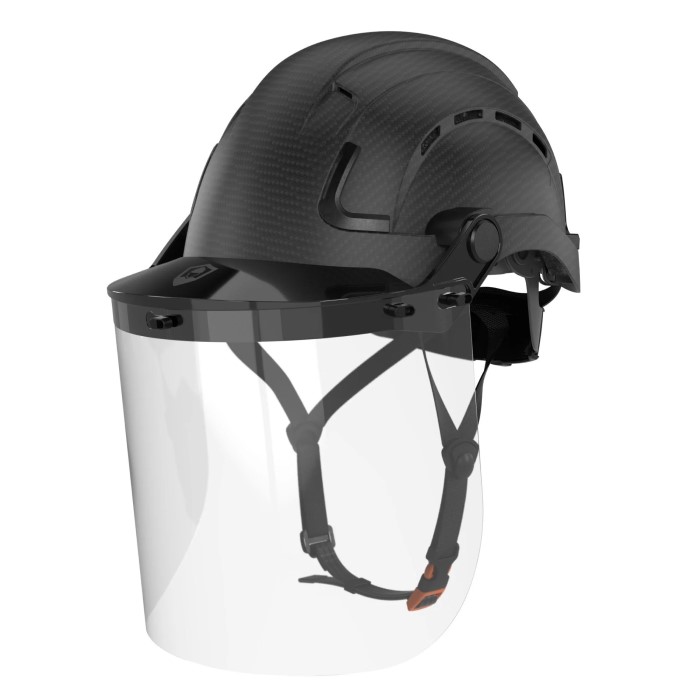
Helmets with face shields are designed to enhance overall safety and protection. They offer continuous protection for the head and face during various activities. The helmet with face shield combines durability, comfort, and functionality in a single product.
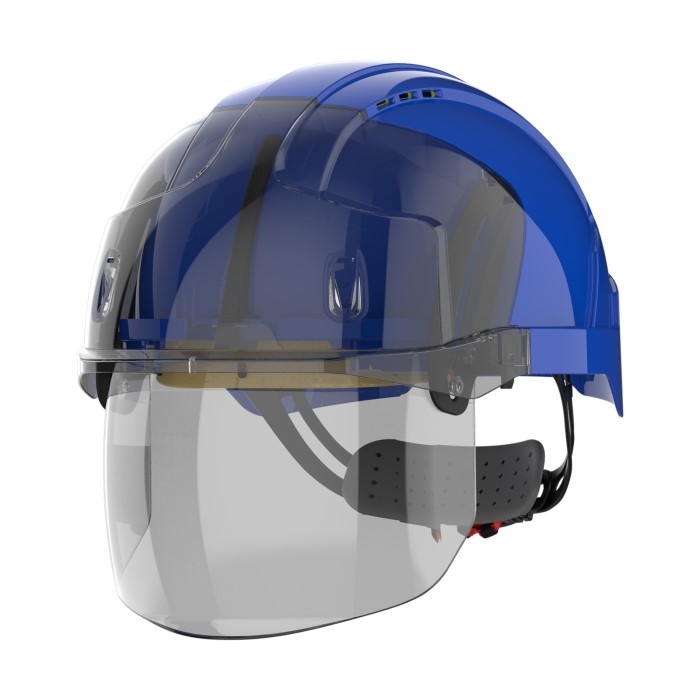
Face shields provide an extended layer of defense compared to traditional helmets. They protect against impacts, flying debris, and environmental hazards. This makes them ideal for dangerous tasks and high-risk environments.
Modern helmets with face shields are made from strong materials. Common materials include polycarbonate and ABS plastic, known for their resilience. Many models are lightweight, ensuring comfort over prolonged use.
Beyond protection, face shields improve visibility. They prevent direct exposure to dust, wind, and bright sunlight. Anti-fog coatings are widely used to keep the shield clear.
These helmets are versatile and cater to different industries. Workers, athletes, and outdoor enthusiasts often rely on them for safety. Additionally, models exist for both professional and recreational use.
In summary, helmets with face shields blend safety, comfort, and practicality. They are essential for personal protection in various environments.
Importance of Helmets in Personal Safety
Helmets are vital for protecting the head during accidents or impacts. They act as a shield against injuries that could be life-threatening. Wearing a helmet reduces the risk of severe brain injuries and long-term disabilities.
Helmet with face shield elevates this safety by extending protection to the face. The face shield prevents injuries from flying debris, dust, and harmful particles. It also offers defense against environmental factors like wind, rain, and harmful sunlight.
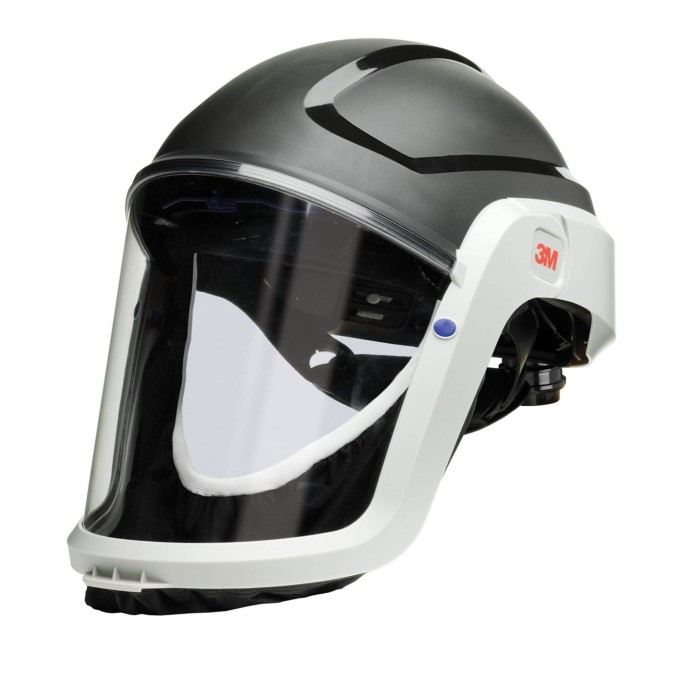
In many professions, helmets play a crucial safety role. Workers in construction, manufacturing, and other high-risk jobs rely on helmets for daily protection. Athletes and motorcyclists also depend on helmets to ensure their safety during activities.
Studies show that helmets significantly reduce the fatality rate in accidents. For bikers, helmet use is legally mandated in many regions due to its effectiveness in saving lives.
In summary, helmets are an essential protective tool for personal safety. Incorporating face shields further enhances this, making helmets indispensable in reducing risks in risky environments.
Advantages of Face Shields over Traditional Helmets
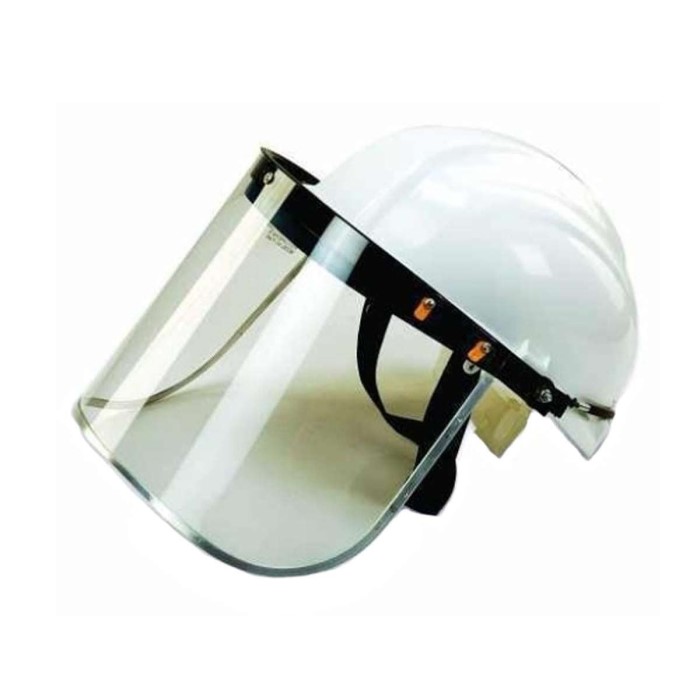
Helmets with face shields offer enhanced protection compared to traditional helmets. Their design covers both the head and face, providing broader safety coverage.
Extended Facial Protection
Unlike regular helmets, face shields protect the entire face from debris and impacts. They minimize risks in hazardous environments by shielding against flying particles, dust, and chemical splashes.
Improved Visibility
Face shields incorporate features like anti-fog coatings for better clarity. They reduce glare from sunlight, ensuring clear vision during outdoor activities. This makes them a practical choice for professionals in dynamic workplaces.
Enhanced Comfort
Helmets with face shields often have padded interiors for comfort during long hours of use. The lightweight materials ensure ease of wear without compromising safety.
Weather Resistance
These helmets offer protection against rain, wind, and harsh sunlight. This versatility makes them ideal for outdoor sports and industrial settings.
Full Coverage Safety
Traditional helmets protect only the head, leaving the face vulnerable. Face shields close this gap by offering complete coverage for both head and face areas.
In summary, face shields significantly enhance the functionality and safety of helmets. Their added features make them suitable for various industries and activities.
Key Features to Look for in Helmets with Face Shields
Durable Materials
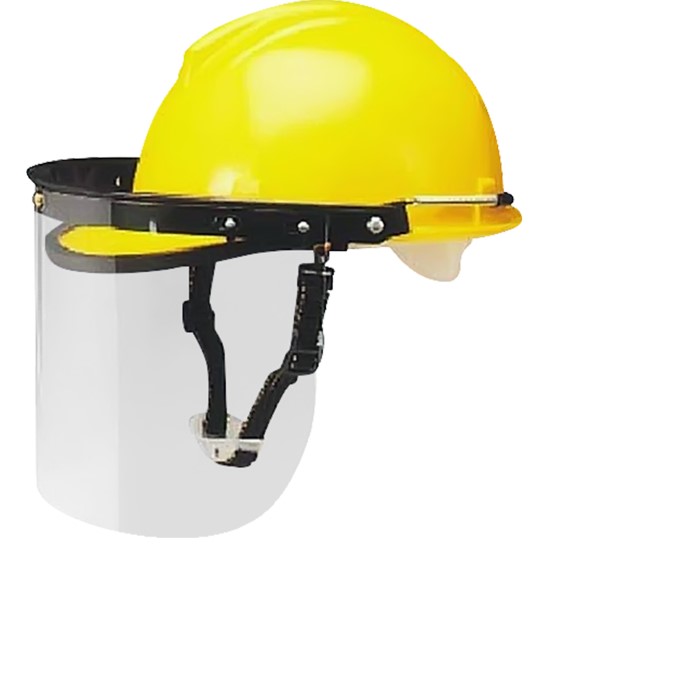
Helmets with face shields should be crafted from strong materials like polycarbonate or ABS plastic. These materials ensure resilience against impacts and environmental stress.
Anti-Fog Coating
Face shields with anti-fog coatings improve visibility in humid or challenging conditions. This feature keeps the shield clear and enhances safety.
Lightweight Design
A lightweight helmet reduces strain during prolonged use. Look for models that balance comfort with durability.
Adjustable Fit
An adjustable fit ensures helmets suit different head sizes. Features like straps and padding enhance the fit and stability.
Ventilation System
Proper ventilation prevents overheating and improves comfort during long hours of wear. Helmets with vents allow airflow without compromising protection.
UV Protection
UV-resistant shields defend against harmful sunlight. This is essential during outdoor activities or work in open spaces.
Wide Face Coverage
Choose helmets with shields that extend down to cover the entire face. This provides optimal safety against debris and environmental threats.
Scratch-Resistant Shield
Scratch-resistant shields maintain clarity and durability over time. This feature ensures a longer lifespan for the helmet.
Versatility
Versatile helmet designs cater to various industries, such as construction, sports, and manufacturing. Select models suitable for your specific needs.
Certification Standards
Check for certifications like ANSI or CE standards. Certified helmets meet safety regulations and ensure high levels of protection.
In summary, evaluating these key features helps ensure maximum safety, comfort, and functionality in helmets with face shields.
Industries and Activities That Benefit from Helmets with Face Shields
Helmets with face shields are versatile and cater to numerous industries and activities. Their exceptional safety and protective features make them invaluable for individuals in various fields.
Construction and Industrial Work
Construction sites are filled with potential hazards like falling debris and dust. Helmets with face shields protect workers from head injuries and shield their eyes and face. These helmets safeguard against impacts, flying objects, and harmful particles.
Manufacturing and Chemical Industries
Workers in manufacturing face risks from sparks, heat, and chemical splashes. Helmets with face shields ensure safety by protecting the face and head. Materials like polycarbonate offer excellent resistance against chemicals, ensuring reliable protection.
Medical and Healthcare Settings
Healthcare professionals use helmets with transparent face shields during surgeries or pandemics. They protect against pathogens, preventing exposure to infectious diseases, blood splatters, and airborne particles.
Outdoor Sports and Activities
Helmets with face shields are essential for outdoor sports like cycling, motorcycling, and mountain biking. They offer impact protection and shield against wind, rain, and debris. UV-resistant shields protect against harmful sunlight during long rides.
Welding and Metalwork
Welding can release sparks and intense heat, posing serious risks. Helmets with face shields protect welders from burns and flying debris. Specialized face shields also defend against harmful radiation and bright light emitted during welding.
Law Enforcement and Military Applications
Police and military personnel often operate in high-risk environments. Helmets with face shields provide protection during riots and combat zones. They shield against projectiles, chemical agents, and physical impacts.
Agricultural and Forestry Work
Farmers and forestry workers face hazards like flying wood chips or splashes of chemicals. Helmets with face shields protect them from these risks. They ensure clear visibility in dusty and sunny conditions.
Laboratories
Scientists and lab workers often handle hazardous chemicals and materials. Helmets with face shields prevent exposure to splashes or dangerous reactions, safeguarding their health.
Emergency Response Teams
Firefighters and rescue workers often rely on helmets with face shields for comprehensive protection. The helmet with face shield against heat, smoke, and falling debris in emergencies.
In conclusion, helmets with face shields cater to a diverse range of industries. Their ability to provide head and face protection makes them indispensable in risky environments.
How to Choose the Right Helmet with Face Shield for Your Needs
Selecting the ideal helmet with a face shield involves careful consideration of several factors. Each person’s activity and environment necessitate different features. Here are the key points to help you make the best choice:
Determine Your Purpose
- Assess why you need the helmet. Is it for work, sports, or recreational use?
- Identify specific hazards, such as impacts, debris, or environmental exposure.
Look for Material Strength
- Opt for durable materials like polycarbonate or ABS plastic.
- Ensure the helmet with face shield can withstand high impacts and resist wear and tear.
Check for Full-Face Coverage
- Choose designs offering comprehensive coverage for both head and face.
- Verify that the face shield extends fully to cover chin and peripheral areas.
Ensure a Comfortable Fit
- Look for adjustable straps and padding for a secure fit.
- Test the helmet before purchase to avoid discomfort during use.
Evaluate Visibility Features
- Select shields with anti-fog coatings to maintain clear views in humid environments.
- Ensure proper UV protection for outdoor settings to shield against harmful rays.
Inspect Ventilation Features
- Choose a helmet with air vents for proper airflow.
- Better ventilation prevents overheating, especially during prolonged use.
Consider Weight
- Check for lightweight designs that won’t strain your neck.
- Avoid excessively heavy helmets as they can cause fatigue.
Prioritize Safety Certifications
- Look for safety standards and certifications like ANSI or CE.
- Certified helmets ensure tested and reliable performance under specific safety guidelines.
Match Helmet to Activities
- For sports, prioritize aerodynamics and impact resistance.
- For industrial work, select helmet with face shield with chemical splash protection or spark resistance.
Budget and Quality Balance
- Higher-quality helmets may cost more but offer better safety and durability.
- Invest in trusted brands for long-term performance and protection.
In conclusion, your choice should prioritize your safety, comfort, and the challenges of your activity. Take time to compare different models and features. The right helmet can make all the difference in staying safe and comfortable during use.
Maintenance and Care Tips for Helmets with Face Shields
Proper maintenance ensures your helmet with face shield stays effective and lasts longer. Here are essential tips to keep it in good condition:
Regular Cleaning
- Clean the helmet and face shield after every use.
- Use a soft cloth and mild soapy water to wipe away dirt and debris.
- Avoid harsh chemicals that could damage the shield’s coating.
- Dry the helmet and shield completely to prevent moisture buildup.
Inspect for Damage
- Check the helmet regularly for cracks, scratches, or dents.
- Inspect straps and padding for signs of wear and tear.
- Replace any damaged parts immediately to maintain safety.
Store Properly
- Store your helmet in a cool, dry place away from direct sunlight.
- Use a protective case or bag to prevent scratches and dust.
- Avoid placing heavy objects on top of the helmet to maintain its shape.
Check the Fit
- Ensure the straps and adjustments provide a snug fit before each use.
- Regularly confirm that all adjustable components are functioning properly.
Avoid Harmful Conditions
- Keep the helmet away from extreme heat or cold, which can weaken its materials.
- Do not place the helmet near sharp objects to avoid accidental scratches.
Replace When Necessary
- Replace the helmet after a significant impact, even if no damage is visible.
- Follow the manufacturer’s guidelines on the lifespan of the product.
Maintain the Face Shield
- Use an anti-fog solution to ensure clear visibility during use.
- Polish with a microfiber cloth to prevent scratches and maintain a clear view.
- Replace the shield if it becomes too scratched or damaged.
Periodic Deep Cleaning
- Remove the interior padding and wash it using mild detergent.
- Allow the padding to air dry completely before reattaching.
- Wipe the exterior of the helmet thoroughly to remove any residue.
Follow Manufacturer Guidelines
- Refer to the user manual for specific instructions provided by the manufacturer.
- Adhere to recommended cleaning and maintenance schedules.
By following these tips, you can keep your helmet with a face shield clean, functional, and safe. Proper care also ensures longevity and optimal protection during use.
Frequently Asked Questions about Helmets with Face Shields
What are helmets with face shields?
Helmets with face shields provide head and face protection. They combine durability, comfort, and versatility.
Why should I choose a helmet with a face shield?
A face shield adds extra safety. It protects from debris, impacts, harsh weather, and chemicals.
Are helmets with face shields suitable for all activities?
Yes, they cater to various industries like construction, sports, welding, and healthcare.
How do helmets with face shields improve visibility?
Modern shields come with anti-fog and scratch-resistant coatings for clear vision.
What materials are used in these helmets?
Materials like polycarbonate and ABS plastic make them strong and lightweight.
Are these helmets comfortable?
Yes, they include padding, adjustable straps, and ventilation for prolonged use.
Can I wear glasses with face shields?
Most helmets accommodate glasses, but check the fit to ensure comfort.
How do I select the right size?
Look for adjustable straps or padding. Try it on for a snug fit.
How do I clean my helmet and face shield?
Use mild soap, a soft cloth, and avoid harsh chemicals to clean them.
When should I replace my helmet?
Replace it after strong impacts or as advised by the manufacturer.
Are these helmets certified?
Choose helmets with labels like ANSI or CE certifications to ensure quality protection.
Can helmets with face shields protect from UV rays?
Yes, UV-resistant shields offer protection from harmful sunlight.
Are helmets with face shields heavy?
No, they are designed lightweight for easy wear and reduced strain.
Do they work in extreme weather?
Helmets with weather-resistant shields protect from wind, rain, and intense sunlight.
Are they expensive?
Prices vary by brand, quality, and features. Superior helmets often cost more but last longer.
Conclusion: The Future Is Bright
In conclusion, the benefits of using a helmet with face shield are multifaceted. From enhanced safety and comfort to the latest technological advancements, they are indispensable in various environments. As awareness of safety continues to grow, so does the relevance of these protective gear options. Whether in industrial settings or at home, embracing this trend is crucial for ensuring personal safety. The importance of protective measures can’t be understated, making helmets with face shields an essential choice for forward-thinking individuals dedicated to their safety and well-being. So, don’t overlook the trends—consider investing in a helmet with an integrated face shield today!