Introduction: The Rising Popularity
In recent years, the use of personal protective equipment (PPE) has gained significant attention. Among these items, the clear face shield has emerged as a popular choice for various purposes. From healthcare settings to everyday life, clear face shields offer a unique combination of protection, comfort, and visibility. In this article, we will explore the benefits of using a clear face shield today, highlighting why they are a valuable addition to your safety gear in 2025.

Overview
Clear face shields are essential safety tools designed to protect the face from various hazards. They are commonly used in healthcare, industrial settings, and for personal protection in public spaces. These shields are transparent, allowing users to maintain visibility while staying protected. Their lightweight design and versatility make them suitable for various applications.
What is a Clear Face Shield?
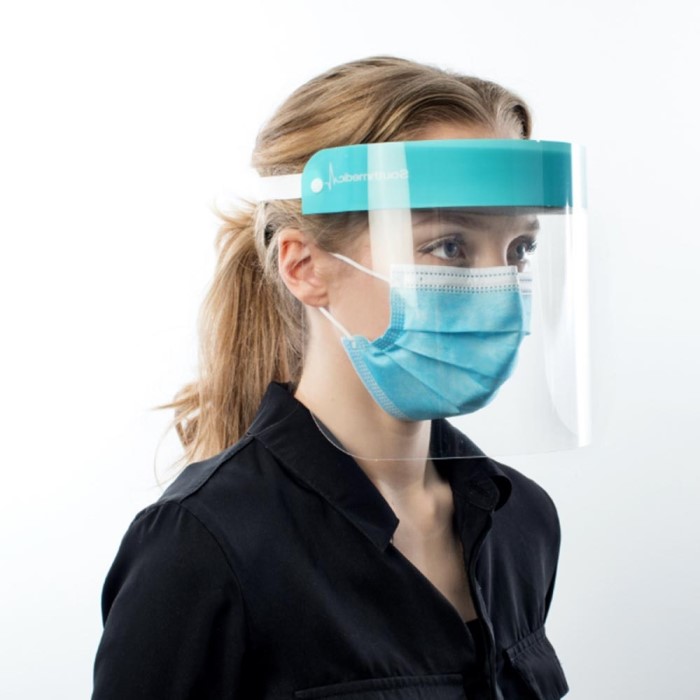
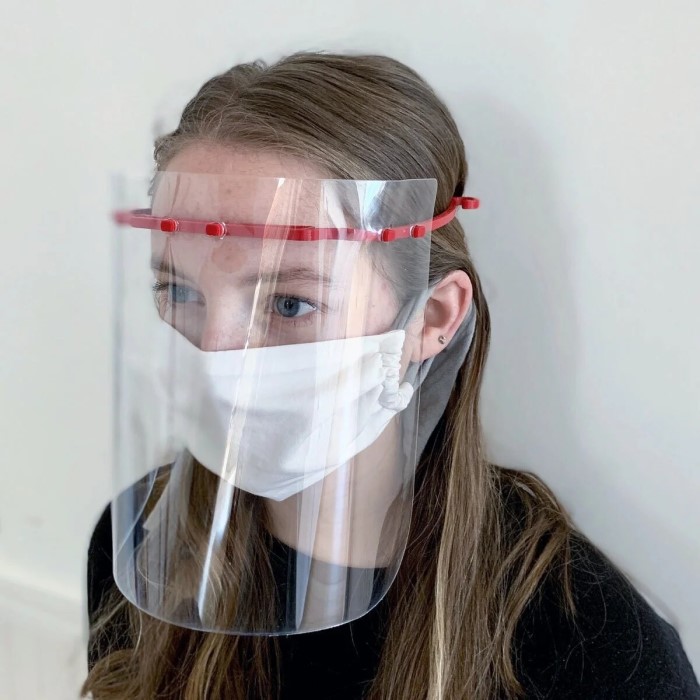
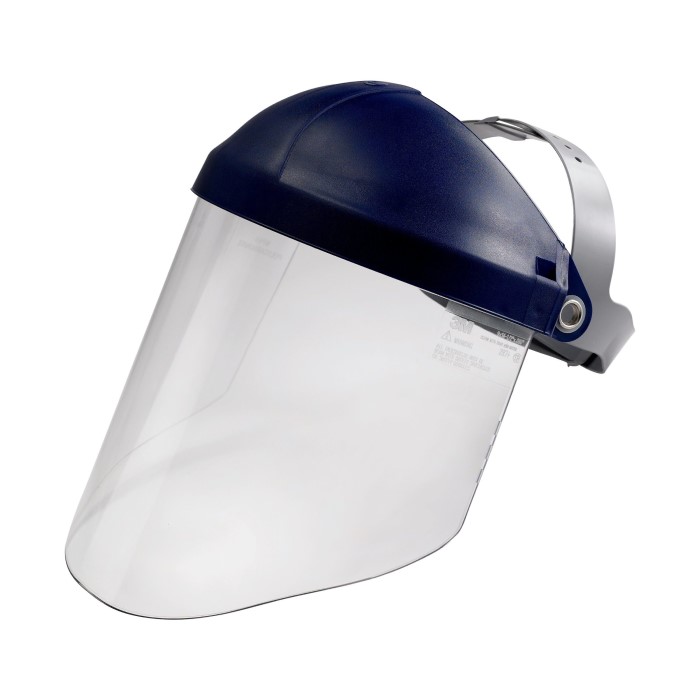
A clear face shield is a transparent protective device worn over the face. It typically consists of a clear visor mounted on a headband or helmet. The visor covers the entire face, shielding the eyes, nose, and mouth from splashes, debris, and airborne particles. It provides an additional layer of protection while allowing the user to see clearly. Clear face shields are often paired with other protective gear like masks or safety goggles.
Common Materials Used in Face Shields
Clear face shields are made from durable and lightweight materials. Common materials include:
Polycarbonate
- High Impact Resistance: Polycarbonate is renowned for its ability to withstand significant physical stress without breaking or shattering. This makes it an excellent choice for applications that require durability and safety, such as eyewear lenses, safety goggles, and protective equipment.
- Clear Visibility: This material possesses exceptional optical clarity, allowing for high levels of visibility. It can transmit up to 90% of visible light, making it suitable for projects where transparency is crucial, such as in glazing and automotive applications.
PET (Polyethylene Terephthalate)
- Lightweight: PET is notably lighter than glass and many other plastics, making it easy to handle and transport. This characteristic is especially beneficial in manufacturing processes and shipping.
- Excellent Transparency: PET is known for its clear and distortion-free appearance, allowing it to be used in various packaging applications (like bottles and containers) where visibility of the product is essential.
Acrylic
- Crystal-Clear Visibility: Acrylic sheets provide a level of clarity comparable to glass, allowing for bright and vivid visibility in applications such as signage, display cases, and marine windows.
- Less Impact-Resistant: While acrylic is more fragile compared to polycarbonate, it is still more impact-resistant than glass. However, care must be taken to avoid scratches and cracks, as it is not as durable as polycarbonate in high-stress environments.
Acetate
- Ideal for Chemical Resistance: Acetate is highly resistant to a variety of chemicals, making it suitable for environments where exposure to harsh substances is a concern. This property is particularly beneficial in laboratory settings and for food packaging.
- Optical Clarity: Similar to the other materials mentioned, acetate offers excellent optical clarity. It is commonly used in applications such as eyewear and photography filters, where clear vision is required without compromising on quality.
Key Benefits
Clear face shields offer numerous benefits, making them a vital safety tool for many users. These shields blend functionality, comfort, and practicality. Below are the key advantages of using clear face shields:
Enhanced Visibility and Protection
Clear face shields protect the face from splashes, debris, and harmful particles. They shield critical areas such as the eyes, nose, and mouth. Their transparency ensures users maintain excellent visibility at all times. This is vital in jobs requiring precision, like healthcare or lab work. Unlike colored or tinted shields, clear versions prevent visual distortion. This makes them perfect for tasks needing detailed attention. The shields also provide an extra barrier against harmful airborne particles, especially in outdoor or crowded settings.
Comfort and Ease of Use
These shields are lightweight, reducing strain on users during prolonged wear. Adjustable headbands or straps ensure a snug and customized fit. Many designs include padding for added comfort during extended use. They are easy to wear and remove, making them convenient for fast-changing environments. Their ergonomic design reduces pressure, ensuring comfort across various face sizes and shapes.
Compatibility with Other Safety Equipment
Clear face shields work seamlessly with other protective gear. They can be paired with masks, respirators, or safety goggles for enhanced safety. This ensures full-face protection without compromising wearability or creating discomfort. The compatibility supports multi-layered safety approaches for high-risk environments. When combined with other PPE, they provide comprehensive protection. Professionals in healthcare, industries, and public spaces often rely on this versatility.
With their impressive features, clear face shields ensure safety in varied situations. They combine visibility, comfort, and practicality for everyday and professional use.
Applications of Clear Face Shields
Clear face shields offer versatile protection in various settings. Their design ensures safety for healthcare professionals, industrial workers, and individuals in public spaces. Below are the key applications of clear face shields:
Usage in Healthcare Settings
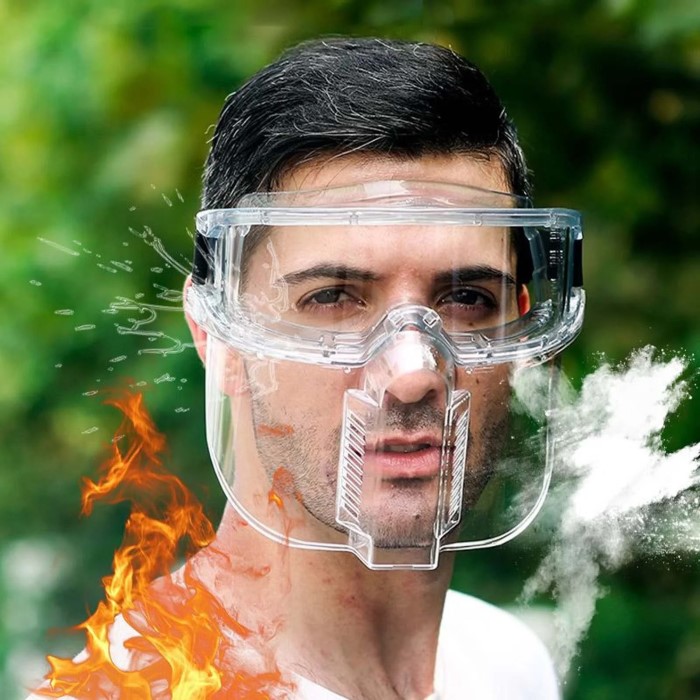
Clear face shields are vital for healthcare workers. They prevent exposure to fluids, droplets, and airborne particles. This protection is crucial during surgeries or patient care. Shields cover the face, safeguarding the eyes, nose, and mouth effectively. They also maintain clear communication with patients due to their transparency. By pairing with masks or goggles, medical professionals gain enhanced protection in high-risk environments.
Industrial and Manufacturing Applications
In industrial settings, clear face shields shield workers from debris and chemical splashes. Workers in construction, welding, or chemical handling benefit from this added protection. These shields are made of impact-resistant materials like polycarbonate for durability. They prevent injury from flying objects and particles during demanding tasks. Simultaneous use with helmets or respiratory gear ensures complete safety. Their clear design offers visibility for precision-based industrial work.
Everyday Protection in Public Spaces
Clear face shields are helpful for personal use in crowded environments. They safeguard individuals from respiratory droplets and airborne particles. People in public transportation or densely populated areas benefit from this extra protection. The shields are lightweight and comfortable, ideal for everyday wear. Their transparent design allows social interaction without obstruction. Combining shields with masks provides multi-layered protection for enhanced safety.
Comparison with Other Types of Face Shields
Clear face shields come in various designs compared to other types. Understanding the key differences helps in selecting the most suitable option for specific needs. Below, we explore the distinctions between clear and tinted face shields, as well as disposable and reusable options.
Clear vs. Tinted Face Shields
- Transparency:
- Clear face shields offer complete visibility. They are ideal for tasks requiring precise observation.
- Tinted shields reduce glare and block sunlight in bright environments, often used outdoors.
- Applications:
- Clear shields are beneficial in healthcare, labs, and indoor settings.
- Tinted shields are preferred by outdoor workers and for sunlight protection.
- Compatibility:
- Clear shields work well with masks and goggles without visual interference.
- Tinted shields may impact clarity, limiting use in precision-based tasks.
Clear shields are versatile and practical for most indoor environments. Tinted shields offer utility in specific outdoor conditions like construction or traffic control.
Disposable vs. Reusable Options
- Cost Effectiveness:
- Disposable shields are cheaper upfront. They are used briefly and discarded.
- Reusable shields are more durable and cost-efficient for long-term use.
- Hygiene:
- Disposable shields minimize contamination risks as they are discarded after single use.
- Reusable shields require regular cleaning and care to maintain hygiene.
- Durability:
- Disposable shields are made of lightweight material suited for short-term use.
- Reusable shields are sturdier, often constructed from polycarbonate or PET.
- Environmental Impact:
- Disposable shields contribute to waste and environmental concerns.
- Reusable shields are more sustainable, reducing waste accumulation.
Understanding these differences ensures proper selection based on the situation. Clear face shields are visually practical, while reusable options provide better value over time.
Factors to Consider
Choosing the right clear face shield is essential for safety and comfort. Various factors influence the effectiveness of these protective tools. Below, we discuss the key elements to consider for optimal selection.
Durability and Material Quality
Durability determines the shield’s longevity and resistance to damage. High-quality materials ensure reliable protection. Common materials in clear face shields include:
- Polycarbonate: Strong and impact-resistant, ideal for demanding environments.
- PET: Lightweight and clear, suitable for general use.
- Acrylic: Crystal-clear visibility but less durable.
- Acetate: Chemical-resistant and optically clear, preferred for lab work.
Choose materials based on your specific needs, like strength for industrial tasks or clarity for detailed work.
Design and Fit Adjustability
Comfort and fit are crucial for extended wear. Adjustable headbands or straps improve the user’s experience. Key features to look for include:
- Adjustable straps: Allows customization for different head sizes.
- Padding: Reduces pressure for long-term comfort.
- Lightweight design: Minimizes fatigue during extended use.
Ensure the shield aligns with your face size to avoid discomfort or gaps in protection.
Certification and Safety Standards
Certifications validate the shield’s safety and quality. Check for compliance with established standards. Important certifications include:
ANSI (American National Standards Institute):
-
- ANSI sets forth comprehensive standards that ensure products meet specific performance criteria.
- These standards focus particularly on impact resistance and durability, ensuring that items such as personal protective equipment (PPE) can withstand physical forces.
- Products compliant with ANSI standards are rigorously tested, ensuring they provide adequate levels of safety and protection for users in various environments.
CE Mark (Conformité Européenne):
-
- The CE mark indicates that a product complies with European Union safety, health, and environmental protection directives.
- This marking is mandatory for certain product categories sold within the European Economic Area (EEA).
- A product bearing the CE mark assures consumers that it meets the essential requirements outlined by the EU legislation, providing confidence in its safety and performance standards.
Specialized Standards:
-
- These are industry-specific safety regulations designed to address the unique risks and requirements of various sectors, including healthcare and industrial applications.
- For instance, healthcare regulations focus on protecting both patients and health professionals, outlining specific safety and performance criteria for medical devices and protective gear.
- In industrial contexts, specialized standards ensure that equipment and materials can withstand harsh working conditions and reduce the likelihood of accidents and injuries in the workplace.
Certified shields offer reliable protection and meet essential safety requirements, making them safer to use.
Considering durability, fit, and certifications ensures the shield performs effectively in your intended environment. Select wisely to maximize both comfort and safety.
Maintenance and Cleaning Tips
Proper maintenance and cleaning of a clear face shield are essential for effectiveness and longevity. Regular care ensures visibility, hygiene, and reliable protection. Below are practical tips for maintaining your clear face shield.
Cleaning and Sanitizing Best Practices
- Daily Cleaning: Clean your shield regularly to remove dirt, debris, and germs. Use mild soap or detergent with warm water for basic cleaning.
- Sanitizing: Disinfect the shield using alcohol-based sanitizers or approved disinfectant wipes. This kills harmful microorganisms and ensures hygiene.
- Avoid Using Harsh Chemicals: Do not use abrasive cleaners or bleach, as they may damage the material and reduce visibility.
- Rinse Thoroughly: After cleaning, rinse your shield with clean water to remove all residue.
- Dry Properly: Use a microfiber cloth to dry the shield, preventing scratches and streaks.
- Inspect Regularly: Check for cracks, scratches, or damage that might compromise protection. Replace damaged shields immediately.
Storage to Prevent Damage or Fogging
- Dedicated Storage: Store face shields in a clean, dry place to avoid contamination and moisture.
- Protect from Direct Sunlight: Keep shields out of prolonged sunlight exposure, which can degrade the material over time.
- Avoid Stacking: Do not stack shields, as this can lead to scratches or distortions.
- Use Anti-Fog Solutions: Apply anti-fog spray or wipes to the interior side for clear visibility.
- Proper Arrangement: Hang or lay shields flat to maintain their shape and structure.
- Storage Cases: Use protective cases to shield against impacts during transportation or storage.
By following these simple cleaning and storage practices, clear face shield remain effective and durable. Proper care ensures ongoing safety and clarity for both personal and professional use.
Conclusion: Why You Should Consider a Clear Face Shield Today
In summary, the clear face shield serves as a valuable addition to personal protective equipment in 2025. Its comprehensive protection, enhanced visibility, and comfort make it an excellent choice for various settings. Whether in healthcare, education, or day-to-day tasks, the benefits of using a clear face shield are clear.
As the global landscape continues to evolve, adopting innovative safety gear can help safeguard your health and well-being. By combining face shields with traditional masks, individuals can embrace optimal protection while fostering a sense of security and comfort. Consider integrating a clear face shield into your daily routine today for enhanced safety and peace of mind.