Introduction: The Importance of an Emergency Whistle in Survival
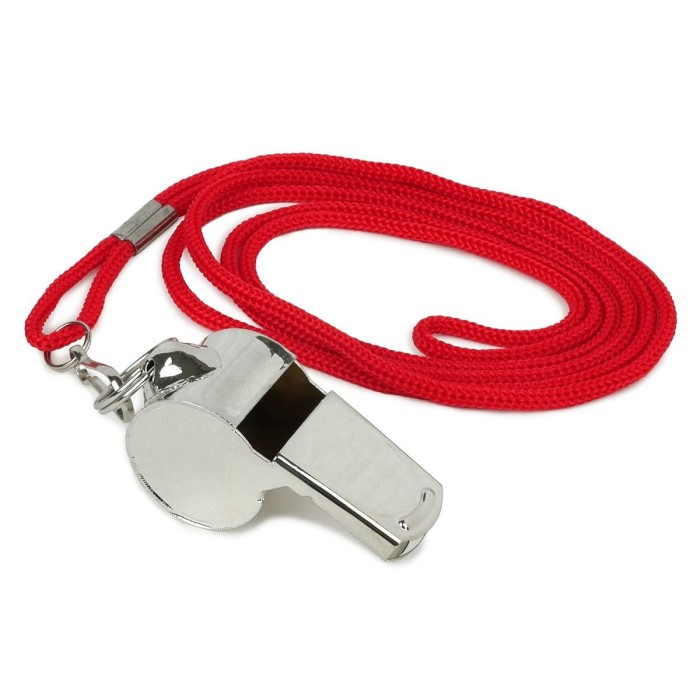
In survival situations, having the right tools can mean the difference between life and death. One essential tool that often gets overlooked is the emergency whistle. This compact, lightweight device can be a lifesaver in various scenarios, whether you are lost in the wilderness, in danger during outdoor activities, or facing any emergency situation.
An emergency whistle serves multiple critical functions that can help you signal for help, communicate with rescuers, or even deter potential threats. In this article, we will delve into the various uses of an emergency whistle, emphasizing its benefits in survival scenarios and providing tips on effectively utilizing this tool.
Understanding the Functions
1. Signaling for Help
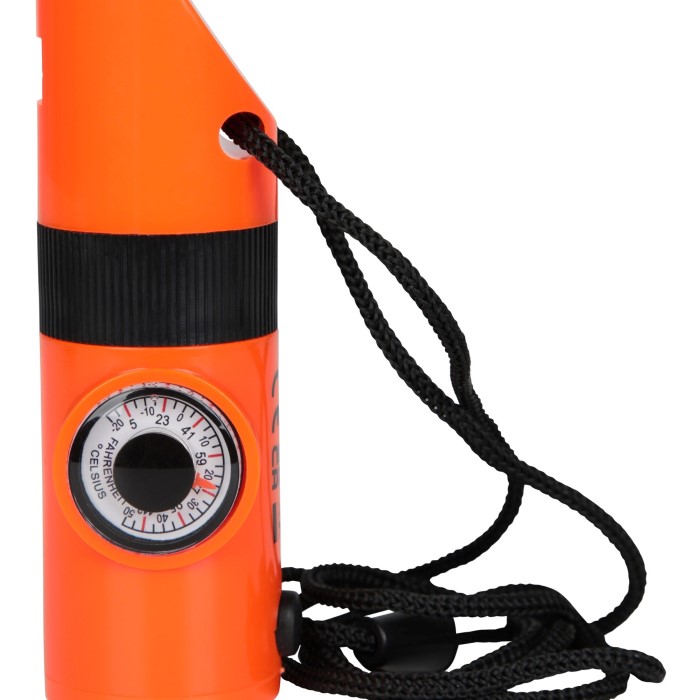
- Loud and Attention-Grabbing: An emergency whistle can produce a sound that is much louder than the human voice, making it essential for signaling for help. Whether you are lost in the woods or trapped, the shrill sound of a whistle can cut through ambient noise, making it easier for rescuers to find you.
- Distance Coverage: The sound of a whistle can travel several miles, especially in open terrain. This distance capability increases the likelihood of being heard by anyone nearby, whether they are fellow hikers or rescue teams.
2. Effective Communication
- Standard Signaling Methods: Whistles can be used to deliver specific signals for communication. For instance, a repeated sequence of three short blasts is a recognized distress signal that indicates you need help.
- SOS Whistle Code: The SOS pattern (three short blasts, three long blasts, three short blasts) is a universal distress call recognized by survival experts and search teams. Knowing this code can enhance your chances of being rescued.
3. Deterring Threats
- Making Your Presence Known: In a potential threat situation, such as encountering wildlife or other dangers, an emergency whistle can serve as a deterrent. The loud noise may startle animals or attract attention, alerting others to your presence and potential need for help.
- Creating Awareness: By making noise, you can warn off unwanted encounters. If a threatening situation arises, a whistle can provide an opportunity to escape or defend yourself.
Practical Applications
1. Hiking and Camping
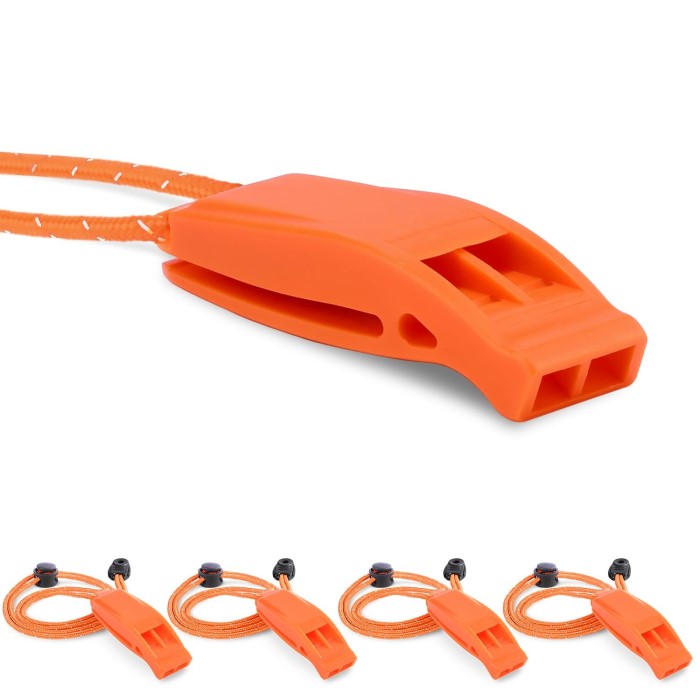
- Essential Safety Gear: When hiking or camping, an emergency whistle is an essential part of your safety gear. It fits easily into any pack and can mean the difference between getting lost and being rescued.
- Pairing with Other Gear: Besides carrying a whistle, consider pairing it with other survival gear, such as a map, compass, and first aid kit. This combination enhances your preparedness in the outdoors and contributes to your overall safety.
2. Water Sports and Boating
- Increased Visibility on Water: When engaging in activities like kayaking, canoeing, or sailing, having an emergency whistle can enhance your safety. If you capsize, a whistle helps to attract attention and signal for assistance.
- Regulatory Compliance: Many regions require boaters to carry safety equipment, including whistles. Checking local regulations is essential for staying compliant and ensuring safe outings.
3. Natural Disasters
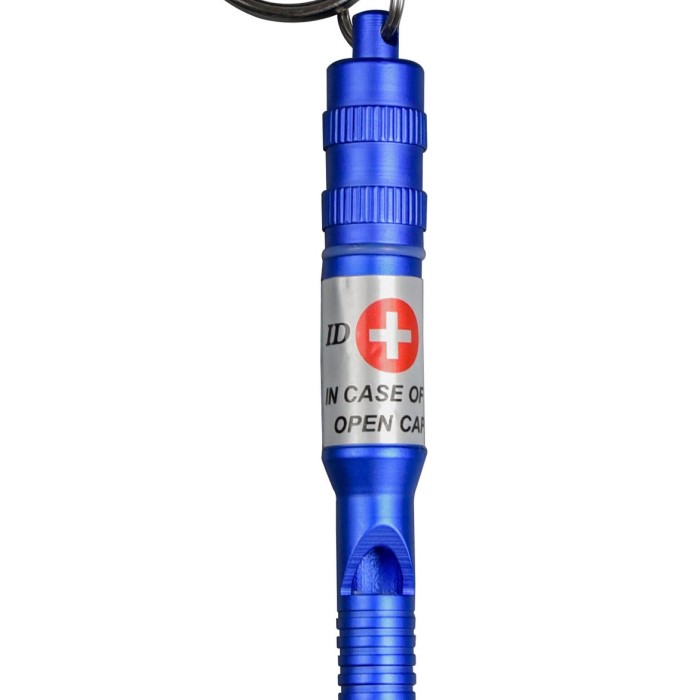
- Surviving Emergencies: In the event of a natural disaster, such as an earthquake or flood, an emergency whistle can be invaluable. If you find yourself trapped or in an unstable situation, blowing a whistle can alert rescuers to your location.
- Emergency Preparedness Kits: Include a whistle in your emergency preparedness kit at home. This addition can be crucial during situations where communication lines are down, or visibility is limited.
4. Travel Safety
- Personal Security: When traveling, especially in unfamiliar areas, it’s beneficial to carry an emergency whistle. It can serve as a deterrent against potential threats and attract attention if you need help.
- Crisis Communication: If you face an emergency while traveling, having a whistle allows you to alert others quickly. This might be invaluable in crowded markets, busy streets, or remote locales.
Tips for Using an Emergency Whistle Effectively
1. Practice Regularly
Familiarization with Your Whistle
- Understanding the Mechanism:
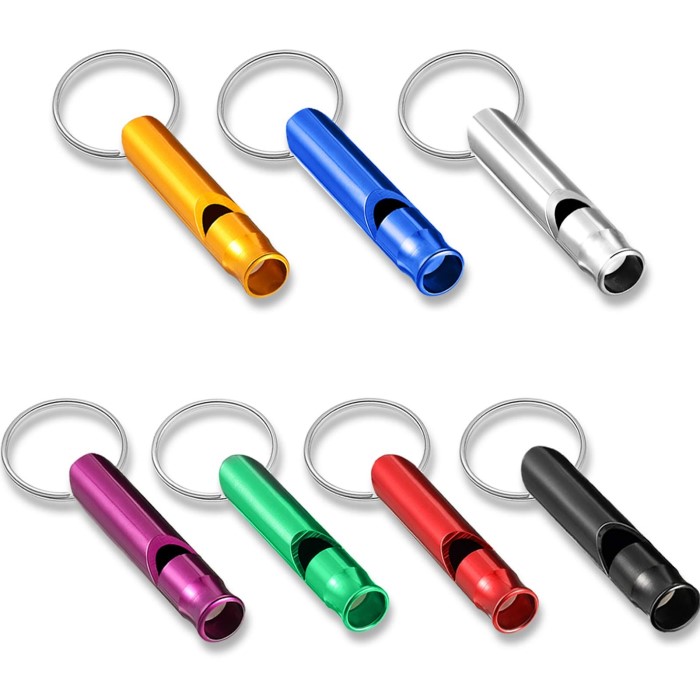
- Whistle Components: Familiarize yourself with the parts of your emergency whistle, such as the mouthpiece and the internal chamber. Understanding how these components work together can help you use the whistle more effectively.
- Sound Production: Recognize that different whistles may require varying techniques to produce sound. Factors such as shape, size, and material can influence how loud and clear the sound is.
- Regular Practice:
- Daily Usage: Incorporate your emergency whistle into your daily routine. This can be as simple as practicing different techniques while out for a walk or hike. Frequent practice helps build muscle memory, ensuring you know how to use it effortlessly in an emergency.
- Timing and Breath Control: Experiment with how long and forcefully you can blow into the whistle. Strengthening your lung capacity and controlling your breath can enhance your ability to produce a loud sound quickly.
- Experimenting with Techniques:
- Variety of Blasts: Try different blast patterns, such as short bursts, long blasts, or a combination of both. Understanding how each technique sounds and when to use them can improve communication effectiveness.
- Finding Optimal Positions: Test how your whistle sounds from various angles or positions. Different mouth positions may impact sound quality, and practicing in various scenarios can prepare you for real-life applications.
Simulate Emergency Scenarios
- Conducting Mock Drills:
- Setting Up Scenarios: Create different emergency situations where you might need to use your whistle, such as getting lost on a hike or encountering wildlife. This allows you to practice signaling for help in a controlled environment.
- Using Family or Friends: Involve family members or friends in these drills. They can act as the rescuers or bystanders who may hear your whistle, providing a better sense of realism.
- Identifying Appropriate Responses:
- Understanding When to Signal: During these drills, reinforce the context in which you should use your whistle. This understanding ensures that you are not only familiar with how to use it but also when it is appropriate to signal for help.
- Practicing Communication: Focus on the communication aspect of signaling for help. Once you signal with the whistle, practice what you would do next, such as moving to a visible location or staying put for rescuers to find you.
- Rehearsing Under Pressure:
- Time Constraints: To simulate real-life pressure, add a time constraint to your drills. For example, have a timer running to see how quickly you can effectively signal for help. This approach mimics the urgency that may be felt in a genuine emergency.
- Stress Management: Use the mock drills to practice managing stress. Learning to stay calm under pressure is essential for effectively using your whistle in real scenarios. Focus on keeping a clear mind to execute your plan successfully.
2. Keep It Accessible
- Proper Storage: Ensure your emergency whistle is easily accessible at all times. Use a lanyard or attach it to your gear for quick retrieval in an emergency.
- Backup Whistles: Consider purchasing multiple whistles and placing them in various gear bags or your home emergency kit. Having backups boosts your chances of having a reliable signaling device when you need it most.
3. Understand Local Signaling Codes
- Adapting to Different Environments: Depending on where you are, familiarize yourself with any local signaling conventions among outdoor adventurers, search and rescue teams, or law enforcement. This knowledge can enhance your effectiveness when signaling for help.
Frequently Asked Questions (FAQs)
1. What is the whistle code for emergency?
The standard emergency whistle code is three short blasts followed by three long blasts and then three short blasts again. This sequence indicates distress and calls for help.
2. How loud is an emergency whistle?
Emergency whistles can produce sounds reaching 100 decibels or more. This impressive volume allows the whistle to be heard over long distances, even in noisy environments.
3. What is an SOS whistle?
An SOS whistle utilizes the Morse code pattern for SOS, which consists of three short signals, three long signals, and three short signals. This pattern is universally recognized as a call for help.
Conclusion
In summary, an emergency whistle is a critical tool for anyone who enjoys outdoor activities or wants to prepare for unexpected situations. Its ability to signal for help, deter threats, and communicate effectively makes it an invaluable addition to your survival gear.
By understanding its functions and applications in various scenarios, you can maximize the utility of an emergency whistle in your safety arsenal. As you explore the great outdoors or prepare for emergencies, ensuring you have a reliable emergency whistle can significantly enhance your safety and preparedness. Don’t underestimate the power of this simple yet vital tool; invest in a quality emergency whistle today, and be ready for any situation that may arise.