Introduction: Embracing Tradition in Modern Pocket Knives
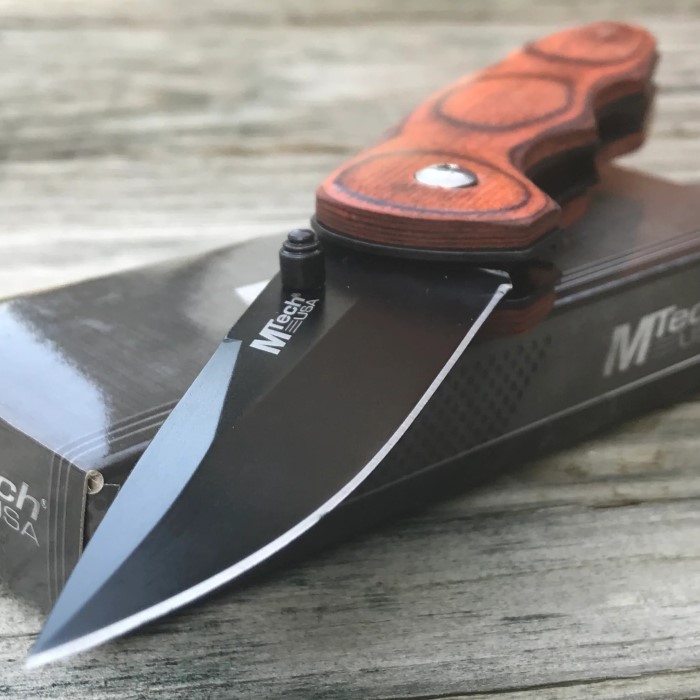
In the world of knives, few designs evoke a sense of tradition and craftsmanship as strongly as the wood handle pocket knife. These knives combine functionality with aesthetic appeal, making them popular among outdoor enthusiasts, collectors, and everyday users alike. While modern materials and designs often dominate the market, the classic wood handle remains a timeless choice that offers unique benefits.
Craftsmanship in wood handle pocket knives is not just about the blade. It also encompasses the choice of wood, the quality of assembly, and the overall design. In this article, we will explore what makes these knives exceptional, the various types of wood used, their advantages, and how to care for them. Let’s delve into the artistry and functionality that define wood handle pocket knives.
The Art of Craftsmanship in Wood Handle Pocket Knives
1. Choosing the Right Materials
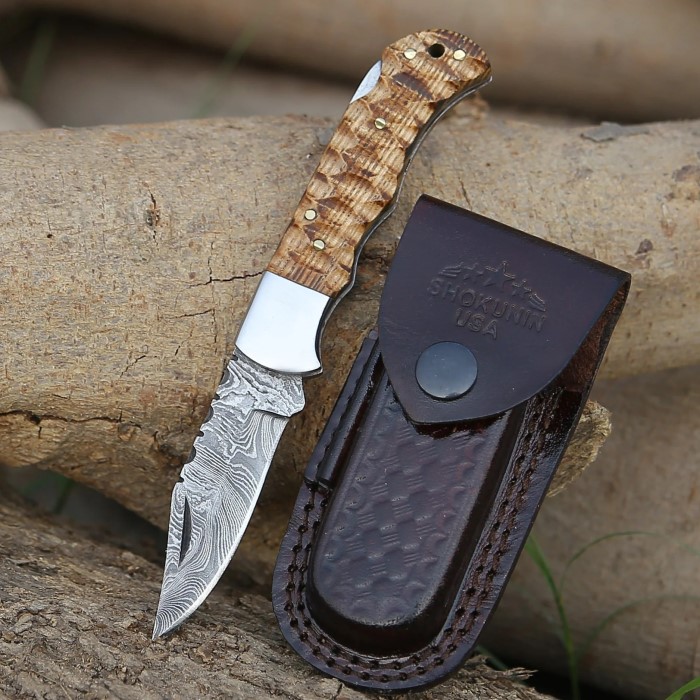
- Types of Wood: Popular woods for knife handles include hardwoods like walnut, cherry, and rosewood. Each type of wood offers distinct visual and tactile qualities, contributing to a knife’s uniqueness.
- Durability Factors: The choice of wood greatly affects the knife’s longevity. Hardwoods are often preferred because they resist wear and tear better than softer types.
- Aesthetics and Feel: Wood adds an organic quality to pocket knives. The natural grain patterns and rich colors make each knife one-of-a-kind, appealing to users looking for both functionality and style.
2. Handcrafted vs. Mass Produced
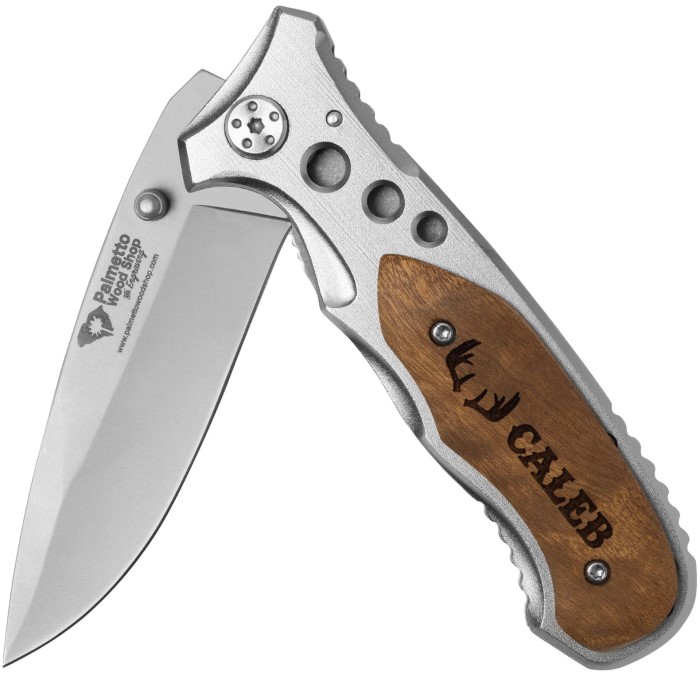
- Artisan Quality: Many wood handle pocket knives are handcrafted, showcasing the artisan’s skill and attention to detail. Each knife can be thought of as a work of art, with unique characteristics that set it apart from factory-made counterparts.
- Attention to Detail: Handcrafted knives often feature finer details, such as intricate inlays or custom designs. These details can enhance the knife’s functionality and visual appeal.
- Supporting Local Craftspeople: By choosing handmade knives, consumers can support local craftsmen and preserve traditional knife-making techniques. This appreciation for artisanship fosters a deeper connection to the product.
3. Functional Design Elements
Ergonomics
- Comfort-Focused Design:
- Intuitive Shape: A well-crafted wood handle pocket knife is designed not only for aesthetics but also for comfort. The handle shape is often contoured to fit naturally in the hand, allowing for easier handling during various tasks.
- Grip Enhancement: Many wood handle knives feature textured surfaces or ridges that enhance grip. This added texture can help prevent slipping, even when the knife is wet or being used in challenging conditions.
- Reducing Hand Fatigue:
- Balanced Weight Distribution: The ergonomic design promotes balanced weight distribution, which lessens strain on the user’s hand during prolonged use. When the knife feels balanced, users can exert less effort, leading to reduced fatigue.
- Natural Hand Position: The contouring of the handle encourages a natural grip and finger positioning. This setup allows for better control and precision, making the knife easier to manipulate during tasks like cutting or slicing.
Weight Considerations
- Lightweight Advantages:
- Comparison with Other Materials: Wood handles are often lighter than those made of metal or synthetic materials. This reduction in weight contributes significantly to the overall comfort of carrying and using the knife throughout the day.
- Ease of EDC: Because of their lightweight nature, wood handle pocket knives are ideal for everyday carry (EDC). This feature means that users can carry them in pockets, purses, or bags without feeling weighed down.
- Suitability for Outdoor Activities:
- Perfect for Hiking and Camping: The lightweight quality of wood handle knives makes them particularly suited for outdoor activities. Hikers and campers appreciate the ease of carrying a knife that won’t add excessive weight to their gear.
- Convenience for Long Treks: During extended outdoor trips, carrying a lighter tool can help reduce the overall load. This consideration is crucial for maintaining energy levels and preventing fatigue during long hikes or outdoor adventures.
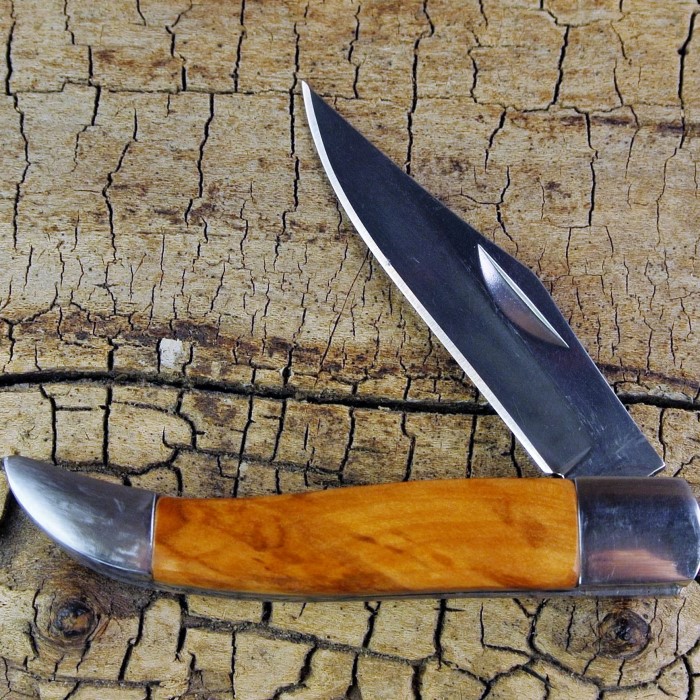
Blade Options
- Versatile Blade Styles:
- Drop Point Blades: Many wood handle pocket knives feature drop point blades, known for their versatility. This blade style is ideal for both slicing and piercing tasks, making it suitable for various applications, from field dressing game to food preparation.
- Tanto Blades: Tanto blades are characterized by their strong tip and flat edges, making them excellent for puncturing and thrusting tasks. This blade type is favored in tactical situations and can handle heavy-duty applications effectively.
- Clip Point Blades: With a curved back and a sharp point, clip point blades provide excellent control for precision cutting. This blade style is commonly used for detailed work and is popular among those who require a knife for intricate tasks.
- Choosing Based on Needs:
- Specific Applications: The blade type significantly impacts how the knife performs in specific situations. Users can choose a blade style that best meets their individual needs, whether they prioritize slicing, piercing, or control.
- Multi-Functional Use: Some wood handle pocket knives come with interchangeable blades or are designed to handle multiple styles. This versatility allows users to adapt their knife to different tasks as necessary, enhancing overall usefulness.
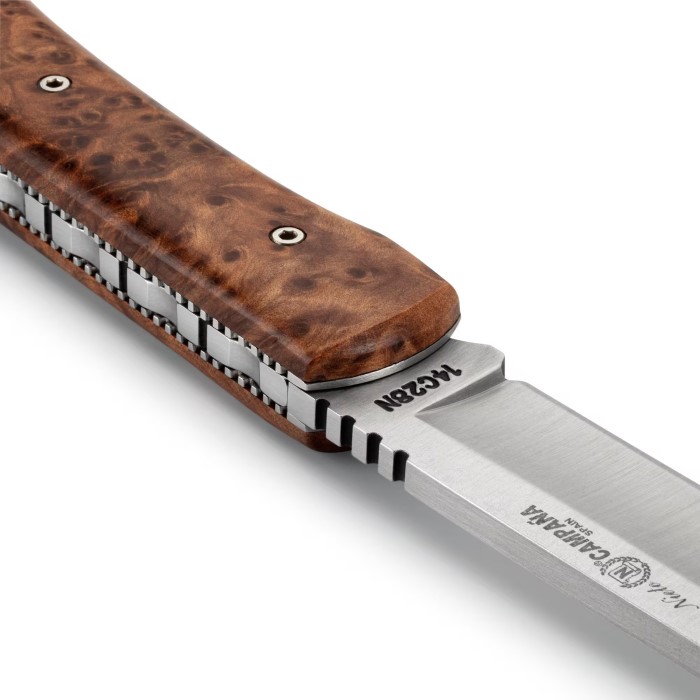
Benefits of Using Wood Handle Pocket Knives
1. Natural Insulation
- Heat and Cold Resistance: Wood has natural insulating properties, making it comfortable to hold in various temperatures. Unlike metal handles, wood harnesses heat and cold differently, which can make handling the knife easier in extreme conditions.
- Comfort during Long Use: The warm feel of wood enhances the user experience, especially during extended cutting tasks. Users are less likely to experience discomfort or slipping when handling the knife.
2. Style and Aesthetics
- Timeless Appeal: The classic look of a wood handle pocket knife never goes out of style. Whether used for outdoor activities or kept as a collector’s item, these knives exude elegance and craftsmanship.
- Customizable Options: Many artisans offer customization services, allowing buyers to engrave their knives or choose specific wood types. This personalization enhances the ownership experience.
3. Eco-Friendly Choice
- Sustainable Sourcing: Many manufacturers are committed to sustainable practices, sourcing wood from managed forests. Choosing wood handle pocket knives can align with environmentally conscious choices.
- Biodegradable Materials: Unlike plastic or synthetic materials, wood is biodegradable and has a lower environmental impact. As consumers become more conscious of ecological footprints, this aspect makes wood handle knives an appealing option.
Caring for Your Wood Handle Pocket Knife
1. Regular Maintenance
- Cleaning Techniques: Regularly wipe down the handle with a soft cloth to remove dirt, oil, or moisture. Avoid submerging the knife in water, as this can damage the wood.
- Oil Application: Periodically applying mineral oil or food-safe wood oil can enhance the wood’s appearance and extend its life. This treatment helps to nourish and protect the wood fibers.
2. Proper Storage
Storing Safely
- Using Protective Sheaths or Cases:
- Purpose of Sheaths: When your wood handle knife is not in use, storing it in a protective sheath or case serves multiple purposes. It helps prevent accidental cuts, protects the blade from dulling, and keeps other items in your bag or drawer safe from scratches.
- Custom Fit: Consider choosing a sheath or case that is custom-fitted for your specific knife model. A well-fitted sheath will secure the knife in place, minimizing movement and reducing the risk of damage.
- Choosing the Right Storage Location:
- Dry and Stable Environment: Storing your knife in a dry location is essential for preventing moisture damage. Ideal spots include kitchen drawers, knife blocks, or dedicated knife storage in a cabinet. Avoid damp areas such as basements or near sinks.
- Avoiding Direct Sunlight: Keep the knife out of direct sunlight to prevent exposure to heat, which can damage the wood handle or cause fading in its finish. A cool, dark cabinet is often the best choice for long-term storage.
- Periodic Checks:
- Regular Inspections: Check on your stored wood handle knife regularly to ensure it’s in good condition. Look for any signs of wear or moisture buildup. Clean the knife occasionally to maintain its appearance and functionality.
Avoiding Extreme Conditions
- Recognizing Dangers of Extreme Heat:
- Effects of High Temperatures: High temperatures can lead to the wood expanding and contracting, which may cause warping or cracking. Additionally, prolonged exposure to heat can damage the knife’s finish or adhesive used in handle construction.
- Optimal Temperature Range: Ideally, store your knife in an environment where temperatures remain consistent, typically between 60°F to 75°F (15°C to 24°C). Avoid placing it near stoves, ovens, or in a car during hot weather.
- Humidity Considerations:
- Risks of Excess Moisture: High humidity can lead to moisture absorption by the wood, causing it to swell or warp. This moisture can also lead to mold or mildew growth if conditions are sustained, compromising the integrity of the knife.
- Using a Dehumidifier: If you live in a particularly humid area, consider using a dehumidifier in your storage space. This will help create a stable environment for your knife and any other wooden items.
- Seasonal Care:
- Adjustments in Seasonal Changes: As seasons change, so do temperature and humidity levels. Be particularly vigilant during summer months when heat and humidity are often at their highest. Ensure your knife is stored in a climate-controlled environment if possible.
- Winter Precautions: In winter, be cautious of extremely dry air from heaters. This dryness can lead to wood cracking, so consider applying wood oil or storing the knife in a slightly more humid environment during colder months.
Frequently Asked Questions (FAQs)
1. Do they make a wood handle pocket knife?
Yes, many manufacturers produce wood handle pocket knives, featuring various wood types and designs, catering to both functionality and aesthetics.
2. Are ceramic knives 100% ceramic?
Ceramic knives typically consist of zirconium oxide, a very hard material. Some may have composite elements for added strength but are primarily ceramic.
3. Are wood handle knives more durable than plastic?
In many cases, quality wood handle knives outlast plastic handles in terms of durability, but care and maintenance play critical roles in each knife’s lifespan.
Conclusion: Embrace the Craftsmanship of Wood Handle Pocket Knives
In concluding, a wood handle pocket knife offers a unique blend of craftsmanship, quality, and functionality. From their exceptional sharpness and lightweight designs to their timeless appeal, these knives provide many advantages that both casual users and collectors appreciate.
The artistry involved in creating wood handle knives ensures that each piece is not only a tool but also a work of art. By investing in a quality knife, you support artisanal practices and gain a reliable companion for culinary tasks, outdoor adventures, or daily use. As you explore the world of wood handle pocket knives, appreciate their craftsmanship and incorporate them into your life for both practicality and aesthetic enjoyment. Whether you’re a seasoned chef, an outdoor enthusiast, or simply someone who appreciates quality tools, a wood handle pocket knife is a deserving addition to your collection.