Introduction: Understanding Pocket Knife Legality
When it comes to understanding the legal aspects of carrying a pocket knife, one of the most pressing questions is, how old do you have to be to carry a pocket knife? Knowing the laws governing pocket knife ownership is essential for anyone considering using or purchasing one. This article aims to clarify the legal age requirements, variations across regions, and specific laws to help you navigate this important topic.
Pocket knives serve many practical functions, from everyday chores to survival needs. However, they are also considered weapons in some jurisdictions, which complicates the legality of carrying one, especially for minors. Therefore, it is crucial for parents and guardians to be informed about the laws that affect their children and to provide guidance on responsible knife ownership.
What Is a Pocket Knife?
A Versatile Tool
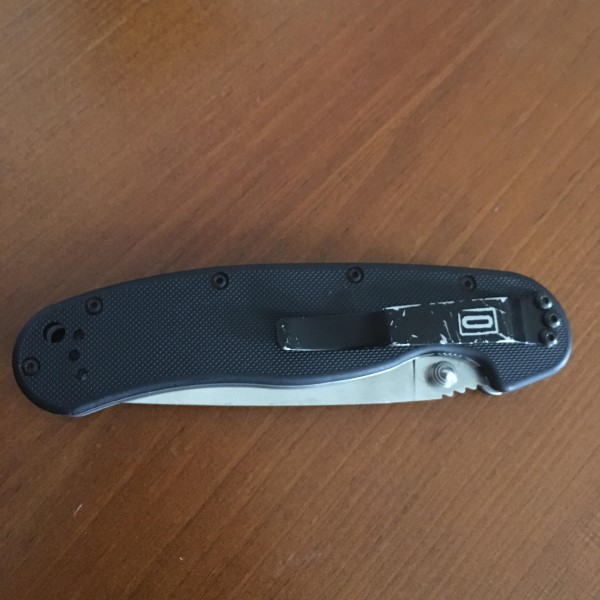
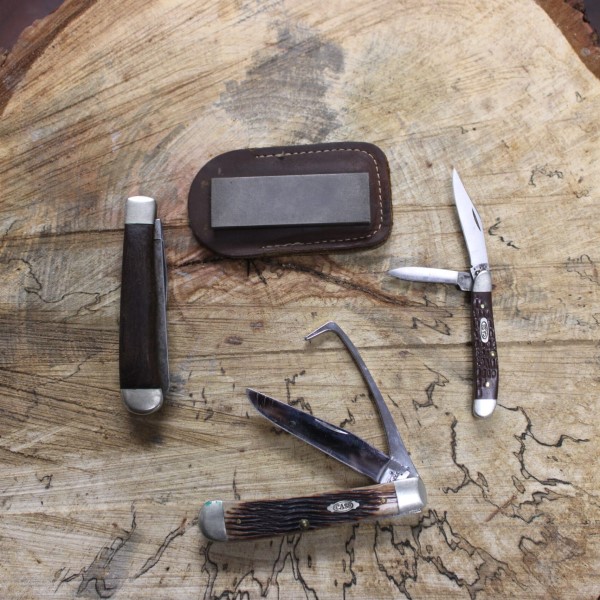
A pocket knife, also known as a folding knife or multi-tool, typically features a folding blade that can easily fit in a user’s pocket. These knives can include several functions, such as screwdrivers, can openers, and scissors. While they are designed primarily for utility and convenience, the knife’s function can vary greatly depending on its design and intended use.
Pocket Knife Usage
With their versatility, pocket knives have become quite popular for both practical and recreational activities. Many outdoor enthusiasts rely on them for camping, fishing, and hiking. However, the broader usage also brings a need for understanding the laws and responsibilities tied to their possession, highlighting the importance of education surrounding pocket knife safety and legality.
Legal Age to Carry a Pocket Knife
Age Requirements Vary by Region
How old do you have to be to carry a pocket knife? In the United States, there is no universal legal age for carrying a pocket knife. Laws differ by state, and some even have local ordinances that can alter regulations. Typically, minors may have restrictions that don’t apply to adults. For example, in some states, individuals as young as 12 or 13 can carry a pocket knife, while other jurisdictions require one to be at least 18.
This lack of uniformity can lead to confusion, especially for parents wishing to gift their children a pocket knife. Hence, it’s crucial for parents to familiarize themselves with local laws to mitigate any potential issues.
A Closer Look at Various States
In states like Texas and Arizona, minors may legally carry a pocket knife, provided that the blade does not exceed a certain length (commonly 5.5 inches). Meanwhile, states like California impose stricter laws, making it illegal for minors to carry any knife with a blade longer than 2.5 inches without adult supervision. Such differences emphasize the need for meticulous attention to local regulations, as ignorance can lead to unintended legal consequences.
FAQ: Common Concerns Regarding Age and Restrictions
What Age Can a Kid Have a Pocket Knife?
Generally, many experts recommend that children aged 10 and older can be introduced to pocket knives, but only under adult supervision. Guidelines should prioritize safety training and responsible usage. Age restrictions may vary significantly across regions, reinforcing the necessity for parents to research local laws.
Is It Okay for a 13-Year-Old to Have a Pocket Knife?
Most states enable 13-year-olds to carry a pocket knife, but this is contingent on whether they possess adequate knowledge and are responsible enough to handle it. Teaching children about safe handling is essential for ensuring their safety and complying with regulations. Given this backdrop, adults should actively engage in discussions on responsible ownership and use.
Can a 13-Year-Old Have a Swiss Army Knife?
Swiss Army knives, due to their multifunctionality, often have similar regulations to standard pocket knives. Generally, a 13-year-old is permitted to own one; however, some jurisdictions may impose stricter regulations on specific models or features. Parents should ensure that young users are educated about the responsibilities tied to possessing any knife.
Safety Tips for Carrying a Pocket Knife
Proper Training is Essential
How old do you have to be to carry a pocket knife? Education on proper knife use is vital for both children and teenagers. Parents should actively teach about the importance of safety when using pocket knives. This instruction should include how to open and close the knife safely, demonstrating proficiency in handling it, and understanding the risks associated with careless behavior.
Keeping It Sheathed
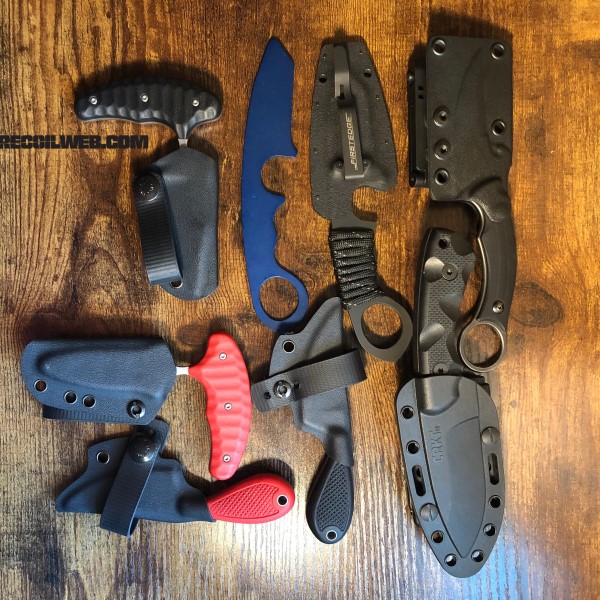
To minimize the risk of accidents, it is advisable to keep a pocket knife sheathed when not in use. This practice significantly reduces the chances of accidental cuts or injuries. Children should be reminded of the mantra “sheath it or lose it.” This adage encapsulates the importance of proper storage and responsible ownership.
Demonstrating Proper Use
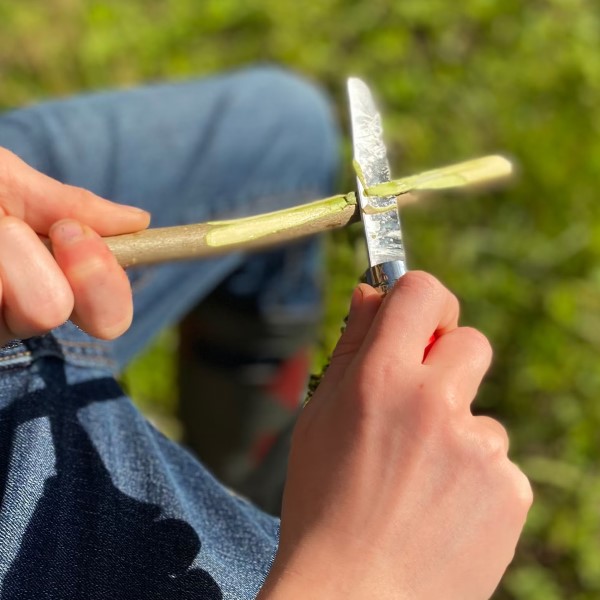
It’s essential to demonstrate the proper use of pocket knives, particularly for younger users. Show them how to hold the knife correctly, cut away from themselves, and never play with the knife. Role-playing scenarios can be beneficial; this method can clarify the importance of safety and responsible usage.
Encouraging Responsible Ownership
Setting Boundaries
Establish clear rules and expectations around the use of pocket knives. Discuss when and where it’s appropriate to use a knife and specify situations in which it should be put away, such as indoor environments or crowded places. Children thrive under structure; thus, knowing what is expected of them enhances safety and responsibility.
Encouraging Open Dialogue
Establishing a Safe Space
Parents should create and maintain a safe environment where children feel comfortable discussing knife safety. This involves being approachable and non-judgmental, making it easier for kids to express their thoughts or concerns about using a pocket knife.
Regular Discussions
Regular conversations about knife safety should be encouraged. Parents can initiate discussions during family meals or leisure time, ensuring that the topic is understood as important and not just a one-time conversation. Discussing different scenarios where knives may be used can make children more aware of safety measures.
Addressing Questions Promptly
Children may have questions or uncertainties regarding knife usage. Parents should address these inquiries promptly, providing clear and educational answers. This promptness not only clears up confusion but also demonstrates to kids that their parents value their concerns and opinions.
Explaining Consequences
It is crucial to explain the potential consequences of improper knife use in age-appropriate language. Children should understand both the physical dangers of mishandling a knife and the legal implications associated with carrying knives in inappropriate contexts. This thorough understanding fosters a sense of responsibility.
Encouraging Critical Thinking
Parents should encourage children to think critically about knife usage situations. This can be facilitated through role-playing scenarios where kids can practice decision-making regarding when and how to use a knife safely. This method helps solidify the lessons learned in real-world contexts.
Reinforcing Responsible Ownership
Reinforce the idea that responsible knife ownership goes beyond simply possessing the tool. Parents need to emphasize that it includes comprehensive knowledge of how to use it safely and appropriately. This holistic approach contributes to developing not only responsible behavior but also an understanding of the ethics involved in knife ownership.
Sharing Personal Experiences
Parents can share their own experiences or stories about knife use—both positive and negative. This personal touch can help children relate better to the lessons and understand the importance of safety measures. Real-life examples often leave a more lasting impact than theoretical discussions.
Involving Structured Learning
Parents can consider involving structured learning programs, like safety courses or workshops on knife handling. These structured environments may provide both parents and children with expert advice and additional insights on responsible ownership and safe practices.
Building Trust Through Openness
By maintaining open dialogue, parents build trust with their children. Kids who feel they can openly talk about knife safety are more likely to seek guidance from their parents when encountering unsafe situations or peers who misuse knives, leading to stronger family relationships and safer environments.
Understanding the Legal Implications
Legal Consequences of Misunderstanding
How old do you have to be to carry a pocket knife? Failing to comply with local knife laws can lead to severe consequences, including fines or confiscation of the knife. Additionally, being caught carrying a pocket knife illegally can result in further legal repercussions. This reality underscores why it’s essential to understand the laws surrounding pocket knife ownership.
The Importance of Awareness
Maintaining awareness about the legality of pocket knives fosters a culture of safety and responsibility. Regular discussions with children regarding current laws reinforce the significance of compliance. Laws change, and keeping informed is crucial for responsible knife ownership.
Conclusion: Empowering Young Users
In conclusion, understanding how old do you have to be to carry a pocket knife is vital for ensuring legal compliance and user safety. While the legal age varies by region, introducing pocket knives to young users should always be accompanied by thorough education about responsible use. Parents play an essential role, guiding their children in understanding both legal implications and the safety measures required when handling any knife.
The impact of legislation on pocket knife usage is a significant topic in today’s society. Investing time in understanding your local regulations and engaging young users in discussions about safety is crucial. Empower children with the knowledge to make responsible choices, ensuring they become conscientious knife owners as they grow into adulthood. By fostering a culture of awareness and responsibility, we can help the younger generation navigate this essential skill safely and legally.