Introduction: Understanding the Jammed Seat Belt Issue
The seat belt is one of the most essential safety features in any vehicle, ensuring passengers are secure during travel. However, when your seat belt won’t pull out jammed, it can lead to frustration and safety concerns. Many drivers find themselves in this predicament at some point, which can be due to several reasons, including mechanical failure or foreign objects blocking the seat belt mechanism. In this article, we’ll discuss the common causes of jammed seat belts and provide you with quick fixes to resolve the issue efficiently.
Why Seat Belts Get Jammed
Understanding the reasons behind a jammed seat belt can help in effectively resolving the issue. Here are some common causes:
Twisted Seat Belt
- Frequent Occurrence: Twisted seat belts are among the most common reasons for jams. Drivers often overlook this simple issue, leading to frustration when trying to use the belt.
- Understanding Tension: When a seat belt becomes twisted, the fabric can create tension in unexpected areas. This tension can prevent the belt from retracting smoothly, making it difficult to pull out when needed.
- Identifying Twists: To identify a twist, examine the entire length of the seat belt. Look for any visible bends or kinks in the fabric. Even a slight twist can disrupt the seat belt’s operation.
- Impact on Usage: A twisted belt not only prevents proper use but can also be a safety hazard. If the belt doesn’t retract properly, it may not function as intended in the event of an accident.
Objects Within the Mechanism
- Common Culprits: Small objects like coins, debris, or even food particles can easily become lodged within the seat belt mechanism. These items often go unnoticed until they cause a jam.
- How Objects Get In: During regular use, it’s not uncommon for items to fall into the seat belt slot or buckle area. Over time, these objects can accumulate, obstructing normal belt function.
- Identifying Blockages: If you notice that your seat belt is sticking or won’t retract, inspect the buckle area and the path where the seat belt moves. A flashlight can help illuminate the area for a better view.
- Effects of Debris: Blockages can lead to significant frustration when trying to use the seat belt. They can also damage the internal components if left unaddressed for too long.
Worn-Out Components
- Aging Effects: Over time, the internal components of a seat belt can wear out due to regular use. This wear and tear can lead to diminished functionality and can even cause the seat belt to jam.
- Signs of Wear: Common signs include fraying fabric, weakened retraction, and difficulty in locking. If you notice these signs, it’s important to address the issue before it leads to more significant problems.
- Impact on Safety: Worn-out components not only affect the seat belt’s operation but also compromise safety. A deteriorating seat belt may fail to protect you effectively during an accident.
- Regular Inspections Needed: Conducting periodic checks of your seat belt’s condition can help catch these issues early. Ensuring that your seat belt is in good working order is crucial for your safety.
Faulty Buckle Mechanism
- Understanding the Buckle: The seat belt buckle is a crucial part of the entire system. If the buckle is malfunctioning, it can disrupt the seat belt’s function entirely.
- Symptoms of a Problem: Signs of a faulty buckle may include difficulty clicking in the seat belt or it not releasing when pressed. These issues can affect the entire seat belt operation.
- Impact on Functionality: A defective buckle can make it impossible to secure the seat belt properly, leaving passengers vulnerable in the event of sudden stops or accidents.
- Need for Professional Assistance: If a buckle malfunction is suspected, seeking professional assistance may be necessary. Replacing a faulty buckle can ensure the entire seat belt system works correctly.
Improper Installation
- Installation Issues: If you’ve recently installed or replaced the seat belt, improper installation can easily lead to jams. It’s crucial to ensure that the belt is fitted correctly to avoid these issues.
- Common Mistakes: Common installation errors include incorrect routing of the seat belt or failing to secure it tightly. These mistakes can lead to limited functionality and jams.
- Symptoms of Bad Installation: If the seat belt feels loose or doesn’t retract properly, it may indicate an installation issue. Testing it after installation can help catch mistakes early.
- Consulting the Manual: Referring to the vehicle’s manual during installation can be helpful. It often contains detailed instructions and diagrams to guide you through the process correctly.
Recognizing these causes will help you troubleshoot the problem more effectively.
Quick Fixes for a Jammed Seat Belt
If you encounter a situation where your seat belt won’t pull out jammed, several simple techniques can help you address the issue swiftly.
Inspect for Twists and Knots
- Check the Seat Belt: Start by examining the length of the seat belt to identify any twists or knots.
- Unwind Gently: If you find a twist, gently pull on the belt to unwind it. Be careful not to apply excessive force as this might damage the belt mechanism.
Clean the Mechanism
- Locate the Mechanism: Access the seat belt retracting mechanism located in the seat or door area.
- Remove Debris: Use a flashlight to look inside for any obstructions. A small brush or compressed air can help remove dust and debris effectively.
Manipulate the Buckle
- Press and Release: Sometimes, gently pressing the buckle button and releasing it repeatedly can help reset any minor issues.
- Test the Release: After pressing the button, try to pull the belt out once more. This method often dislodges minor blockages.
Using Lubrication: Is It Safe?
Some may wonder if applying lubricant to the seat belt mechanism can help fix the jam. Let’s explore this further.
- WD-40 Usage: It’s commonly asked, “Can I spray WD-40 in my seatbelt buckle?” While WD-40 can be effective for many items, it’s not ideal for seat belts. Applying it may lead to more problems as it can attract dirt and grime, making the issue worse.
- Alternative Products: Instead, consider using a silicone spray or a suitable lubricant designed specifically for automotive applications, which can be cleaner and safer for seat belts.
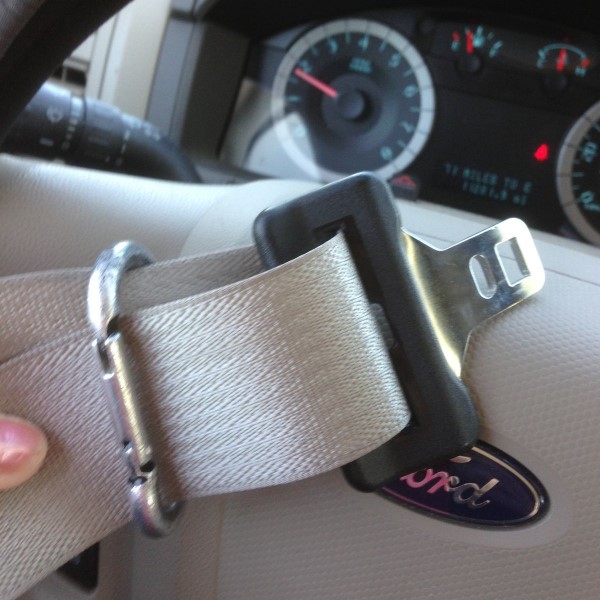
How to Unjam a Seat Belt Button
If you are experiencing a stuck seat belt button, follow these steps to rectify the situation:
Check the Button:
The first step in troubleshooting a jammed seat belt is to inspect the button for any visible obstructions. Dirt, dust, or small debris can often accumulate around the button area, preventing it from functioning as it should.
Take a close look at the button and the surrounding area to see if anything is blocking its movement or preventing it from pressing down properly. Sometimes, even a small amount of lint or crumbs can interfere with the mechanism.
If you notice any obstructions, gently clean the button area with a soft cloth or compressed air. Removing these blockages may allow the button to operate smoothly again.
Moving the Buckle:
If the button appears to be clean but the seat belt is still jammed, try gently wiggling the buckle while simultaneously pressing the button. This combined action can sometimes release any internal mechanisms that might be stuck.
When wiggling the buckle, apply light pressure to avoid damaging the mechanism but ensure you’re moving it enough to dislodge any obstructions. Be mindful of the angles you’re moving it at to maximize the chance of freeing the internal mechanisms.
This technique often helps realign the components inside the buckle, which can provide a quick solution to the jammed seat belt without requiring any additional tools or deep inspection.
Use a Pen or Small Tool:
If the button remains stuck after trying the previous steps, consider using a pen or a small tool to carefully assist with the situation. Insert the pen or tool into the button area to gently remove any blockage that might still be causing the issue.
It’s crucial to be cautious during this step to avoid damaging the button or the internal mechanism of the seat belt. Use just enough pressure to dislodge what’s stuck without forcing anything or causing harm to the unit.
If you choose to use a small tool, ensure its tip is smooth and not sharp, as you want to prevent scratching or breaking any plastic components. After attempting this method, test the button again to see if it functions properly, as many times, this simple intervention can resolve the problem quickly.
Common Questions About Jammed Seat Belts
Here are some frequently asked questions regarding seat belts and their malfunctions:
- How do you fix a seatbelt that won’t pull out?
Check for twists, clean the mechanism, and inspect the buckle. Gently manipulate the belt and buckle to free any jams. - How to unjam a seat belt button?
Inspect for obstructions, gently wiggle the buckle, and utilize a small tool to clear anything blocking the button. - Why do seatbelts get stuck?
They can become jammed due to twists, foreign objects, wear and tear, or faulty components within the buckle mechanism.
Conclusion: Stay Safe on the Road
A seat belt won’t pull out jammed can cause significant frustration, but with the right knowledge and techniques, resolving the issue is often straightforward. By understanding the common causes and employing quick fixes, you can ensure that your seat belt functions correctly, keeping you and your passengers safe during travel.
Taking the time to address these problems not only enhances your driving experience but also reinforces the importance of safety features in your vehicle. Be proactive in maintaining your seat belts, and don’t hesitate to seek professional help if you encounter persistent issues. Staying informed and equipped to tackle these challenges ensures a safer journey for everyone on the road.