Introduction
Airbags are a fundamental component of modern vehicle safety systems. They are designed to cushion passengers during collisions, minimizing the risk of severe injuries. However, while they play a crucial role in safety, airbags can sometimes cause airbag bruises. These bruises occur due to the high-impact nature of airbag deployment, leading to confusion and misconceptions. In this comprehensive article, we will address these myths, share important facts about airbag bruises, and provide insights into what drivers and passengers should know to stay safe and informed.
Understanding Airbag Bruises
1. What Causes Airbag Bruises?
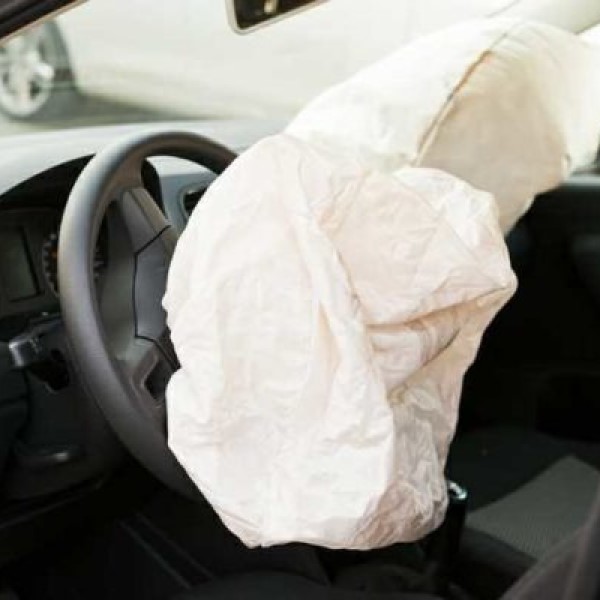
Airbag bruises result from the force exerted by the airbag when it deploys. The deployment occurs rapidly—typically within 20 to 60 milliseconds—releasing a significant amount of energy to cushion the passenger. While airbags save lives, the sudden inflation can also lead to minor injuries such as bruising.
- Types of Bruises: The most common areas for bruising include the chest and arms, which are usually in close contact with the airbag during deployment. The impact can leave marks that may vary in severity based on the individual’s body type and how closely they are positioned to the airbag.
- Velocity and Force: The speed at which the airbag deploys contributes significantly to the intensity of the bruising. This force is necessary to effectively protect an occupant during a collision, but it can also cause superficial injuries.
2. The Role of Seatbelt Use
Airbags are designed to work in conjunction with seatbelts. When used correctly, seatbelts help position passengers optimally, reducing the risk of injury during an airbag deployment.
- Proper Positioning: Wearing a seatbelt keeps the occupant in the correct position so the airbag can deploy effectively. If a passenger is not wearing a seatbelt, they may be thrown forward more during a collision, increasing the potential for serious injuries.
- Minimizing Bruising: Proper seatbelt use can also reduce the extent of bruising from airbag deployment. When seated correctly, the body is less likely to experience the full impact of the airbag, thereby lowering the chance of visible bruises.
Common Misconceptions
1. Airbags Always Cause Serious Bruises
One prevalent misconception is that airbags will always cause severe bruising or significant injuries. While it is true that airbag deployment can lead to bruising, most airbag bruises are minor and heal quickly.
- Protective Benefits: Despite the possibility of bruises, airbags are primarily there to save lives. They significantly reduce the risk of severe injury or death in the event of a car crash. Studies have shown that the chances of surviving a collision increase dramatically with the use of airbags.
- Context is Key: When assessing the severity of airbag bruises, it’s important to consider the context of the crash. Minor accidents may result in little to no bruising, while more severe collisions might lead to additional injuries.
2. Airbag Deployments Always Result in Bruises
It’s a misconception that every airbag deployment will result in visible bruising. The reality is that the extent of any bruising can depend on a variety of factors.
Impact Severity
- Definition of Impact Severity: Impact severity refers to the intensity and force of a collision during an accident. In less serious accidents, the force generated may be insufficient to cause significant injuries, allowing the airbag to deploy safely without resulting in visible bruising.
- Airbag Deployment Without Injury: In minor collisions, an airbag may deploy effectively to cushion the occupant without causing noticeable bruising. For instance, when vehicles collide at low speeds, the overall dynamics may not exert enough force on the body to lead to major injuries. This is especially true if the occupants are braced properly and in an optimal seated position.
- Influencing Factors: Several factors contribute to the injury outcomes during an accident:
- Force of Impact: The greater the force of the impact, the higher the likelihood of injury. In contrast, lighter impacts are less likely to result in serious consequences, resulting in the airbag providing protection with minimal injury.
- Individual’s Position: The seating position and posture of the individual at the time of impact are critical. For those positioned correctly with seatbelts fastened, the airbag will better serve its purpose, reducing the risk of injuries compared to those who may be leaning forward during deployment.
- Seatbelt Usage: Wearing a seatbelt plays an essential role in ensuring that occupants are secured in their seats, allowing airbags to deploy effectively. However, improper use or a lack of seatbelt may increase the risk of injury despite airbag protection.

Individual Variation
- Understanding Individual Variation: Individual variation refers to the differences among people in their physical characteristics and how they respond to the force of an airbag deployment. Factors such as skin type, age, and body composition can significantly influence the severity and extent of bruising.
- Variability in Bruising: Some individuals may experience bruises more easily than others. This variability can be attributed to several reasons:
- Skin Type: Sensitive or thinner skin may lead to a higher likelihood of bruising. Individuals with delicate skin may find that minor impacts result in visible bruises, whereas others with thicker skin may show no signs of injury.
- Age Considerations: Aging can lead to changes in skin elasticity and thickness, making older adults more susceptible to bruising. Elderly individuals may be at a higher risk for injury due to the natural aging process that causes skin to become more fragile.
- Body Composition: Factors such as body fat percentage and muscle density can influence how energy from an airbag impact is absorbed. A higher body fat percentage may provide some cushioning effect, potentially reducing the likelihood of bruising. Muscle mass can also affect injury outcomes, as stronger muscles may dissipate forces differently during deployment.
Important Facts About Airbag Safety
1. Airbags Are Lifesavers
Airbags have played a crucial role in reducing fatalities and serious injuries resulting from car accidents. According to data from the National Highway Traffic Safety Administration (NHTSA), airbags have saved tens of thousands of lives since their introduction.
- Statistical Impact: The NHTSA reports that airbags reduce the risk of death by about 30% for adult drivers and passengers. They serve as a last line of defense, greatly enhancing overall vehicle safety.
- Continual Advancements: Airbag technology continues to evolve, with innovations such as side airbags and adaptive airbags, which provide better protection by adjusting the deployment based on the occupant’s size and position.
2. Importance of Following Safety Guidelines
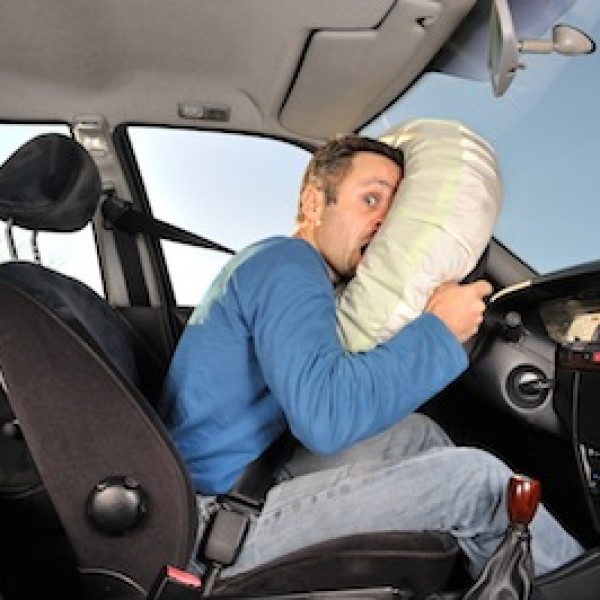
For maximum effectiveness, it’s essential to follow safety guidelines regarding airbag use. This includes ensuring that all passengers are properly wearing seatbelts and children are seated in appropriate restraints.
- Recommended Distance: To ensure safe airbag deployment, it is advised that drivers and front-seat passengers maintain at least 10 inches of distance from the steering wheel or dashboard.
- Child Safety: Children should always be seated in the rear seats of a vehicle, as airbags can pose a significant risk to younger passengers, particularly those under 13 years old.
Treating Airbag Bruising
1. Immediate Care Steps
Following an airbag deployment, if bruising occurs, taking immediate care can alleviate discomfort and promote healing.
- Apply Ice: Using an ice pack or a cloth with ice can help reduce swelling and numb the pain in the bruised area. Apply ice for about 15 to 20 minutes every hour for the first few hours post-impact.
- Rest and Elevation: Resting the injured area and elevating it whenever possible can further reduce swelling and promote quicker recovery. Avoid heavy lifting or strenuous activities until the bruising subsides.
2. When to Seek Medical Attention
In cases where airbag bruises are severe or accompanied by other symptoms, seeking medical advice is crucial.
- Identification of Serious Injuries: If there are concerns about the severity of the bruises or if they are associated with breathing difficulties, severe pain, or dizziness, consulting a healthcare professional is advisable.
- Follow-Up Care: Medical professionals can provide appropriate care instructions. Regular follow-ups may also be necessary to monitor recovery, particularly if additional injuries occurred during a crash.

Frequently Asked Questions
Can airbags cause bruising?
Yes, airbags can cause bruising due to the force of deployment. The protective benefits that airbags provide far outweigh the risk of minor bruising.
Is bruising normal after a car accident?
Yes, it is relatively common to experience bruising after a car accident, especially from the airbag or seatbelt. Most bruises heal on their own with proper care.
What are the common injuries from airbags?
Common injuries associated with airbags include bruising, abrasions, abrasions, and occasionally more severe injuries like facial fractures, depending on the accident’s severity and other factors.
What does an airbag rash look like?
An airbag rash generally presents as redness, irritation, or abrasions on the skin where the airbag contacted the body. This rash typically resolves quickly but may require gentle treatment.
Conclusion
In conclusion, understanding airbag bruises involves recognizing both the benefits and potential minor drawbacks associated with airbag deployment. While bruises may occur, the safety provided by airbags in reducing serious injuries cannot be overstated. By adhering to safety practices and using seatbelts, drivers can maximize the protective capabilities of airbags.
Being informed about the myths surrounding airbag bruises can empower individuals to make safer decisions while driving. Therefore, it’s essential to remain educated about the technologies and safety features that make driving a safer activity. Airbags are a crucial component of vehicle safety, and understanding them helps ensure you can appreciate their role in your protection.