Introduction
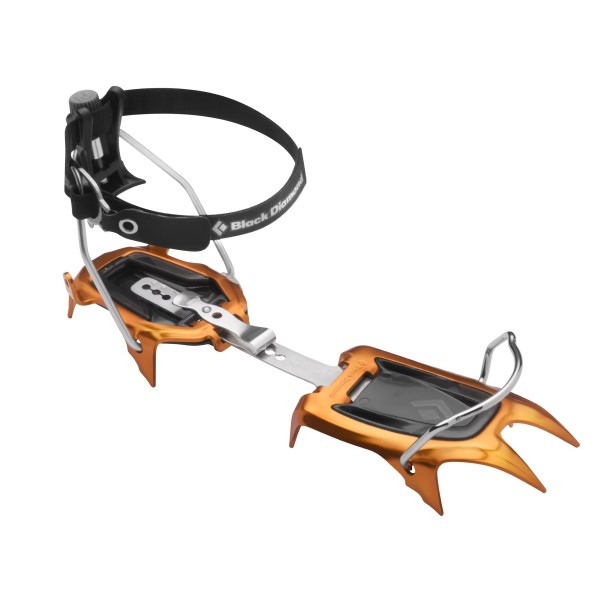
When planning an exhilarating winter adventure, one piece of equipment stands out as essential: mountaineering crampons. These specialized devices attach to your footwear, providing crucial traction on icy and snowy surfaces. Whether you are scaling steep slopes or traversing glacier fields, crampons enhance your grip and stability in challenging conditions.
In this article, we will explore the importance of mountaineering crampons, how to select the right pair for your needs, and best practices for using them effectively on your adventures. Crampons not only improve safety but also enable climbers to enjoy the beauty and thrill of winter landscapes with confidence.
Understanding Mountaineering Crampons
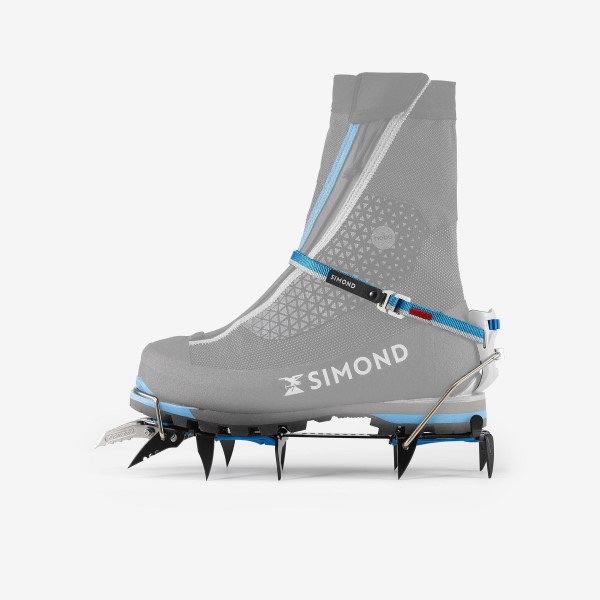
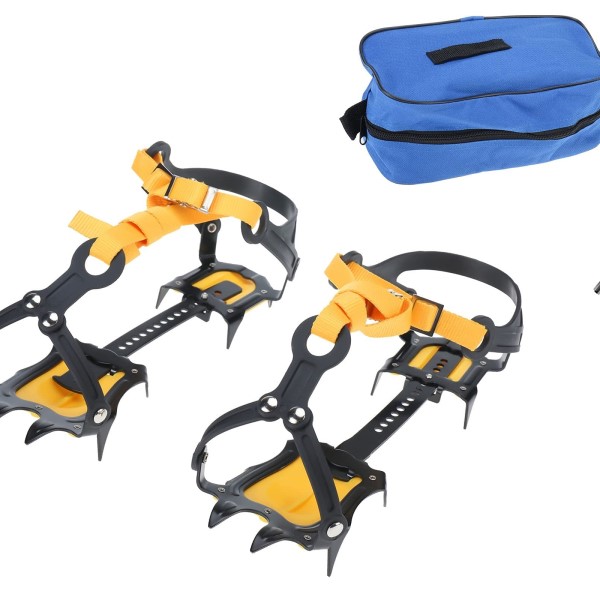
Mountaineering crampons are specially designed for winter hiking and climbing in icy terrains. They come equipped with sharp metal spikes that dig into ice and packed snow, helping you maintain balance and control on treacherous surfaces. Different models offer varying features, including the number of points, materials, and attachment systems, which are essential for different types of climbing.
For example, a typical set of mountaineering crampons consists of 10 to 14 points. A model with 12 points provides superior friction on ice compared to a 10-point model, making it more effective in certain conditions. Those who climb in harsh conditions should look for crampons with aggressive spikes made from high-quality steel, ensuring they withstand significant pressure and provide reliable performance.
The Importance
Safety is paramount when engaging in winter sports, and using proper mountaineering crampons can help prevent slips and falls on icy ground, which are common hazards during winter excursions. Without the right gear, even experienced climbers may find themselves at risk during icy passages. Crampons enhance traction and stability, allowing you to focus on your climb instead of worrying about footing.
Moreover, high-quality crampons can be used in conjunction with other gear, such as ice axes, to further enhance your climbing capabilities. The effectiveness of these tools can make a significant difference in your performance in steep and icy conditions. Thus, investing in a reliable pair of crampons is essential for anyone serious about winter climbing; they could be the difference between a successful climb and a dangerous fall.
How to Choose the Right Mountaineering Crampons
Choosing the right mountaineering crampons involves several important factors. First, you must consider your intended use. Are you primarily going to be on glaciers, or will you be tackling steep, icy slopes? Knowing your environment will guide your choice.
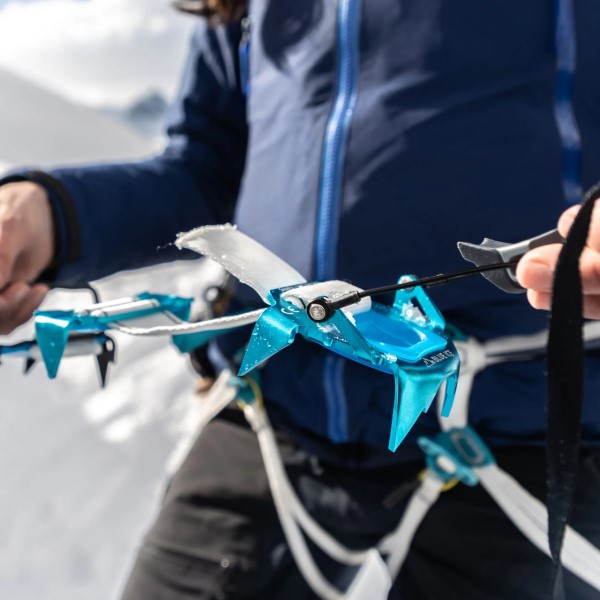
Next, examine the material of the crampons. Aluminum crampons are lightweight and ideal for technical ascents, whereas steel options are more robust and suitable for aggressive conditions. Ensure the crampons fit your boots correctly, as a proper fit enhances stability and safety. Crampons that are too big may slip off or underperform, while those that are too small will limit your mobility.
Also, consider the attachment system—strap-on, automatic, and semi-automatic options are available, each presenting advantages and disadvantages depending on your experience and preferences. Strap-on systems are versatile and work well on a variety of boots, while automatic systems are designed for specific boots with pre-fitted attachments that provide optimal security.
Maintenance Tips
Importance of Regular Maintenance
- Extending Lifespan:
Regular maintenance of your mountaineering crampons is crucial for ensuring their longevity. Just like any outdoor gear, proper care can significantly prolong the functional life of your crampons, saving you money and enhancing your safety on the mountain. - Performance Optimization:
Well-maintained crampons ensure optimal performance during climbs. Neglecting maintenance can lead to deterioration in functionality, which might compromise your safety and effectiveness while navigating icy or snowy terrains.
Cleaning After Each Use
- Removing Residues:
After every use, it is essential to clean your crampons thoroughly. Ice, snow, and dirt can accumulate on the spikes and attachment systems, leading to corrosion over time. If left unchecked, these residues can affect the biting capacity of the spikes, reducing performance during future climbs. - Recommended Cleaning Tools:
Use a soft brush or cloth to remove any debris from your crampons. A brush with stiff bristles can effectively clear away stubborn ice and snow without damaging the material. - Avoiding Abrasive Cleaners:
When cleaning, avoid using abrasive cleaners or metal scrubbers, as these tools can scratch or damage the spikes. Instead, opt for mild soap and water if necessary, ensuring that the cleaner you choose is gentle enough not to harm the crampon’s surface.
Regular Inspections
- Checking for Wear and Damage:
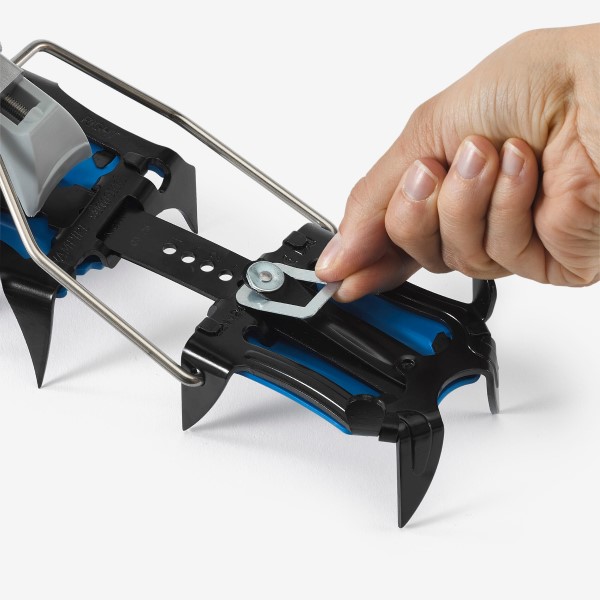
It’s important to inspect your crampons regularly for signs of wear and damage. Focus on the spikes, attachment systems, and any components that might have experienced stress during use. Small issues can escalate quickly if not addressed. - Pay Attention to Locking Mechanisms:
Make sure to check the locking mechanisms closely. If you notice any degradation, such as difficulty in securing or releasing components, this may indicate that parts need replacement. Maintaining reliable locking mechanisms is essential for safety and functionality. - Identifying Parts for Replacement:
Assess whether specific parts can be replaced or if the entire unit needs to be replaced. Many crampon designs allow for replaceable spikes or straps, so consult the manufacturer’s guidelines for the best maintenance practices.
Proper Storage
- Creating a Dry Environment:
Storing your crampons in a dry place is essential to prevent rusting. Moisture can lead to corrosion of metal components, diminishing the effectiveness and integrity of the gear. - Protective Storage Solutions:
Consider using a protective bag or case for your crampons when not in use. This practice can prevent damage from accidental punctures or impacts, particularly from the sharp spikes. Using a designated gear bag also helps keep your other climbing equipment safe. - Organizing Gear:
When storing your crampons, keep them organized with other mountaineering gear. Doing so not only protects them from damage but also makes your gear easier to locate during your next climbing adventure.
Ensuring Safety for Future Adventures
- Confidence in Your Equipment:
Proper care of your mountaineering crampons ensures that they remain effective, safe, and reliable for your future climbs. Knowledge of maintenance can provide peace of mind while navigating challenging terrains. - Regularly Updating Skills:
Alongside maintaining your gear, it’s beneficial to stay updated on best practices for using crampons effectively. Engaging in refresher courses or discussions with experienced climbers can enhance your skills and awareness.
The Benefits of Using Crampons for Safety
Using crampons significantly enhances safety during winter sports. The increased traction they provide helps reduce the risk of slips and falls, which can lead to serious injuries. Additionally, having reliable equipment instills confidence in users tackling challenging terrains. For instance, climbers on steep slopes can navigate icy sections with peace of mind, knowing their crampons will provide the needed traction.
Moreover, the peace of mind that comes from using reliable gear cannot be overlooked. Confidence in your equipment allows you to focus on the experience rather than worrying about your safety. This ability to concentrate on the beauty of nature surrounding you enhances the overall experience of unforgettable climbs and breathtaking views.
Frequently Asked Questions
- Are mountaineering crampons the same as ice climbing crampons?
While both types serve similar functions, they are designed for different activities. Mountaineering crampons are versatile and suitable for general winter hiking, while ice climbing crampons typically feature more points and are designed for vertical ascents on ice, providing better grip for steep climbs. - Which crampons for Everest?
For Everest expeditions, climbers usually opt for stainless steel crampons with at least 12 points. The extreme conditions and high altitudes necessitate durable gear capable of withstanding icy and rocky terrain. High-performance options are crucial for ensuring climbers’ safety on one of the world’s most challenging mountains. - What’s the difference between spikes and crampons?
Crampons typically refer to the full attachment system worn on the boots for icy and snow-covered terrains, containing multiple points. In contrast, spikes may describe simpler, often temporary solutions, such as spikes that can be clipped onto shoes for brief encounters with slippery surfaces. Crampons are designed for more sustained use in technical climbing situations where reliable traction is essential.
Conclusion
In summary, mountaineering crampons are essential gear for anyone venturing into winter adventure sports. Their ability to provide traction and stability on icy surfaces makes them indispensable for safe climbing and hiking. As you consider your next winter expedition, remember the critical role that crampons play in enhancing your experience.
By selecting the right pair, maintaining them properly, and understanding their benefits, you can confidently tackle any frosty challenge that comes your way. Whether you are a seasoned mountaineer or a novice, never underestimate the power of reliable mountaineering crampons as part of your winter gear arsenal. Embrace the thrill of winter adventures while enjoying the safety and stability that high-quality crampons provide.