Introduction: The Importance of Crampons for Hiking Boots
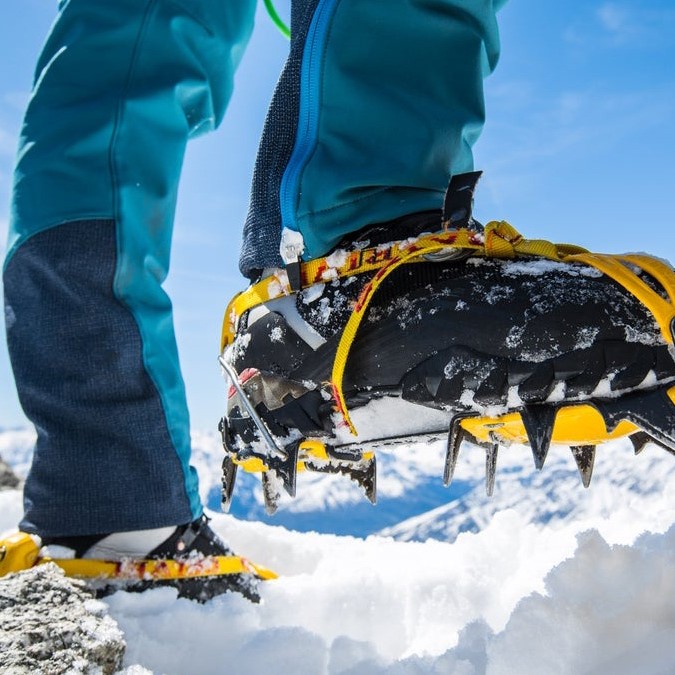
When heading out for a hike, particularly in winter conditions, one vital piece of equipment can make all the difference: crampons for hiking boots. These specialized traction devices are designed to help hikers navigate icy or snow-covered terrain safely. By providing additional grip, crampons enhance stability and reduce the risk of slips and falls, allowing adventurers to tackle challenging trails with confidence. In this comprehensive guide, we will dive into the various types of crampons, how to choose the right pair for your boots, and essential tips for using them effectively.
Understanding Crampons: What You Need to Know
What Are Crampons?
Crampons are spikes or metal projections attached to footwear, primarily used in ice and snow conditions. They enhance traction and stability in environments where a hiker might otherwise slip.
- Types of Crampons:
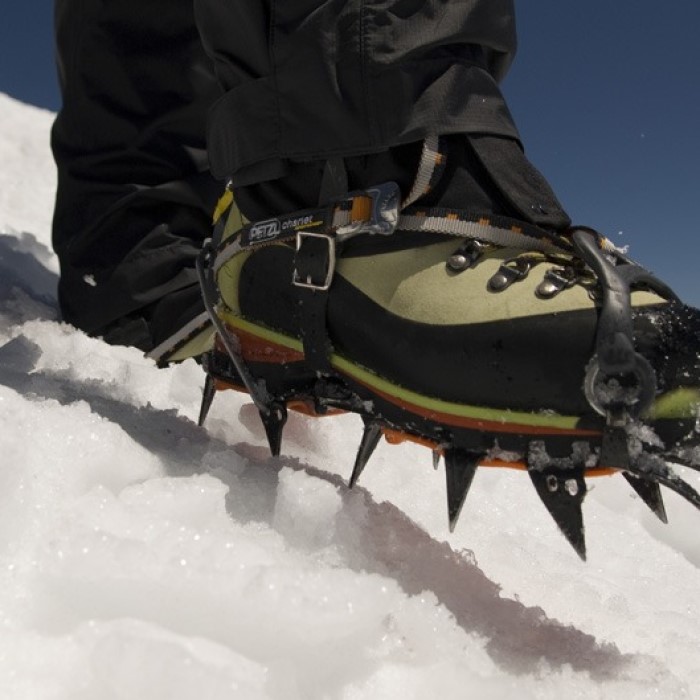
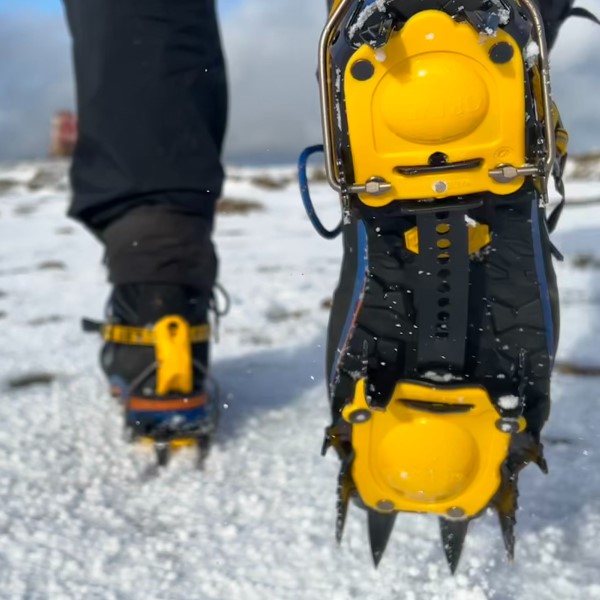
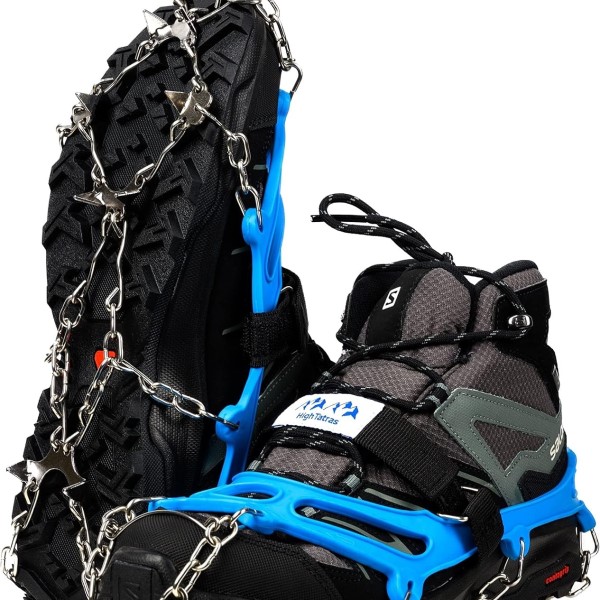
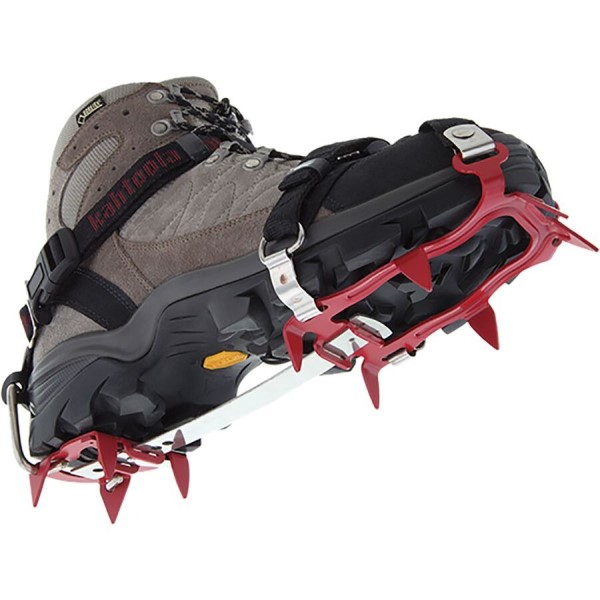
There are generally two main types of crampons suitable for hiking boots: strap-on crampons and step-in crampons. Strap-on crampons are versatile and can fit many types of footwear, making them popular among casual hikers. Step-in crampons are typically designed to work with specific mountaineering boots that feature a compatible attachment system. - Material and Design:
Crampons can be made from aluminum or steel. Aluminum is lighter and suitable for softer snow, while steel offers greater durability for icy conditions.
Why Use Crampons?
Using crampons is crucial when hiking on hard-packed snow or ice. They provide several significant benefits:
- Improved Safety:
The primary function of crampons is to increase traction, reducing slip risks while hiking on icy surfaces. This enhanced grip can be life-saving in challenging terrain. - Increased Confidence:
With the right crampons securely attached to your boots, you can navigate snow-covered paths with a sense of security, which allows you to explore more difficult trails that might have been intimidating without proper gear.
Choosing the Right Crampons for Your Hiking Boots
Key Factors to Consider
When selecting crampons for your hiking boots, there are several essential factors to keep in mind:
Compatibility
- Importance of Compatibility:
Ensuring that the crampons you select are compatible with your hiking boots is crucial for safety and performance. Mismatched gear can hinder your ability to walk effectively and may lead to accidents on the trails. - Characteristics of Compatible Boots:
If your hiking boots feature a stiff sole and a built-in toe welt, step-in crampons are typically the best choice. A toe welt provides a secure attachment point, allowing the crampons to lock in place for maximum stability. - When to Choose Strap-On Models:
If your boots do not have a stiff sole or toe welt, strap-on crampons may be more appropriate. These models utilize adjustable straps to secure themselves to various types of footwear, making them versatile in fitting different boot styles. They are particularly useful for casual hikers or those who may not want to invest in specialized mountaineering boots. - Testing for Fit:
Before purchasing crampons, test them on your boots if possible. Securing crampons to your boots in-store can provide insight into their fit and functionality. A proper fit ensures that the crampons won’t slip or detach during use, thereby enhancing safety.
Type of Hiking
- Assessing Your Hiking Plans:
It’s important to consider the type of hiking you plan to undertake when selecting crampons for hiking boots. Different activities require different levels of traction and support from your gear. - Using Step-In Crampons:
If you are navigating technical ice climbing or steep snowy slopes, step-in crampons will offer the best performance. Their design provides a more secure connection to the boot, allowing for greater power transfer and stability on steep or challenging terrain. They are best suited for serious mountaineers or climbers who frequently encounter icy conditions. - Choosing Strap-On Crampons:
Conversely, if your hiking plans involve less technical trails or moderate snow, strap-on crampons will likely suffice. These models provide adequate traction for walking on gently sloping snowy surfaces without the need for a specialized boot setup. - Evaluating Trail Conditions:
Always evaluate trail conditions before heading out. If there’s uncertainty about the snow or ice conditions, it might be prudent to opt for step-in models, ensuring you are prepared for the unexpected.
Weight and Packability
- Considering Weight:
When selecting crampons, consider how much weight you’re willing to carry during your hike. Every ounce counts on long treks, and the weight of gear can significantly impact your stamina and comfort. - Benefits of Lightweight Crampons:
Lightweight crampons are easier to pack and transport. Their reduced weight will be appreciated during long hikes where fatigue can set in. Additionally, lightweight options often encourage regular use, making them an appealing choice for beginners or casual hikers. - Sturdiness and Terrain Suitability:
However, while weight is essential, ensure that the crampons you select are sturdy enough for your planned terrain. Lightweight crampons may sacrifice some durability for weight, which might not be suitable for technical climbs or icy slopes. It’s important to strike a balance between weight and performance. - Storage Options:
Look for crampons that also offer compact storage options. Many modern models fold up or collapse for easy packing, making it easier to carry them in your backpack without taking up excessive space. This feature can be especially beneficial if you need to bring multiple pieces of gear for a multi-day adventure.
Comfort and Fit
A vital aspect of choosing the right crampons is ensuring they fit comfortably without compromising safety.
- Adjustable Straps:
For strap-on models, look for adjustable straps that allow for a snug fit around your hiking boots. A good fit ensures the crampon remains securely attached and performs effectively. - Testing Before Use:
Before heading out on a challenging hike, practice walking in your chosen crampons. Familiarizing yourself with how they feel on your boots can help you adjust and feel more confident during your hikes.
Using Crampons Effectively
Proper Attachment
Once you have chosen the right crampons, it’s crucial to attach them correctly to maximize their performance.
- Securing the Crampons:
Follow the manufacturer’s instructions for attaching the crampons to your boots. Ensure they are tight enough to prevent movement but not so tight that they cause discomfort. - Check They Are Secure:
Before embarking on your hike, do a thorough check to make sure that all straps and attachments are secure. This precaution can prevent accidents caused by detaching crampons while navigating challenging terrain.
When walking with crampons, utilizing proper techniques will enhance your overall experience.
Weight Distribution
- Understanding Proper Weight Placement:
When navigating icy terrain with crampons, it is essential to focus on how your weight is distributed. Proper weight placement is key to maximizing traction and maintaining balance. - Best Practices for Weight Distribution:
Aim to distribute your weight primarily over your heels or the center of your foot. This position allows the crampon spikes to grip the surface effectively. When your weight is adequately balanced, you enhance your stability and ensure that the points dig into the ice or snow. - Risks of Leaning Forward:
Leaning too far forward can lead to a significant loss of traction. If too much weight shifts onto your toes, the crampons for hiking boots may not engage properly, increasing the likelihood of slipping. It can make movement feel precarious and may compromise your safety during the hike. The risk of falling becomes substantially higher in these positions. - Adjusting Your Stance:
Make a conscious effort to maintain a stance that supports proper weight distribution, particularly when making directional changes or navigating tricky spots. Regularly check your body position and adjust as needed to maintain optimal balance.
Short Steps
- The Advantage of Short Steps:
When using crampons, taking shorter steps can significantly enhance your balance and control, especially on ice and steep gradients. Short steps allow for a more manageable stride, making it easier to react to changing terrains. - Improving Stability:
With shorter, more deliberate steps, you can maintain better stability as you traverse slippery surfaces. This approach minimizes the distance your foot moves from its center of gravity, making it less likely for you to lose balance. - Facilitating Easier Adjustments:
Short steps enable quicker adjustments. If you begin to slip or feel unsteady, a shorter stride allows for faster corrections. The reduced forward momentum creates opportunities to regain footing without compromising your safety. - Practice Short Steps:
When training or familiarizing yourself with crampon use, practice taking short steps in flat areas before attempting steeper sections. This will help you build confidence in your ability to maneuver effectively while maintaining stability.
Using Ice Axe
- Incorporating an Ice Axe:
If your hiking adventure takes you into steeper or more technical terrain, consider carrying an ice axe in conjunction with your crampons for hiking boots. The ice axe adds an important layer of safety and stability. - Safety Benefits:
Using an ice axe provides a means to arrest a fall if you slide on an icy surface. It allows you to dig into the snow and ice, helping to stop your descent. This capability is especially valuable in high-risk areas where slips can lead to severe injuries or accidents. - Learning Proper Techniques:
To enhance safety, familiarize yourself with effective techniques for using both crampons and the ice axe. This includes knowing how to grip the axe, position it correctly, and use it to provide support while traversing sloped surfaces. - Combining Tools Effectively:
Understanding how to integrate the use of your ice axe with crampons will improve your overall hiking skills. You will become more adept at navigating steep grades and overcoming various challenges, thus enhancing both your confidence and safety on the trails.
Common FAQs About Crampons for Hiking Boots
What’s the difference between spikes and crampons?
Spikes are small protrusions that improve traction on softer surfaces, while crampons are heavier-duty devices used to navigate icy and snow-covered terrains. Crampons have sharper, longer spikes for grip on hard surfaces.
Can I use my hiking boots for snow?
You can use hiking boots on snow; however, their effectiveness depends on the conditions. For icy or hard-packed snow, it’s advisable to use crampons for safety and better traction.
How to make hiking boots more grippy?
To improve grip, ensure your hiking boots have a textured sole specifically designed for traction. You can also consider adding shoe grips or using crampons when encountering icy surfaces.
Conclusion: Hiking with Confidence Using Crampons
In conclusion, selecting the right crampons for hiking boots is essential for navigating snowy and icy terrains safely. By understanding the different types available, assessing the terrain, and ensuring a proper fit, you can maximize your traction and confidence while hiking in winter conditions.
Investing in quality crampons is not just about increasing safety; it’s about enhancing your overall hiking experience. With the correct equipment and techniques in place, you can confidently explore various trails and enjoy the beauty of winter landscapes while staying safe. Make your next winter hiking adventure memorable by ensuring you have the right crampons and knowledge to conquer any snowy path.