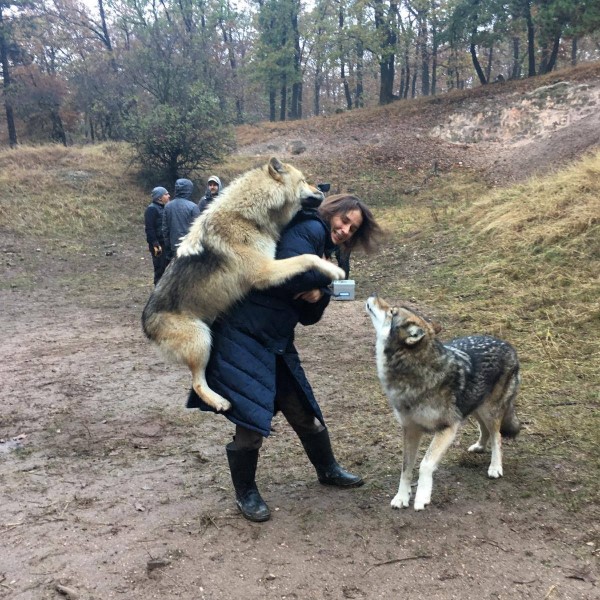
Introduction: Understanding Wolf Attacks
When trekking into nature, one concern outdoor enthusiasts might have is encountering wildlife, including the possibility of a wolf attack. Although such incidents are rare, understanding how to respond correctly can be essential for survival. Wolves usually avoid human contact, yet they can be unpredictable—especially when they feel threatened or are protecting their territory and young. By knowing how to respond, you can prepare yourself for any unexpected encounters. This article will discuss the best practices for responding during a wolf attack, emphasizing the critical behaviors that may enhance your chances of survival in such scenarios.

Why Wolves Attack: Understanding Their Behavior
Natural Instincts
Wolves are apex predators known for their pack mentality, hunting instincts, and territorial behavior. Understanding these traits helps clarify the reasons behind potential wolf attack. Generally speaking, wolves do not seek out human confrontation; however, factors such as hunger or the instinct to protect their territory or pups can trigger aggressive behaviors.
- Hunting Behavior: Wolves are highly skilled hunters and often rely on their pack structure to effectively hunt larger prey. This instinct does not normally involve humans, but proximity to a carcass can spark interest.
- Territorial Aggression: Like many wild animals, wolves might attack if they perceive a threat to their territory. This behavior is common in animals that have established dens or breeding grounds.
Fear and Threat Perception
Many wolf attacks on humans occur because a wolf perceives something it believes is a threat. Additionally, unhealthy or malnourished wolves may act out of desperation. Awareness and understanding of wolf behavior are essential to mitigating the risk of an attack.
Defensive Behavior
- Mother Wolves and Protective Instincts:
- Mother wolves, or “dams,” display heightened protective instincts when they have pups. During the nursing period, these instincts become particularly pronounced, as mothers prioritize the safety and well-being of their young.
- If a mother perceives any potential threat to her pups, be it human or another animal, she is likely to respond aggressively. This behavior is deeply rooted in survival instincts, as the primary goal is to defend her vulnerable offspring from harm.
- Indicators of Aggression:
- A mother wolf may exhibit various signs of aggression when she feels her pups are at risk. This can include growling, barking, and displaying defensive postures, such as standing tall or showing her teeth.
- Quick movements towards a perceived intruder, combined with vocalizations, serve to warn the threat away. If the threat persists, the mother may escalate her aggression, attempting to drive the perceived danger away forcefully.
- Safety Precautions Around Mother Wolves:
- Understanding this defensive behavior is crucial for anyone venturing into wolf-inhabited areas, particularly during the spring and summer months when pups are born. If you encounter a mother wolf, it is essential to give her plenty of space and avoid approaching the den.
- Hikers and outdoor enthusiasts should be particularly vigilant during this time. Being aware of their surroundings and respecting the territory of these animals can help prevent aggressive encounters.
Habituation to Humans
- Understanding Habituation:
- Habituation occurs when wild animals become accustomed to human presence, often due to previous interactions which alter their natural behaviors. In some cases, wolves may begin to associate humans with a food source.
- This phenomenon can lead to increased aggression, as habituated wolves may lose their inherent fear of humans, causing them to approach expecting food or other interactions.
- Feeding Practices and Its Risks:
- Instances of wolves and other wildlife becoming aggressive towards humans are often exacerbated by people feeding these animals, either intentionally or unintentionally. When wolves are fed by humans, they start associating people with food, altering their natural behavior and making them more likely to seek out human interaction.
- The behavior can lead to dangerous situations not only for humans but for the wolves themselves, as they may become more reliant on this food source and less effective at hunting for themselves.
- Consequences of Over-Familiarity:
- Increased familiarity with humans can result in bold behavior from wolves, such as approaching campsites or hikers looking for food. This situation can escalate the potential for aggressive interactions, particularly if the animal feels threatened or is defending another group member.
- To minimize the risks associated with habituation, it is crucial for outdoor enthusiasts to practice proper food storage, avoid feeding wildlife, and refrain from close encounters with wild animals.
- Educating the Community:
- Educating the public about the implications of habituation is essential for promoting safe interactions between humans and wolves. Awareness programs can help foster responsible behaviors among campers, hikers, and local communities.
- By understanding the relationships between food sources and wild animal behavior, people can take proactive steps to prevent habituation, ensuring both human safety and the well-being of wolves in the wild.
Recognizing Dangerous Situations
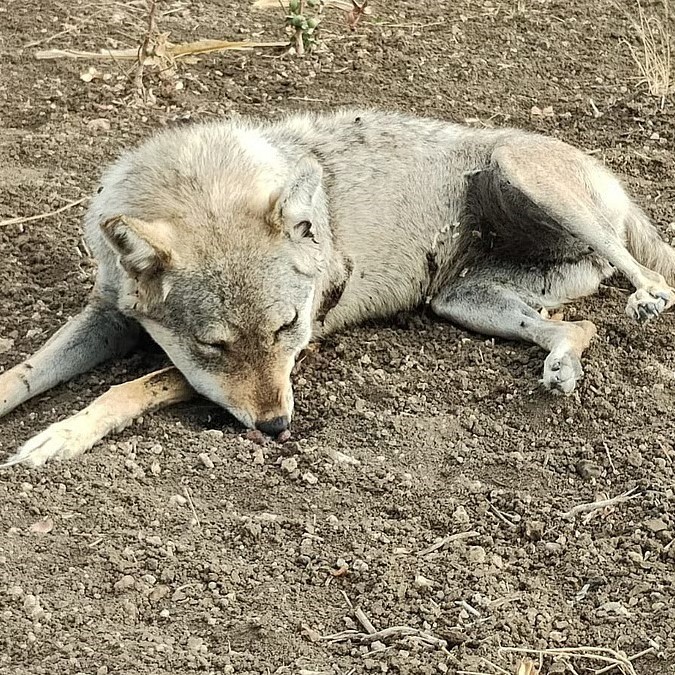
Recognizing the signs of an agitated or aggressive wolf can significantly affect your reaction. Signs of aggression include growling, barking, and body postures that suggest dominance, such as raised hackles, a stiffened tail, or a relaxed jaw. Understanding these signals can enable outdoor enthusiasts to react appropriately to avoid confrontation.
- Body Language: Being knowledgeable about wolf body language and signs of stress will help in making informed decisions about how to navigate encounters.
What to Do if You Encounter a Wolf
Stay Calm and Assess the Situation
One of the most important things to remember during a wolf attack is to remain as calm as possible. Panic can lead to hasty decisions, which can worsen your situation. Take a moment to assess the situation carefully:
- Observe the Wolf’s Behavior: Determine if the wolf seems agitated, curious, or relaxed. This observation can significantly influence your response.
- Distance Yourself: If the wolf is at a distance and behaving normally, consider slowly moving away without turning your back. This allows you to exit the situation without provoking the wolf.
Make Yourself Appear Larger
If you find yourself facing a wolf directly, attempt to make yourself appear larger. This can be critical in deterring the wolf, as most wildlife prefer not to confront larger opponents:
- Raise Your Arms: Hold your arms above your head to create an imposing figure. Open your jacket or sweatshirt to further amplify your size.
- Group Dynamics: If you are with others, stand close together. A group will naturally appear larger and more intimidating to the wolf.
Back Away Slowly
Do not run or turn your back on the wolf. Such actions can trigger its instinct to chase. Instead, take slow, deliberate steps backward while continuing to face the wolf:
- Controlled Movements: Moving slowly demonstrates that you are not a threat while giving you the opportunity to safely exit the area.
- Maintain Eye Contact: Always keep eye contact with the wolf, as breaking this gaze may signify submission or encourage aggressive behavior.
Use Loud, Firm Commands
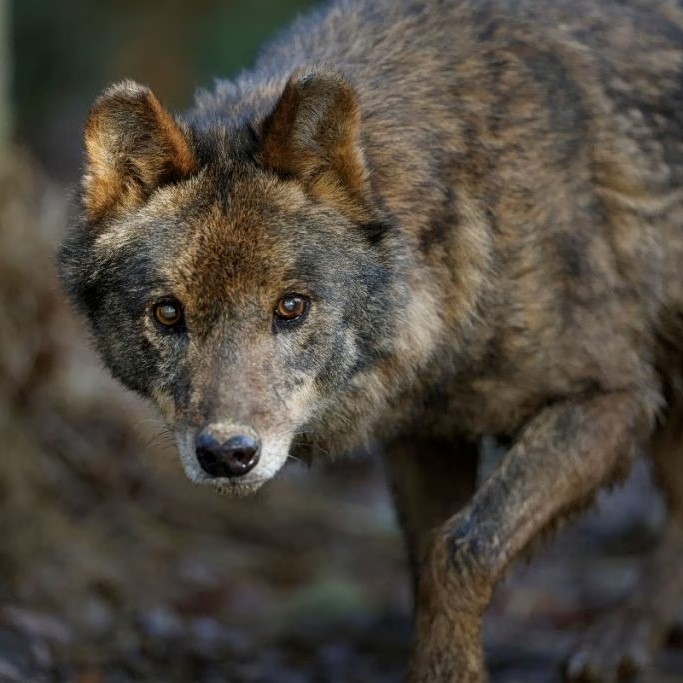
Utilizing loud, authoritative commands can often deter a wolf:
- Assertiveness: Shout phrases such as “Go away!” or “Leave us alone!” in a strong voice. Your tone should convey confidence and authority rather than fear.
- Avoiding Screaming: While it’s essential to be loud, try not to scream. A scream might signal distress and escalate the situation.
Preparing for Potential Wolf Encounters
Carry Deterrents
When hiking or camping in areas known to have a wolf presence, consider carrying deterrents:
- Bear Spray: Recommended for repelling large predators, bear spray can also be effective against aggressive wolves. Ensure it is easily accessible and familiarize yourself with how to use it before heading out.
- Noise-Making Devices: Whistles or air horns can create noise to deter wildlife, especially if a wolf approaches and seems curious.
Travel in Groups
Wolves are less likely to approach a larger group of individuals:
- The Power of Numbers: Whenever possible, hike or camp with friends or family. The presence of multiple people significantly decreases the chances of an encounter.
- Communicate During Hiking: By staying in close contact with your group, you can better monitor each other and react accordingly to any threats.
Educating Yourself About Wolves
Knowledge is Your Best Defense
Education is essential in understanding wolf behavior and the environment you are exploring:
- Local Wildlife Education: Many wildlife organizations offer resources and education programs that discuss wolf behavior and safety measures. These programs can enrich your understanding, assisting in confident exploration.
- Observe Local Ecosystems: Understanding the ecology of the area, including the presence of wolves and other wildlife, can help you make informed decisions while hiking or camping.

Frequently Asked Questions
Have wolves ever attacked a human?
Yes, while incidents of wolves attacking humans are rare, they have occurred. These attacks usually derive from wolves feeling threatened, particularly in situations where they are guarding pups or food.
What is wolf weakness?
Wolves, like many predators, can be deterred by loud noises and assertive behavior. They are social animals that rely on their pack for strength; a lone wolf may often feel vulnerable.
Which wolf is the most aggressive?
While wolf behavior can vary individually and by pack, the gray wolf is often considered the most aggressive. However, aggressiveness typically arises from defensive instincts rather than an inherent predisposition toward aggression.
What to do if being attacked by a wolf?
If you find yourself under attack, your goal should be to deter the wolf. Use loud commands, make yourself appear larger, and back away slowly without running. If the attack persists, defend yourself using any available objects.
Conclusion: Stay Prepared and Informed
Responding to a wolf attack involves remaining calm, making yourself appear larger, and backing away slowly. Additionally, educating yourself about wolf behavior and practical safety measures will make outdoor activities more enjoyable and secure. It’s essential to prepare for encounters, carry deterrents, and ideally travel in larger groups to minimize risk.
Awareness and respect for wolves as wild animals allow for a greater appreciation of their role in nature. Always remember that while they can be majestic creatures, being informed and alert is key to ensuring safe outdoor adventures. By understanding wolf behavior and practicing safety precautions, you can confidently explore natural landscapes while minimizing risks. Happy adventuring in the great outdoors!