Introduction
When it comes to hiking and outdoor adventures, having the right gear is essential. Among the many items that hikers need, trekking sunglasses are often overlooked. However, these sunglasses play a critical role in protecting your eyes from harmful UV rays that can cause long-term damage. This article will explore why UV protection is crucial for hikers and how to choose the right trekking sunglasses for your outdoor excursions.

Understanding UV Rays and Their Effects
What are UV Rays?
Ultraviolet (UV) rays are a type of radiation produced by the sun. Although we cannot see them, they can be harmful to our skin and eyes. UV rays are divided into three types: UVA, UVB, and UVC.
- UVA Rays: These rays penetrate deep into the skin and are associated with aging and long-term skin damage. They can also contribute to eye problems, such as cataracts and macular degeneration.
- UVB Rays: These rays are responsible for causing sunburn. They can affect the outer layers of the skin and are also linked to skin cancer. Like UVA rays, UVB rays can harm your eyes, potentially leading to photokeratitis—a painful condition similar to sunburn for the eyes.
- UVC Rays: These rays are the most harmful but are absorbed by the Earth’s atmosphere and do not usually affect us.
The Impact of UV Rays on Eye Health
Extended exposure to UV rays can have long-lasting effects on your eye health. Over time, cumulative exposure can increase the risk of developing serious conditions.
- Cataracts: UV exposure can lead to the development of cataracts, a clouding of the lens of the eye that can impair vision.
- Macular Degeneration: Ultraviolet rays can damage the retina, contributing to macular degeneration, which affects central vision.
- Photokeratitis: This temporary but painful condition occurs after prolonged exposure to UV rays, leading to symptoms like redness, blurred vision, and tearing.
Ensuring that your trekking sunglasses provide adequate UV protection is essential for your long-term eye health.

Choosing the Right Trekking Sunglasses
Key Features to Look For
When selecting trekking sunglasses, you must consider several essential features to ensure maximum protection and comfort:
- 100% UV Protection: Look for sunglasses that explicitly state they provide 100% protection against UVA and UVB rays. This ensures your eyes are safe from harmful exposure.
- Lens Quality: The quality of the lenses is critical. Polycarbonate lenses are lightweight and impact-resistant, making them ideal for outdoor activities. Additionally, consider lenses with anti-scratch coatings for enhanced durability.
- Polarization: Polarized lenses reduce glare from reflective surfaces, such as water or snow. This feature improves visibility and decreases eye strain, making it an invaluable option for trekkers and hikers.
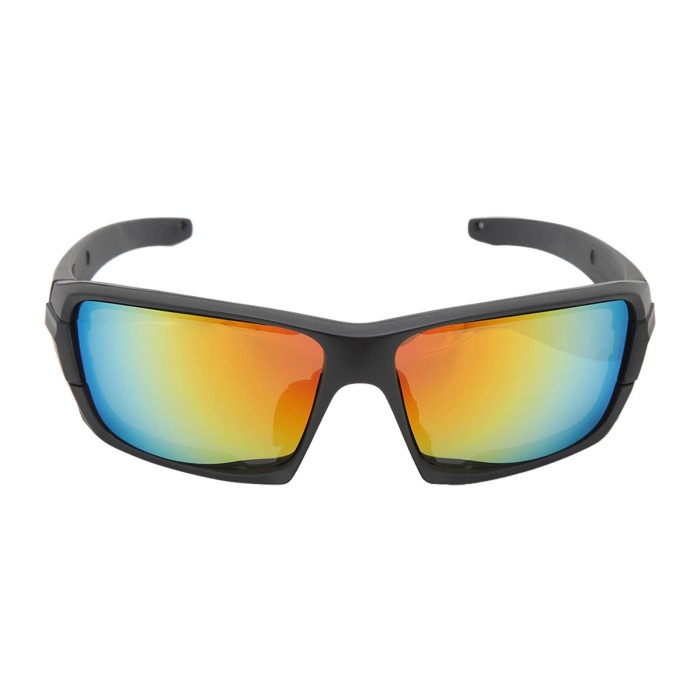
- Frame Fit and Coverage: Ensure the frames fit well and provide adequate coverage. Wrap-around styles can help block peripheral light, offering better protection against UV rays.
- Comfort and Style: Look for sunglasses that are comfortable to wear for extended periods. Consider styles that match your outdoor aesthetic while providing functionality.
Recommended Materials
- Polycarbonate and Trivex: These lightweight materials are impact-resistant and provide excellent UV protection. They’re best suited for outdoor activities.
- Glass: While offering excellent optical clarity, glass lenses are heavier and can shatter upon impact. They are less recommended for high-action outdoor sports.
Lens Types
- Standard Lenses: Great for everyday use, but may not provide adequate glare reduction for bright conditions.
- Photochromic Lenses: These lenses adjust their tint based on light conditions. They darken in bright sunlight and lighten in low-light conditions, providing versatility for varying environments.
The Benefits of Polarized Sunglasses for Hiking
Reduced Glare
One of the significant advantages of polarized sunglasses is their ability to minimize glare. This is particularly beneficial for hikers who find themselves on wet surfaces or in bright conditions, such as snowy terrain.
- Better Visibility: The reduction of glare enhances visibility and depth perception, making it easier to navigate uneven terrain or obstacles.
- Less Eye Fatigue: By reducing glare, polarized lenses decrease eye strain, enabling you to focus on the beautiful surroundings without discomfort.
Enhanced Color Perception
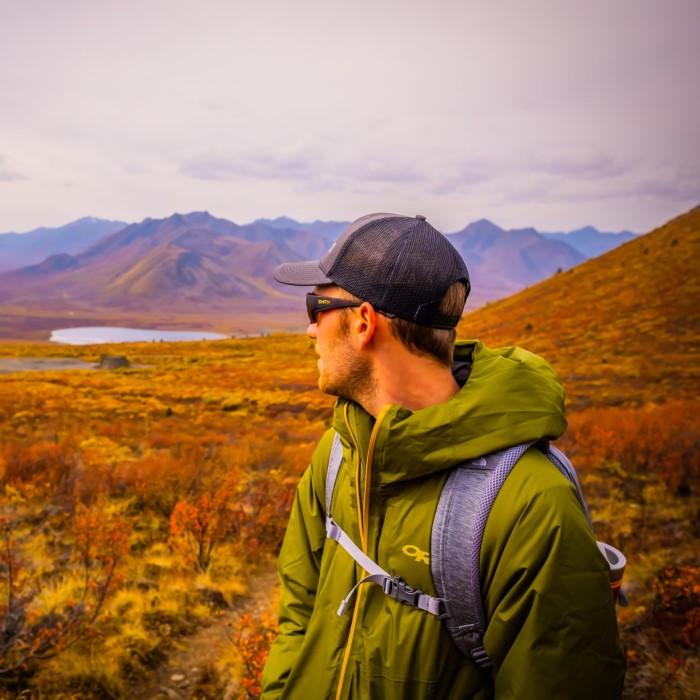
Polarized sunglasses often enhance color perception, making nature’s colors more vibrant and enjoyable. This feature adds an aesthetic benefit to your trekking experience, allowing you to appreciate the beauty of your environment fully.
For hikers, safety is paramount. Wearing polarized sunglasses can help detect potential hazards, such as wet rocks or changes in terrain, by providing clearer visuals.
How to Care for Your Trekking Sunglasses
Cleaning and Maintenance
To keep your trekking sunglasses in top condition, follow these care tips:
Regular Cleaning
- Use a Microfiber Cloth: Always use a microfiber cloth when cleaning the lenses of your sunglasses. These cloths are specifically designed to lift dust and dirt without scratching the surface, providing a gentle yet effective cleaning method.
- Cleaning Solution Options: If needed, you can use a lens cleaning solution designed for eyewear to remove smudges and marks. Avoid using household cleaners or ammonia-based products, as they can degrade the lens coating and cause damage.
- Gentle Cleaning Technique: To clean the lenses, gently wipe in a circular motion, applying light pressure. This technique not only effectively cleans the lenses but also prevents any scratches from occurring during the process.
- Regular Maintenance: It’s advisable to clean your sunglasses regularly, especially after exposure to sweat, sunscreen, or saline water. This helps maintain clarity and performance while prolonging the lifespan of your lenses.
Storage Protection
- Use a Protective Case: When you’re not wearing your sunglasses, always store them in a protective case. Hard cases provide maximum protection against accidental drops, crushing, or scratches, ensuring that your sunglasses remain in good condition.
- Keep Away from Loose Items: Avoid placing your sunglasses in pockets or bags without protection, as they can easily become scratched or damaged by other objects. Always opt for a dedicated compartment or a soft pouch within your bag for added safety.
- Choose the Right Case: Invest in a case that fits your sunglasses well. It should not be too tight, as this could bend the frames, and not too loose, as this might leave them susceptible to movement and potential damage.
- Organize in Storage: If you have multiple pairs of sunglasses, consider using a designated storage system, such as a sunglasses organizer or a drawer with dividers. This not only keeps them safe but also makes it easy to find and access the pair you want.
Avoid Exposure to Extreme Temperatures
- Understanding Temperature Effects: Awareness of how temperature affects your sunglasses is crucial. High heat can cause plastic frames to warp or become misshapen, while extremely cold temperatures can make them brittle and prone to breaking.
- Store in a Controlled Environment: Whenever possible, keep your sunglasses in a temperature-controlled environment. Avoid leaving them in hot places like cars, dashboards, or direct sunlight for extended periods. These conditions can lead to irreversible damage.
- Use Temperature-Proof Pouches: If you need to transport your sunglasses in extreme weather, utilize insulated or temperature-resistant pouches. This extra layer of protection can help safeguard your eyewear against harsh conditions.
- Monitor Humidity Levels: Besides temperature, humidity can also affect the materials used in sunglasses. Ensure they are stored in a dry and cool place. Excessive humidity might lead to mold or damage to coatings over time.
Inspect Regularly
Regularly inspect your sunglasses for signs of wear, including scratches on the lenses or loose hinges. Addressing these issues promptly will extend the lifespan of your eyewear.
Frequently Asked Questions
What kind of sunglasses are best for hiking?
The best sunglasses for hiking typically offer 100% UV protection, polarized lenses to reduce glare, lightweight frames, and comfortable fitting options. Look for options that blend durability with comfort.
Why do hikers wear sunglasses?
Hikers wear sunglasses primarily to protect their eyes from harmful UV rays. Sunglasses help reduce glare from surfaces like water or snow, improve visibility, and offer comfort during long hikes.
Why can’t you wear polarized sunglasses when flying?
Polarized sunglasses can interfere with the display of certain screens in aircraft, like cockpits and LCD instruments. While they are great for outdoor use, they can complicate visibility in a flight context.
Should I get polarized sunglasses for hiking?
Yes, polarized sunglasses are highly recommended for hiking. They protect against glare, enhancing visibility and reducing eye strain, which is especially beneficial on bright days or near reflective surfaces.
Conclusion
In conclusion, selecting the right trekking sunglasses is essential for protecting your eyes during outdoor adventures. The importance of UV protection cannot be overstated, as it plays a critical role in maintaining long-term eye health. By choosing sunglasses that offer effective UV blocking, polarization, and a comfortable fit, hikers can significantly enhance their outdoor experience. Always remember to care for your sunglasses properly to ensure they last and perform when you need them most. Investing in good trekking sunglasses is an investment in your safety and enjoyment of the great outdoors.