Introduction to Sheath Knives
In the realm of survival gear, few tools are as indispensable as the sheath knife. A sheath knife combines the utility of a sturdy blade with the convenience of a protective cover, making it a must-have for outdoor enthusiasts and survivalists alike. Whether you’re on a camping trip, hiking in the wilderness, or preparing for emergencies, a sheath knife offers versatility and reliability. This article will delve into the reasons why every survival kit should feature a high-quality sheath knife, highlighting its numerous uses, key features, and essential maintenance tips. By the end, you’ll understand why this tool is critical for any outdoor adventure.
The Importance of a Sheath Knife in Survival Situations
Multifunctional Utility
One of the most compelling reasons to include a sheath knife in your survival kit is its multifunctionality. Unlike other tools that may only serve a single purpose, a sheath knife can perform a variety of tasks, making it an excellent all-around tool. Here are some ways a sheath knife proves its worth in survival situations:
- Food Preparation: From slicing fruits to cutting meat, a knife is perfect for food prep. It allows for precise cuts, ensuring you can prepare meals efficiently in the wilderness.
- Shelter Building: If you find yourself needing to create a shelter, a knife is essential for cutting branches and rope. Its sturdy blade can handle tough materials, making it easier to construct a protective space.
- Fire Starting: A sheath knife can assist in gathering tinder and kindling for fires. You can use its edge to carve wood into smaller pieces, increasing your chances of successfully igniting a fire.
- Emergency Situations: In unforeseen circumstances, a sheath knife can serve as a critical tool for first aid, allowing you to cut bandages, clothing, or even create splints for injuries.
Given its wide range of uses, it’s easy to see why a knife is considered essential survival gear.
Key Features
Blade Material and Design
When selecting a sheath knife, the blade’s material and design are vital considerations. High-carbon stainless steel is often preferred for its ability to retain sharpness while resisting rust and corrosion. Additionally, the blade design plays a crucial role in its functionality:
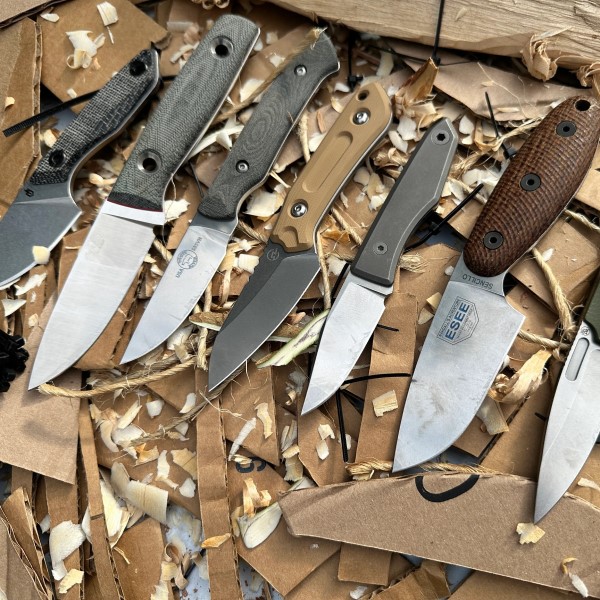
- Blade Shape: Various blade shapes serve different purposes. For example, a drop-point blade offers better control for detailed tasks, whereas a clip-point blade excels in piercing situations.
- Blade Length: The ideal length for a sheath knife typically falls between 4 to 7 inches. This range provides versatility for various tasks without becoming cumbersome to carry.
Handle Comfort and Ergonomics
The handle of your sheath knife is just as important as the blade itself. An ergonomic handle ensures a comfortable grip, which is essential during prolonged use. Look for features such as:
- Material: Handles made from rubber, textured plastic, or wood offer good friction and comfort. They can help prevent slippage, even in wet conditions, enhancing your control over the knife.
- Shape and Design: A contoured handle can reduce hand fatigue, allowing for more efficient and precise cutting.
Sheath Quality and Security
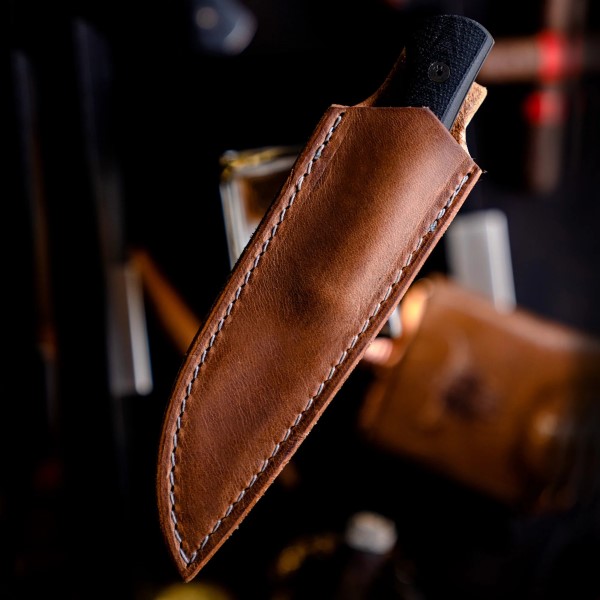
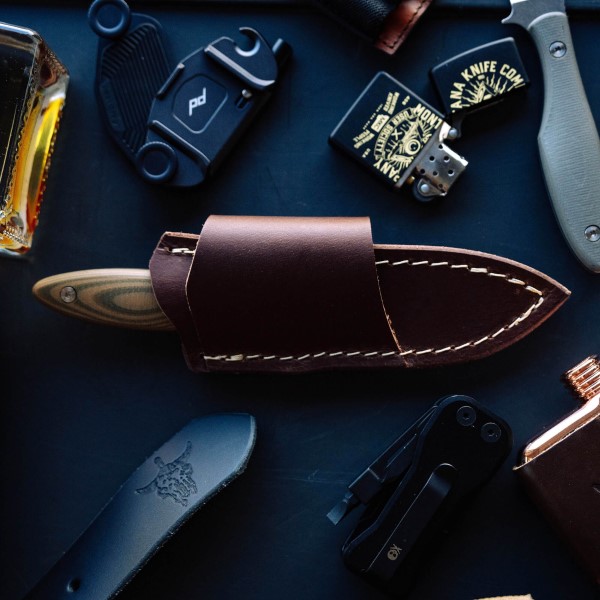
The sheath is not merely an accessory; it provides crucial protection for both the knife and the user. Here are some features to consider:
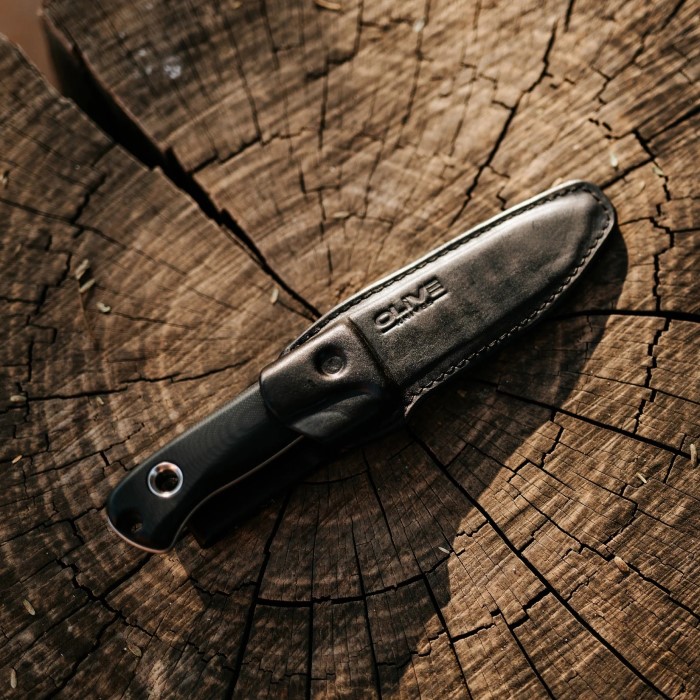
- Material: High-quality sheaths are usually made of durable materials such as nylon, Kydex, or leather. These materials protect the blade from environmental elements and damage.
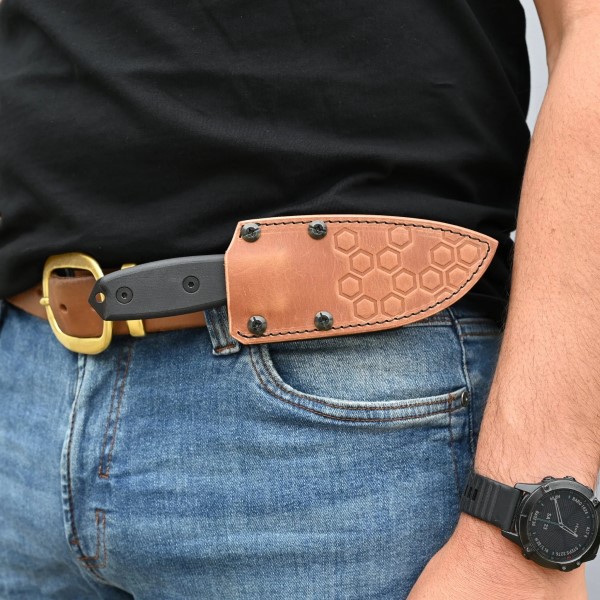
- Retention System: A good sheath should securely hold the knife in place while still allowing for quick access. Look for designs with positive retention features, such as snaps, Velcro, or molded fits.
Why Every Survival Kit Needs a Sheath Knife
Essential for Emergency Preparedness
In survival situations, having the right tools at your disposal can mean the difference between life and death. A sheath knife serves a multitude of functions that make it not just convenient but essential in emergencies. Here are a few scenarios highlighting its importance:
Natural Disasters
- Role During Emergencies: In times of crisis, such as earthquakes or floods, a sheath knife becomes an invaluable tool. It can assist in quickly assessing and navigating dangerous environments. The ability to act swiftly is essential in emergencies, and having the right tool can make all the difference.
- Clearing Debris: A sheath knife can be used to cut through fallen branches, rope, and other debris that may block your path. This capability is crucial when you need to clear escape routes or access important supplies. It provides a means to manage your environment and ensure safety amidst the chaos.
- Cutting Through Obstructions: When faced with damaged structures or collapsed areas, a sheath knife can help remove the obstructions that may be in your way. Whether it’s cutting through plastic sheeting, ropes, or other materials, having a reliable blade at your side allows you to act efficiently and effectively.
- Navigation: If you find yourself lost in the aftermath of a natural disaster, a sheath knife can be an essential tool for creating signals or markers to guide rescuers to your location. Moreover, it can help you navigate through thick vegetation or over rough terrain, making it easier to reach safety.
Wilderness Survival
- Food Procurement: For those venturing into the great outdoors, a sheath knife is a crucial tool for procuring food. Whether it’s cutting fishing lines or cleaning freshly caught game, this knife plays a vital role in ensuring a successful food supply while camping or hiking.
- Building Shelter: During outdoor adventures, a sheath knife is indispensable for constructing makeshift shelters. You can use it to cut branches, rope, and other materials necessary for creating a safe and secure living space in the wilderness. The ability to quickly erect a shelter can significantly enhance your survival prospects.
- Maintaining Warmth: Starting a fire is a critical aspect of wilderness survival, especially for warmth and cooking. A sheath knife assists in gathering tinder and kindling by allowing you to chop small wood pieces and prepare suitable materials for ignition. This function is vital in colder climates, where maintaining body temperature is essential for survival.
- Versatile Tool Use: Beyond the direct uses mentioned, a sheath knife can also serve various secondary functions, such as carving tools, preparing materials for traps, or even crafting items to support your survival needs. Its versatility makes it an all-in-one tool that outdoor survivalists cannot afford to overlook.
Self-Defense
- Utility vs. Weapon: Although primarily designed as a utility tool, a sheath knife can serve a self-defense function if the situation calls for it. This versatility makes it a valuable addition to your survival kit, as it provides protection against potential threats in both urban and wilderness settings.
- Situational Awareness: If confronted by an attacker or wild animal, having a knife available can enable you to protect yourself effectively. However, it’s critical to use such tools responsibly and to understand that the primary purpose of the knife should remain as a utility tool.
- Legal Awareness: Before carrying a sheath knife for self-defense purposes, it is essential to be aware of local laws and regulations concerning knife possession and usage. Different regions have varying laws regarding blade length, type of knife, and circumstances under which self-defense is considered lawful.
- Training and Preparedness: If you intend to use a knife as a self-defense weapon, consider pursuing training in self-defense tactics. Knowing how and when to use your knife can significantly increase your safety and effectiveness in protecting yourself.
Enhances Outdoor Activities
Beyond survival scenarios, a sheath knife significantly enhances outdoor experiences. It becomes an invaluable companion on camping trips, fishing excursions, or hikes. Here’s how:
- Convenience: A sheath knife can simplify tasks around the campsite, such as cooking, setting up tents, and preparing fishing lines. Its all-in-one capabilities reduce the need to carry multiple tools.
- Confidence in the Wilderness: Knowing you have a reliable sheath knife contributes to a sense of preparedness, enhancing your confidence as you explore unfamiliar terrains.
Maintenance Tips
Regular Cleaning
Caring for your sheath knife ensures its longevity and optimal performance. Cleaning should be part of your routine:
- Post-Use Care: After each use, clean the blade and handle to remove dirt, sap, or food residue. Use a soft cloth and mild soap, avoiding harsh chemicals that could damage the material.
- Drying: Always dry the knife thoroughly after cleaning, as moisture can lead to rust and deterioration over time.
Sharpening and Lubrication
Maintaining a sharp edge is critical for the food preparation and utility of your sheath knife:
- Sharpening: Use a whetstone or knife sharpener regularly to keep the blade sharp. A dull blade can be dangerous as it requires more force to cut, increasing the risk of slipping and injury.
- Lubrication: Apply high-quality knife oil to the blade periodically. This practice prevents rust and ensures a smooth operation during use.
Storage and Protection
When not in use, proper storage is crucial for protecting your knife from environmental factors:
- Temperature Control: Store your knife in a cool, dry place to avoid heat and moisture, which can degrade materials over time.
- Use the Sheath: Always keep the knife in its sheath when not in use. This prevents accidents and protects the blade from damage.
Frequently Asked Questions
What is a sheath for a knife?
A sheath is a protective cover for a knife designed to keep the blade safe and secure when not in use. It protects the user from accidental cuts and prevents damage to the blade.
What knife do the SAS use?
The Special Air Service (SAS) is known to use a variety of knives based on their needs. However, one popular choice is the Fairbairn–Sykes fighting knife, a traditional combat knife known for its effectiveness in close combat.
What is the Holy Trinity of knives?
The Holy Trinity of knives refers to the three essential knives in a kitchen: the chef’s knife, the paring knife, and the serrated bread knife. This trio covers most culinary tasks, making them fundamental for cooking.
Is it illegal to have a small pocket knife?
The legality of carrying a small pocket knife varies depending on local laws. In many jurisdictions, it is legal to carry small knives, but there may be restrictions on blade length and type. Always check local regulations before carrying a knife to avoid legal issues.
Conclusion
In conclusion, the necessity of including a sheath knife in your survival kit cannot be overstated. This versatile tool not only offers a range of practical applications but also boosts your confidence in tackling various challenges during outdoor adventures. Understanding the key features to look for and the importance of maintenance will help you make an informed choice, ensuring that your sheath knife serves you well for years to come.
Investing in a quality sheath knife means you’re prepared for unexpected situations, whether you’re camping, hiking, or facing an emergency. Given its indispensable role in various scenarios, a sheath knife truly belongs in every survival kit. Embrace the adventures ahead, and make sure your survival gear includes this essential tool to maximize both safety and enjoyment in the great outdoors.