Introduction
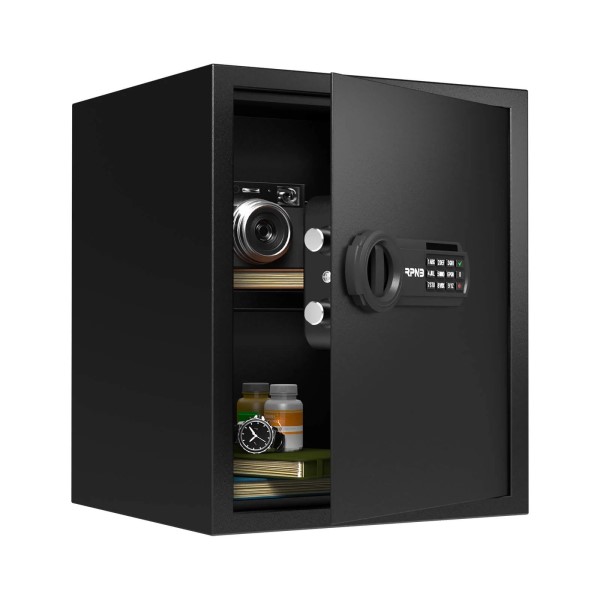
In a world where personal safety and security are paramount, a home safe box has become an essential investment for homeowners. Whether you need to store important documents, jewelry, or electronic devices, having a reliable safe provides peace of mind. However, with so many options available, choosing the right home safe box can be overwhelming. This guide will walk you through the important features and considerations to take into account when selecting a home safe box, ensuring your valuables are secured wisely.
The Importance
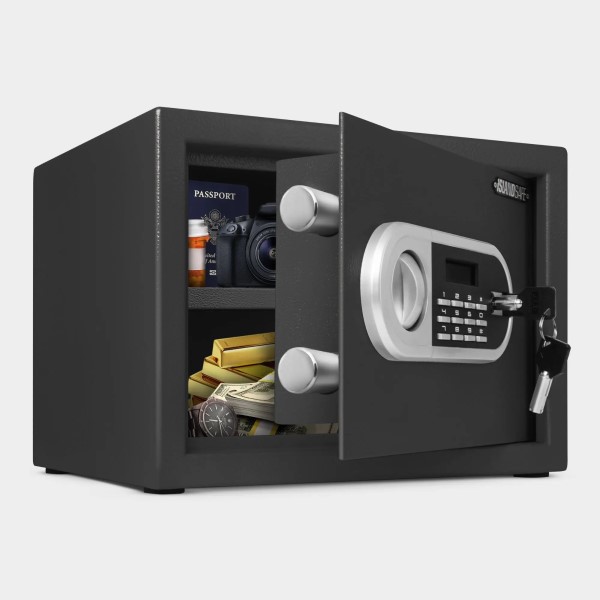
Having a home safe box is not just about protecting your valuables; it’s about ensuring that your peace of mind isn’t compromised by theft or disaster. Here are several reasons why you should consider investing in a home safe box:
- Protection Against Theft: With burglaries occurring frequently in many areas, a safe acts as a deterrent. It makes it harder for thieves to access your most valuable items.
- Disaster Preparedness: In the event of a fire, flood, or earthquake, a good home safe box can protect against potential damage. Fireproof and waterproof safes guard important documents against nature’s unforeseen events.
- Organized Storage: A safe helps you organize your important documents and items in one secure location. This not only keeps everything tidy but also makes it easy to locate needed items quickly.
- Peace of Mind: Knowing that your valuables are protected allows you to relax and enjoy your home without constant worry about theft or damage.
Key Features to Consider
When investing in a home safe box, several features should be prioritized to ensure optimal security for your valuables. Here are some key elements to consider:
Security Rating
The security rating indicates the level of protection a safe offers against unauthorized access. Look for safes with high security ratings, especially if you store high-value items. Make sure certifications by independent testing organizations, such as Underwriters Laboratories (UL) or the European Committee for Standardization (CEN), are present.
Locking Mechanism
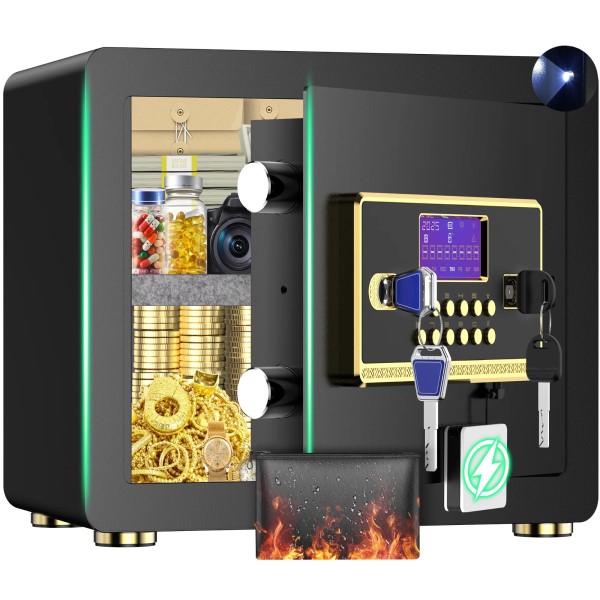
The locking mechanism is vital to your safe’s security. Common types include:
Key Locks
- User-Friendly: Key locks are straightforward and easy to operate. Simply insert the key and turn to open. Most users find this intuitive, making them a popular choice for many safe owners.
- Potential Risks: While key locks are convenient, they come with the downside of being susceptible to loss. Losing the key can lead to difficulties in accessing your safe. Additionally, if someone steals your key, they can easily gain access to your valuables.
- Limited Security: Since key locks can be easily manipulated with the right tools, they are generally considered less secure than electronic or biometric options.
Combination Locks
- Mechanics of Use: Combination locks require the user to turn dials to a specific sequence of numbers. This mechanical aspect can be satisfying for those who prefer a hands-on approach.
- Time-Consuming Access: Opening combination locks may take longer compared to other lock types. Users must remember the correct sequence and carefully turn the dial, which can be inconvenient in emergencies.
- Security Assurance: Despite the delay, combination locks provide a solid level of security. They are less likely to be picked or tampered with, making them a reliable choice for securing valuable items.
Electronic Keypads
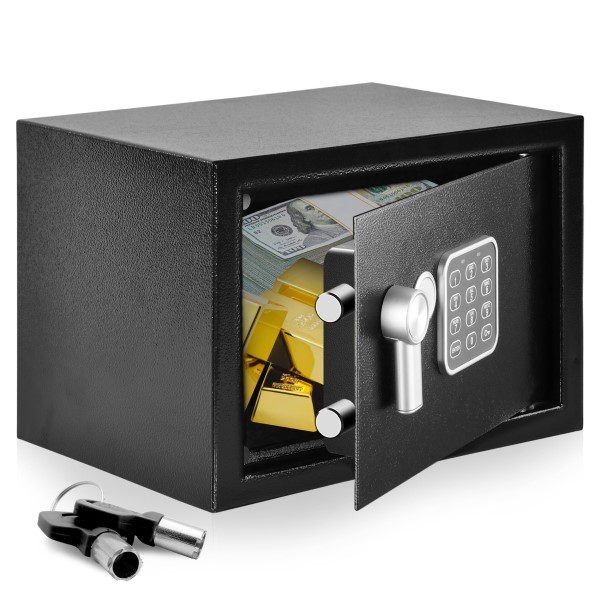
- Rapid Access: Electronic keypads enable faster access through programmable codes, which can be entered quickly without the need for physical keys. This convenience is especially beneficial for users who access their safe frequently.
- Customizable Codes: Users can easily set and change access codes as needed, providing a level of security that can be adjusted over time. This feature prevents unauthorized access and enhances protection.
- Battery Dependency: A key consideration is that electronic keypad locks require batteries to operate. It is crucial to have backup options, such as a key override or secondary access method, in case the battery fails unexpectedly.
Biometric Locks
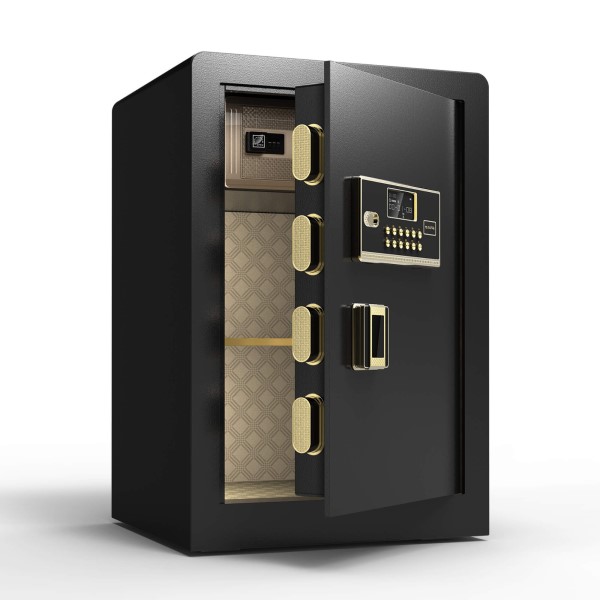
- High-Tech Security: Biometric locks utilize fingerprint scanning technology for access. Users simply place their finger on the scanner, allowing for quick and seamless entry into the safe.
- Speed and Convenience: This type of lock provides rapid access, eliminating the need to remember codes or carry keys. It’s an ideal solution for those who prioritize quick entry without compromising on security.
- Regular Maintenance Required: Despite their advanced security features, biometric locks do require regular maintenance. Users must ensure that the fingerprint scanner remains clean and functional. If the sensor becomes dirty or damaged, it may struggle to recognize fingerprints correctly.
Size and Capacity
Size matters when selecting a safe. Decide the type and number of items you plan to store. If you have a lot of documents, choose a larger safe with enough space to accommodate them without crumpling. Additionally, consider the safe’s weight, as a heavier safe provides more resistance to theft.
Fire and Water Resistance
For added protection, look for fireproof and waterproof safes. A safe with a fire rating indicates how long it can withstand high temperatures (usually measured in minutes). A waterproof rating signifies that the safe can keep your belongings dry in the event of floods.
Types of Home Safe Boxes
Various types of home safe boxes cater to different needs. Understanding these options can help you make an informed decision:
Fireproof Safes
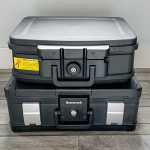
Fireproof safes are specifically designed to protect valuables from high temperatures during a fire. They typically have fire ratings from 30 minutes to several hours. Consider this option if you need to store essential documents.
Waterproof Safes
Waterproof safes offer protection against floods. They can be a great choice for areas prone to water damage. Look for models that can keep contents dry up to a specified depth.
Burglary Safes
Burglary safes provide high levels of protection against theft. They are usually heavier and installed with complex locking mechanisms. Choose this type for securing high-value items like firearms or large sums of cash.
Portable Safes
If you travel frequently or want a safe that is easy to move, portable safes can serve your needs. They are lightweight and can be secured with a cable lock to larger items during travel.
How to Install a Home Safe Box
Proper installation of your home safe box is crucial for effective security. Here are some tips to ensure it is installed correctly:
Choose the Right Location
- Discreet Placement: Selecting a discreet location for your safe is crucial. Areas that are not easily visible or accessible, such as a closet or basement, provide a layer of security against potential thieves. The less noticeable the safe, the less likely it is to attract unwanted attention.
- Consider Heavy Furniture: Positioning your safe near heavy furniture, such as tall bookshelves or filing cabinets, can add additional protection. Thieves are less likely to move large objects in search of a hidden safe, making it a strategic choice.
- Utilize Hidden Corners: Identify hidden corners or seldom-used spaces in your home for safe placement. These spots can provide excellent concealment and help you keep your safe away from areas that draw frequent traffic.
Secure to the Floor or Wall
- Use Bolt-Down Kits: Most safes come with bolt-down kits designed for securing the safe to the floor or wall. Utilize these kits to anchor your safe in place, making it much harder for burglars to remove it.
- Increased Security: By securing your safe, you significantly increase its resistance to theft. A safe that is anchored down requires tools and more time for a thief to remove, which can deter them from attempting a break-in.
- Evaluate the Installation Surface: When securing your safe, ensure that you are anchoring it to a surface that can hold the weight of the safe. For instance, concrete floors provide a strong anchor point, while drywall may not offer the same level of security.
Avoid Obvious Hiding Places
- Don’t Use Obvious Spots: Avoid hiding your safe in places that are commonly searched, such as under a bed or inside a conventional closet. These locations might be the first places a thief checks when attempting to find valuables.
- Choose Concealed Locations: Instead of obvious hiding places, opt for concealed locations throughout your home. Areas that are less frequented or might seem unassuming can provide better protection against theft.
- Think Creatively: Get creative with your hiding spots. Consider utilizing false panels, hollowed-out furniture, or even behind books on a shelf. The goal is to select locations that don’t arouse suspicion and that would be difficult for a thief to discover.
FAQ Section
Is it safe to have a safe box at home?
Yes, having a safe box at home is generally safe. It protects your valuables from theft and disasters, thus providing added security.
What type of safe is best for a home?
The best type of safe for your home depends on your needs. Consider a combination of fireproof and waterproof features for essential documents. For valuables, a high-security burglary safe is ideal.
Do fireproof boxes really work?
Yes, fireproof boxes are designed to withstand high temperatures for a specified time. Always check the fire rating to ensure it meets your needs.
Where is the best place to put a safe in your house?
The best place to put a safe is a discreet location, such as a closet or basement. It should be secured to the floor or wall in a location that is not obvious to potential burglars.
Conclusion
Investing in a home safe box is a smart choice for anyone looking to secure their valuables. With various types and features available, it’s essential to consider the materials, size, and locking mechanisms that fit your needs. Proper installation and a careful selection process will ensure that your valuables remain safe from theft and disasters. By following this comprehensive guide, you can make informed choices that will keep your belongings protected for years to come. Remember, your peace of mind is invaluable, and a home safe box is a step towards achieving that security.