Understanding the Dangers of Smoke Particles
Smoke is more than just a nuisance. It poses serious health risks to everyone in the home. Whether it comes from wildfires, cigarettes, or cooking, smoke contains harmful microscopic particles. These particles can penetrate deep into your lungs and even enter your bloodstream. Therefore, addressing this issue is crucial for maintaining a healthy living environment. Many people underestimate the invisible threat lingering in the air. They might open a window, but this does not always solve the problem.
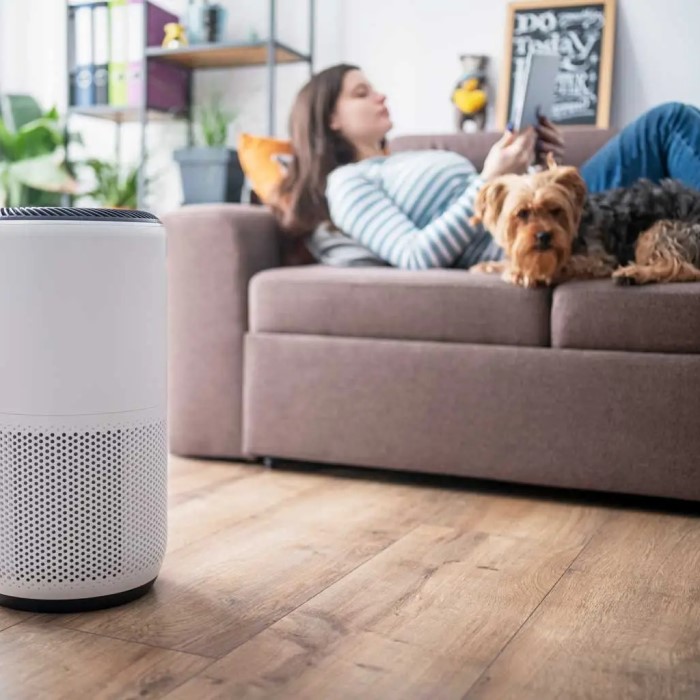
Consequently, investing in the best air purifiers for smoke becomes a necessary step for health-conscious individuals. These devices are specifically designed to capture contaminants that the human eye cannot see. Furthermore, smoke often carries stubborn odors that cling to furniture and clothing. Standard ventilation systems are simply not equipped to handle these challenges effectively. Thus, understanding the nature of smoke is the first step toward mitigation. You need a solution that tackles both the particles and the smell. This article will guide you through the science and selection process.
The Science Behind HEPA Filtration Technology
High-Efficiency Particulate Air (HEPA) filters are the gold standard in air purification. To understand why, we must look at how they function. A True HEPA filter is mechanically engineered to trap at least 99.97% of particles that are 0.3 microns in size. This specific size is considered the most penetrating particle size (MPPS). Therefore, it is the hardest to capture. However, smoke particles often fall within this microscopic range. Consequently, a standard filter would simply let them pass through.
The dense mesh of fiberglass fibers in a HEPA filter traps these particles effectively. They use three main mechanisms: interception, impaction, and diffusion. Interception occurs when particles follow air streams and stick to fibers. Impaction happens when larger particles crash directly into fibers. Finally, diffusion works on the smallest particles, causing them to collide with gas molecules. This process slows them down and increases the chance of capture. Thus, when searching for an air purifier, the presence of a True HEPA filter is non-negotiable for smoke removal.
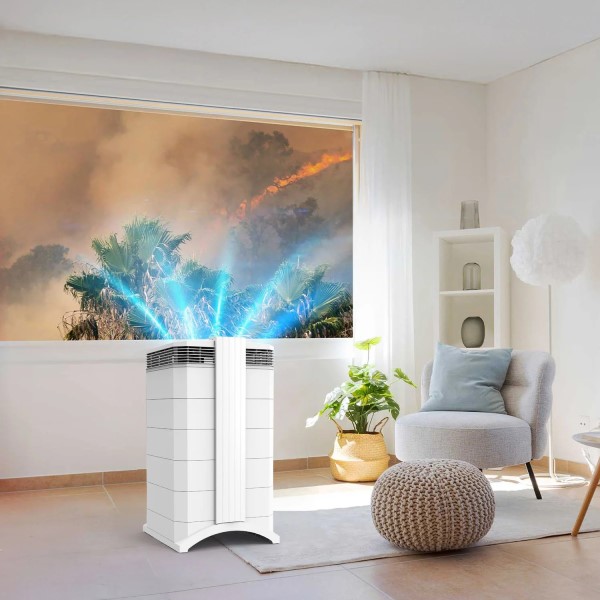
The Critical Role of Activated Carbon Filters
While HEPA filters capture solid particles, they do not remove odors or gases. Smoke consists of both particulate matter and volatile organic compounds (VOCs). These VOCs are responsible for the lingering smell of smoke. Therefore, an air purifier needs a second line of defense. This is where activated carbon filters come into play. Activated carbon is charcoal that has been treated to increase its surface area. This process creates millions of tiny pores. Consequently, the carbon acts like a sponge for gases.
When smoke passes through the filter, the carbon adsorbs the odor-causing molecules. Adsorption is a process where molecules stick to the surface of the carbon. However, not all carbon filters are created equal. Some purifiers only use a thin foam layer impregnated with carbon. This is often insufficient for heavy smoke. Instead, you should look for filters with pounds of activated carbon. Pellet-based carbon filters are far more effective. They last longer and absorb more odors. Therefore, a combination of HEPA and substantial carbon is essential.
Key Features to Look for in 2024 Models
Shopping for an air purifier can be overwhelming due to the numerous options available. However, specific features make certain models stand out for smoke removal. First, consider the Clean Air Delivery Rate (CADR). This rating indicates how quickly the purifier can clean a specific room size. For smoke, you want a high CADR rating. Additionally, look at the Air Changes per Hour (ACH). This metric tells you how many times the device cycles the total volume of air in the room every hour.
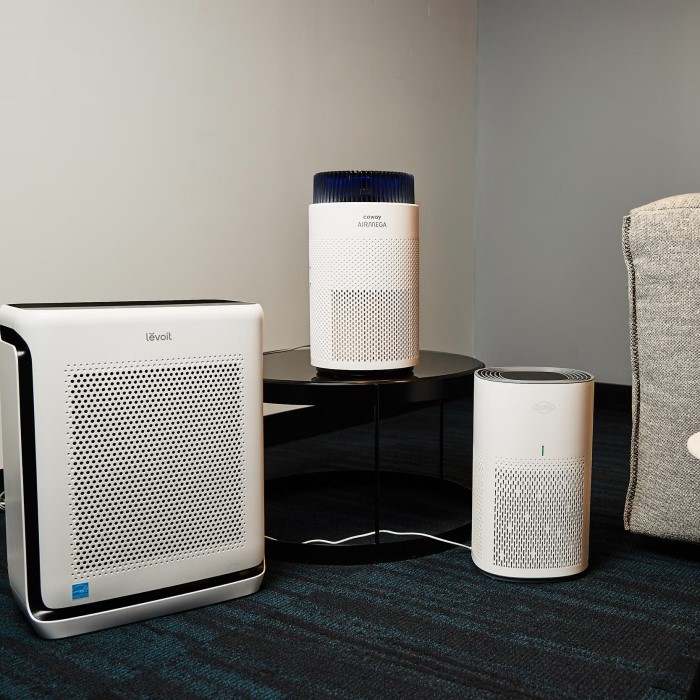
Ideally, you want at least 5 ACH for effective smoke removal. Furthermore, modern devices often come with smart features. Auto mode is particularly useful. It uses sensors to detect air quality and adjusts the fan speed accordingly. This ensures the purifier works harder when smoke is present. Moreover, noise levels are an important consideration. You will likely run the device continuously. Therefore, a model with a quiet “sleep mode” is beneficial for bedrooms. Finally, check the cost of replacement filters. Some units are cheap upfront but have expensive maintenance costs.
Addressing Wildfire Smoke Specifically
Wildfire smoke presents a unique challenge. It can travel hundreds of miles and affect indoor air quality even in urban areas. During fire season, the concentration of PM2.5 can skyrocket to dangerous levels. Therefore, your best air purifiers for smoke must be capable of running continuously for days. You should position the purifier in the room where you spend the most time. This is often the bedroom or living room. Furthermore, you must ensure that windows and doors are sealed tightly.
This prevents new smoke from entering the clean air environment. Some experts suggest creating a “clean room” within the house. This involves using duct tape and plastic sheeting to seal off a specific area. In this scenario, a portable air purifier becomes your primary defense. Consequently, portability is a feature worth considering. You might need to move the unit between rooms. Additionally, monitor the air quality index (AQI) outside. This helps you decide when to run your purifier on high. Being proactive is the best strategy during wildfire season.
Solutions for Cigarette and Cigar Smoke
Cigarette smoke is notoriously difficult to eliminate. It contains thousands of chemicals and leaves a yellow residue on walls. Moreover, the smell is pervasive and lingers for a long time. Therefore, removing cigarette smoke requires a robust filtration system. The particulate matter from cigarettes is very fine. A HEPA filter will catch the ash and tar particles. However, the gaseous pollutants require significant activated carbon. For cigar smoke, which is heavier and more pungent, you need even more carbon.
Some specialized purifiers use activated carbon impregnated with potassium iodide. This additive enhances the filter’s ability to neutralize tough odors. Furthermore, you must consider the tar buildup. Cigarette smoke can clog filters quickly. Consequently, you may need to replace the pre-filters more frequently. Some models feature washable pre-filters. These are excellent for trapping the larger tar particles before they reach the HEPA filter. This extends the life of your expensive main filters. Thus, regular maintenance is paramount for smokers.
Common Mistakes to Avoid When Buying
Many consumers make hasty decisions when purchasing air purifiers. One common mistake is buying a unit that is too small for the space. A desktop air purifier cannot clean a large living room effectively. Therefore, always check the recommended room size on the packaging. Another frequent error is overlooking the type of filter. Some “air purifiers” are merely ionizers. They do not physically remove particles from the air. Instead, they charge particles so they stick to surfaces.
This can actually produce ozone as a byproduct. Ozone is a lung irritant and is harmful to health. Therefore, you should avoid ozone-generating devices. Additionally, people often forget about maintenance. A clogged filter is useless. In fact, it can become a source of pollution itself. Consequently, set reminders to check your filters regularly. Furthermore, placing the purifier in a corner or behind furniture blocks airflow. This severely limits its efficiency. You should place the unit in an open area with unobstructed intake and output vents.
Maximizing the Efficiency of Your Device
Once you have purchased the best air purifiers for smoke, using it correctly is vital. First, run it continuously. Smoke particles are constantly being generated or introduced. Therefore, the air needs constant cleaning. Modern purifiers are energy efficient. So, leaving them on 24/7 will not significantly impact your electricity bill. Second, pay attention to fan speed. While high speed cleans the air faster, it also produces more noise. You might prefer a lower speed for daily use.
However, if you are cooking or smoking, switch to the highest setting. Third, keep your home clean. Vacuuming and dusting reduce the workload of the air purifier. This prevents settled particles from becoming airborne again. Additionally, manage humidity levels. Smoke can sometimes be accompanied by dry air. Using a humidifier in conjunction can help. However, ensure the humidity does not exceed 50%. High humidity can promote mold growth. Finally, check the air quality indicator if your model has one. This gives you real-time feedback on the device’s performance.
FAQ: Your Questions Answered
Here are answers to the most frequently asked questions regarding air purifiers for smoke.
What air purifier is best for smokers?
The best air purifier for smokers must have a significant amount of activated carbon. It needs to trap the tar and neutralize the strong odor. A True HEPA filter is also necessary for the particulate matter. Therefore, look for models specifically designed for VOCs and heavy odors. These usually feature canisters filled with carbon pellets rather than thin foam sheets.
Do air purifiers really work for smoke?
Yes, they work effectively if they have the correct filtration system. A True HEPA filter captures the fine particles found in smoke. Meanwhile, an activated carbon filter absorbs the gases and odors. However, they must be the right size for the room. Furthermore, they must be maintained regularly to remain effective.
What filter is best for removing smoke?
The best filter is a combination of a True HEPA filter and an activated carbon filter. The HEPA filter removes the solid particles like ash and soot. The activated carbon filter removes the volatile organic compounds that cause odors. Without the carbon component, the smell of smoke will remain in the room.
Which air purifier is best for odor?
For odors, the primary feature to look for is activated carbon. The more carbon the filter contains, the better it will perform. Some models use specialized carbon blends for specific odors like pets or chemicals. Therefore, avoid units that rely solely on HEPA filtration for odor removal. They will not be effective against smells.

Conclusion and Final Recommendations
Choosing the right device is an investment in your health. Smoke pollution is a serious issue that requires a robust solution. By understanding the technology, you can make an informed decision. Remember that a combination of HEPA and activated carbon is essential. This dual approach ensures that both particles and odors are removed from your home. We have explored the importance of room size, CADR ratings, and maintenance. Furthermore, we have highlighted the specific needs for different types of smoke. Whether you are dealing with wildfires or cigarette smoke, the right tool exists. Take the time to assess your specific needs before purchasing. Do not settle for a cheap solution that fails to protect your family. Instead, choose one of the best air purifiers for smoke to ensure clean, breathable air. Your lungs will thank you for it. Stay safe and breathe easy in your home.