The Critical Importance of Water Purification
Water is the essence of life on Earth. Every living creature requires it for survival. However, not all water sources are safe for consumption. In fact, many natural water sources contain harmful pathogens. These invisible threats can cause severe illness. Consequently, understanding water safety is paramount for everyone. You might wonder what are some methods to purify water? This knowledge is vital for outdoor enthusiasts and homeowners alike. Clean water protects us from waterborne diseases. Therefore, we must prioritize purification in our daily lives.
Furthermore, the quality of tap water varies greatly by location. In some regions, it is pristine and delicious. In others, it may contain heavy metals or chlorine. As a result, many people seek additional purification solutions. They want to ensure their family’s health. Moreover, emergency situations can disrupt water supply lines. Natural disasters often contaminate municipal sources. When this happens, knowing how to treat water becomes a survival skill. You cannot rely solely on bottled water forever.
Transitioning to the solutions, there are numerous techniques available today. Some methods are ancient and time-tested. Others utilize cutting-edge technology. Each method has its own set of advantages. Additionally, some techniques are better for specific contaminants. For instance, boiling kills bacteria but does not remove chemicals. Conversely, filtration removes sediment but might miss viruses. Thus, a combination of methods is often the best approach.
Boiling Water as a Reliable Traditional Method
What are some methods to purify water? Boiling water is the oldest and most reliable method. It has been used for centuries to prevent waterborne diseases. The process is simple and effective. Heat kills the microorganisms that cause illness. Therefore, it is a go-to method in emergencies. When you are unsure about water quality, boiling is the safest bet. It requires no special equipment. You only need a heat source and a container.
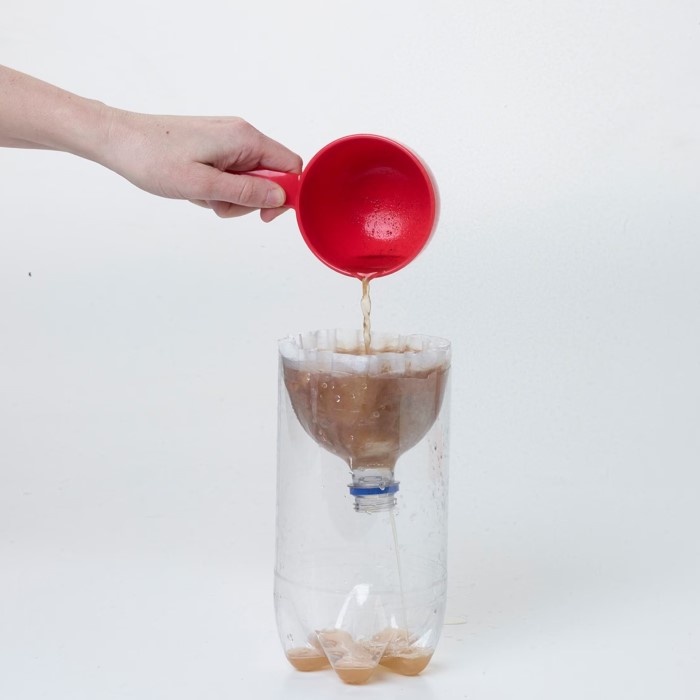
First, you must filter the water if it is cloudy. You can use a cloth or a coffee filter. This step removes large particles. Then, bring the water to a rolling boil. You should maintain this boil for at least one minute. If you are at a high altitude, boil it for three minutes. The lower air pressure at high altitudes lowers the boiling point. Consequently, longer boiling ensures all pathogens die.
However, boiling has its limitations. It requires a significant amount of fuel. In a survival situation, fuel might be scarce. Furthermore, boiling does not remove chemical contaminants. In fact, boiling can concentrate certain chemicals. As the water evaporates, the chemical concentration increases. Therefore, you should not boil water that contains fuel or toxic chemicals. Additionally, the water tastes flat after boiling. This happens because the air escapes during the heating process. You can improve the taste by aerating the water. Simply pour it back and forth between two containers. This reintroduces oxygen. In summary, boiling is excellent for killing germs. But it is not a complete solution for all water problems.
Chemical Treatments for Portable Purification
Chemical treatments offer a lightweight solution for hikers. They are small and easy to carry. You can fit them in a pocket. Consequently, they are a favorite among backpackers. The two most common chemicals are iodine and chlorine dioxide. Each works differently to sanitize water. Iodine has been used for decades. It is effective against bacteria and viruses. However, it is less effective against protozoa like Cryptosporidium. Furthermore, iodine leaves a distinct taste in the water. Some people find this taste unpleasant. You can use vitamin C tablets to neutralize the taste after treatment.
Chlorine dioxide is a more modern option. It is effective against a broader range of pathogens. This includes the stubborn Cryptosporidium. Additionally, it improves the taste and odor of water. It does not leave the same chemical aftertaste as iodine. Therefore, many users prefer chlorine dioxide tablets. The process is very simple. You just drop the tablets into the water. Then, you wait for the specified time. This is usually 30 minutes. However, the water might need to sit longer if it is very cold or dirty.
Nevertheless, chemical treatments have downsides. They require a waiting period. You cannot drink the water immediately. Also, they have a limited shelf life. Old tablets may lose their potency. Moreover, some people have thyroid conditions. They should avoid iodine. Pregnant women should also consult a doctor before using iodine. In conclusion, chemical treatments are convenient. They are perfect for light travel. But you must follow the instructions carefully. They are a great backup method to have in your emergency kit.
Mechanical Filtration Systems and Their Efficiency
What are some methods to purify water? Mechanical filtration is a physical process. It removes particles by trapping them. The water passes through a barrier. This barrier has tiny pores. Consequently, contaminants cannot pass through. There are various types of filters available. Pump filters are very popular. You place a hose in the water source. Then, you pump the water through the filter. This allows you to fill bottles quickly. Gravity filters are another excellent option. You fill a large bag with water. Then, you hang it up. Gravity pulls the water through the filter. This is great for groups or base camps.
The efficiency of a filter depends on its pore size. This is measured in microns. A smaller micron rating means better filtration. For instance, a 0.1-micron filter can remove bacteria. However, most filters cannot remove viruses. Viruses are much smaller than bacteria. Therefore, a standard filter might not be enough in areas with viral contamination. You might need to combine filtration with chemical treatment.
Furthermore, filters can clog over time. Dirty water reduces their lifespan. Consequently, you must clean or replace the filter cartridge regularly. Some modern filters use hollow fiber technology. This allows for a higher flow rate. It also makes them easier to clean in the field. Squeeze filters are a type of hollow fiber filter. You fill a pouch and squeeze the water through. This is very fast and convenient.
Filters also improve the taste of water. They remove sediment and chlorine. This makes the water more palatable. However, they do not remove dissolved chemicals like heavy metals. For that, you need a different technology. In short, mechanical filters are robust tools. They are essential for wilderness travel. They provide instant access to safe drinking water.
Ultraviolet Light Technology for Modern Purification
What are some methods to purify water? Ultraviolet (UV) light is a modern marvel. It uses light to destroy microbes. Specifically, it attacks the DNA of bacteria and viruses. This prevents them from reproducing. Consequently, they become harmless. UV purification is incredibly fast. It can treat water in seconds. You simply insert a UV wand into a bottle. Then, you stir the water for a set time. Usually, this takes less than a minute. Therefore, it is very convenient for travelers.
This technology is highly effective. It kills 99.9% of pathogens. This includes viruses, which are difficult to filter out. However, the water must be clear. UV light cannot penetrate muddy water effectively. The particles shield the microbes from the light. Therefore, you must pre-filter the water if it is turbid. You can use a cloth or a sediment filter first.
Battery life is a consideration for UV devices.Most wands are battery-operated. If your batteries die, you cannot purify water. Therefore, you should always carry spare batteries. Some models are rechargeable via USB. This is convenient for modern travelers. Furthermore, UV devices are fragile. They contain glass bulbs. If you drop the device, it might break. You must handle them with care.
Despite these drawbacks, UV is a top choice. It adds no chemicals to the water. It does not change the taste. Many people use UV purifiers for travel in foreign countries. They trust it to protect them from local pathogens. In addition, many home water systems now use UV light. It provides a final barrier against contamination. To summarize, UV technology offers a quick and effective way to ensure water safety.
Reverse Osmosis for Home and Industrial Use
Reverse osmosis (RO) is a powerful purification method. It removes a wide range of contaminants. The process forces water through a semi-permeable membrane. This membrane has incredibly tiny pores. In fact, the pores are smaller than a micron. Consequently, only water molecules can pass through. Contaminants are left behind. They are flushed away as waste water.
RO systems are very popular for home use. They install under the kitchen sink. They provide a dedicated tap for drinking water. These systems remove dissolved solids. This includes heavy metals like lead and mercury. They also remove arsenic and fluoride. Furthermore, they are effective against parasites and viruses. Therefore, many health-conscious homeowners choose RO. It offers peace of mind regarding water quality.
However, the process is not perfect. It wastes a significant amount of water. For every gallon of purified water, several gallons go down the drain. This is an environmental concern. Additionally, RO removes healthy minerals. Calcium and magnesium are stripped from the water. Some people believe this makes the water less healthy. You can find systems that re-mineralize the water. They add the minerals back in after filtration.
Maintenance is also required. The filters and membrane need changing. If you do not change them, the system stops working. It can also become a breeding ground for bacteria. Nevertheless, reverse osmosis is one of the most thorough methods available. It provides high-quality water for drinking and cooking. It is a solid investment for your home’s health infrastructure.
Distillation Processes for High Purity Needs
What are some methods to purify water? Distillation is a process of heating and cooling. It mimics the natural water cycle. First, you heat the water until it boils. The water turns into steam. This steam leaves behind contaminants. Then, the steam is cooled. It condenses back into liquid water. The result is very pure water. This process removes bacteria, viruses, and heavy metals. It also removes salts and minerals. Therefore, it is often used in laboratories.
Many people use home distillers. These are countertop appliances. They produce a gallon of water at a time. The water from a distiller is extremely clean. It has a very flat taste. This is because it lacks oxygen and minerals. Some people add minerals back in for taste. Distillation is reliable. It works on almost any water source. You can even distill seawater to make it drinkable.
However, distillation is slow. It takes hours to produce a small amount of water. It also uses a lot of electricity. The heating element consumes significant power. Furthermore, some contaminants have a lower boiling point than water. For example, certain pesticides can evaporate with the steam. If the distiller is not designed well, these chemicals can end up in the water. High-quality distillers have vents to release these gases.
Despite the drawbacks, distillation remains a trusted method. It is perfect for those with specific health concerns. It ensures that no dissolved toxins remain. You can create a solar still in the wild. This uses the sun’s heat to evaporate water. It proves that distillation is a versatile and valuable technique.
Natural and Emergency Water Treatment Solutions
Sometimes you lack modern equipment. You might find yourself in a survival situation. In these cases, nature provides some answers. Solar disinfection (SODIS) is a proven method. You fill a clear plastic bottle with water. Then, you leave it in direct sunlight for six hours. The UV radiation from the sun kills the pathogens. This method is simple and free. It is used in developing countries around the world. However, the water must be relatively clear. The bottles must be clean and scratch-free.
Another natural method involves using plants. Some plants have natural antibacterial properties. For example, the Moringa oleifera tree produces seeds. These seeds can clarify water. You crush the seeds and add them to the water. They attract dirt and bacteria. Then, the particles sink to the bottom. This is a primary coagulation method. It is not 100% effective, but it helps.
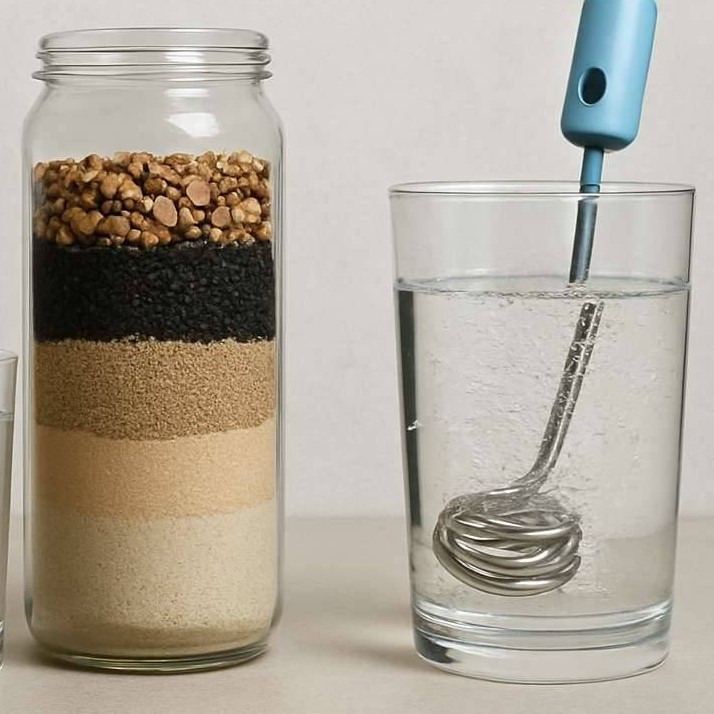
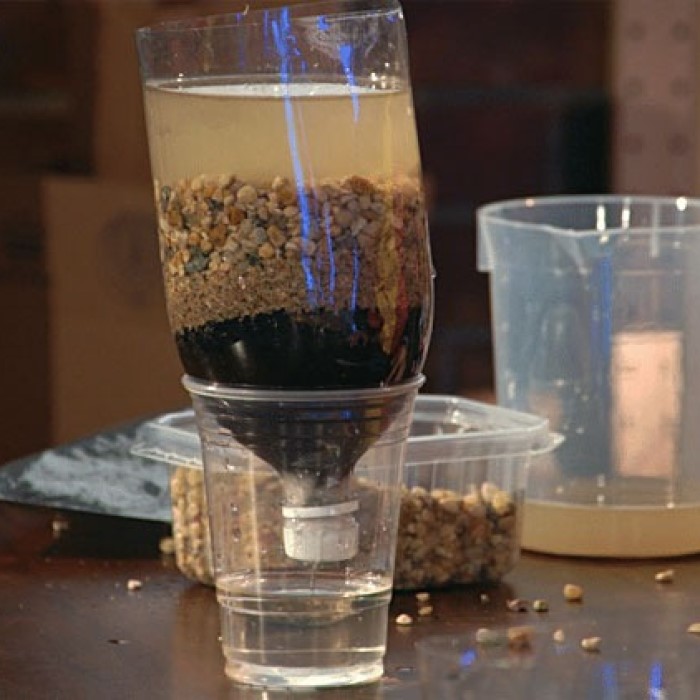
You can also create a primitive filter. Use layers of sand, gravel, and charcoal. The gravel catches large debris. The sand filters out smaller particles. The charcoal helps remove odors and some chemicals. This is a slow process. It requires frequent cleaning. But it is better than drinking raw water from a pond.
Furthermore, knowing where to look for water is key. Look for green vegetation. It indicates a water source nearby. Collect dew in the early morning. You can use a cloth to wipe it off surfaces. Then, wring the cloth into a container. These skills are essential for survivalists. They bridge the gap when technology fails. While not as effective as modern methods, they can save your life. Always prioritize finding the cleanest source possible before treating it.
Frequently Asked Questions About Water Purification
People often have many questions about water safety. It is a complex topic. Here we answer some common queries. This section provides quick and clear answers.
What are the 5 methods of purifying water?
There are five primary methods. First is boiling, which kills microbes. Second is chemical treatment, using tablets like iodine. Third is filtration, which removes particles. Fourth is UV light treatment. Fifth is distillation. Each method suits different needs.
Which water purifier removes arsenic?
Arsenic is a dangerous heavy metal. Standard filters cannot remove it. You need a specific technology. Reverse osmosis is very effective. It removes up to 99% of arsenic. Additionally, specialized iron oxide filters work well. They absorb the arsenic from the water. Distillation is another option for arsenic removal.
How to 100% purify water?
Achieving 100% purity is difficult. However, you can get very close. The best approach combines methods. For instance, you should filter the water first. This removes sediment. Then, boil or treat it with UV light. This kills pathogens. For chemicals, use reverse osmosis. This multi-barrier approach ensures the highest safety level.
What is 7 stage water purification?
This refers to a comprehensive system. It usually includes seven steps. First is a sediment filter. Second is a pre-carbon filter. Third is a RO membrane. Fourth is an ultrafiltration membrane. Fifth is a UV lamp. Sixth is a post-carbon filter. Seventh is a mineralizer. This process ensures pure and healthy water. It addresses all types of contaminants.
Conclusion
Access to clean water is a fundamental human need. We have explored various techniques in this article. From ancient boiling to modern reverse osmosis, options abound. You now know the answer to what are some methods to purify water? Each method has unique benefits and drawbacks. Therefore, your choice depends on your specific situation. You might need a portable filter for hiking. Or you might want a reverse osmosis system for your home. Regardless of the method, the goal remains the same. You want to protect your health. Clean water prevents disease. It supports vitality. Consequently, investing in water purification is investing in yourself. Stay hydrated and stay safe.