Introduction to the Majestic White Mountains
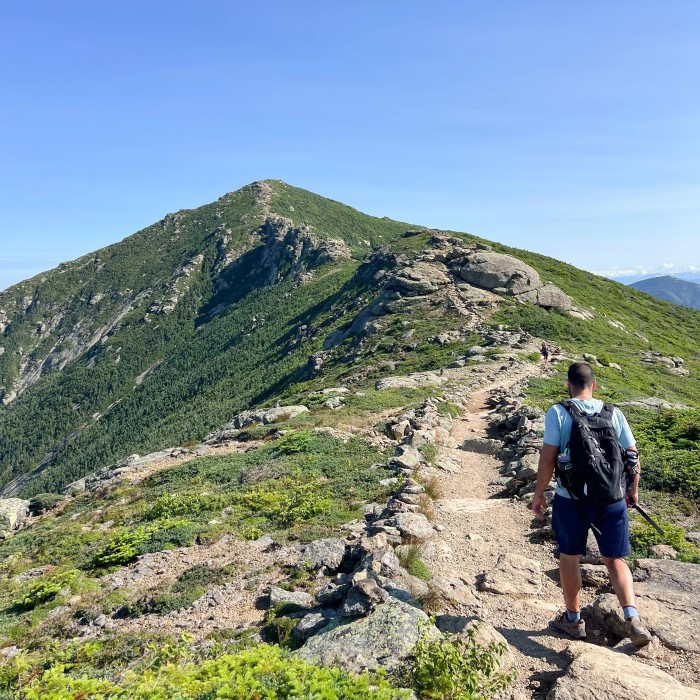
New Hampshire offers some of the most stunning landscapes in the United States. Specifically, the White Mountains attract millions of visitors annually. Among these peaks, one experience stands out above the rest. A franconia ridge hike represents the ultimate adventure for many outdoor enthusiasts. It provides breathtaking views. It offers a physical challenge. However, it also demands respect and preparation. The trail winds along a jagged spine of rock. It sits high above the tree line.
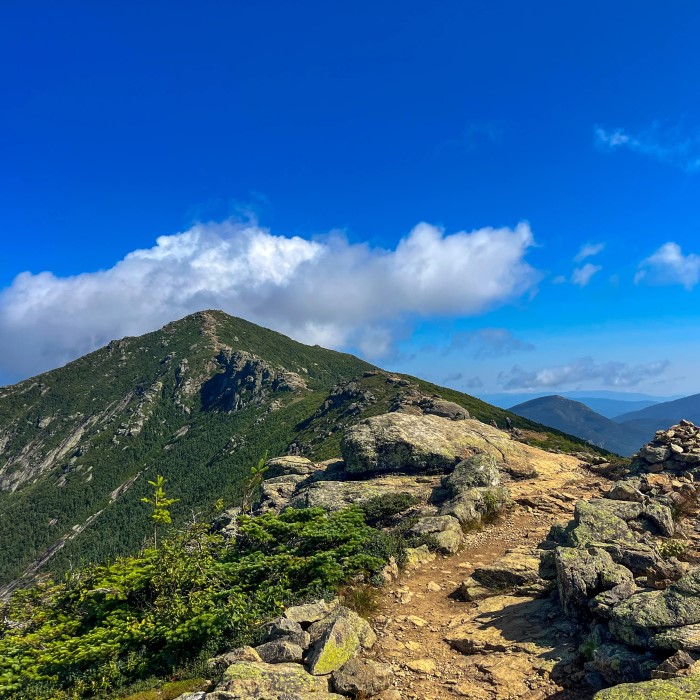
Consequently, hikers feel like they are walking on top of the world. The exposed ridge leaves you vulnerable to the elements. Therefore, safety must be your top priority. Many people underestimate the difficulty of this trek. They see photos on social media. They assume it is a simple walk in the park. This assumption is dangerous. The weather changes rapidly in the mountains. The terrain is rocky and steep. Proper planning is essential for a successful franconia ridge hike trip. This guide will help you prepare. We will cover the route, the gear, and the potential hazards. By following these tips, you can enjoy the beauty safely.
Understanding the Trail Layout and Route Options
The most popular way to experience this hike is the loop. This classic route covers roughly eight to nine miles. It typically starts at the Falling Waters Trailhead. Here, you begin your ascent through a lush forest. You will pass several beautiful waterfalls. Consequently, the early part of the hike is scenic and cool. The trail is steep but well-marked. You will climb towards Little Haystack Mountain. This is your first major milestone. From there, you join the Franconia Ridge Trail. This section is above the tree line. It offers panoramic views. You will traverse the ridge to Mount Lincoln. Then, you continue to Mount Lafayette. These are two of New Hampshire’s four-thousand-footers.
The views are spectacular in every direction. After summiting Lafayette, you descend via the Greenleaf Trail. You will pass the Greenleaf Hut. This is a great place to rest. Finally, you connect with the Old Bridle Path to return to your car. This loop is demanding. It involves significant elevation gain. Therefore, you must be in good physical condition. Alternatively, some hikers choose an out-and-back route. This avoids the steep descent of the Old Bridle Path. However, the loop provides a more varied experience.
The Importance of Weather Awareness in the Whites
Weather is the most critical factor for any hike. This is especially true for a franconia ridge hike. The White Mountains are famous for unpredictable weather. Conditions can shift in a matter of minutes. It might be sunny at the trailhead. However, it could be freezing and windy on the ridge. The exposed nature of the ridge makes hikers vulnerable. There are no trees to block the wind. There is no shelter from lightning. Consequently, checking the forecast is mandatory. Do not rely on your phone’s standard weather app. Instead, use resources like the Higher Summits Forecast. This provides specific data for the mountains. Look for wind speeds and visibility.
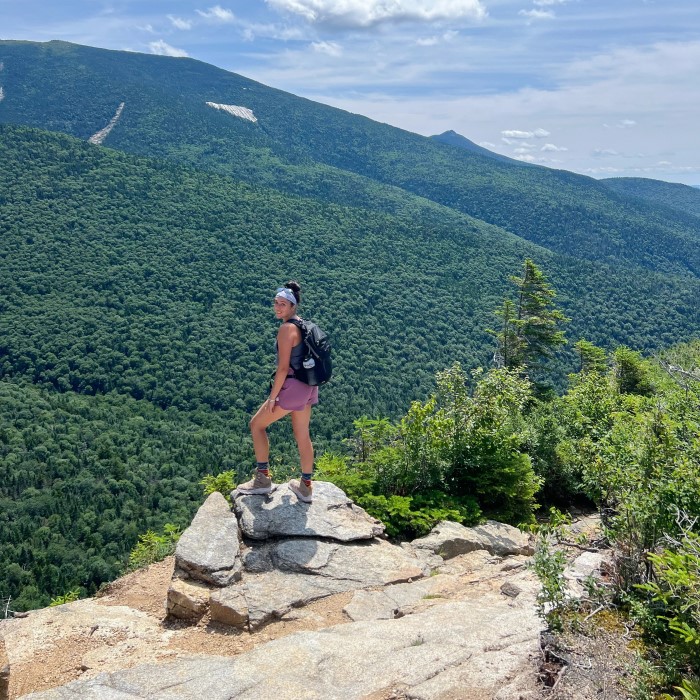
High winds can knock you over. Fog can reduce visibility to zero. Furthermore, lightning on the ridge is a life-threatening emergency. If you see dark clouds, turn around. There is no shame in retreating. The mountain will be there another day. Many accidents occur because hikers push on despite bad weather. Do not become a statistic. Always carry a map and a compass. Electronic devices can fail in the cold. Therefore, analog navigation tools are essential backups.
Essential Gear and Equipment for Safety
Proper gear can save your life. A summer hike feels different from a winter hike. Yet, the mountains require respect year-round. For a franconia ridge hike, you need the “Ten Essentials.” First, carry extra water. The climb is strenuous. Dehydration is a real risk. Second, bring high-energy food. You will burn thousands of calories. Third, wear appropriate footwear. Hiking boots with good ankle support are best. The rocks are slippery and uneven. Sneakers are not recommended.
Furthermore, you must pack layers. The temperature drops as you climb. A base layer manages sweat. An insulating layer keeps you warm. A waterproof shell protects you from wind and rain. Never wear cotton. Cotton holds moisture. It will make you cold. Consequently, synthetic or wool materials are superior. Additionally, pack a first-aid kit. Blisters can end your hike early. Headlamps are also vital. Even if you start early, you might finish late. A twisted ankle can delay your descent. Therefore, be prepared to stay overnight if necessary. A space blanket weighs almost nothing. It provides crucial warmth in an emergency.
Physical Preparation and Training Strategies
This hike is physically demanding. You should not attempt it without training. The trail gains nearly 4,000 feet of elevation. The descent is also tough on your knees. Therefore, preparation is key. Start training weeks in advance. Focus on cardiovascular fitness. Hiking, running, and cycling build endurance. However, you also need leg strength. Squats and lunges are excellent exercises. Furthermore, practice hiking with a weighted pack. This simulates the real experience.
Your shoulders and back need to get used to the weight. Many people struggle on the steep sections. They run out of energy quickly. Consequently, pace yourself on the trail. Do not start too fast. Take regular breaks. Drink water and eat snacks frequently. This keeps your energy levels stable. Listen to your body. If you feel exhausted, stop and rest. Pushing through pain leads to injury. The ridge walk is exposed. The sun can be intense. Therefore, wear a hat and sunscreen. Physical fitness also improves your mental state. When you are strong, you make better decisions. You remain calm in difficult situations.
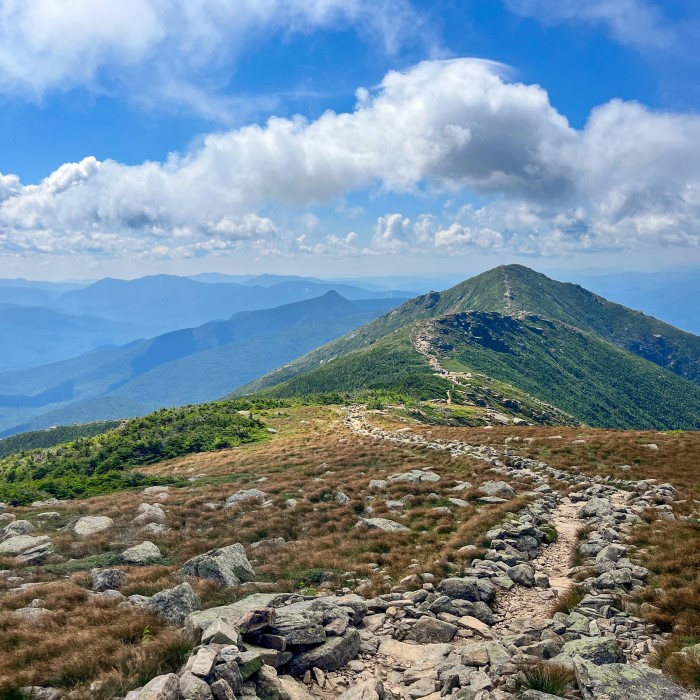
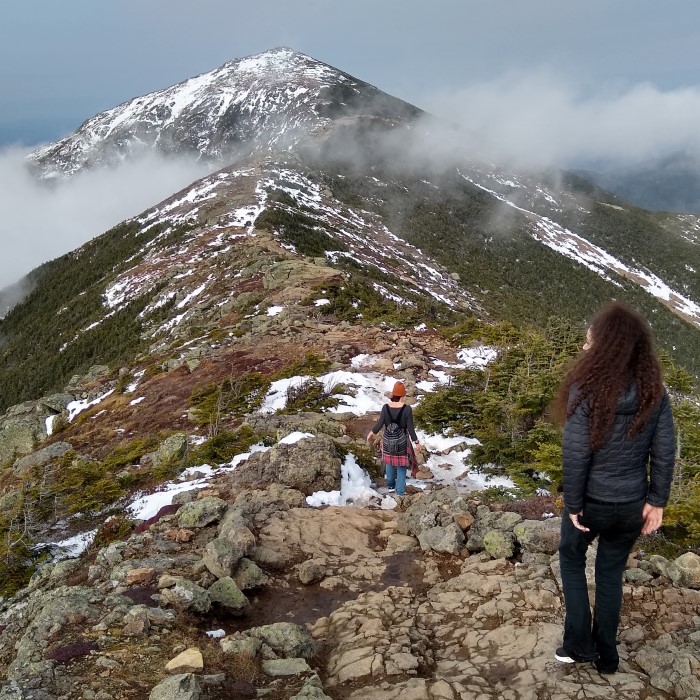
The ridge section is the highlight of the trip. It is also the most hazardous part. You are fully exposed to the sun and wind. The path is a rocky spine. There are steep drops on both sides. Consequently, focus is required. Watch your footing carefully. The rocks can be unstable. Stop moving when you want to take a photo. Many accidents happen when people walk and look at their phones. Furthermore, the wind can be deceiving. It might seem calm one moment. Then, a strong gust hits you.
Keep your center of gravity low. Use your hands for balance if needed. If the wind becomes too strong, crouch down. Wait for it to pass. Additionally, stay on the marked trail. The fragile alpine vegetation is easily damaged. The plants are small and take years to grow. Stepping on them destroys the ecosystem. Therefore, walk only on solid rock. The cairns (rock piles) mark the way. Follow them closely. In fog, it is easy to lose the path. If you lose the trail, stop immediately. Use your map and compass to relocate it. Never wander off blindly.
Wildlife Encounters and Environmental Stewardship
The White Mountains are home to diverse wildlife. You might see birds, squirrels, or deer. Occasionally, hikers encounter bears or moose. These animals are generally not aggressive. However, they are wild. You must keep your distance. Do not feed them. Feeding wildlife alters their behavior. It makes them dependent on humans. Consequently, store your food properly. Bear canisters are recommended in some areas. Furthermore, practice “Leave No Trace” principles.
This is vital for preserving the wilderness. Pack out everything you pack in. Do not leave orange peels or apple cores. They take a long time to decompose. They are also unsightly. Additionally, human waste must be disposed of correctly. Use the facilities at the Greenleaf Hut if possible. If not, move far away from water sources. Dig a cathode and bury the waste. Carry out your toilet paper. The ecosystem is fragile. We must protect it for future generations. Respect other hikers too. Yield to those hiking uphill. Keep noise levels down. People come here for peace and quiet. Therefore, be a good neighbor on the trail.
Emergency Procedures and Rescue Protocols
Even with preparation, accidents happen. You might twist an ankle. You might get lost. Therefore, know what to do in an emergency. First, stay calm. Panic clouds your judgment. Assess the situation. If someone is injured, administer first aid. Stop any bleeding. Immobilize the injury. If you have cell service, call 911. However, cell service is spotty on the mountain. Text messages sometimes go through when calls fail. Consequently, try texting a friend with your location.
If you are lost, do not wander. Stay put if it is safe. Make yourself visible. Use a whistle or a mirror to signal for help. Three blasts on a whistle is a universal distress signal. If you see a rescue helicopter, wave your arms. Do not assume someone will find you. You must be proactive. Carrying a personal locator beacon (PLB) is a wise investment. These devices work anywhere. They send your GPS coordinates to rescue teams. This speeds up the rescue process significantly. Remember, rescuers put their own lives at risk. Therefore, never hike unprepared expecting a rescue. Self-sufficiency is the ultimate safety net.
FAQ: Common Questions About the Trail
Hikers often have questions about the route. Here are answers to some common queries.
How long does it take to hike the Franconia Ridge Loop?
The loop typically takes between 7 to 9 hours. This depends on your fitness level. It also depends on the weather. Fast hikers might finish in 6 hours. However, most people should plan for a full day. Start early in the morning. This ensures you finish before dark.
How many 4000 footers are on the Franconia Ridge trail?
There are two official 4000 footers on the ridge. These are Mount Lafayette and Mount Lincoln. Little Haystack is also high. However, it is not considered a separate 4000 footer. It does not have enough prominence. Therefore, peak baggers count two summits on this hike.
What is the hardest section of the Appalachian Trail?
The Appalachian Trail passes through the White Mountains. Many consider this section the hardest. Specifically, the Mahoosuc Notch in Maine is legendary. It is often called the “toughest mile.” It involves a boulder scramble. However, the White Mountains of New Hampshire are also notorious for their rugged terrain and weather.
What is the hardest hike in Kauai?
Kauai offers challenging trails. The Kalalau Trail is often cited as the hardest. It stretches along the Na Pali Coast. The trail is long and remote. Mud and slippery rocks make it difficult. Furthermore, stream crossings can be dangerous. It requires strength and endurance.
Conclusion: A Rewarding Adventure Awaits
A franconia ridge hike is a memorable experience. It challenges your body. It inspires your soul. The views from the ridge are unmatched in the Northeast. You will see rolling mountains for miles. You will feel the wind on your face. However, the mountain demands respect. Safety is not optional. It is a requirement. You must prepare your body. You must check the weather. Consequently, your preparation pays off. You return home with incredible photos. You return with a sense of accomplishment. The White Mountains are a treasure. They offer a chance to escape the modern world. They allow us to connect with nature. But we must do so responsibly. Follow the safety tips in this guide. Educate yourself before you go. The 2026 trail season promises great adventures. Be ready for it. Enjoy every step of the journey. Stay safe on the trails.