The Essential Gear for Foot Care
Hiking and long-distance running offer incredible experiences. However, foot pain can quickly turn a joyful adventure into a painful struggle. Blisters are the most common ailment faced by outdoor enthusiasts. Consequently, preparation is the key to a successful trip. Every experienced hiker knows the importance of a well-stocked first aid kit. Yet, many overlook the specific need for high-quality foot care. This is where leukotape for blisters becomes an absolute game-changer.
It is not just a simple adhesive; it is a preventative shield. Furthermore, it provides a robust solution when damage has already occurred. Many people try generic bandages, but they often fail under stress. Therefore, upgrading your kit with this specialized tape is a smart decision. This article will explore the science behind the tape. We will also discuss its application and advantages over other products. By the end, you will understand why this item is non-negotiable for your gear list.
Understanding the Composition and Strength
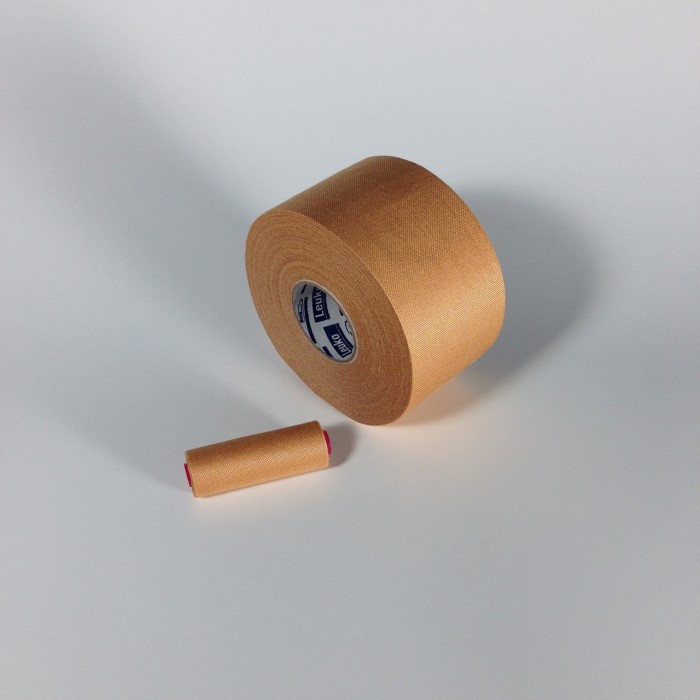
To appreciate its effectiveness, you must understand what it is. Leukotape is a rigid, high-tensile strength tape. It features a powerful zinc oxide adhesive. Consequently, it sticks to the skin with incredible tenacity. Unlike flexible athletic tapes, this product does not stretch. This rigidity is intentional. It stops the movement that causes friction. Friction is the primary enemy of healthy skin during long treks. Therefore, the tape acts as a second, tougher layer of skin.
- Zinc Oxide Adhesive: This is the secret ingredient. It creates a bond that water and sweat struggle to break. Additionally, zinc oxide has mild antiseptic properties.
- High Tensile Strength: The fabric backing is incredibly durable. It resists tearing even when pulled tightly. Consequently, it stays in place for days if needed.
- Breathability: Despite its strength, the tape is breathable. This prevents the skin from becoming macerated. Therefore, the skin underneath remains healthy.
Transitioning to its comparison with other tapes, the difference is clear. Duct tape is a common makeshift solution. However, it traps moisture and contains no antiseptic. Kinesiology tape is another option, but it stretches. Stretching allows movement, which leads to blisters. Leukotape provides the perfect balance of stickiness and stability. It is designed specifically for medical and sports applications. Thus, it outperforms general-purpose adhesives every time. Understanding these properties helps users trust the product. You know exactly why it works so well.
Why Leukotape Outperforms Moleskin
For decades, moleskin was the gold standard for blister care. It is a soft, fuzzy fabric with an adhesive back. Many hikers still carry it in their kits. However, leukotape for blisters has largely replaced it for serious athletes. There are several reasons for this shift. First, moleskin is thick and bulky. This can create pressure points inside a tight boot. Consequently, it might cause more pain than it relieves. Second, moleskin has poor adhesive quality. It often peels off when exposed to moisture or sweat.
- Adhesion Difference: Leukotape sticks aggressively. Moleskin relies on a weaker glue. Therefore, Leukotape stays put for days, while moleskin might last only hours.
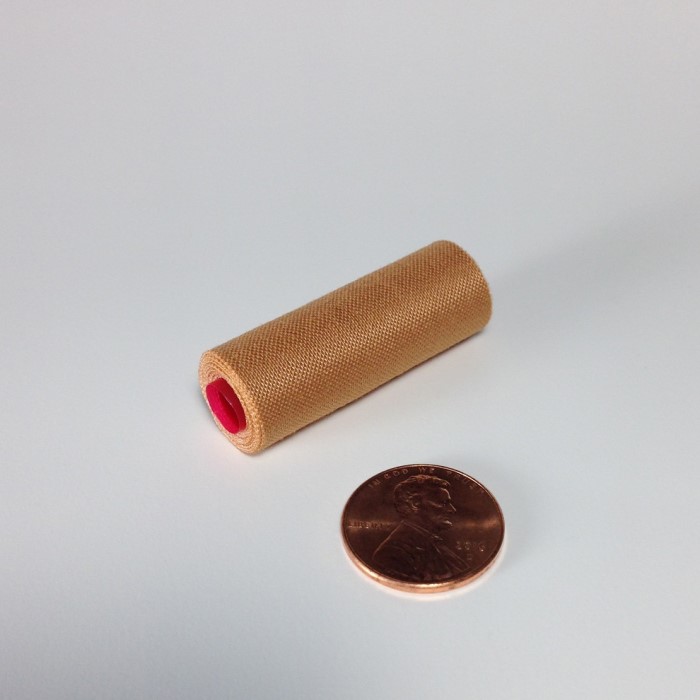
- Profile Thickness: Leukotape is thin. It fits seamlessly inside socks and boots. This reduces the risk of creating new hot spots.
- Water Resistance: Moleskin absorbs water like a sponge. This makes it heavy and prone to falling off. Conversely, Leukotape repels water effectively.
Transitioning to ease of use, Leukotape is often easier to apply. You simply cut the size you need and stick it on. Moleskin often requires cutting a “donut” shape to pad the blister. This process is fiddly and time-consuming. Furthermore, the edges of moleskin can roll up. This creates a rough edge that rubs against the shoe. Leukotape lies flat against the skin. Its edges remain secure. Therefore, it is the superior choice for prevention. While moleskin has its uses for padding, Leukotape wins for protection. It is the modern solution for a modern problem.
The Science of Friction Management
Blisters form due to a specific mechanical process. Friction causes the outer layers of skin to separate. Consequently, fluid fills the gap to protect the tissue. This is the body’s reaction to repetitive rubbing. Heat and moisture accelerate this process. Therefore, the best way to stop a blister is to stop the friction. This is the primary function of leukotape for blisters. By creating a solid barrier, it eliminates the rubbing motion.
- Shear Force Reduction: When your foot slides forward in a boot, shear force occurs. The tape anchors the skin. Therefore, the sock rubs against the tape, not the skin.
- Surface Smoothness: The tape has a smooth texture. This allows the sock to glide over the area. Consequently, the coefficient of friction is lowered significantly.
- Heat Dissipation: The breathable cotton backing helps manage heat. Less heat means less skin irritation. This delays the onset of blister formation.
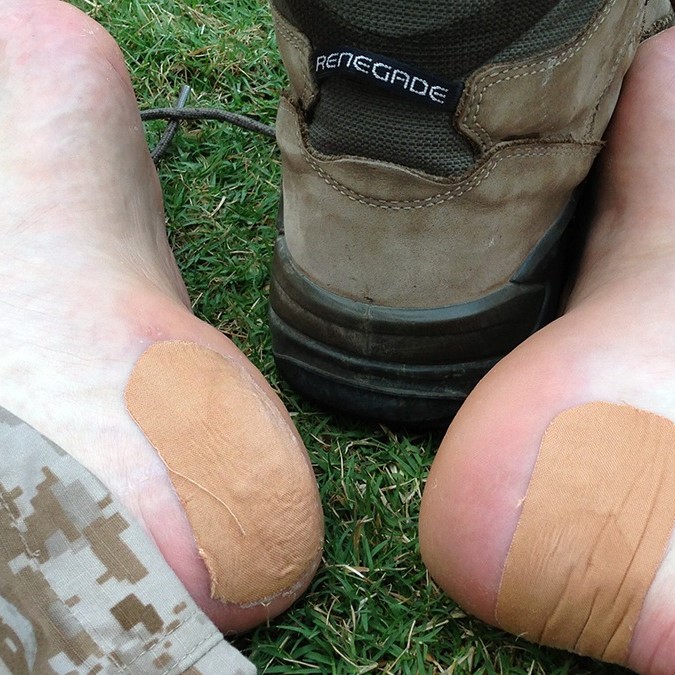
Transitioning to the application, proper technique matters. You must apply the tape before the hot spot becomes a blister. Once you feel a “hot spot,” stop immediately. Clean and dry the area. Then, apply a piece of tape. Rounding the corners with scissors helps prevent peeling. This proactive approach saves your feet from damage. It turns a potential injury into a non-issue. Understanding the science helps you respect the solution. It is not magic; it is physics and engineering working together.
How to Apply Leukotape for Maximum Effect
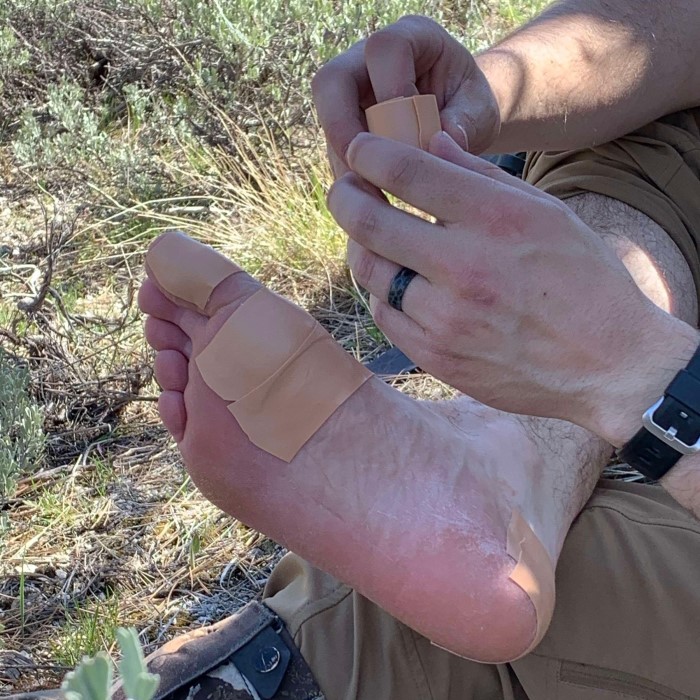
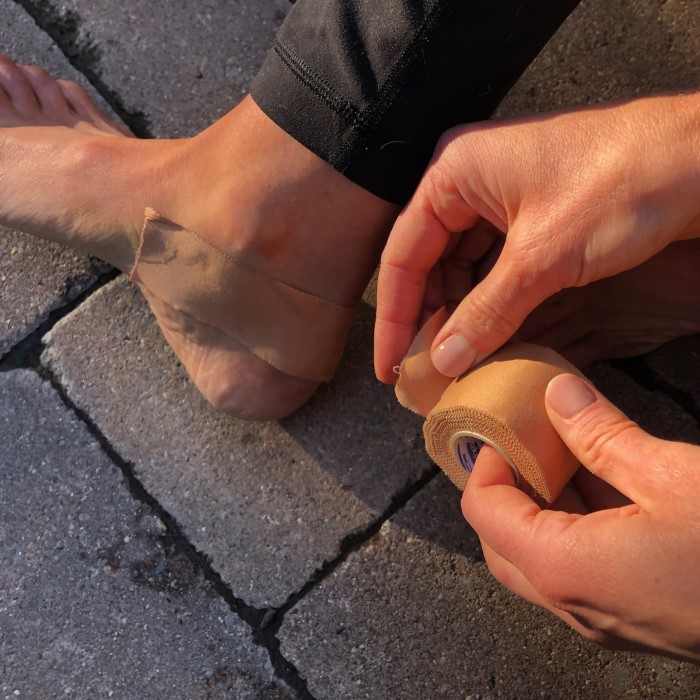
Application is straightforward, but a few tips ensure success. First, the skin must be clean and dry. Any oil or dirt will compromise the adhesive. Therefore, use an alcohol wipe if possible. Let the area air dry completely. Next, cut a piece of tape large enough to cover the area. It is wise to round the corners. Square corners tend to curl up. Consequently, rounded edges stay secure longer.
- Preparation: Ensure the skin is free of lotion. If you are taping a toe, make sure it is not sweaty. You might need to use a foot powder first, then wipe it off.
- Adhesion: Press the tape down firmly. Rub it vigorously to generate heat. This activates the zinc oxide glue. Therefore, the bond becomes stronger.
- Toe Taping: If taping a toe, do not wrap it too tightly. You must allow for circulation. Overlapping the tape by half its width creates a secure seal.
Transitioning to removal, patience is key. The adhesive is very strong. Pulling it off quickly can damage fragile skin. Therefore, peel it back slowly. If it feels stuck, use a little warm water or baby oil. This helps dissolve the adhesive bond. Do not rip it off like a band-aid. If you have a hairy foot, the removal might sting slightly. Trimming hair in that area beforehand can reduce pain. Proper application ensures the product works as intended. It also makes the experience more comfortable for the user.
Managing Blisters in Wet Conditions
Rain and stream crossings are inevitable on long trails. Wet feet are prone to developing blisters quickly. The skin becomes soft and vulnerable. This condition is known as maceration. Most tapes fail in wet environments. They lose their stickiness and slide off. However, leukotape for blisters is engineered to withstand moisture. The zinc oxide adhesive is water-resistant. It maintains its grip even when submerged.
- Stream Crossings: When you cross a stream, your feet get soaked. Check your feet on the other side. If the tape is peeling, replace it. However, it usually stays secure.
- Sweat Management: Intense hiking generates significant foot sweat. The breathable fabric allows moisture to escape. Therefore, the skin does not become a soggy mess.
- Durability: You can wear the same application for multiple days. Even through showers and river fords, it holds. This reliability is crucial for multi-day backpacking trips.
Transitioning to foot care routines, try to air out your feet during breaks. Remove your boots and socks. Let the sun dry your skin. This keeps the tape effective. If the tape does get saturated, it is best to change it. Dry the skin thoroughly before applying a new piece. This routine prevents fungal infections too. Keeping feet dry is a fundamental rule of hiking. Leukotape assists in this goal by staying put. It acts as a protective shield against the elements.
Preventing Hot Spots Before They Start
The best treatment is prevention. Experienced hikers know their “problem areas.” These are the spots where blisters always form. It might be the heel, the big toe, or the side of the foot. You should apply leukotape for blisters before you even start walking. This is called “pre-taping.” It adds a layer of protection from the very first step. Consequently, you avoid the pain of treating a blister later.
- Identify Hot Spots: Feel your feet after a few miles. Notice where the rubbing occurs. Remember these spots for your next hike.
- New Boots: Breaking in new boots is a painful process. The stiff material rubs against the ankle. Taping these areas beforehand prevents the dreaded “heel lift” blister.
- Long Distances: If you are running a marathon or ultramarathon, pre-taping is essential. You will not have time to stop and tape later. Therefore, start with protection in place.
Transitioning to sock choice, tape is only one part of the equation. Wear high-quality, moisture-wicking socks. Wool or synthetic blends are best. Cotton retains moisture and causes blisters. The combination of good socks and Leukotape is nearly unbeatable. It creates a system of defense for your feet. Do not wait for the pain to start. Be proactive. A few minutes of preparation save hours of limping. This proactive mindset separates novice hikers from experts.
Safety Precautions and Skin Sensitivity
While highly effective, this product is not for everyone. It contains zinc oxide and rubber-based adhesive. Some people are allergic to these materials. Therefore, test the tape on a small patch of skin first. Wait 24 hours to see if a rash develops. If you have sensitive skin, be cautious. Furthermore, do not apply the tape directly to an open wound. The adhesive can trap bacteria.
- Allergic Reactions: Signs include redness, itching, or swelling. If this occurs, remove the tape immediately. Wash the area with soap and water.
- Open Blisters: If a blister has popped, clean it first. Apply a non-adherent sterile gauze. Then, you can tape over the gauze to hold it in place.
- Circulation Issues: Diabetics or those with poor circulation should consult a doctor. Aggressive taping can damage fragile skin. Therefore, professional advice is recommended.
Transitioning to storage, keep the roll in a cool, dry place. Extreme heat can melt the adhesive. This makes the roll unusable. If the edges of your roll are sticky, the tape has been compromised. Always check the integrity of the tape before a trip. Safety is the priority. Using the product correctly ensures you help your feet, not hurt them. Responsible use is the mark of a skilled outdoorsman.
Frequently Asked Questions About Blister Care
Which leukotape is best for blisters?
The standard Leukotape P is the best choice. It is widely available and specifically designed for sports medicine. Its rigid structure and zinc oxide adhesive make it perfect for friction management. Look for the classic red and white packaging. It is the industry standard for hikers and runners.
Is moleskin or leukotape better for blisters?
Leukotape is generally considered better for active hiking. It sticks better and lasts longer in wet conditions. Moleskin is thicker and softer, which can be better for cushioning an existing blister in a loose shoe. However, for prevention and durability, Leukotape wins. It stays on for days, whereas moleskin often falls off.
What is the best tape for blisters while hiking?
Leukotape P is widely regarded as the best tape. Its aggressive adhesive keeps it stuck to sweaty feet. It is also water-resistant and breathable. No other tape matches its durability on the trail. It is the top choice for thru-hikers and backpackers.
Summarize
Foot care is the foundation of any successful outdoor adventure. Ignoring your feet can lead to misery and injury. Therefore, being prepared is essential. We have explored the science and application of this incredible product. Leukotape for blisters stands out as the superior choice for prevention and treatment. Its strong adhesive and rigid design stop friction in its tracks. Furthermore, it outperforms traditional moleskin in almost every category. By adding this tape to your first aid kit, you invest in your comfort and safety. Remember to apply it to clean, dry skin. Test for allergies before your trip. With this simple tool, you can hike longer and run further. Do not let blisters slow you down. Take control of your foot health today. Your feet will thank you for it.