The Great Climbing Shoe Dilemma
One of the most common debates among both new and experienced climbers centers on footwear fit. Many beginners walk into gear shops and hear advice that seems counterintuitive. They are often told that their shoes should hurt. Consequently, they leave the store with footwear that leaves them limping. This leads to a very important question: how tight should climbing shoes be? The answer is not as simple as “as tight as possible.” In fact, the industry has shifted its perspective significantly in recent years. While performance is paramount, pain is not a prerequisite for sending projects. Therefore, finding the sweet spot between precision and comfort is essential. You want a shoe that acts like a second skin. It should enhance your sensitivity on the rock without causing debilitating agony.
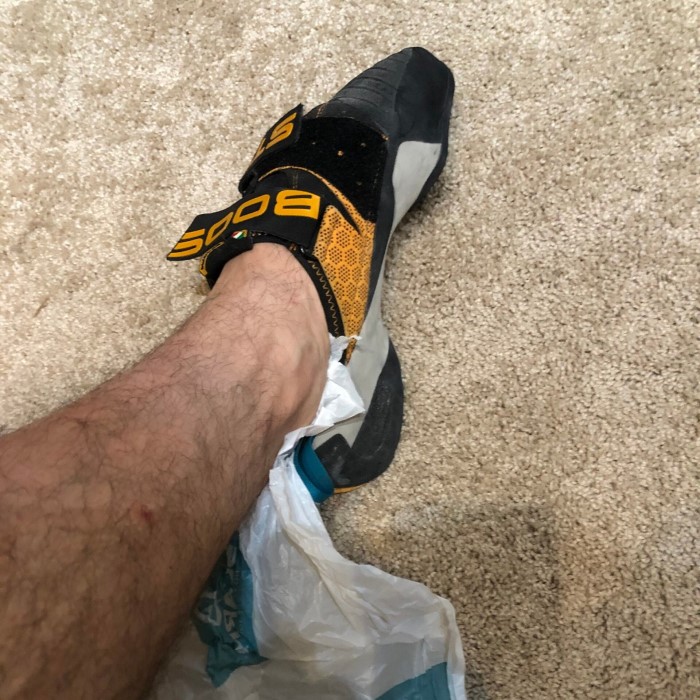
Furthermore, the level of tightness often depends on your specific climbing discipline. A gym climber bouldering on plastic volumes has different needs than a trad climber ascending a multi-pitch granite route. If your shoes are too loose, your feet will slide around inside them. This reduces your accuracy and power. Conversely, if they are too tight, your feet will go numb. This kills your sensitivity and makes you want to take the shoes off at every belay. Therefore, this article will explore the nuances of fit. We will discuss toe positioning, heel lock, and the differences between various climbing styles. By understanding these mechanics, you can choose a fit that elevates your climbing rather than hindering it. Ultimately, the right fit makes climbing enjoyable and safe.
Understanding the Purpose of a Snug Fit
To understand the ideal fit, you must first understand the function of a climbing shoe. Unlike running shoes, which prioritize cushioning and support, climbing shoes prioritize friction and structure. The rubber on the sole is designed to stick to microscopic features on the rock. Consequently, the shoe must transfer every nuance of your foot movement to the wall. If there is empty space inside the shoe, your foot will slide. This creates a disconnect between your intention and the wall. As a result, you might slip off a hold that you should have stuck. A snug fit ensures that when you push against a foothold, the shoe responds instantly. There is no delay. This responsiveness is what climbers call “sensitivity.”
Moreover, a tight fit allows you to use your toes as precise instruments. On tiny edges, you need to concentrate all your body weight onto a very small surface area. A loose shoe allows the foot to collapse or slide forward. This reduces the power you can exert through your big toe. Therefore, the shoe acts as a rigid platform. It holds your foot in a strong, curved position. This lets you pull with your toes on overhangs. It also lets you edge confidently on vertical faces.
The “tightness” you feel is actually the shoe holding your foot in this power position. It restricts unwanted movement. However, there is a fine line between structural support and painful compression. You do not want the shoe to crush your bones. Instead, you want it to hug your foot like a firm handshake. This structural integrity is the primary reason climbers downsize their shoes. It maximizes the stiffness and precision of the footwear.
The Toe Test: Curling Versus Flat
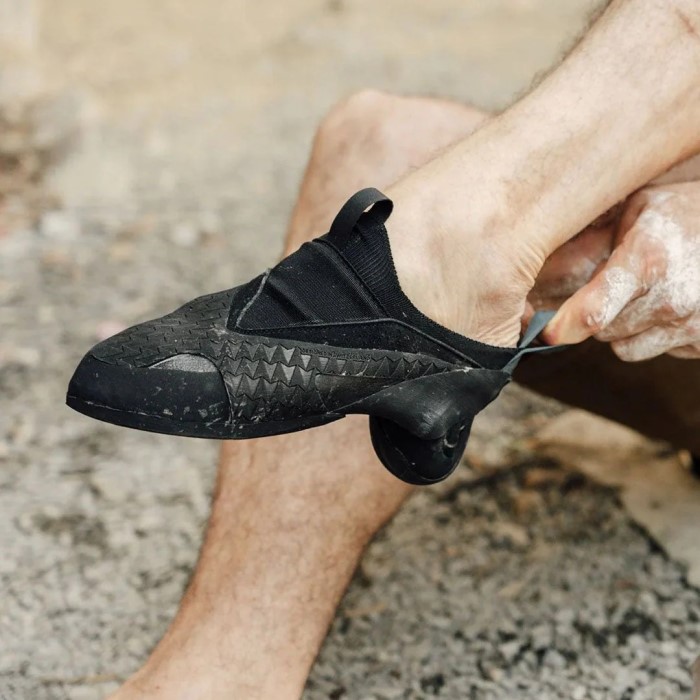
A major point of confusion for many climbers involves the position of the toes. Are your toes supposed to be curled in climbing shoes? The answer varies based on the shoe’s shape and your climbing goals. For moderate, neutral shoes, the toes should generally lie relatively flat. They should not be scrunched up like a claw. In these shoes, your toes should touch the end of the shoe gently. There should be no dead space above or below them. This allows you to smear effectively on slabs. It also provides comfort for long routes. However, aggressive, downturned shoes operate differently. These shoes are designed to hook onto steep terrain. Consequently, your toes will naturally curl inside the shoe. This curling is not necessarily a bad thing. It creates a stronger, more active foot position.
Furthermore, the degree of curling impacts your performance. If your toes are painfully jammed into the front of the shoe, they will lose strength. Your toes need to be able to engage and push. If they are crushed, they become passive passengers. Therefore, the curl should feel like a “loaded spring.” It should feel engaged, not strangled. You should be able to flex your toes slightly within the confines of the shoe. If you cannot wiggle your toes at all, the shoe is likely too aggressive or too small for your foot shape.
Dead space is the enemy here. If there is a gap above your toes, you lose power. Consequently, you must find a balance. Your toes should fill the volume of the toe box completely. They should not slide back when you heel hook. This “toe test” is one of the most critical aspects of fitting a shoe. It directly correlates to how well you can edge and hook.
Shoe Fit for Different Climbing Styles
How tight should climbing shoes be? Climbing is a diverse sport, and your shoe fit should reflect your specific discipline. For bouldering, climbers often opt for a tighter, more aggressive fit. Bouldering problems are short and intense. You spend very little time on the wall. Therefore, you can tolerate a higher level of discomfort for the sake of maximum precision. The shoes are often tight enough that they are only worn for the duration of the attempt. This is often referred to as a “performance fit.” Consequently, boulderers frequently size down significantly. They want zero dead space for hooking and delicate edging. The downturned shape helps on steep, overhanging problems.
On the other hand, trad and multi-pitch climbing require a more moderate fit. These routes can take hours to complete. If your feet are in agonizing pain after the first pitch, you will not be able to climb efficiently. You might even be unsafe due to the distraction. Therefore, trad climbers prioritize a “comfort fit” or a slight “performance fit.” The shoes are typically flatter and stiffer. They support the foot all day long. The toes should be flat or very slightly curled. Sport climbing falls somewhere in between.
It requires precision for the crux moves. However, it also requires enough comfort to hang on the rope and rest. Therefore, sport climbers often choose a moderately aggressive shoe with a snug, but not painful, fit. You must assess your own climbing style honestly. If you are a beginner, comfort is crucial because you are building technique. You do not need the painful, downturned shoes that a pro uses. A flat, stiff, snug shoe is far more beneficial for learning proper footwork.
The Break-In Period Myth Versus Reality
How tight should climbing shoes be? Many climbers purchase shoes that are agonizingly tight, believing they will stretch. This is a common mistake that stems from outdated advice. While it is true that leather shoes stretch, they do not stretch infinitely. Furthermore, modern synthetic shoes hardly stretch at all. Therefore, buying a shoe that hurts in the shop with the hope it will become comfortable is risky. If a synthetic shoe is painful in the store, it will likely remain painful forever. Leather shoes, specifically unlined leather, can stretch up to a half or full size. However, they stretch in volume, not in length. Consequently, if your toes are crushing against the end of a leather shoe, the length will not change. The shoe will simply become slightly wider. This might actually make it looser in the heel if you are not careful.
Therefore, the shoe should feel good in the shop. It should be snug, but it should not feel like a torture device. Any pressure points you feel in the store will likely become unbearable after an hour on the rock. The “break-in” period is mostly about the rubber softening and the upper molding to your foot shape. It is not about the shoe growing two sizes larger. You should look for a fit that is uncomfortable enough to make you want to take them off after 15 minutes, but not so painful that you cannot walk.
That is a good rule of thumb. If you cannot walk to the boulder without wincing, the shoes are too tight. Breaking in a shoe is about making a good fit better. It is not about turning a bad fit into a passable one. Always err on the side of caution if you are unsure.
Heel Lock and Volume Considerations
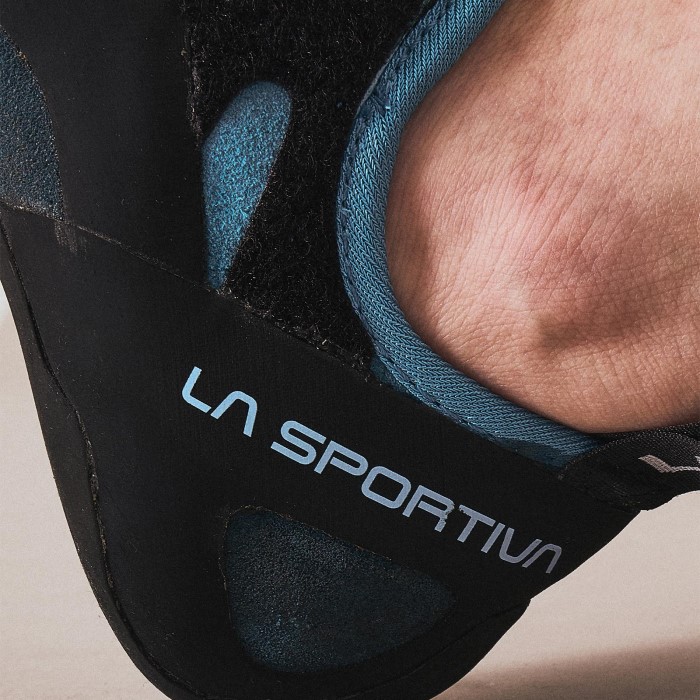
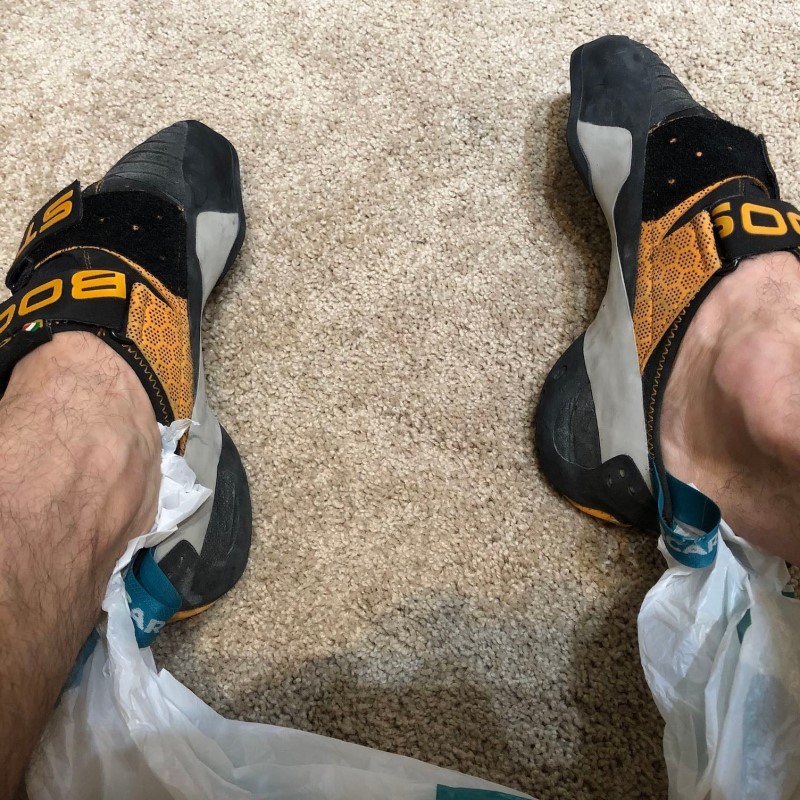
How tight should climbing shoes be? While the toes get most of the attention, the heel is equally important. A solid heel lock is vital for heel hooking and preventing the shoe from slipping off. When you try on a shoe, mimic a heel hook motion. Press your heel into the ground or against a hold. Does your heel lift inside the shoe? If it does, the shoe is not fitting correctly. This “dead space” in the heel reduces your pulling power. It can also cause the shoe to pop off during a dynamic move. Consequently, you need a shoe that wraps the heel tightly. There should be no air pockets. However, the heel should not dig into your Achilles tendon painfully. It should simply feel secure and locked in.
Additionally, you must consider the volume of your foot. Some climbers have low-volume, narrow feet. Others have high-volume, wide feet. A shoe that is too wide for a narrow foot will wrinkle and gap. This creates pressure points. Conversely, a shoe that is too narrow for a wide foot will compress the metatarsals. This causes intense pain and numbness. Therefore, you must find a brand and model that matches your foot anatomy. Brands like La Sportiva tend to run narrower.
Brands like Scarpa often accommodate wider feet better. When trying on shoes, check the width. Does the leather or synthetic upper bulge unnaturally? If so, the shoe is too narrow. A well-fitted shoe should follow the contours of your foot without major deformities. The laces or velcro straps also play a role. They allow you to fine-tune the volume. If you have to crank the straps to the very end, the shoe might be too wide. If there is a massive amount of strap left over, it might be too narrow.
Common Mistakes When Sizing
How tight should climbing shoes be? The biggest mistake climbers make is sizing down too aggressively. This is often fueled by peer pressure or a misunderstanding of performance. Many climbers think that tighter automatically means better. This is false. If a shoe is too tight, your foot will go numb. Numb feet cannot feel the rock. Consequently, you will miss subtle features and skid off holds. You also risk long-term injuries like bunions, hammer toes, and nerve damage. Therefore, you should avoid the “gym mileage” mentality where suffering is seen as a badge of honor. Your feet are your most important tool. You must treat them well.
Another common error is ignoring the asymmetry of the shoe. Some shoes are symmetric, meaning the shape is relatively straight. Others are highly asymmetric, curving sharply towards the big toe. If you have a straight foot, forcing it into an asymmetric shoe causes pressure on the outside of your toes. This can be excruciating. You must match the shoe’s shape to your foot’s natural resting position. Furthermore, climbers often ignore the width of the toe box.
A tapered toe box is great for thin cracks and precise edging. However, it is a nightmare for wide feet. Forcing a wide foot into a narrow toe box squeezes the bones together. This leads to instant pain. Therefore, analyzing the shape of your own foot is the first step. Trace your foot on a piece of paper. Compare it to the sole of the shoe. This simple visual check can save you from a painful mistake. Do not try to force your foot into a shape it was not meant to be.
Frequently Asked Questions
What is the 3 second rule in bouldering?
The “3 second rule” in bouldering does not refer to shoes directly, but rather to falling safety. It suggests that if you fall and are not moving within three seconds, you might be injured or stuck. However, in the context of shoe fitting, some climbers jokingly refer to a “rule” regarding pain. They say if you can keep the shoes on for the walk to the boulder, they are too big. This is an exaggeration. A better rule is the “15-minute rule.” If you can sit with the shoes on for 15 minutes without needing to take them off due to pain, the fit is likely acceptable for performance climbing.
Is it better to size down in climbing shoes?
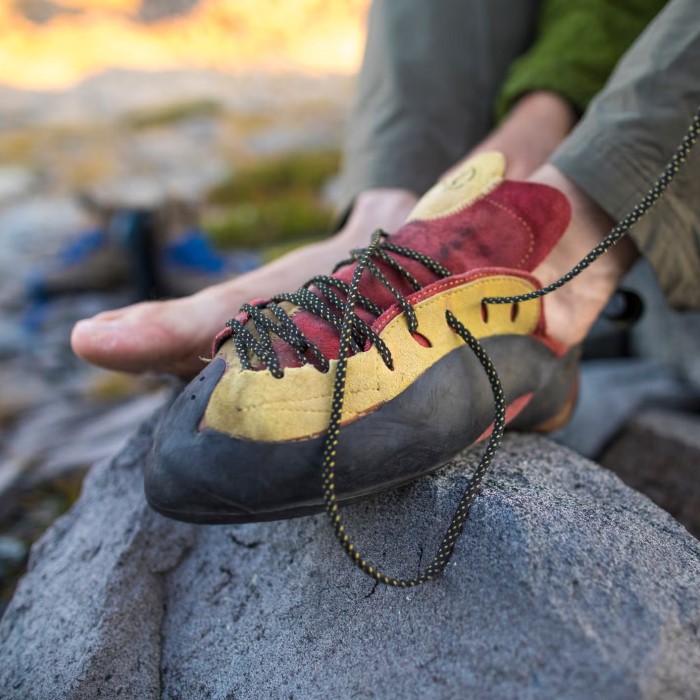
Sizing down is standard practice, but it must be done carefully. You should size down enough to eliminate dead space. However, you should not size down so much that your toes buckle or your feet go numb. As a general guideline, start with your street shoe size. For moderate shoes, your toes should gently graze the end. For aggressive shoes, you might go a half size down from there. Do not blindly size down two or three sizes. This leads to unnecessary suffering and foot damage. Sizing depends heavily on the brand and the model. Always try the shoes on.
How uncomfortable should new climbing shoes be?
New climbing shoes should feel snug and slightly constricting, but they should not induce acute pain. You should feel pressure across the top of your foot and on your toes. This pressure ensures sensitivity and power. However, you should not feel sharp, stabbing pains or numbing sensations. A new shoe often feels stiff because the rubber has not softened. This stiffness can be uncomfortable. The upper might also feel tight until it molds to your foot. Expect a “breaking-in” discomfort, similar to a new pair of leather boots. But if the pain makes you grimace, the shoe is too small.
Are your toes supposed to be curled in climbing shoes?
This depends on the shoe profile. In aggressive, downturned shoes, your toes will naturally curl. This allows you to hook and pull on steep terrain. The curl helps transfer power. In neutral, flat shoes, your toes should be relatively flat but touching the front of the shoe. You generally want your big toe to be in contact with the end of the toe box. This provides a solid platform for edging. Toes should never be painfully crushed or folded underneath each other. This causes weakness and potential injury.
Conclusion
Finding the perfect fit is a journey that requires patience and self-awareness. The answer to how tight should climbing shoes be lies in balancing performance enhancement with physical health. You need a shoe that fits like a firm glove. It must eliminate dead space without cutting off circulation. Remember that discomfort is part of the sport, but pain is a signal that something is wrong. Always prioritize the shape of your own foot over the latest trend or the advice of a peer. By understanding the mechanics of fit—from heel lock to toe curling—you can make an informed decision. This ensures that your shoes are an asset on the wall, not a source of misery. Wear your gear with confidence and climb safely.