Introduction to Enhanced Foot Stability
Proper footwear is the foundation of every great athletic performance. Whether sprinting on a track or scaling a cliff, your shoes matter. However, even the best shoes can fail if not secured correctly. Many athletes suffer from heel slippage and discomfort. They often blame the shoe size or the brand. Yet, the solution is frequently much simpler. It lies in the way the laces are tied. This is where heel lock lacing comes into play. This specific technique creates a much tighter fit around the ankle. It secures the heel firmly into the back of the shoe. Consequently, the foot does not slide forward or backward.
Furthermore, this method is not just for elite athletes. It benefits anyone who wears shoes. But it is particularly crucial for climbers and runners. For runners, constant movement creates friction. Slipping heels can cause painful blisters. For climbers, precise foot placement is everything. A loose shoe can mean the difference between success and a fall. Therefore, understanding this lacing technique is vital. It provides a solution to common foot problems. Moreover, it maximizes the potential of your footwear. You do not need to buy new shoes to solve fit issues. You simply need to adjust your approach.
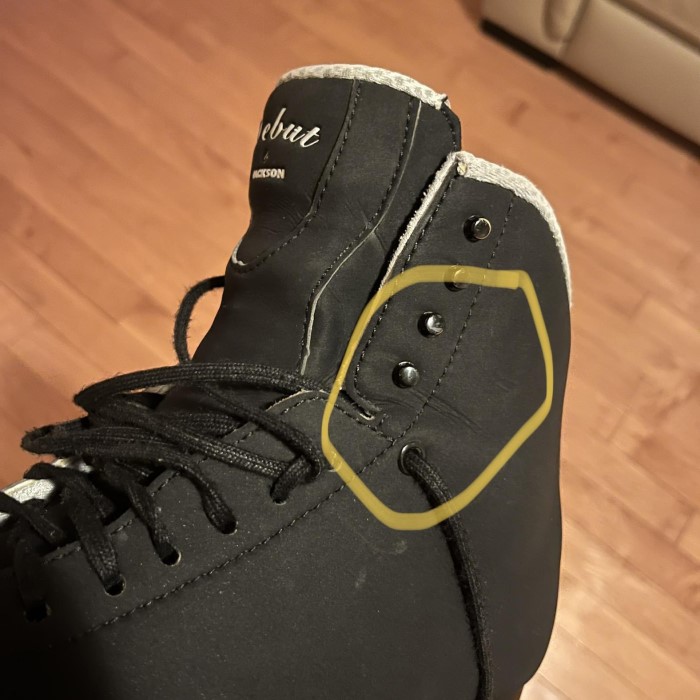
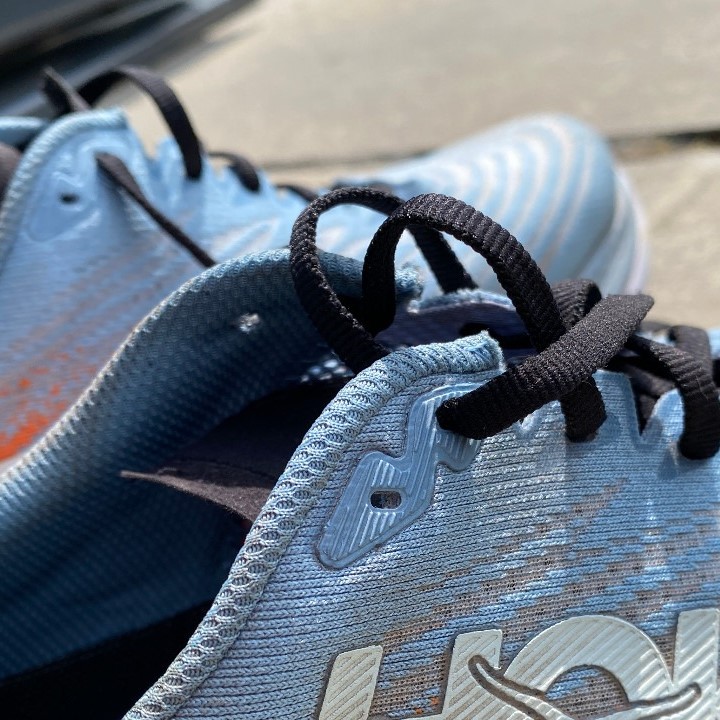
In addition, this technique utilizes the extra holes found on many running and hiking shoes. These holes are often ignored by the average user. They sit empty and unused. However, they are designed specifically for this purpose. By using them, you create a “lock” mechanism. This mechanism holds the heel in place securely. It changes the entire feel of the shoe. The foot becomes one with the footwear. As a result, control improves significantly.
The Science Behind the Heel Lock
Understanding why this technique works requires a look at shoe mechanics. A shoe is designed to wrap around the foot. However, the heel counter is the stiff part at the back. It is built to support the heel bone. When the foot slides, the heel lifts out of this counter. This movement creates instability. The toes then jam into the front of the toe box. This causes black toenails and blisters. Therefore, keeping the heel back is essential.
To achieve this, heel lock lacing creates a high-tension zone. It focuses the pressure of the laces directly on the top of the foot. Then, it transfers that pressure backward. This pulls the heel into the shoe. Think of it like a pulley system. The laces act as the rope. When you pull the rope, the heel moves backward. Consequently, the entire foot is stabilized. This reduces the volume of space inside the shoe. The foot sits more snugly against the insole.
Moreover, this technique isolates the lacing tension. You might want your toe box loose for comfort. However, you still want a tight heel. Standard crisscross lacing does not allow for this easily. The tension is distributed evenly across the foot. In contrast, the heel lock creates independent tension zones. You can tighten the lower part loosely. Then, you can crank down the upper part tightly. This customization is what makes the method so effective. It caters to the unique shape of the human foot. Furthermore, it reduces the workload on your toes. Usually, toes grip the shoe to keep it on. This causes fatigue and cramping. With the heel locked, the toes can relax. They can splay naturally. This improves balance and comfort significantly.
A Step-by-Step Guide to the Technique
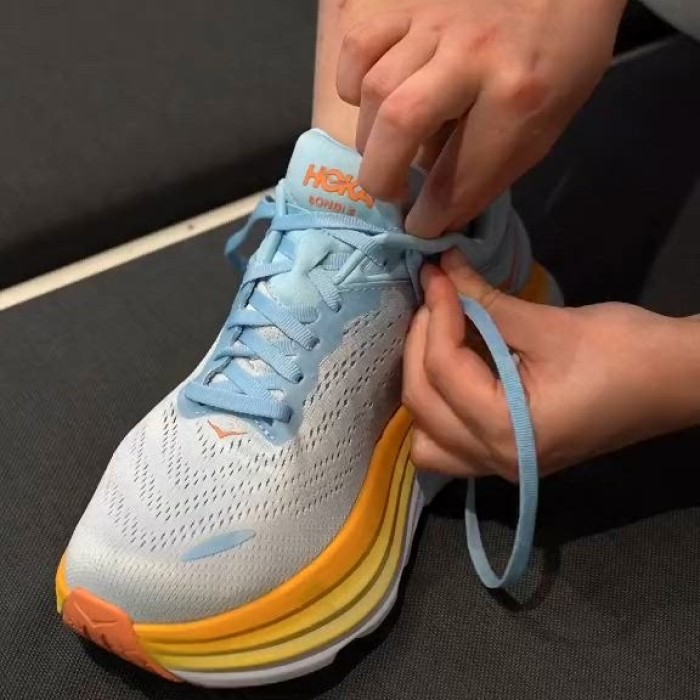
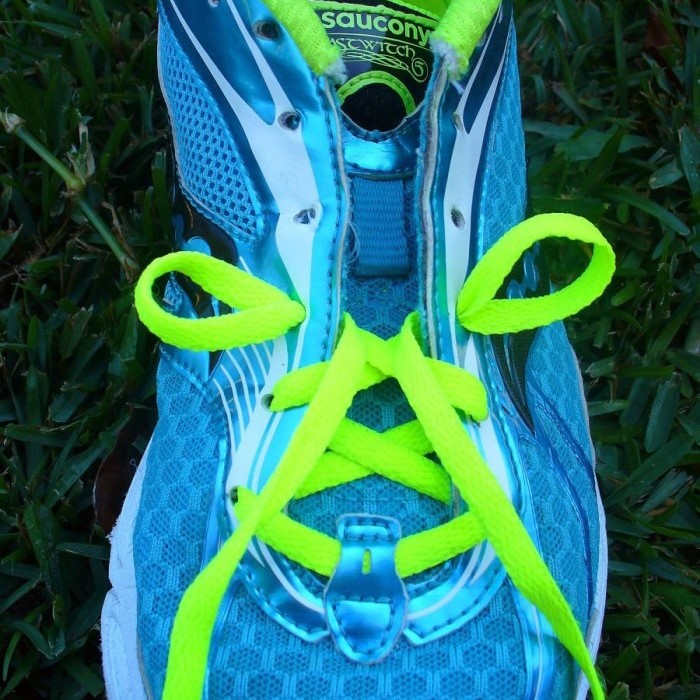
Many people see the extra holes on their shoes and wonder about their purpose. These holes are the key to the runner’s loop. Using them is not difficult. However, it does require a specific sequence. First, lace your shoes normally. Use the standard crisscross pattern until you reach the second-to-last hole. Stop when you have one hole left on each side. This is where the change begins. Do not cross the laces over yet.
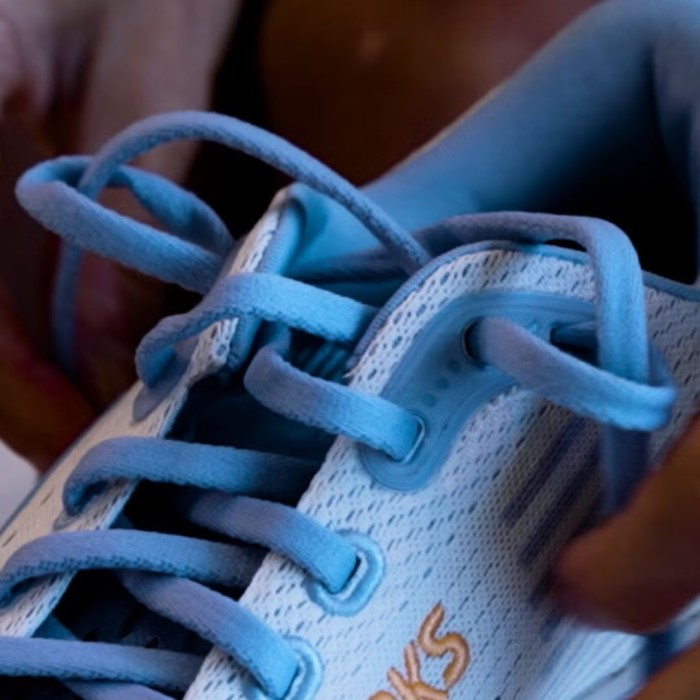
Next, take the right lace and thread it through the top hole on the right side. But do not pull it all the way through. Instead, create a small loop. Do the same thing on the left side. You should now have a loop on each side of the shoe. These loops act as anchors. They are the “lock” in the heel lock system. This step is crucial for the mechanism to work. Ensure the loops are large enough to fit a finger through.
Then, cross the laces over the top of the foot. Take the right lace and insert it into the left loop. Take the left lace and insert it into the right loop. Pull the laces tight. You will notice the loops cinch down. This action pulls the sides of the shoe upward and backward. It locks the heel into place. Finally, tie your bow as you normally would. You might find the bow sits slightly higher or feels tighter. That is perfectly normal. It indicates the system is engaged. With practice, this method becomes second nature. It takes only a few extra seconds. Yet, it provides a vastly superior fit. You will immediately feel the difference in heel security.
Critical Benefits for Runners
Runners put immense stress on their feet. Every stride generates impact forces. Consequently, foot movement within the shoe is a major issue. Blisters are the most common complaint. They form due to friction. When the heel slides up and down, the skin rubs against the sock and shoe. This friction generates heat. Eventually, a blister forms. Heel lock lacing virtually eliminates this friction. By securing the heel, the rubbing stops. The skin remains intact. This allows runners to focus on their pace and not their pain.
Furthermore, black toenails are a persistent problem for distance runners. This occurs when the foot slides forward on downhills. The toes slam into the front of the shoe. This trauma causes bleeding under the nail. It can be painful and unsightly. However, the heel lock prevents this forward slide. It keeps the foot back where it belongs. Thus, the toes have ample room. They do not suffer impact trauma. Runners can maintain their training schedule without losing toenails.
In addition, this lacing method improves energy transfer. A sloppy shoe wastes energy. When you push off the ground, the shoe sole should react instantly. If the foot moves inside the shoe, there is a delay. This delay is energy lost. A locked-in fit ensures immediate power transfer. Every stride becomes more efficient. This is particularly beneficial for sprinters and competitive runners. They need every ounce of energy to translate into forward motion. Moreover, the technique allows for better blood flow. You can keep the front of the shoe loose. This prevents numbness in the toes. Meanwhile, the heel remains tight. It is the perfect balance of comfort and performance. Runners of all levels can benefit from this simple adjustment to their routine.
Essential Advantages for Climbers
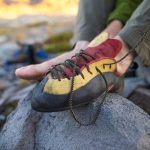
Climbing requires extreme precision. A climber’s feet are their primary tools. They must stand on tiny edges and smear on smooth rock. Any movement inside the shoe reduces sensitivity. It can cause a foot to pop off a hold. Therefore, a tight fit is standard in climbing shoes. Most climbers size their shoes very small. However, tight shoes are not enough. The heel must stay connected to the sole of the shoe. Heel lock lacing provides this critical connection.
Climbing shoes often have a distinct heel cup. It is designed to cup the heel bone for hooking movements. Heel hooking is a common technique on overhangs. You place your heel on a hold and pull. If the shoe is loose, the heel cup will detach. You will lose the hold. The shoe might even slip off entirely. By using the heel lock, the shoe becomes rigid on the foot. It acts as a rigid extension of the leg. This makes heel hooks much more secure and powerful.
Furthermore, climbing shoes stretch over time. Leather shoes can become baggy. A once-perfect fit might become sloppy. Instead of buying new shoes, climbers can use this lacing method. It takes up the extra volume. It restores the snug fit required for hard climbing. Also, climbers often suffer from “hot spots.” These are areas of intense pressure. By adjusting the lacing, pressure can be distributed more evenly. The heel lock lifts the mid-foot. This can relieve pressure on the toes. It makes wearing tight climbing shoes bearable for longer periods. Consequently, climbers can project routes longer. They do not need to take their shoes off as often to relieve pain. This efficiency leads to better sending percentages.
Application for Hiking and Trekking
Hikers cover long distances over uneven terrain. Their feet swell during long days on the trail. This swelling changes the fit of the boot. A boot that felt perfect in the morning might feel tight by noon. Or, it might become loose as the laces settle. A loose boot leads to instability. On steep trails, this is dangerous. An ankle roll can end a hike immediately. Heel lock lacing offers a solution for hikers too. It adds a layer of security that standard lacing lacks.
Firstly, it prevents blisters on long descents. Walking downhill shifts the weight forward. Gravity pulls the foot toward the toe box. Hikers often suffer from battered toes and raw heels. The heel lock keeps the foot pinned back. It resists the gravitational pull. This saves the toes from impact. It also saves the heels from the sawing motion of the boot cuff. A single blister can make a multi-day trek miserable. Prevention is the key. This lacing method is the best preventative measure a hiker can take.
Secondly, it improves ankle stability on uneven ground. Hiking boots are often stiff. They have high ankle support. However, the support is useless if the heel is floating. The boot needs to move with the foot. When the heel is locked down, the boot becomes part of the leg. The high ankle cuff can then do its job. It supports the ankle joint. It prevents twisting. Additionally, hikers can adjust the tightness throughout the day. If feet swell, the lower laces can be loosened. The heel lock can remain tight. This adaptability is crucial for comfort over many miles. Hikers should view this technique as an essential skill, just like reading a map or using trekking poles.
Troubleshooting Common Issues
Sometimes, people try this method and find it uncomfortable. This is usually due to user error. The most common mistake is pulling the laces too tight across the top of the foot. The foot has sensitive tendons and blood vessels. Excessive pressure can cause numbness or pain. Therefore, it is important to ensure the lace lies flat. It should not twist into a thin string. A flat lace distributes pressure better. If pain persists, try loosening the bottom laces slightly. Keep the tension focused on the top two holes.
Another issue is laces that are too short. The heel lock requires more lace length than standard tying. You might run out of lace to tie a bow. If this happens, you have a few options. You can buy longer laces. This is the easiest fix. Alternatively, you can adjust your starting lacing. Skip the first set of holes at the very bottom. This conserves lace length for the top. You still get the heel lock without buying new gear. Also, consider the material of your laces. Round laces tend to slip more easily. Flat laces hold the knot better. They also maintain the tension of the lock more effectively.
Furthermore, some people find the knot bulky. It might rub against the ankle bone. To solve this, tuck the bow under the crossovers. This keeps it out of the way. Or, tie the bow on the outside of the foot rather than the top. This relieves pressure on the top tendons. It moves the knot to the side. It might take some experimentation to find the perfect comfort zone. Do not give up after one attempt. The benefits are worth the minor adjustment period. Once you dial it in, the comfort is unmatched.
Frequently Asked Questions
Does heel lock lacing work?
Yes, it works very effectively. It creates a pulley system using the laces. This pulls the heel back into the shoe cup. It stops the foot from sliding. It significantly reduces blisters and improves stability. Many runners and climbers swear by this method.
How to heel lock your laces?
First, lace your shoes normally until the last hole. Then, create a loop on each side using the top hole. Cross the laces and thread them through the opposite loops. Pull down and towards the heel to tighten. Finally, tie a standard bow.
Is heel lock lacing the same as runner’s loop?
Yes, they are the same thing. The term “runner’s loop” is very common. “Heel lock” describes the function of the technique. Both terms refer to using the top extra hole to secure the heel. They are interchangeable names for the same method.
Is heel lock lacing good for hiking?
It is excellent for hiking. Hiking often involves steep descents. These can cause toes to jam. The heel lock keeps the foot back. It protects the toes and prevents heel blisters. It is highly recommended for all hikers.
Conclusion
Foot comfort is essential for any physical activity. Ignoring shoe fit leads to pain and injury. Fortunately, the solution is often simple. Heel lock lacing transforms the way a shoe fits. It turns a sloppy fit into a precision tool. It uses the existing hardware of the shoe effectively. This technique offers benefits for runners, climbers, and hikers alike. It stops blisters and prevents black toenails. It improves stability and power transfer.
Furthermore, this method extends the life of your shoes. When your foot moves less, the shoe deforms less. The shoe retains its structural integrity longer. Therefore, you save money in the long run. You also enjoy your activities much more. Pain is a distraction. By eliminating foot pain, you free your mind. You can focus on the trail, the rock, or the road.
Mastering this technique takes only minutes. It requires no special equipment. You only need your shoes and your laces. We encourage you to try it on your next outing. You will likely notice the difference immediately. Your shoes will feel more responsive. Your heels will feel secure. This is one of the oldest and most effective tricks in the book. It is a secret that professional athletes have used for decades. Now, it is available to everyone. Tie your shoes with purpose. Lock that heel. Enjoy the ride. Your feet will thank you for it.