The Growing Need for Effective Protection
Hiking in 2026 offers breathtaking views and unforgettable adventures. However, it also presents hidden dangers in the form of tiny arachnids. Ticks are more than just a nuisance. They carry serious diseases like Lyme disease and Rocky Mountain Spotted Fever. Consequently, protecting yourself is the most critical step in trip planning. Many outdoor enthusiasts often wonder what is the best tick repellent for humans to ensure their safety on the trail. The answer is not always simple. Various factors influence the effectiveness of a product. These include the active ingredients, the concentration levels, and the specific environment you are exploring. Furthermore, the market has evolved significantly in recent years. New formulations offer longer protection times and less greasy residues. Therefore, understanding the science behind these repellents is essential for every hiker.
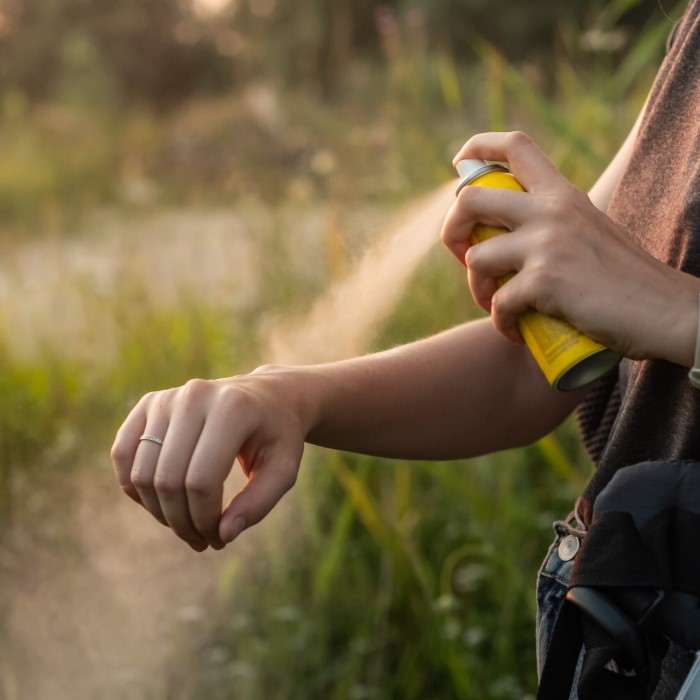
Moreover, the geographical spread of ticks has expanded. You now find them in areas previously considered safe. This makes repellent usage a non-negotiable part of outdoor hygiene. You cannot rely solely on luck or checking for ticks after the hike. Prevention must start before you even step onto the trailhead. This comprehensive guide will explore the most effective options available today. We will examine chemical-based solutions and natural alternatives. We will also discuss how to apply them correctly for maximum efficacy. By staying informed, you can enjoy the wilderness without the constant worry of tick-borne illnesses. Your health and safety are paramount. Therefore, let us delve into the world of tick defense. We will ensure you are well-equipped for your next journey into the wild.
Understanding the Science of Tick Defense
To choose the right product, you must first understand how repellents function. Ticks locate their hosts through a process called questing. They sense body heat, carbon dioxide, and ammonia. Consequently, a good repellent interferes with these sensors. It effectively makes you invisible to the tick. The tick cannot detect your presence. Therefore, it does not attach to you. This is the primary mechanism for most chemical repellents. They do not kill the tick immediately. Instead, they create a protective barrier around you. This barrier discourages the tick from climbing onto your skin or clothing.
Furthermore, the duration of this effect depends on the active ingredient. Some chemicals evaporate quickly from the skin. Others bind to the skin or fabric for longer periods. For example, sweat and water can wash away certain formulations. This reduces their effectiveness over time. Therefore, hikers must consider the conditions of their trek. High humidity or heavy rain might necessitate a water-resistant formula. Additionally, the concentration of the active ingredient plays a vital role. A higher percentage does not necessarily mean better protection. It usually means the protection lasts longer. For instance, a product with 25% DEET might last 8 hours. Conversely, a product with 100% DEET might last 12 hours but could irritate the skin. Understanding these nuances helps you make an educated decision. You want a product that fits your specific hiking duration and intensity. Science guides us to the most efficient use of these powerful tools.
DEET: The Gold Standard for Repellents
DEET has been the industry standard for decades. It was developed by the US Army in 1946. Consequently, it has a long history of safety and efficacy. Most experts agree that DEET is highly effective against ticks. It works by confusing the tick’s sensors. The tick cannot smell you. Therefore, it ignores you. For hikers looking for a reliable solution, DEET is a strong contender. You can find it in various concentrations. These typically range from 5% to 100%. The American Academy of Pediatrics suggests using a maximum of 30% DEET on children. This indicates its relative safety when used correctly.
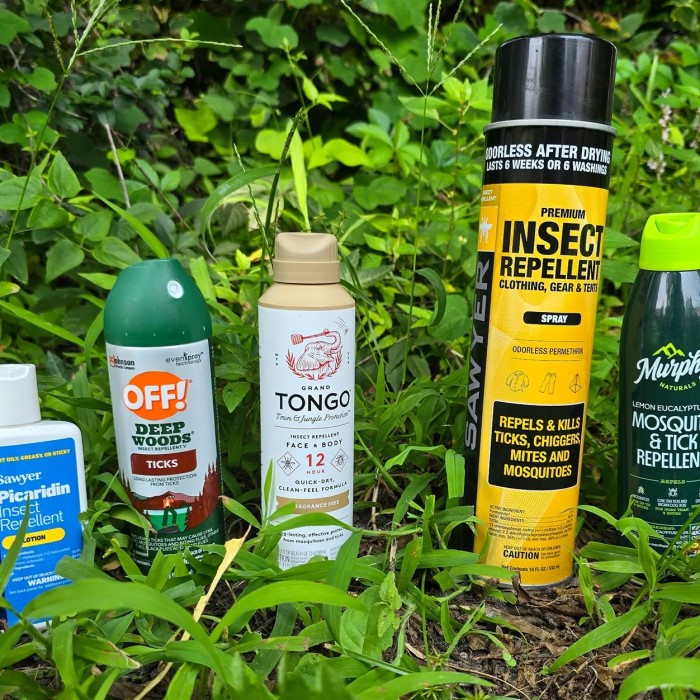
However, DEET does have some downsides. It has a strong chemical smell. Many hikers find this unpleasant. Furthermore, DEET can damage certain synthetic fabrics. It can melt plastics, rayon, and leather. You must be careful when applying it to your gear. Therefore, many hikers apply DEET only to their skin and use a different product for their clothes. It also feels greasy on the skin. Some users experience skin irritation with high concentrations. Despite these drawbacks, DEET remains a top choice for deep woods hiking. It provides broad-spectrum protection against ticks, mosquitoes, and other biting insects. If you choose DEET, look for a controlled-release formula. These lotions reduce the greasy feel. They also decrease the absorption rate into the skin. This makes your hiking experience much more comfortable. It is a robust defense against the toughest tick infestations.
Picaridin: A Gentle Yet Powerful Alternative
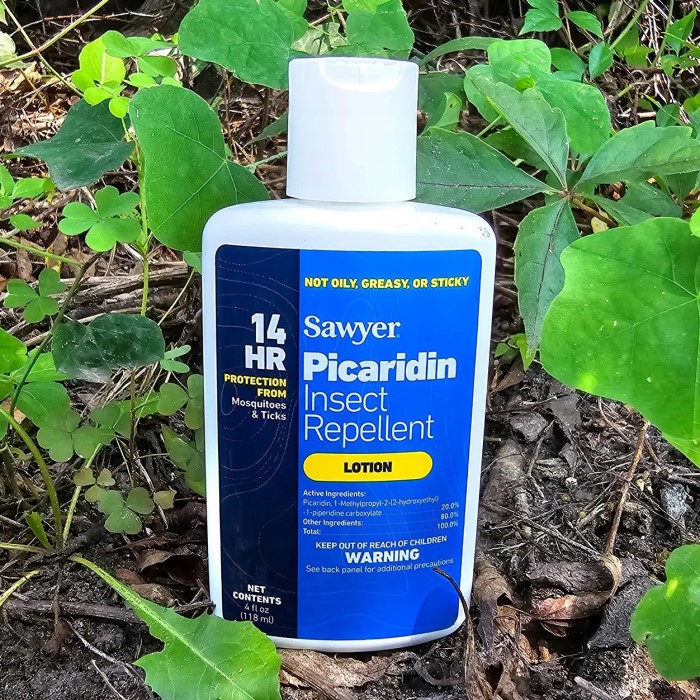
Picaridin has gained immense popularity as an alternative to DEET. It was developed in the 1980s. However, it only became available in the US in 2005. Since then, many hikers have switched to this synthetic compound. It offers comparable protection to DEET. However, it lacks many of the negative side effects. For instance, Picaridin is odorless. It does not have that harsh chemical smell. Consequently, it is much more pleasant to wear. It is also non-greasy. This makes it feel like a regular skin lotion. You do not feel sticky after applying it.
Moreover, Picaridin is safe for gear. It will not damage your expensive hiking clothes or trekking poles. It is plasticsafe. This is a massive advantage for hikers who wear technical synthetic fabrics. Additionally, it is safe for use on young children. This makes it the preferred choice for family hiking trips. In terms of efficacy, Picaridin is excellent. Studies show it repels ticks just as well as DEET. It provides long-lasting protection, often up to 12 hours. Therefore, you do not need to reapply it frequently. If you have sensitive skin, Picaridin is often better tolerated. It causes less irritation than DEET. For the 2026 hiking season, Picaridin continues to be a top recommendation. It balances safety, comfort, and effectiveness perfectly. Many hikers now consider it the superior choice for everyday trail protection.
Permethrin: The Ultimate Clothing Treatment
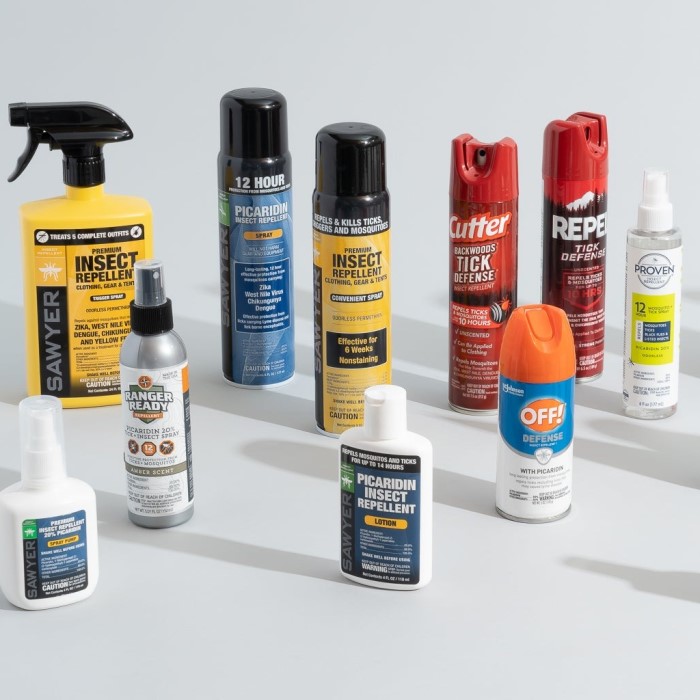
What is the best tick repellent for humans? While skin repellents are vital, treating your clothing offers an extra layer of security. Permethrin is a unique insecticide. You do not apply it to your skin. Instead, you spray it on your clothes, boots, and gear. It bonds to the fabric fibers. When a tick touches the treated fabric, it dies. This is different from a repellent. A repellent keeps ticks away. Permethrin kills them. Consequently, it provides a powerful shield. It is incredibly effective for preventing tick bites. You can treat your own clothes at home. Alternatively, you can buy pre-treated clothing from outdoor retailers.
Furthermore, Permethrin is very convenient. Once treated, your clothes remain effective for multiple washes. Some factory treatments last for the life of the garment, up to 70 washes. Therefore, you do not have to worry about reapplying it every few hours. You simply put on your clothes and go. It is an excellent passive defense. However, you must be careful during the application process. You should treat your clothes outdoors or in a well-ventilated area. Let them dry completely before wearing them. Permethrin is toxic to cats and aquatic life. Therefore, keep it away from your pets and water sources. Once it dries on the fabric, it is safe for humans. Using Permethrin on clothing combined with a skin repellent is the ultimate strategy. This two-pronged approach ensures maximum protection. It is highly recommended for areas with high tick density.
Natural and Plant-Based Repellent Options
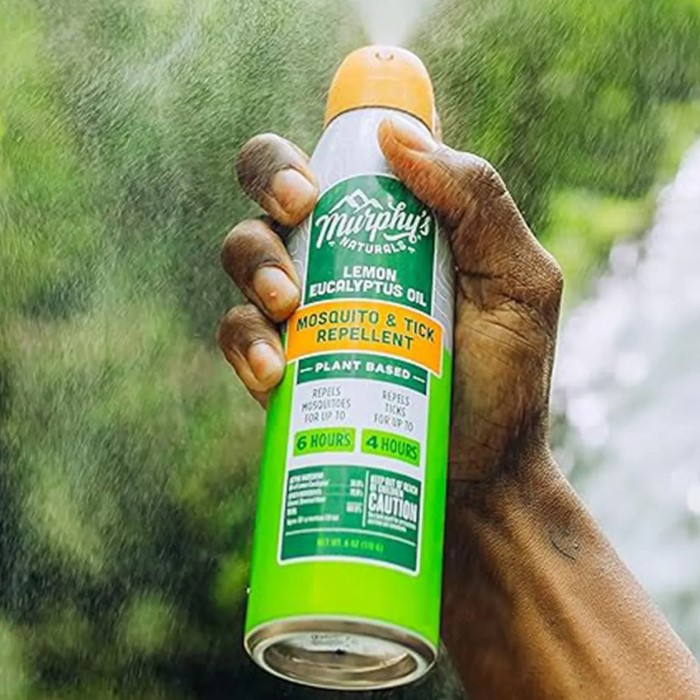
What is the best tick repellent for humans? Some hikers prefer to avoid synthetic chemicals. They seek natural alternatives. The most effective natural ingredient is Oil of Lemon Eucalyptus (OLE). This is not the same as lemon eucalyptus essential oil. OLE is a synthesized, refined version. The CDC recognizes it as an effective tick repellent. It provides protection comparable to lower concentrations of DEET. Consequently, it is a viable option for those who want a plant-based solution. It has a strong, distinctive scent. Some people enjoy the herbal smell. Others find it overpowering. However, it is generally safe for skin application.
Additionally, other essential oils show some promise. Geraniol, cedarwood, and peppermint oil can repel ticks. However, they are often less effective than synthetic options. They also evaporate much faster. Therefore, you must reapply them very frequently. This can be inconvenient on a long hike. If you choose a natural repellent, check the label carefully. Look for the EPA registration number. This ensures the product has been tested for safety and efficacy. Be wary of “homemade” bug sprays. They might not offer adequate protection against disease-carrying ticks. For light trails or short walks, natural repellents work well. For deep backcountry travel, most experts recommend synthetic options. They simply provide more reliable security against tick-borne illnesses.
Best Practices for Applying Tick Repellent
What is the best tick repellent for humans? Applying your chosen repellent correctly is just as important as choosing the right one. Many people make mistakes during application. This reduces the product’s effectiveness. First, always read the label instructions. Do not guess the dosage. Apply the product evenly to exposed skin. Do not spray it directly onto your face. Instead, spray it onto your hands first. Then, carefully rub it onto your face and neck. Avoid your eyes and mouth. Furthermore, do not forget hidden areas. Ticks often crawl up legs and find protected spots. Apply repellent around your ankles, knees, and waistband. These are common entry points.
Moreover, timing matters. Apply the repellent before you start your hike. This gives it time to dry or bond with your skin. If you are using Permethrin, apply it days in advance. Never apply repellents over cuts, wounds, or irritated skin. This can cause increased absorption into your body. Once you return from your hike, wash the treated skin with soap and water. This removes any residue. Also, wash your treated clothing separately. Following these steps ensures you get the maximum benefit from the product. It also minimizes any potential risks associated with chemical exposure. Proper application is a skill. Mastering it will keep you safer on the trails. It is a simple habit that saves lives.
Integrated Tick Management and Prevention
What is the best tick repellent for humans? Repellents are only one part of a comprehensive defense strategy. You should integrate other tactics to minimize your risk. This is known as integrated tick management. Start with your clothing choice. Wear light-colored clothing. This makes it easier to spot ticks crawling on you. Also, wear long sleeves and long pants. Tuck your pants into your socks. This creates a physical barrier. Ticks must crawl up the outside of your clothes. This gives your Permethrin-treated fabric time to work. Consequently, they are less likely to reach your skin.
Furthermore, perform regular tick checks during your hike. Stop every few hours to inspect your clothes and skin. Ticks often take hours to attach. Therefore, finding them early is crucial. When you get home, do a full-body check. Use a mirror to see hard-to-reach places. Pay special attention to the scalp, armpits, and groin. You should also shower immediately. This can wash away unattached ticks. Finally, put your clothes in the dryer on high heat for ten minutes. The heat kills any remaining ticks. By combining these physical barriers with chemical repellents, you create a fortress against ticks. This holistic approach is the best way to prevent Lyme disease and other infections. It gives you peace of mind while enjoying nature.
Frequently Asked Questions
What can I put on my skin to keep ticks off?
You can use products containing DEET, Picaridin, or Oil of Lemon Eucalyptus. DEET is highly effective and long-lasting. Picaridin is a great alternative that does not damage gear. Oil of Lemon Eucalyptus is a natural option recognized by the CDC. Always follow the product instructions for the best results.
What do ticks hate the most to humans?
Ticks hate specific chemical scents that disrupt their senses. DEET and Picaridin confuse their sensory organs. They also dislike the scent of lemon eucalyptus. Furthermore, they struggle to navigate smooth, synthetic fabrics treated with Permethrin. This chemical kills them upon contact.
Why shouldn’t you throw ticks in the toilet?
You should not flush ticks because they can survive in water for a long time. They may crawl back out of the bowl. Instead, you should dispose of a tick by placing it in alcohol, sealing it in a bag, or wrapping it tightly in tape. This ensures the tick is dead and cannot spread disease.
Do tick repellents really work?
Yes, tick repellents are scientifically proven to work. They reduce the likelihood of tick attachment significantly. Products registered with the EPA undergo rigorous testing. When applied correctly, they create a chemical barrier that ticks avoid. They are a critical tool for preventing tick-borne diseases.
Conclusion
In conclusion, exploring the great outdoors in 2026 requires preparation and the right gear. Determining what is the best tick repellent for humans is a personal choice. It depends on your skin sensitivity, your gear, and the intensity of your hike. Whether you choose the proven power of DEET, the gentle effectiveness of Picaridin, or the lethal barrier of Permethrin, the goal remains the same. You want to prevent tick bites. Remember to combine chemical repellents with smart clothing choices and regular tick checks. This multi-layered strategy offers the highest level of protection. Do not let the fear of ticks keep you indoors. Instead, arm yourself with knowledge and the best repellents available. Enjoy your hike with confidence.