Understanding the Temperament of the Giant of the North
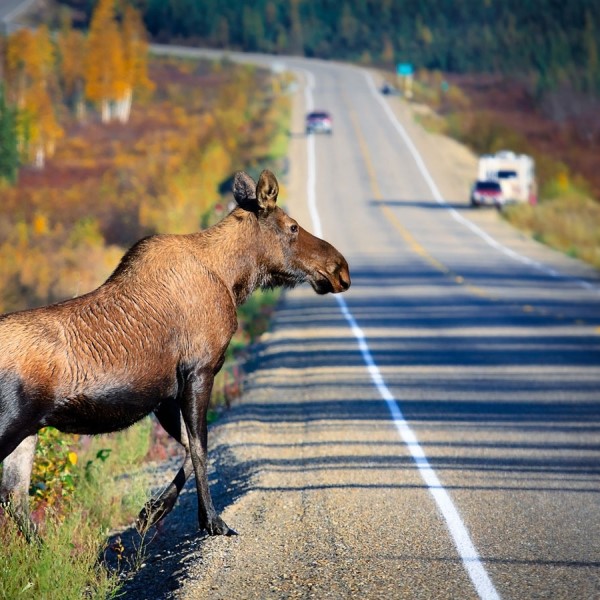
Moose are the largest members of the deer family. They are iconic symbols of the northern wilderness. Many people mistakenly view them as gentle, slow-moving giants similar to cows. This misconception can lead to dangerous situations in the wild. Consequently, understanding their true nature is critical for anyone venturing into their habitat. The question are moose dangerous is one that every hiker and camper must ask. The answer is a resounding yes. While they are not predators, they are wild animals with unpredictable behaviors. Their sheer size makes them a significant threat. A bull moose can weigh over 1,500 pounds and stand six feet tall at the shoulder. Therefore, an encounter can turn deadly in seconds if proper respect is not maintained.
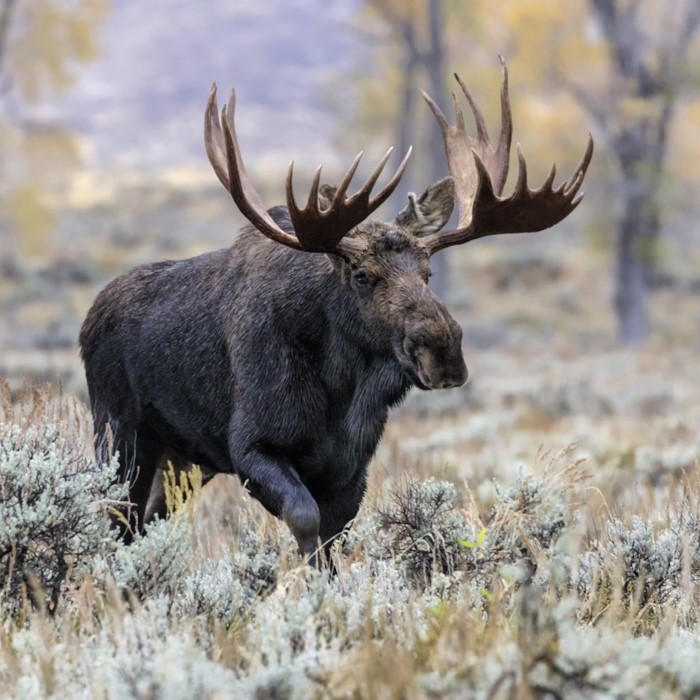
Furthermore, moose are generally solitary animals. Unlike wolves or elk, they do not move in large herds for protection. This solitary nature means they rely on aggression for self-defense. They do not have a pack to back them up. Consequently, they are always on high alert. During certain times of the year, their temperament changes drastically. The mating season, known as the rut, turns docile bulls into aggressive warriors. Similarly, cows protecting their calves are fiercely defensive. They will attack anything they perceive as a threat. Therefore, assuming a moose is calm is a gamble with your life. They are powerful, fast, and surprisingly agile. Understanding this baseline temperament is the first step in staying safe. We must respect their space and recognize their power. This guide aims to provide the knowledge necessary to coexist safely with these magnificent but dangerous creatures.
The Physical Threat: Why Size Matters
To understand the danger, one must look at the moose’s physical capabilities. These animals are built for survival in harsh environments. Their size is their primary weapon. An adult moose can weigh as much as a small car. Therefore, a charging moose carries immense momentum. If a moose charges and strikes a human, the impact is devastating. It can easily break bones and cause severe internal injuries. Unlike deer, which might bound away, a moose will stand its ground. They are not easily spooked by human presence. This confidence stems from their place in the food chain. Adult moose have very few natural predators. Only wolves and bears dare to challenge them. Consequently, they view humans as annoying pests rather than apex predators.
Moreover, their methods of attack are varied and lethal. Many people fear the antlers of a bull moose. While sharp and dangerous, the antlers are not the primary weapon. Moose prefer to use their sharp, heavy hooves. They can deliver a powerful kick in any direction. A front kick can crush a skull or break a spine. Additionally, they can rear up on their hind legs. This allows them to stomp down with both front hooves. This stomping action is often fatal to wolves. It is certainly fatal to humans.
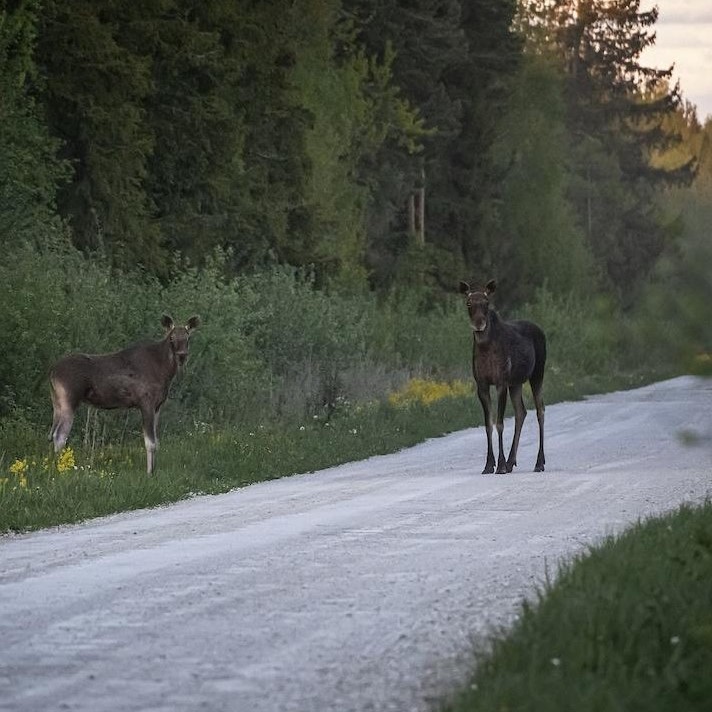
Their thick hide and dense muscle mass also protect them from injury. This makes them incredibly durable during a fight. Therefore, fighting back against a moose is rarely an option. You cannot physically overpower a 1,500-pound beast. The physical threat is real and substantial. It demands a proactive approach to safety rather than a reactive one. Speed and brute force are on their side.
Breeding Season and Calving: Times of High Risk
The behavior of a moose is heavily influenced by the seasons. There are specific times of the year when the answer to “are moose dangerous” becomes an emphatic yes. The first high-risk period is the mating season, or the rut. This occurs in the autumn, typically from late September to October. During this time, bull moose are fueled by a surge of testosterone. Their primary goal is to find a mate. Consequently, they become extremely aggressive toward anything that moves. They perceive other animals, and sometimes even vehicles, as rivals. They will charge without provocation. The usually solitary bulls become restless and irritable. Therefore, hikers must be extra cautious during the fall.
Furthermore, the spring calving season presents a different but equally dangerous risk. This happens in May and June. During this time, cow moose are raising their vulnerable calves. A mother moose will guard her offspring with lethal intensity. If a hiker accidentally gets between a cow and her calf, the situation can turn critical instantly. The cow will not hesitate to charge. She perceives any approach as a direct threat to her baby. Unlike bulls, which might bluff charge, cows often commit fully to the attack.
They will trample the perceived threat until they feel the danger is gone. Consequently, stumbling upon a calf is one of the most dangerous scenarios in the wilderness. You should always be on the lookout for calves in the spring. If you see a small moose, assume the mother is nearby. Retreat immediately and quietly. These hormonal shifts change the rules of engagement. Awareness of the season is a vital survival skill.
Recognizing the Warning Signs of Aggression
Are moose dangerous? Moose usually provide warning signals before they attack. Recognizing these signs can save your life. Therefore, you must pay close attention to the animal’s body language. The most obvious sign is the position of the ears. A calm moose will have its ears forward or relaxed. However, an aggressive moose will lay its ears back flat against its head. This is similar to an angry dog. If you see this, you are in immediate danger. Furthermore, the hair on the moose’s hackles, the area between the shoulders, will stand up. This is a physiological response to adrenaline. It signals that the animal is preparing for a fight or flight response. In this case, it is usually fight.
Another key behavior to watch for is lip licking and yawning. While yawning might seem like a sign of boredom, in the animal kingdom, it often signifies stress. A moose that is licking its lips repeatedly is stressed and agitated. Additionally, watch the animal’s movement. A moose that stops feeding and stares directly at you is assessing you as a threat. If it starts walking towards you, the threat level has escalated. Some moose will also urinate on their legs during the rut. While this is part of the mating behavior, it indicates high hormonal activity. This means the bull is on edge. Consequently, you should increase your distance immediately. Never assume that a moose standing still is ignoring you. They are calculating their next move. If you observe any of these signs, you must prepare to retreat. Do not wait for the charge to begin. Reaction time is critical.
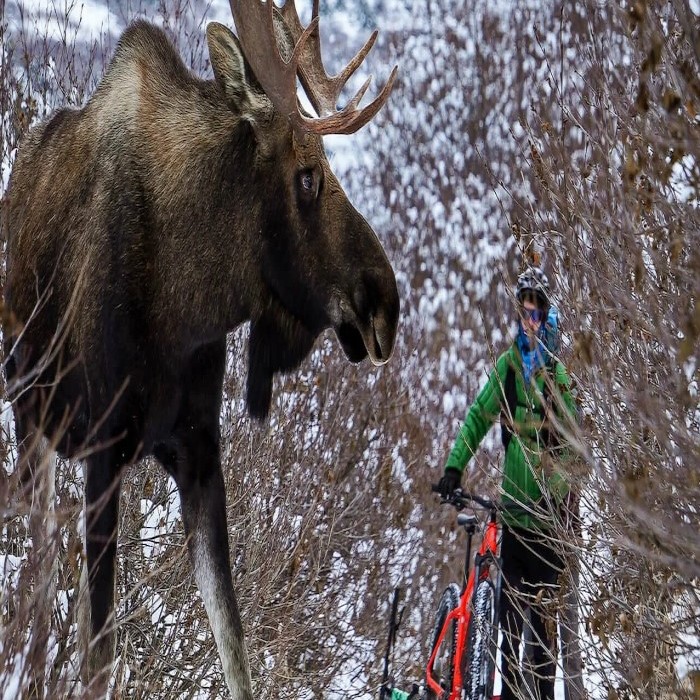
What to Do During a Moose Charge
Are moose dangerous? Even with the best precautions, a charge can happen. Knowing how to react in those few seconds is crucial. If a moose charges, your primary goal is to get behind a solid barrier. Run immediately. Unlike bears, you should run from a moose. They are fast, but they rarely chase for long distances. They usually want to neutralize the immediate threat. Therefore, speed and direction are your allies. Look for a large tree, a boulder, or a vehicle. A moose cannot maneuver quickly around a tree. You can use the tree to keep the moose on the other side. This “treeing” strategy is highly effective. Keep the obstacle between you and the animal. The moose will likely give up once it realizes it cannot reach you easily.
However, you might not have time to reach a barrier. If the moose knocks you down, do not try to get up immediately. Curl into a tight ball. Protect your head and neck with your arms. Your backpack can provide additional protection for your spine. Stay still. Play dead. The moose is trying to eliminate a threat. If you are not moving, it may lose interest. Do not shout or wave your arms. This will only intensify the attack. Wait until the moose has moved a safe distance away before you stand up. They often stand their ground after an attack.
Consequently, you must verify your escape route is clear. If you are hiking with a dog, keep the dog under control. A dog can provoke a moose and then lead the charging animal back to you. This is a common cause of moose attacks on hikers. Therefore, leash your pets in moose country. Preparation and reaction speed determine the outcome.
Safe Hiking Practices in Moose Country
Are moose dangerous? Prevention is always better than reaction. There are several habits hikers can adopt to minimize risk. First, always maintain awareness of your surroundings. Do not wear headphones on both ears. You need to hear the sounds of the forest. The sound of heavy footsteps or breaking branches can alert you to a moose nearby. Furthermore, keep your eyes open for signs of moose activity. Look for tracks, droppings, and browse lines on trees. These signs indicate you are in an active area. Travel in groups. A group of hikers is much noisier and more visible than a solo hiker. This gives moose plenty of warning to move away. Consequently, surprise encounters are less likely.
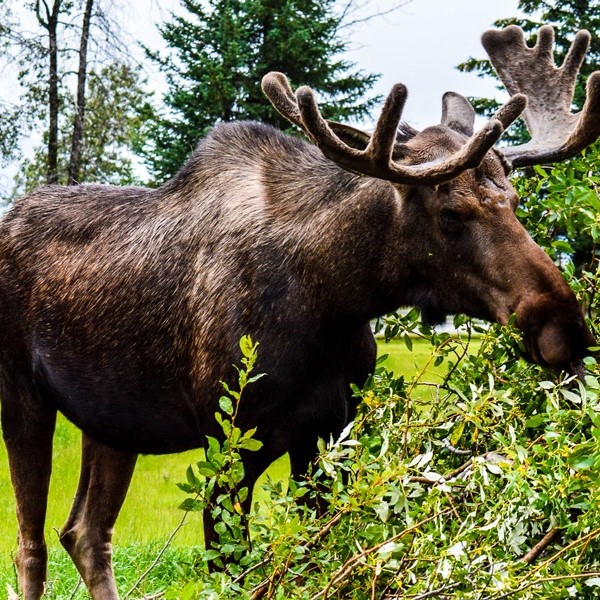
Additionally, be extra cautious near water sources. Moose are excellent swimmers and often feed on aquatic plants. They frequent lakes, ponds, and streams. Therefore, approach water sources with care. Avoid heavy brush where visibility is low. A moose could be bedded down just a few feet away and you wouldn’t know it. If you are camping, set your tent away from game trails. Animals use these trails to move between feeding and watering spots.
Cooking smells can also attract them, though they are not interested in your food like a bear. They are curious. Store your gear properly. Never approach a moose for a photo. Use a telephoto lens instead. The “safe distance” rule is at least 75 to 100 feet, or about three bus lengths. If the moose changes its behavior because of you, you are too close. Back away slowly. These simple practices ensure that you see the moose without becoming a statistic.
The Ecological Role of Aggression
It is important to frame moose aggression within the context of ecology. They are not “mean” animals. They are survivors. Their aggression is a necessary evolutionary trait. In the wild, a moose is constantly battling for survival. They must survive harsh winters with deep snow. They must find enough food to sustain their massive bodies. Furthermore, they must defend themselves against predators like wolves and bears. A passive moose would not survive long in the northern forests. Therefore, their aggressive response to perceived threats is a survival mechanism. When a moose charges a hiker, it is acting on instinct. It believes it is fighting for its life or the life of its young.
Understanding this helps us respect the animal. We are visitors in their home. The wilderness is not a petting zoo. It is a complex ecosystem where every creature has a role. The moose’s role is that of a large herbivore that shapes the vegetation. They provide food for predators and scavengers. Their aggression ensures that they can exist without being constantly harassed by predators. Consequently, when we ask are moose dangerous, we are really asking about our own place in their environment. We must adjust our behavior to fit their world. We cannot expect them to adjust to ours. This shift in perspective leads to safer and more respectful encounters. It allows us to appreciate these animals for what they are: powerful, wild, and untamed. This respect is the foundation of outdoor safety.
Frequently Asked Questions
What to do if a moose stares at you?
If a moose stares at you, it has noticed you and may be assessing you as a threat. You should stop immediately and assess the situation. Do not approach the animal. Slowly begin to back away while keeping your eyes on the moose. Look for a large tree or barrier to put between you and the animal. If the moose lowers its head or lays its ears back, it is agitated. Continue retreating until the moose breaks eye contact or moves away.
Do moose attack more than bears?
Yes, statistically, moose attack humans more often than bears in many regions like Alaska. This is because moose are more numerous and live in closer proximity to human settlements. They are also less feared by people, leading to careless behavior. While bear attacks are often predatory or defensive, moose attacks are almost exclusively defensive. They attack when they feel cornered or when their calves are threatened. Therefore, hikers should treat moose with the same caution as bears.
Could a grizzly bear kill a moose?
Yes, a grizzly bear is one of the few predators capable of killing an adult moose. Grizzlies are incredibly powerful and often hunt moose calves in the spring. They can also kill adult moose, though it is a dangerous and difficult fight. The bear usually attacks from behind or tries to break the moose’s neck. However, an adult moose is a formidable opponent and can seriously injure or kill a bear with its hooves.
Conclusion
In summary, the wilderness offers incredible experiences, but it demands respect. As we have explored, the answer to are moose dangerous is clear. They are powerful, unpredictable, and potentially lethal wild animals. Their size and temperament make them a serious threat to hikers and campers who are unprepared. However, with the right knowledge, these encounters can be managed safely. By recognizing warning signs, understanding seasonal behaviors, and keeping a respectful distance, you can protect yourself. Always carry bear spray as a deterrent, maintain awareness, and never approach these giants. Enjoy the beauty of the wild, but remember that safety begins with you. Stay alert, stay safe, and respect the wildlife that calls these forests home.