Many people suffer from foot discomfort daily. They buy new shoes hoping for a solution. However, the problem often persists. The issue is usually not the shoe itself. Instead, the problem lies in how the shoe is tied. Most people use the standard “bunny ears” method. This basic knot often fails to secure the foot properly. Consequently, the heel slips up and down inside the shoe. This motion causes friction. Friction leads to painful blisters and calluses. It can also cause black toenails. You might feel like your shoes are too big. You might think your feet are simply the wrong shape. Fortunately, there is a simple solution. You need to learn how to heel lock shoes.
This technique is also known as the runner’s knot. It creates a secure hold around the ankle. This hold keeps the heel firmly in place. Therefore, the foot does not slide forward. You gain stability and comfort instantly. This method works for runners, hikers, and casual walkers. It transforms a loose shoe into a perfect fit. This article will guide you through the process. We will explain the benefits. We will show you the steps. You will wonder why you never learned this in school.
The Anatomy of a Running Shoe
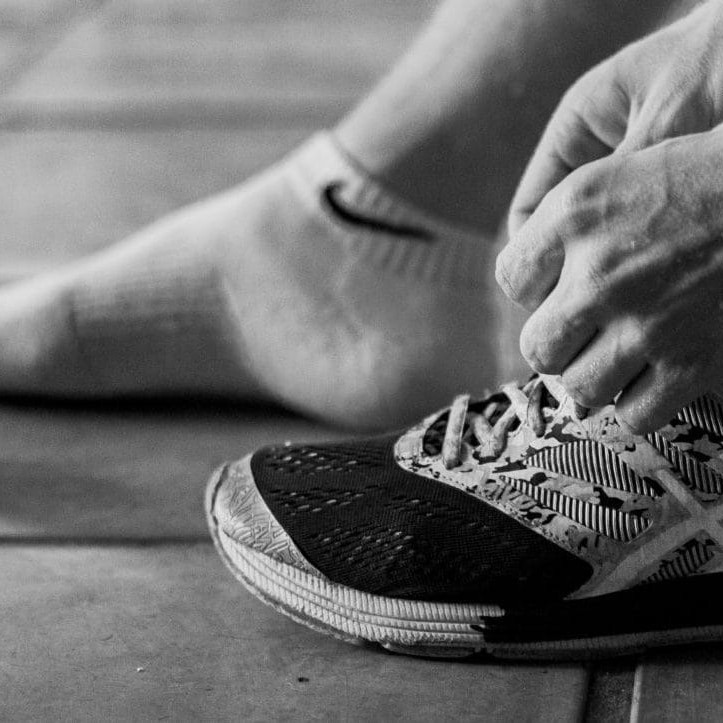
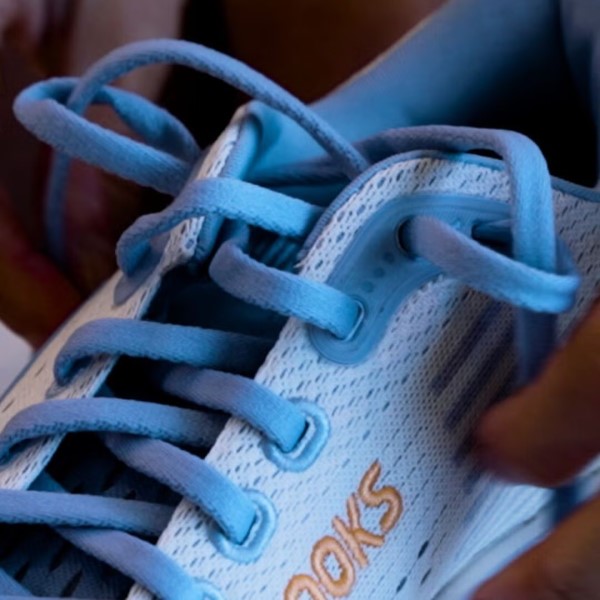
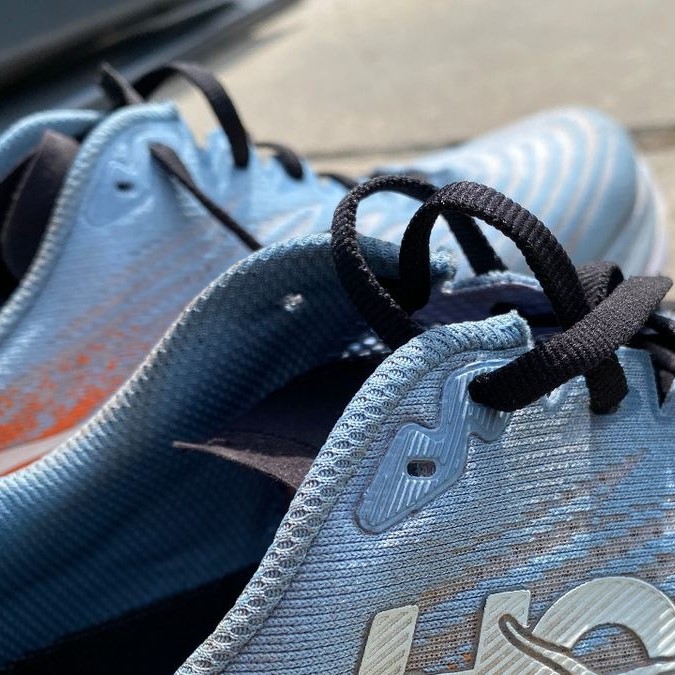
To understand the heel lock, you must understand the shoe. A shoe has several key parts. The part that covers the top of the foot is the upper. The bottom is the sole. The part that wraps around the heel is the counter. The eyelets are the holes for the laces. Most shoes have a standard set of eyelets. They are usually in pairs. However, many athletic shoes have an extra set of holes. These holes are often missed. They sit at the very top of the shoe. They are positioned slightly back towards the ankle. These are the “lock” eyelets. They are specifically designed for the heel lock technique. Furthermore, the inside of the heel counter contains a stiff material. This material keeps the heel stable. It prevents the shoe from collapsing.
However, if the foot is not tight against this counter, stability is lost. The laces are the bridge between the upper and the foot. They pull the upper down. They secure the foot in place. Consequently, using the laces correctly is vital. The anatomy of the foot also plays a role. The foot expands when weight is applied. It also expands during the heat of the day. A standard knot does not account for this expansion. The heel lock creates a “cup” for the heel. It uses the extra eyelets to tighten the throat of the shoe. This holds the foot back. It prevents the expansion from causing slippage. Therefore, the shoe works with the foot, not against it. Understanding this anatomy helps you visualize why the technique works. It is not just a trick. It is a functional use of the shoe’s design.
Common Problems Caused by Heel Slippage
Heel slippage is more than just an annoyance. It causes real physical damage. The most common issue is blistering. When the heel rubs against the shoe counter, friction occurs. The skin generates heat. This heat damages the skin layers. A fluid-filled pocket forms. This is a blister. Blisters are painful. They can pop and become infected. Consequently, they stop you from walking or running. Another problem is black toenail. This happens when the foot slides forward in the shoe. The toes hit the front of the toe box. The repetitive trauma causes bleeding under the nail. It looks unsightly. It is also very painful. In severe cases, the nail can fall off. Moreover, slippage affects your gait. Your walking pattern changes. You might try to grip the shoe with your toes.
This leads to muscle fatigue and cramping. It creates tension in the arch. This tension can cause plantar fasciitis. Therefore, a loose shoe creates a chain reaction of problems. Your posture suffers. Your knees and hips take extra impact. The body tries to compensate for the unstable base. This leads to joint pain. You might think your shoes are broken. You might spend money on new pairs. However, the problem is simply the fit. The heel lock solves these issues. It eliminates the movement that causes the friction. It keeps the foot seated properly. As a result, your feet stay healthy. You avoid the pain and the injury downtime.
Preparing Your Shoes for the Technique
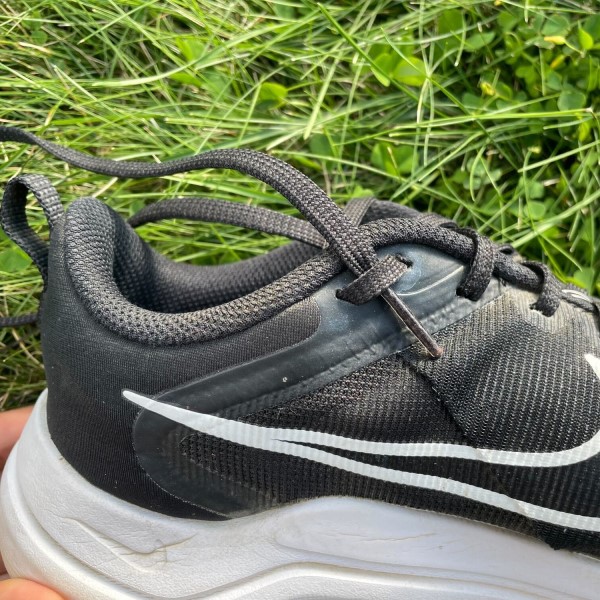
Before you attempt the heel lock, check your shoes. You need to ensure the shoe fits correctly in length. The heel lock cannot fix a shoe that is three sizes too big. It is designed for fine-tuning. First, remove the old laces. Lay them out flat. Check the eyelets on your shoes. Are they intact? Sometimes eyelets can tear. A torn eyelet will not hold the lace securely. If an eyelet is broken, consider repairing it or using a different shoe. Next, look for the extra eyelets. As mentioned earlier, they are at the very top. Many people skip these holes. They might think they are just for decoration. However, these are the key to the lock. If your shoes do not have extra eyelets, you can still try a variation. You can use the top standard eyelets.
However, the specific lock eyelets work best. Furthermore, choose the right laces. Elastic laces are popular for triathletes. However, they do not hold a knot as well as standard laces. For the heel lock, a sturdy, non-elastic lace is best. It should be long enough. The extra knot requires more length. If your laces are too short, you cannot tie the lock. You might need to buy longer laces. Sports stores sell specific “runner’s laces”. They are often flat. They stay tied better than round laces. Finally, loosen the laces completely before putting your foot in. Do not force your foot into a tight shoe. This crushes the heel counter. Slide your foot in. Tap your heel on the ground. This seats the heel properly. Now, you are ready to lace.
Step-by-Step Guide: How to Heel Lock Shoes
How to heel lock shoes? The process is simple but requires attention. Follow these steps carefully. First, lace your shoes normally. Start at the bottom eyelets. Crisscross the laces up the foot. Stop when you reach the second-to-last set of eyelets. Do not cross the laces over the tongue yet. You now have two free ends of the shoelace. Each side has a specific path. Take the right lace. Insert it into the top eyelet on the right side. Do not cross it over to the left. Push it straight down into the hole. Pull it through to create a small loop. This loop should be on the outside of the shoe. Ensure the loop is large enough to fit a finger through. Repeat this on the left side. Take the left lace. Insert it into the top left eyelet. Create a similar loop on the outside.
Now, you have two loops on the sides. There should also be two loose lace ends. The next step is crucial. Cross the loose ends over the tongue. Take the right loose end. Pass it through the left loop. Take the left loose end. Pass it through the right loop. This creates an “X” shape through the loops. Now, pull the laces tight. The loops will collapse. They will pull the sides of the shoe down and back. This action cinches the shoe tightly around your ankle. It locks the heel into the heel counter. Finally, tie your standard bow knot. The knot is now more secure. It sits flatter against the foot. You have successfully created a heel lock. This method uses the leverage of the lace to create extra tension. It is a mechanical advantage. The foot is held firmly in place.
Troubleshooting Common Mistakes
How to heel lock shoes? Many people try the heel lock and fail. This is usually due to small errors. One common mistake is tying the loops too small. If the loop is tiny, you cannot thread the other lace through it. You struggle to pull it tight. Therefore, make sure the initial loops are visible. They should be about an inch wide. Another mistake is crossing the lace before making the loop. Some people go from the left eyelet to the right loop. This is incorrect. The lace must go straight up on its own side. Then you cross it over. Furthermore, check the tightness. Some people do not pull hard enough on the final step. The lock requires a firm tug to engage. If you leave it loose, the benefit is lost. However, do not pull so hard that you cut off circulation.
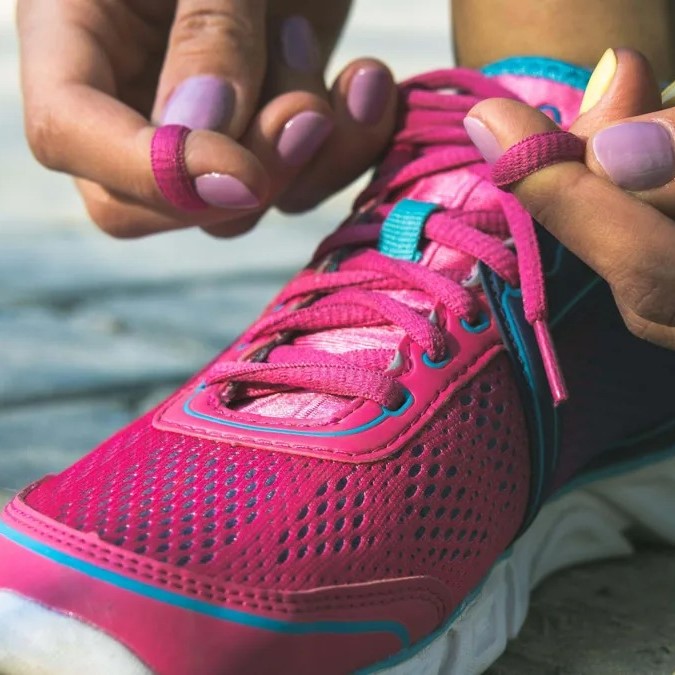
The fit should be snug but comfortable. Additionally, some people find the knot uncomfortable on the top of the foot. This happens if the tongue is too thin. You can adjust the tongue. Slide it to the side slightly. Or, you can buy a shoe with a thicker, padded tongue. Another issue is the lace length. If the laces are too short after the lock, you cannot tie the bow. In this case, double knot the loops. Or, buy longer laces. Sometimes, the laces come undone. This happens if the material is slippery. Waxing your laces can help. Or, simply double knot the final bow. Practice makes perfect. Try the technique at home before a run. It might feel strange at first. But soon, it will become second nature.
Variations for Different Foot Types
How to heel lock shoes? Not all feet are the same. Not all shoes are the same. Therefore, there are variations of the heel lock. One popular variation is the “Loop Lock”. This is very similar to the standard runner’s knot. However, instead of passing the lace tip through the loop, you wrap it around. This creates an even tighter hold. It is good for people with very narrow heels. Another variation is for shoes without the extra eyelets. If your shoe ends at the lock point, you can still do it. You simply use the last available hole. The angle is slightly different. But the effect is similar. Furthermore, some people suffer from pain on the top of the foot. This is often caused by tight laces across the arch. For these people, a “window lacing” technique helps.
You skip a set of eyelets in the middle. This creates a gap for the sensitive tendon. Then, you perform the heel lock at the top. This combines comfort with security. Additionally, wide feet need a different approach. You might need to use a straight bar lacing method on the bottom. This reduces the pressure on the sides of the foot. Then, finish with the heel lock at the top. The heel lock is versatile. You can combine it with other lacing patterns. Do not feel restricted to one method. Experiment with your laces. Find the combination that works for your anatomy. The goal is a custom fit. Your shoes should feel like an extension of your foot.
Benefits Beyond Blister Prevention
The primary reason people use this technique is to stop blisters. However, the benefits extend much further. Stability is a major advantage. When your heel is locked, your entire foot is more stable. This reduces the movement of the foot inside the shoe. Consequently, your ankle is more stable. This lowers the risk of ankle sprains. It is especially important on uneven terrain. Trail runners benefit greatly from this. Hikers also gain security on rocky paths. Moreover, the technique improves energy transfer. When you push off the ground, you want all your energy to go forward. If your shoe is loose, energy is wasted. The shoe deforms. The foot slides. With a heel lock, the shoe becomes rigid. It responds instantly to your movement.
This makes your stride more efficient. You might run faster or farther. Furthermore, the lifespan of the shoe can increase. When a shoe slips, the inner lining wears out quickly. The heel counter breaks down from the friction. By stopping the slip, you reduce this wear. The inside of the shoe stays intact longer. Additionally, your toenails will thank you. As mentioned, black toenails are caused by sliding forward. The heel lock pulls the foot back. This keeps the toes away from the front of the shoe. You avoid the jamming sensation on downhills. Therefore, the heel lock is a performance tool. It is not just a comfort fix. It allows you to push harder with confidence.
Transitioning to Pain-Free Walking
Adopting this new method requires a shift in mindset. You must be consistent. Do not just do it for long runs. Do it for every walk. It takes a few extra seconds to tie. However, those seconds save you hours of pain. Initially, the sensation might feel different. You are used to a loose fit. The locked fit feels tighter around the ankle. It feels more constricting. Do not panic. This constriction is secure, not painful. You will get used to it quickly. Soon, a standard tie will feel sloppy. You will wonder how you ever walked without the lock.
Pay attention to your feet. Notice the lack of movement. Notice the lack of friction. When you walk downhill, notice how your toes do not hit the front. This is the sign of success. Furthermore, teach your friends and family. This is a secret that should be shared. Many people suffer in silence. They think foot pain is normal. It is not. Foot pain is often a sign of poor fit. By teaching them how to heel lock shoes, you improve their lives. You help them enjoy walking again. The technique is free. It requires no special equipment. It is purely knowledge. Knowledge is power. Use this power to take control of your foot health. Your feet carry you everywhere. They deserve the best support possible. Treat them well. Lock your laces. Enjoy the journey.
Frequently Asked Questions
Is heel lock lacing necessary?
It is not strictly necessary for everyone. However, it is highly recommended for runners and hikers. It is also essential for anyone who experiences heel slippage or blisters. If your shoes feel loose, you need this technique.
What is the most secure shoe lacing method?
The heel lock, or runner’s knot, is widely considered the most secure method for the heel. It provides the best lockdown for the ankle. It prevents the heel from lifting. This makes it superior to standard crisscross lacing for stability.
How to use twist lock shoes?
Twist lock laces use a dial or a toggle system. To use them, simply thread the laces through the device. Turn the dial to tighten the laces. Pull the dial up to loosen them. This system creates an even tension. It is a quick alternative to the manual heel lock knot.
Summarize
Foot pain can ruin a good day. It can stop a runner in their tracks. However, the solution is often simple. The answer lies in the laces. Now you know how to heel lock shoes. This technique changes everything. It stops the slipping. You do not need to buy new gear. You just need to use the eyelets you already have. We have explored the anatomy of the shoe.
We have provided a step-by-step guide. You can adapt the method to your foot type. The benefits go beyond comfort. You gain stability and efficiency. Your shoes will last longer. Your toes will stay healthy. Whether you are a marathon runner or a casual walker, this technique is for you. Try it on your next walk. Feel the difference a secure heel makes. Your feet will thank you. You can walk pain-free. You can run with confidence. It starts with a simple knot.