The Science Behind the Three-Layer System
Understanding the science is crucial before you learn how to dress in layers for cold weather. Many people make the mistake of wearing one thick coat. However, this approach often fails during physical activity. Therefore, a layered system works significantly better. Essentially, this system relies on three distinct stages. First, you have the base layer. Second, you need an insulating layer. Third, you must wear a protective outer shell. Consequently, each layer plays a specific role in regulating body temperature.
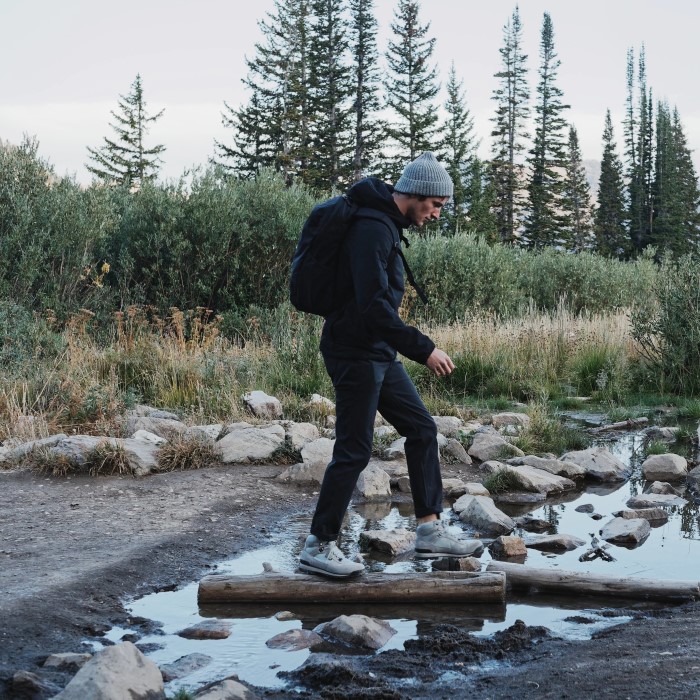
Primarily, the goal is moisture management. Your body sweats to cool down. If that sweat stays on your skin, you will feel cold. Therefore, the base layer wicks moisture away from the skin. After that, the middle layer traps body heat. This process keeps you warm by retaining thermal energy. Finally, the outer shell protects you from environmental elements like wind and rain. As a result, you stay dry and comfortable.
Furthermore, this system offers great versatility. You can easily add or remove layers. This flexibility allows you to adapt to changing weather conditions. For instance, you might start hiking in the cold morning. Later, the sun rises and the temperature increases. In this case, you can simply remove your insulating layer. Consequently, you avoid overheating. Conversely, you can add layers if the wind picks up. This adaptability is the core advantage of the layering system.
Additionally, air serves as an excellent insulator. The space between layers traps air. Subsequently, your body heats this trapped air. Thus, multiple thin layers often provide more warmth than one thick layer. This principle is similar to double-glazed windows.
Selecting the Perfect Base Layer for Moisture Management
The base layer is arguably the most critical component. Consequently, you must choose it carefully. Its primary function involves moisture wicking. Therefore, it sits directly against your skin. Its job is to pull sweat away from your body. If this layer fails, you will feel damp. As a result, you will become cold very quickly.
There are three main materials for base layers. First, synthetic fabrics are very popular. Common materials include polyester and nylon. These materials dry extremely fast. Furthermore, they are durable and lightweight. However, they can retain body odors over time. Therefore, synthetic base layers are great for high-intensity activities. For example, they work well for running or cross-country skiing.
Second, merino wool is a top choice for many outdoor enthusiasts. It comes from Merino sheep. This natural fiber has excellent properties. For instance, it regulates temperature very well. Additionally, it resists odors naturally. Thus, you can wear it for multiple days without washing. However, it takes longer to dry than synthetics. Also, it can be more expensive. Nevertheless, the comfort it provides is often worth the cost. Consequently, Merino wool is perfect for hiking and backpacking.
Third, silk is an option for mild conditions. It is lightweight and feels great on the skin. However, it is not as durable. Additionally, it requires more care when washing. Therefore, silk base layers are less common for rugged outdoor adventures.
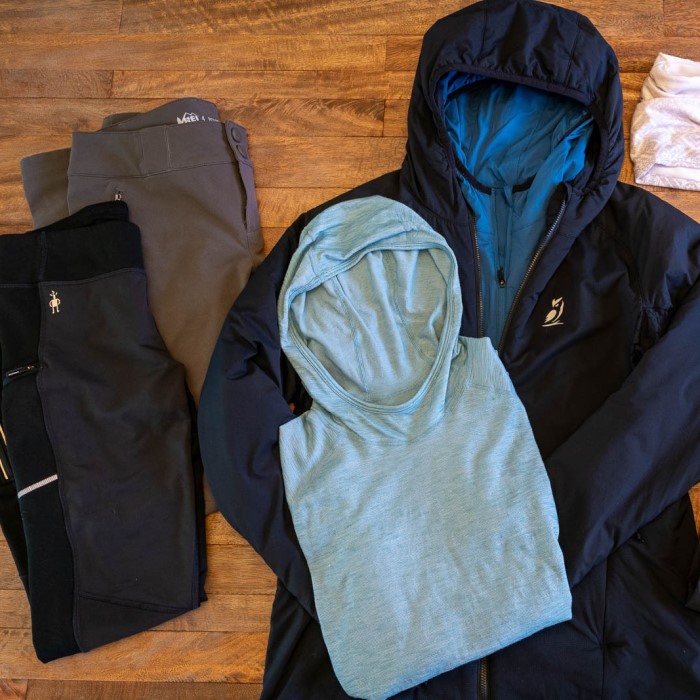
Fit is also a crucial factor. The base layer must fit snugly against your skin. If it is too loose, it cannot wick moisture effectively. Therefore, you should avoid baggy shirts or loose long underwear. However, it should not be so tight that it restricts movement. Consequently, look for terms like “form-fitting” or “slim fit.”
Mastering the Middle Layer for Insulation
Once you have established a solid base layer, you must focus on insulation. Therefore, the middle layer is next. Its primary job is to trap body heat. Consequently, this layer keeps you warm. It works by creating dead air space around your body. Your body heat warms this air. As a result, the warm air acts as a barrier against the cold.
There are several popular materials for mid-layers. First, fleece is a common choice. It is made from synthetic fibers. Fleece is breathable and lightweight. Furthermore, it dries quickly if it gets wet. It also offers a great warmth-to-weight ratio. However, fleece is not windproof. Therefore, the wind can cut right through it. Consequently, you usually need a shell over it in windy conditions. You can find fleece in various thicknesses. For example, lightweight fleece suits cool days. Heavyweight fleece is better for freezing temperatures.
Second, down insulation is an excellent option. Down consists of the fluffy feathers from ducks or geese. It offers incredible warmth for its weight. Additionally, it compresses very well. Therefore, you can pack it easily into a backpack. However, down has a significant weakness. It loses its insulating power when wet. Therefore, it is not ideal for wet climates unless it has a water-resistant coating. You should look for “hydrophobic down” for better performance in dampness.
Third, synthetic insulation is a strong alternative. Synthetic jackets mimic the properties of down. However, they retain warmth even when wet. Furthermore, they are usually less expensive than down. But they are heavier and less compressible. Consequently, many hikers prefer synthetic jackets for wet environments.

Choosing the Right Outer Shell for Protection
The outer shell is your final line of defense. Therefore, it is essential for protection. Its main job is to shield you from the elements. Specifically, it blocks wind, rain, and snow. Additionally, it allows moisture from the inside to escape. This feature is known as breathability. Without it, sweat would accumulate inside. Consequently, you would get wet from your own perspiration.
There are three main types of shells. First, there are waterproof and breathable shells. These are often referred to as “hard shells.” They are designed for extreme weather. For example, they are perfect for heavy rain or snowstorms. These jackets use membranes like Gore-Tex. These membranes have tiny pores. Water droplets cannot pass through from the outside. However, water vapor molecules from sweat can escape. Therefore, they keep you dry from both sides. Look for jackets with taped seams. This feature prevents water from seeping through the stitching.
Second, there are water-resistant shells. These are often called “soft shells.” They are suitable for light rain or snow. They typically offer better breathability than hard shells. Furthermore, they are often stretchier. Thus, they allow for better movement. Soft shells are great for activities like skiing or climbing. However, they will eventually soak through in prolonged rain. Therefore, you must check the forecast before relying solely on a soft shell.
Third, there are windproof shells. These are extremely lightweight. They are designed specifically to block the wind. Wind chill can make temperatures feel much colder. Therefore, a windbreaker can make a huge difference. However, they usually offer little to no insulation. Consequently, they are best used in combination with warm mid-layers.
How to Dress in Layers for Cold Weather: Adapting to Activity Levels
Knowing how to dress in layers for cold weather involves adjusting your clothing based on activity. Your body generates heat when you move. Therefore, you need fewer layers while you are active. Conversely, you need more layers when you stop. Many beginners make the mistake of wearing too many layers. As a result, they sweat excessively. This moisture then freezes when they stop. Consequently, they become very cold.
To avoid this, start your hike feeling slightly cool. This might feel counterintuitive. However, your body will heat up within ten minutes. Therefore, resist the urge to wear all your layers immediately. If you start while wearing a heavy jacket, you will overheat. So, take off your heavy jacket before you begin. Pack it in your backpack. This strategy is often called “be bold, start cold.”
Furthermore, pay attention to your body during the activity. If you start to sweat, stop immediately. Remove a layer. Usually, removing your mid-layer is sufficient. Keep your base layer and shell on. This combination manages moisture while blocking wind. On the other hand, if you feel a chill, add a layer. Do not wait until you are shivering. It is harder to warm up once you are cold.
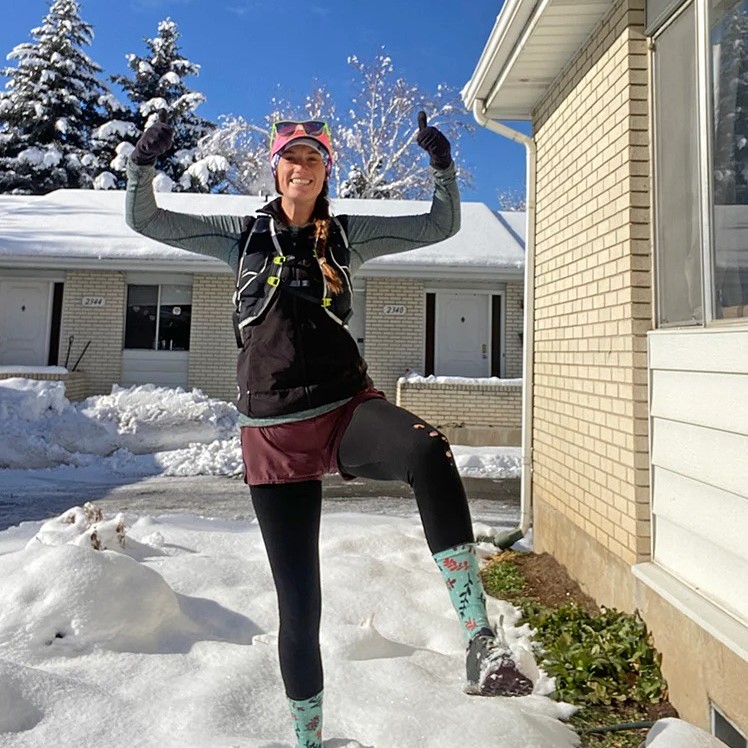
Additionally, consider the intensity of your activity. High-intensity activities generate a lot of heat. For example, cross-country skiing or running requires minimal layers. You might only need a base layer and a light shell. In contrast, low-intensity activities generate less heat. Activities like standing at a campsite or taking photos require more insulation. In these cases, wear your heavy mid-layer and a thick shell.
Essential Accessories to Complete Your Layering System
Your core body temperature is vital. However, you must not ignore your extremities. Heat loss occurs significantly through your head, hands, and feet. Therefore, accessories are a crucial part of learning how to dress in layers for cold weather. They function similarly to your body layers. You can add or remove them as needed.
Start with your head. You can lose a lot of heat through your scalp. Therefore, wear a warm hat or beanie. Merino wool beanies are excellent choices. They are warm and breathable. Additionally, consider a neck gaiter. This piece of fabric covers your neck. It prevents cold air from entering your collar. Some gaiters can also be pulled up over your face. This feature protects your face from windburn.
Next, focus on your hands. Cold fingers can ruin an adventure. Therefore, use the layering system here too. Start with thin liner gloves. These provide basic warmth and dexterity. You can still use your phone or camera with them. Then, wear heavier mittens or gloves over the liners. Mittens are generally warmer than gloves. This is because your fingers share heat inside the mitten. However, gloves offer better dexterity. Choose based on your needs.
Your feet are also critical. Cold toes are a common complaint. Start with high-quality socks. Merino wool socks are the industry standard. They wick moisture away from your skin. Avoid cotton socks at all costs. Cotton absorbs sweat and stays wet. Consequently, your feet will freeze. You may also need gaiters. Gaiters cover your lower legs and boots. They keep snow, rocks, and debris out.
Common Mistakes to Avoid When Layering
How to dress in layers for cold weather? Even experienced adventurers make mistakes. However, knowing common pitfalls helps you avoid them. The most common error involves cotton. Cotton is a dangerous fabric in the cold. Therefore, the phrase “cotton kills” is popular among hikers. Cotton absorbs moisture quickly. However, it dries very slowly. Consequently, it steals heat away from your body. This leads to hypothermia. Avoid cotton jeans, t-shirts, and sweatshirts. Always check the labels on your clothing.
Another mistake is overdressing. As mentioned earlier, sweating is the enemy. If you wear too many layers, you will sweat. This saturates your layers. Consequently, your insulation stops working. Therefore, monitor your body temperature closely. Remove layers before you start sweating. It is much easier to stay dry than to dry out wet clothes.
Conversely, underdressing is also dangerous. Some people fear overheating. So, they do not bring enough layers. Weather can change rapidly in the mountains. A sunny day can turn into a snowstorm. Therefore, always carry extra layers. You should have an emergency insulating layer in your pack. This is vital for safety.
Furthermore, poor fit causes problems. Layers that are too tight restrict blood flow. This makes you feel colder. On the other hand, layers that are too loose let cold air in. This is known as the “chimney effect.” Your warm air escapes, and cold air replaces it. Therefore, ensure each layer fits correctly. It should allow for movement but seal out drafts.
Step-by-Step Guide to Putting It All Together
Now that we have discussed each layer, let’s summarize the process. Here is a step-by-step guide on how to dress in layers for cold weather for a typical hike.
First, check the weather forecast. Look at the temperature, wind speed, and precipitation chance. This information dictates your layering choices. If it is going to rain, prioritize a hard shell. If it is extremely cold, choose a heavyweight mid-layer.
Second, select your base layer. Choose the material based on your activity level. For a high-intensity hike, a lightweight synthetic shirt works best. Pull it on and ensure it fits snugly. Make sure there are no wrinkles. Do not wear a cotton t-shirt underneath.
Third, add your insulation layer. If it is cold, wear a fleece jacket or a synthetic puffy jacket. Put this on over your base layer. Check your range of motion. Swing your arms around. If the jacket feels too tight, try a larger size or a thinner layer.
Fourth, pack your outer shell. You might not need to wear it immediately. However, keep it accessible in your backpack. If it is windy or snowing at the trailhead, wear it over your mid-layer. Ensure the hood fits well. Check that the zippers work smoothly with gloves on.
Fifth, manage your accessories. Wear a hat and gloves from the start. Pack an extra pair of socks. Put on your gaiters if you expect deep snow.
Sixth, perform the “start cold” check. Stand still for a minute. If you feel perfectly warm, you are probably wearing too much. Ideally, you should feel a slight chill. If you feel comfortable, take off a layer. You will warm up as soon as you start walking.
FAQ
How to properly layer clothing for cold weather?
To properly layer clothing, you should follow the three-layer system. First, wear a moisture-wicking base layer against your skin to keep dry. Second, add an insulating middle layer, such as fleece or down, to trap heat. Third, wear a waterproof and breathable outer shell to protect against wind and rain. You should adjust these layers as your activity level or the weather changes to maintain a comfortable body temperature.
What is the best layering combination for cold weather?
The best combination depends on your activity, but a versatile system includes a Merino wool base layer for odor resistance and moisture management. Pair this with a synthetic insulated mid-layer for warmth that works even if damp. Finally, top it off with a Gore-Tex hard shell for superior wind and waterproof protection. This combination handles a wide range of conditions effectively.
Does layering actually keep you warmer?
Yes, layering keeps you warmer than wearing a single thick garment. Multiple thin layers trap air between them, and your body heats this air, creating effective insulation. This method also allows you to regulate your temperature by adding or removing layers, which prevents sweating. Staying dry is crucial for staying warm, and layering facilitates moisture management much better than a single heavy coat.
How to wear layers for hiking?
How to dress in layers for cold weather? When hiking, start with a synthetic or wool base layer to manage sweat. Bring a mid-layer like a fleece pullover for breaks or colder sections. Carry a lightweight, packable rain jacket in your pack. You should start your hike feeling slightly cool to avoid overheating. As you hike, remove layers before you start sweating, and add layers immediately when you stop to prevent chills.