Defining the Art of Discreet Outdoor Stays
The concept of sleeping in the wild without paying fees is growing. Many adventurers seek freedom beyond established campgrounds. Consequently, the term what is stealth camping has become a popular search query. It refers to the practice of setting up a temporary camp in a location. This location is typically not designated for camping. The primary goal is to remain unnoticed. You aim to blend into the environment. This applies whether you are in a dense forest or a city alley. It offers a unique sense of liberation. You are not bound by reservation systems or check-out times. However, it requires a high level of responsibility. It is not simply about finding a free place to sleep. It is about respecting the land and the community.
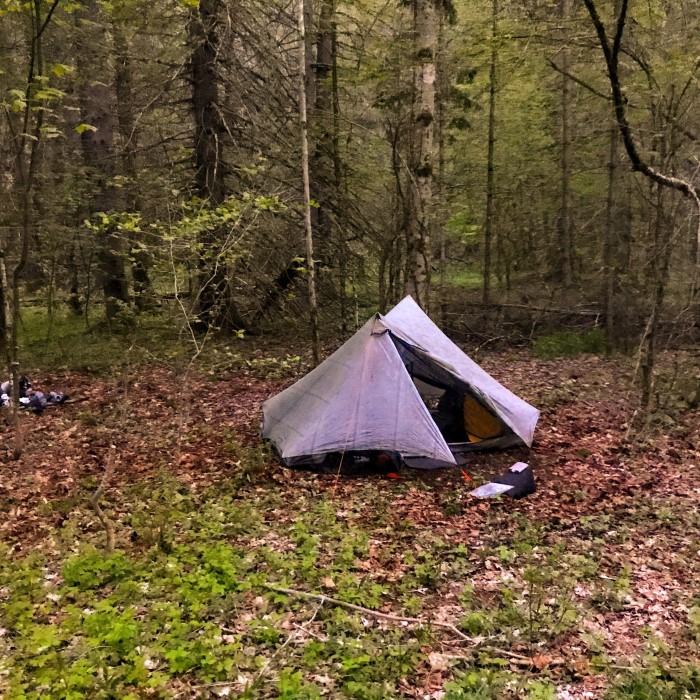
Furthermore, this practice has evolved significantly over the years. In 2026, the travel landscape is changing. More people are adopting van life and minimalist travel. They want to explore without the burden of heavy costs. Therefore, understanding the nuances is vital. It is often confused with illegal camping. Yet, there is a distinction. Stealth camping often occurs on public land where camping might be tolerated. It also happens on private land with implicit permission. The “stealth” aspect is key. You leave no trace of your presence. You arrive late and leave early. This minimizes the impact on the surroundings. This article will explore the philosophy behind it. We will also discuss the legal gray areas. Additionally, we will provide practical tips for safety. The modern traveler must be educated. This ensures the sustainability of this adventurous lifestyle.
The Core Philosophy and Ethical Considerations
The mindset behind this activity is more important than the act itself. It is rooted in a deep respect for nature and society. Many ask what is stealth camping without understanding the ethics. The core principle is “Leave No Trace.” This mantra is the golden rule of outdoor ethics. You must pack out everything you pack in. There should be zero evidence of your stay. This includes trash, food scraps, and even flattened grass. Furthermore, you must respect the wildlife. You should not disturb the natural habitat. This ethic extends to human neighbors as well. You choose spots away from residential areas. You avoid high-traffic zones. The goal is to be a ghost.
Moreover, the ethical camper considers the broader impact. If one person camps discreetly, it is rarely a problem. However, if many people do it visibly, it ruins the spot. Authorities might then ban access for everyone. Therefore, discretion protects the privilege for the community. You should never camp near water sources in arid regions. Animals need access to water without human interference. Additionally, noise control is paramount. A stealth camper maintains absolute silence. They use red lights at night to avoid visibility. This consideration prevents conflict. It ensures that the land remains open for future travelers. Ethical stealth camping is a form of stewardship. You act as a guardian of the land. You protect it from misuse while enjoying its benefits. This mindset separates the responsible traveler from the careless trespasser.
Essential Gear for the Modern Stealth Camper
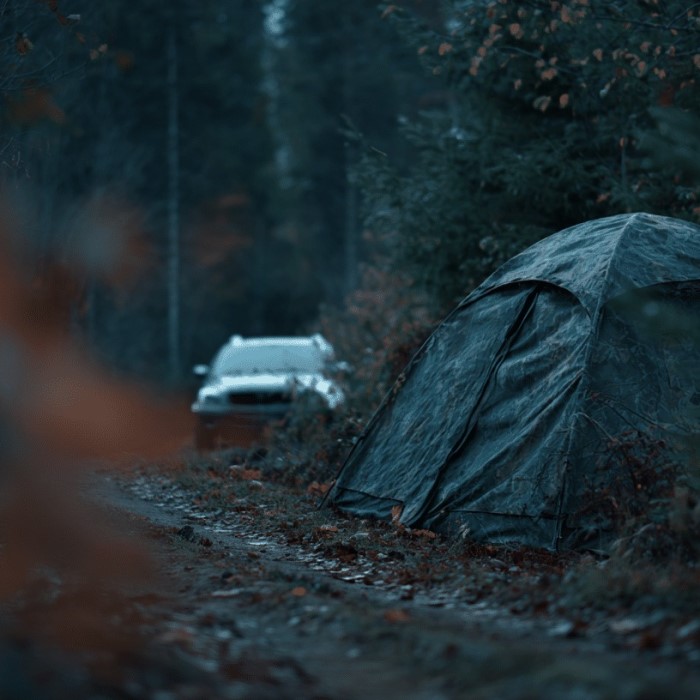
Success in this venture relies heavily on the right equipment. You cannot use a bright orange tent. That would defeat the entire purpose. Therefore, gear selection is critical. Your shelter should blend with the surroundings. Neutral colors like green, brown, or grey are best. A matte finish prevents reflection from sunlight or moonlight. Furthermore, the size of your shelter matters. A massive tent is hard to hide. A small, low-profile bivy sack or a hammock is better. These items conform to the landscape. They are less likely to catch the eye of a passerby. Consequently, investing in specialized gear pays off.
In addition to shelter, light management is crucial. Standard white flashlights are visible from miles away. Instead, you should use headlamps with a red light mode. Red light is harder to see from a distance. It also preserves your night vision. This allows you to navigate your site discreetly. Furthermore, sound discipline extends to your gear. Tents that zipper loudly are a liability. Choose quiet, high-quality zippers. Your sleeping bag should also be compact. It should pack down small so you can move quickly.
For vehicle campers, window covers are essential. They block light from escaping your van. They also prevent people from seeing inside. Sunshades or custom-cut plywood work well for this. You must also manage your waste. A portable toilet or a wag bag system is necessary. You cannot bury waste near urban areas. Leaving human waste is unacceptable. Therefore, your gear list must prioritize discretion and hygiene above all else.
Choosing the Perfect Location
Finding a spot is an art form. It requires observation and intuition. You cannot simply pull over anywhere. You must assess the risk and the suitability. First, look for public land. National Forests and Bureau of Land Management (BLM) areas often allow dispersed camping. However, you must check local regulations. Some areas have specific restrictions. Consequently, apps and maps are helpful tools. Apps like iOverlander or FreeRoam help identify legal spots. They show user-reviewed locations. This saves time and reduces risk. However, technology is not infallible. You must verify the signs at the location.
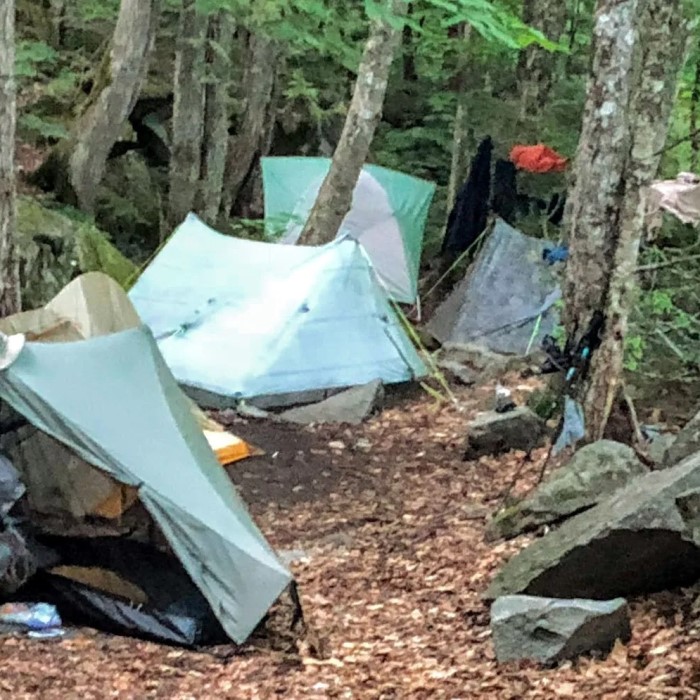
Furthermore, urban stealth camping is different. It involves parking in industrial zones. You might also use quiet residential streets. The key is to look for “fly-in, fly-out” zones. These are places where people do not linger. Avoid parking in front of houses. Avoid parking near schools or playgrounds. These areas attract attention. Instead, look for large retail store parking lots. Many stores allow overnight parking for travelers. While not strictly “stealth,” it requires a low profile. You should also avoid staying more than one night. Moving daily prevents patterns. This keeps you under the radar. Additionally, trust your gut feeling. If a spot feels unsafe or sketchy, leave. Your safety is the priority. A good location is flat, dry, and invisible from the main road. It provides a peaceful night without interruption.
Safety Protocols and Personal Security
One of the biggest concerns for newcomers is safety. They wonder if sleeping in hidden spots is dangerous. Therefore, establishing safety protocols is vital. The first rule is situational awareness. You must scan the area before settling in. Look for signs of recent activity. Broken glass or trash might indicate a party spot. These areas are best avoided. Furthermore, keep your phone charged. You need a way to call for help. A satellite communicator is a wise investment for remote areas. It works where cell signals fail. Consequently, you can alert authorities if needed.
Moreover, personal security involves behavior. You should arrive at your spot just before sunset. This minimizes the time you are visible while setting up. Once you are settled, stay inside your shelter or vehicle. Walking around outside draws attention. If someone approaches, remain calm. Be polite but firm. If asked to leave, do so immediately. Arguing creates conflict and legal trouble. Additionally, lock your vehicle doors. Keep your keys accessible in case you need a quick exit. You should also have a defense plan. This could be a whistle, a bright flashlight, or other legal tools. However, the best defense is avoidance. By choosing secluded spots, you minimize encounters. Safety in stealth camping comes from smart decisions. It is about being proactive rather than reactive.
Understanding the Legal Gray Areas
The legality of this practice is complex. It varies by region and jurisdiction. Many people ask what is stealth camping in a legal context. It is not always explicitly illegal. However, it is often a violation of local ordinances. For instance, sleeping in a vehicle is banned in some cities. This is to deter homelessness or loitering. Conversely, sleeping in a tent on BLM land is usually legal. The issue arises when you camp on private property without permission. This is trespassing. It can lead to fines or arrest. Therefore, you must know the law. Ignorance is not a valid defense.
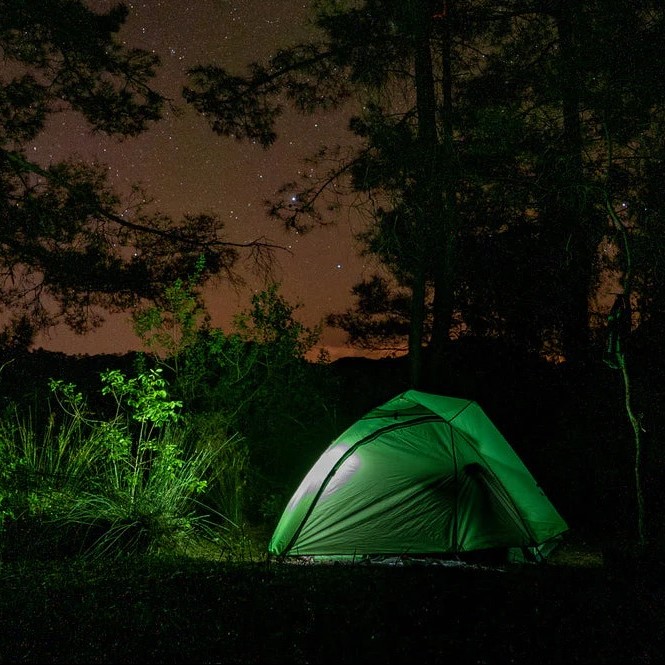
Furthermore, the definition of “camping” varies. Some laws define it as establishing a residence. Others define it by the presence of a tent. Sleeping in a car might be considered “parking.” This is why stealth campers often use vans. They look like regular parked cars. They do not look like campsites. Consequently, the legal line is thin. You must research the specific rules of your destination. Check city websites and county codes. Look for signs that say “No Overnight Parking.” If you see such a sign, move on. Additionally, the concept of “implied permission” exists. This happens when a landowner does not enforce boundaries. However, this is risky. You should always seek explicit permission if possible. Responsible campers prioritize legal compliance. They avoid actions that could lead to legal trouble. This protects the reputation of the community.
Best Practices for Arrival and Departure
The timing of your actions determines your success. You must follow a strict schedule. The best practice is to arrive late. Ideally, you reach your spot after dusk. This ensures fewer people are watching. You can set up quickly in the fading light. Furthermore, you should minimize movement during setup. Have a routine that you can execute in under ten minutes. This efficiency reduces your visibility. Once inside, keep lights low. Avoid cooking smells that waft outside. Strong odors attract attention and animals. Consequently, eat before you arrive or cook inside a sealed van.
Similarly, your departure must be strategic. You should leave early. The goal is to be gone before the world wakes up. This is often called the “dawn departure.” You pack your gear silently. You scan the site for any trash. This courtesy prevents complaints. If a local resident sees a clean site, they may not mind. But if they see trash, they will call the authorities. Therefore, the morning sweep is essential. You should also drive away quietly. Avoid revving your engine. A silent exit seals your stealth. These practices ensure you remain a phantom. You leave no memory of your presence behind. This cycle of late arrival and early departure is the rhythm of the stealth camper.
The Future of Stealth Camping in 2026
The trend of discreet travel continues to grow. Technology and lifestyle shifts drive this evolution. In 2026, we see more sophisticated gear. Solar panels are becoming more integrated and subtle. They look like part of the vehicle rather than an add-on. This allows campers to stay off-grid longer. Furthermore, apps are becoming smarter. They use real-time data to show safe zones. They also alert users to new regulations. Consequently, information is more accessible than ever. However, the challenge is increasing popularity. More people are trying stealth camping. This puts pressure on popular spots.
Therefore, education becomes even more critical. The community must self-regulate. Bad behavior by a few can ruin it for many. We might see stricter enforcement in popular areas. Cities may pass harsher anti-camping laws. Thus, the future requires a higher level of stealth. Campers must be even more discreet. They must spread out to less popular areas. This dispersion reduces impact. Additionally, the definition of stealth camping is expanding. It includes urban stealth in cars and backpacking stealth in wilderness. The principles remain the same. Respect, discretion, and safety. The future is bright for responsible travelers. It offers freedom and connection with nature. But it demands a commitment to ethical practice. As we look to 2026, preparation and respect are the keys to success.
Frequently Asked Questions
Many beginners have questions about this lifestyle. Here are answers to the most common queries.
What is the difference between Boondocking and stealth camping?
Boondocking typically refers to camping on public land. It happens in areas like BLM or National Forests. It is usually legal and accepted. Stealth camping often implies a need to hide. It happens in areas where camping is not explicitly allowed. It can be urban or rural. The key difference is the level of visibility.
What is the difference between camping and stealth camping?
Traditional camping is open and social. It often happens in designated campgrounds. You pay fees and have amenities. Stealth camping is solitary and hidden. You do not pay fees. You have no amenities. The intent is to remain unseen rather than to relax visibly.
What are the risks of stealth camping?
The risks include legal fines. You might be asked to move by police. There is also a risk of theft or personal safety issues. Wildlife encounters can occur in rural areas. Furthermore, you risk damaging the environment if you are careless. However, these risks are manageable with proper preparation.
Conclusion: Embracing the Stealth Lifestyle
The world of travel is vast and diverse. For those seeking true freedom, this method offers a path. We have explored what is stealth camping in depth. It is more than just a way to save money. It is a philosophy of minimal impact. You must blend into the shadows. You must respect the land and the laws. The rewards are great.
However, remember the responsibility. Your actions reflect on the entire community. Practice the “Leave No Trace” principles rigorously. Choose your gear wisely. Stay safe and stay legal. As you plan your 2026 adventures, keep these tips in mind. The wilderness is waiting. The open road calls. Answer that call with respect and stealth. Enjoy the journey. And always leave the campsite better than you found it. This ensures that the secret spots remain secret. It ensures that the adventure continues for years to come.