Introduction to Affordable Pool Safety
Owning a swimming pool brings immense joy to a family. It provides a refreshing escape during hot summer months. However, pool ownership also brings significant responsibilities. Safety stands as the top priority for any pool owner. Unsupervised pools can pose serious risks to children and pets. Therefore, securing the area is not just an option; it is a necessity. Many homeowners worry about the high costs associated with professional installations. They often think that safety requires a massive financial investment. Fortunately, this is not always the case. You can achieve high safety standards on a budget. This is where the concept of a cheap diy pool enclosure becomes relevant.
By taking the do-it-yourself route, you save substantially on labor costs. You also gain full control over the design and materials used. This guide explores how you can protect your loved ones without emptying your savings account. We will discuss various materials, designs, and legal considerations. Additionally, we will look at how style and safety can coexist beautifully. A well-planned enclosure enhances your backyard’s aesthetic appeal. It does not need to look like a cage. Instead, it can look like an elegant garden feature. Let us dive into the world of affordable pool safety solutions.
Understanding the Benefits of Enclosing Your Pool
Why should you enclose your pool? The answer extends beyond simple safety regulations. Firstly, an enclosure acts as a critical barrier. It prevents unsupervised access by young children and wandering pets. This barrier significantly reduces the risk of accidental drownings. Consequently, you gain peace of mind even when you are not outdoors. Secondly, enclosures keep unwanted debris out of the water. Leaves, twigs, and insects are constant nuisances for pool owners. A physical barrier stops most of this debris from entering. As a result, your pool stays cleaner for longer periods. This translates to less time spent skimming and vacuuming. Furthermore, a cleaner pool requires fewer chemicals to stay sanitary.
Thus, you save money on maintenance supplies over time. Thirdly, certain types of enclosures can extend your swimming season. They help retain heat within the pool area. This is especially true for screened-in or polycarbonate structures. Moreover, they provide protection from harsh UV rays. You can swim comfortably without the worry of sunburn. Finally, an enclosed pool often increases property value. Potential buyers view it as a safe, low-maintenance feature. Therefore, the investment pays off in the long run. A cheap diy pool enclosure offers all these benefits at a fraction of the market price.
Exploring Material Options for Budget Fencing
Choosing the right material is crucial for your project. The market offers a wide variety of options. Each material comes with its own set of pros and cons. For a budget-friendly approach, you must balance cost with durability. Mesh fencing is a popular choice for many DIY enthusiasts. It is affordable, lightweight, and easy to install. Furthermore, mesh is transparent, which preserves the view of your yard. It is also removable if you need to open the space for a party. However, mesh may not offer the same aesthetic appeal as other materials. Another option is chain-link fencing. This is perhaps the most durable low-cost option available. It creates a robust barrier that lasts for decades. But some homeowners find the industrial look unattractive.
Fortunately, you can cover chain-link with privacy slats or climbing plants. This improves the appearance significantly. Wood fencing offers a classic and warm look. It provides excellent privacy. However, wood requires regular maintenance like staining or painting. It can also be prone to rot in wet climates. Vinyl or PVC fencing is another excellent alternative. While the initial cost is higher, it is virtually maintenance-free. It never needs painting and resists weather damage effectively. Therefore, you should consider the long-term costs, not just the upfront price. Researching these materials helps you find the perfect fit.
Step-by-Step Guide to Planning Your Enclosure
Proper planning ensures a successful DIY project. Rushing into construction often leads to costly mistakes. First, you must measure your pool area accurately. Determine how much space you want to enclose. Do you want to surround just the water, or the entire deck? Accurate measurements dictate the amount of material you need. Consequently, this prevents waste and extra trips to the hardware store. Second, check your local building codes and regulations. Most municipalities have strict rules regarding pool barriers.
These rules specify the required height of the fence. They also dictate the maximum gap allowed between pickets. Additionally, you must understand the rules for gate latches. Self-closing and self-latching gates are usually mandatory. Failing to follow these codes can result in fines. You might even have to tear down your hard work. Third, sketch your design on paper. Visualize where the gates will go. Plan for easy access to the pool equipment. You need to reach the pump and filter easily. Fourth, create a budget. Factor in all materials, tools, and hardware. Always add a 10% buffer for unexpected expenses. Planning thoroughly saves time and frustration later. It transforms a complex project into a manageable series of steps.
Installation Tips for the Novice Builder
You do not need professional skills to build a fence. With the right tools and patience, anyone can do it. Start by marking the layout of your fence line. Use stakes and string to create a straight guide. This step ensures your fence looks professional and neat. Next, you need to set your posts. The posts are the backbone of your structure. Consequently, they must be secure. Dig holes for the posts at the marked intervals. The depth depends on your local frost line and the fence height. Usually, holes should be at least two feet deep.
Use concrete to set the posts in place. This provides stability against wind and impact. Allow the concrete to cure for at least 24 hours. Do not rush this process. Once the posts are solid, attach the fencing material or panels. Use a level constantly to check your work. A crooked fence looks unsightly and functions poorly. Furthermore, ensure all hardware is tightened securely. Pay special attention to the hinges on the gate. The gate is the only moving part. Therefore, it needs strong support. If you are using a kit, follow the manufacturer’s instructions precisely. These kits are designed for easy assembly. They simplify the process for the average homeowner. Remember, safety is paramount. Wear protective gear like gloves and safety glasses.
Styling Your Enclosure to Match Your Backyard
A safety fence does not have to be an eyesore. You can integrate it seamlessly into your landscape design. There are many creative ways to enhance the look of your enclosure. For instance, consider painting the fence to match your home’s exterior. This creates a cohesive visual flow. Alternatively, use the fence as a trellis. Plant climbing vines like jasmine or bougainvillea near the base. Over time, these plants will cover the structure. This adds natural beauty and fragrance to your pool area. It also provides additional shade and privacy. Another styling tip involves lighting. Attach solar-powered cap lights to the top of the posts. These lights illuminate the walkway at night. They also add a touch of elegance to the space.
Moreover, you can incorporate decorative elements. Post finials or ornamental hardware can transform a plain fence. If you choose a cheap diy pool enclosure, you can allocate savings to decor. You might also consider landscaping around the perimeter. Plant shrubs or flower beds along the fence line. This softens the hard lines of the barrier. It makes the enclosure feel like a natural part of the garden. Your pool area can become a stunning focal point. It combines functionality with high-end design aesthetics.
Maintenance and Upkeep for Longevity
Building your enclosure is just the first step. You must maintain it to ensure it lasts. Different materials require different levels of care. For wood fences, inspect for signs of rot or insect damage annually. Apply a water-repellent sealant every few years. This protects the wood from moisture and sun damage. For metal fences, check for rust spots. If you find rust, sand it down and apply a rust-inhibiting paint. This prevents the corrosion from spreading. Vinyl and mesh fences require the least amount of work. Usually, a simple wash with a hose removes dirt and grime. For stubborn stains, use a mild soap solution. Additionally, you must maintain the gate hardware regularly. The latch mechanism can become stiff over time.
Lubricate the hinges and latch with WD-40 or a similar product. This ensures the gate closes securely every time. A faulty latch compromises the safety of the entire enclosure. Therefore, test the gate frequently. Also, trim any vegetation growing near the fence. Overgrown plants can trap moisture against the material. They can also add weight and stress to the structure. By performing these simple tasks, your DIY project will endure. It will continue to provide safety and style for years.
Innovative Alternatives to Traditional Fencing
Perhaps a permanent fence does not suit your needs. Maybe you prefer a more flexible solution. Several alternatives exist in the market today. One popular option is a retractable pool fence. This fence uses a series of poles and mesh fabric. You can roll it up and store it away when not in use. It offers excellent safety without blocking the view permanently. Another alternative is a mesh safety cover. While not an enclosure, it provides a horizontal barrier. It anchors directly to the deck. This prevents anything from entering the water.
However, it requires manual installation each time you close the pool. A third option is a pool alarm system. These alarms detect motion in the water. They alert you if someone falls in. While effective, alarms are a secondary layer of protection. They do not physically prevent access like a fence. Finally, you could consider a natural barrier. Dense hedges can act as a deterrent. However, they take time to grow. They are also not as secure as a physical fence. When choosing an alternative, always prioritize safety. Ensure the solution meets local safety standards. A cheap diy pool enclosure remains the most reliable physical barrier. But these alternatives offer flexibility for specific situations.
FAQ
What is the cheapest way to enclose a pool?
The cheapest way to enclose a pool is typically using a removable mesh pool fence. This option provides a strong safety barrier while keeping material and installation costs low, making it perfect for DIY enthusiasts.
What is the cheapest material to put around a pool?
Chain-link fencing is often the cheapest durable material for a permanent pool surround. Alternatively, vinyl or PVC fencing offers a good balance of low cost and low maintenance for budget-conscious homeowners.
What can I use instead of a pool cover?
Instead of a traditional pool cover, you can install a safety fence around the pool’s perimeter. Other alternatives include pool alarms, safety nets, or retractable mesh fences that provide safety without covering the water surface.
What is the alternative to a pool cage?
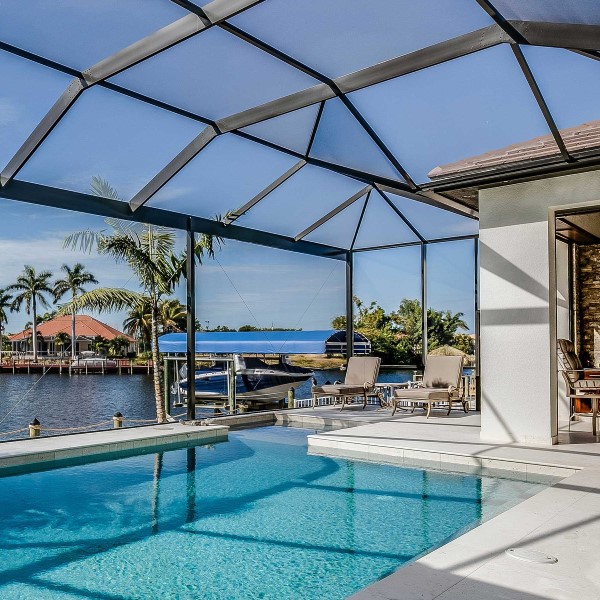
If a full pool cage or screen enclosure is too expensive, you can use a pergola with climbing plants or a simple privacy fence. These options define the space and provide some protection without the high cost of a full aluminum cage structure.
Conclusion
Creating a safe environment for your family is a rewarding endeavor. It does not require a fortune to achieve. Throughout this guide, we have explored the value of a cheap diy pool enclosure. We discussed various materials, from mesh to vinyl. We also covered the essential steps of planning and installation. By taking the project into your own hands, you save money. You also ensure that every detail meets your standards. Remember to always adhere to local safety codes. Proper maintenance will keep your structure strong for years. Furthermore, creative styling can turn a safety feature into a design highlight. Your pool should be a source of relaxation, not worry. With the right enclosure, you can enjoy your swim with total peace of mind. We encourage you to start planning your project today. A safer, more beautiful backyard is within reach.