Understanding the Foundations of Child Safety
Parenting involves navigating a complex world full of potential hazards. Therefore, establishing a strong foundation of safety is crucial for every family. Many parents often ask specific questions to improve their parenting skills. You might wonder, “What is the 7 7 7 rule in parenting?” or “What is the 3 3 3 rule for children?” Additionally, parents frequently search for structured guidance by asking, “What is the 10-10-10 rule for kids?” and “What are the 10 golden rules for kids?” While these rules provide excellent frameworks, practical safety requires specific, actionable knowledge. Consequently, this guide focuses on providing comprehensive safety tips for kids. We aim to empower you with the necessary tools.
You must protect your children from various risks. Furthermore, you need to teach them how to protect themselves. Safety is not just about supervision. Instead, it involves education and awareness. Children are naturally curious. This curiosity can sometimes lead them into dangerous situations. Thus, parents must stay one step ahead. We will explore various aspects of safety in this article. These include home safety, digital protection, and outdoor awareness. By understanding these foundations, you create a secure environment. Your children can thrive without unnecessary risks. Let us explore how to build this safety net with these safety tips for kids together.
Creating a Secure Home Environment
Home is where children spend most of their time. Therefore, it should be the safest place for them. However, common household items can pose significant threats. First, you must secure heavy furniture to the wall. Children love to climb, and tipping furniture causes many injuries. Consequently, anchoring TVs and dressers is a non-negotiable step. Second, you need to install safety locks on cabinets. These locks keep harmful chemicals and medicines out of reach. It is also vital to store cleaning products on high shelves.
Never keep toxic substances under the sink without a lock. Third, check your smoke detectors regularly. You should test them every month. Additionally, replace the batteries at least once a year. A working smoke detector saves lives. Furthermore, sharp corners on tables can cause injuries. You should use corner guards to soften these edges. This is especially important for toddlers who are learning to walk. Stairs present another major hazard. Therefore, you must install safety gates at the top and bottom of staircases. These gates prevent dangerous falls. Electrical outlets are also tempting for small fingers. You must cover them with plastic plugs. Finally, keep small objects off the floor. These pose choking hazards for young children. By following these steps, you significantly reduce home risks.
The internet offers endless opportunities for learning. However, it also contains many dangers for children. Therefore, digital safety is a critical component of safety tips for kids. First, you should establish clear rules for internet usage. Your children must know which websites they can visit. Furthermore, they should never share personal information online. This includes their address, school name, or phone number. Predators often use this information to locate children. Consequently, teaching privacy is paramount. Second, parents should utilize parental control software. These tools filter inappropriate content effectively. They also allow you to set time limits for screen time. Moreover, you should place the computer in a common area.
This allows you to monitor your child’s activity easily. Children are less likely to visit bad sites if you are nearby. Cyberbullying is another major concern. You must encourage open communication with your children. They should feel comfortable telling you if someone harasses them online. Therefore, talk to them about their digital interactions regularly. Teach them to be kind online as well. Additionally, warn them about online scams. Many games have in-app purchases. Children might accidentally spend money without realizing it. Thus, monitoring app store passwords is essential. The digital world is vast. With the right guidance, your children can explore it safely.
Ensuring Safety During Outdoor Activities
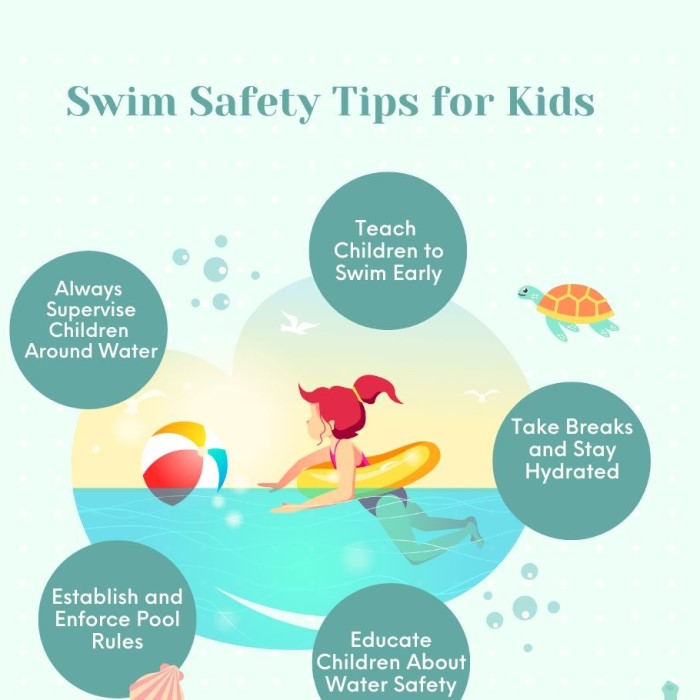
Outdoor play is essential for a child’s development. It promotes physical health and creativity. However, the outdoors presents unique challenges. Therefore, parents must teach their children about environmental safety. First, sun safety is incredibly important. You must apply sunscreen on your children before they go outside. Use a broad-spectrum sunscreen with at least SPF 30. Additionally, make them wear hats and sunglasses. These protect their skin and eyes from harmful UV rays. Sunburns can cause long-term damage. Consequently, prevention is key. Second, water safety cannot be overlooked. Pools, lakes, and beaches are fun but dangerous. Never leave a child unattended near water. Furthermore, enroll your children in swimming lessons.
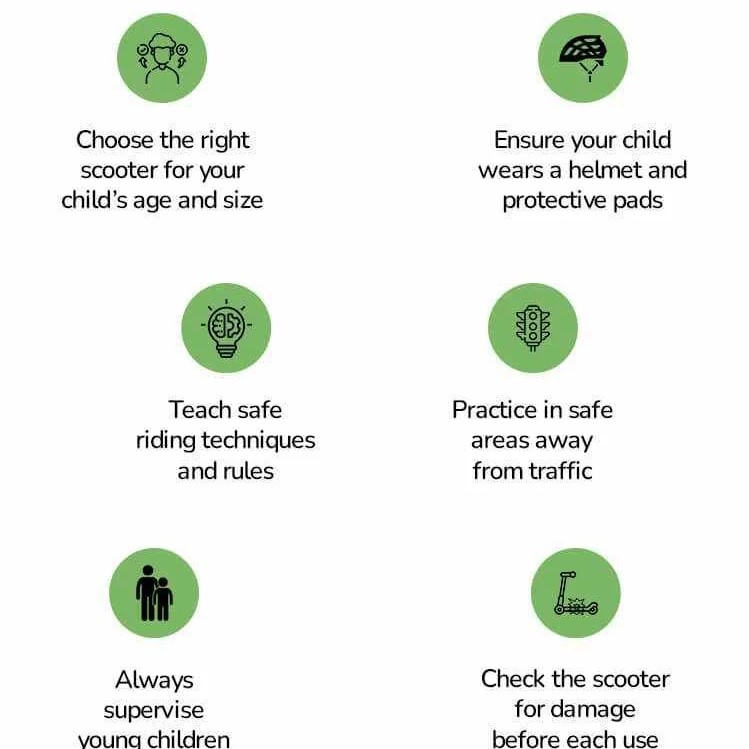
Knowing how to swim is a life-saving skill. Third, teach them about traffic safety. Children must look both ways before crossing the street. They should also use crosswalks and obey traffic signals. Walking on sidewalks is safer than walking on the road. Moreover, teach them to be aware of their surroundings. They should not wear headphones while crossing streets. This distracts them from oncoming traffic. Playground safety is also vital. You should inspect the equipment before they play. Look for broken parts or hot surfaces. Finally, dress them in appropriate clothing for the weather. Layers work best in cold weather. Hydration is crucial in hot weather. These steps ensure outdoor fun remains safe.
Teaching Children About Stranger Danger
The concept of “stranger danger” has evolved over the years. It is no longer about fearing every stranger. Instead, it is about recognizing suspicious behavior. Therefore, you must teach your children to trust their instincts. If a situation feels wrong, it probably is. First, explain that most strangers are good people. However, some strangers may try to hurt them. Consequently, they need to know how to react. Teach them the “No, Go, Yell, Tell” method. If a stranger tries to grab them, they should scream “No!” Then, they should run away to a safe place.
They must tell a trusted adult immediately. Furthermore, define who a “trusted adult” is. This includes police officers, teachers, and parents. Second, you should create a family code word. If someone other than you picks them up, they must know the code. If the person does not know the word, your child should not go with them. This simple tip prevents many abductions. Third, role-play different scenarios with your children. Ask them, “What would you do if a stranger offered you candy?” This practice prepares them for real life. Moreover, teach them to stay in groups. There is safety in numbers. A child alone is an easier target. Thus, encourage them to stick with friends. These conversations are difficult but necessary. They empower your child to act decisively.
Fire Safety and Emergency Preparedness
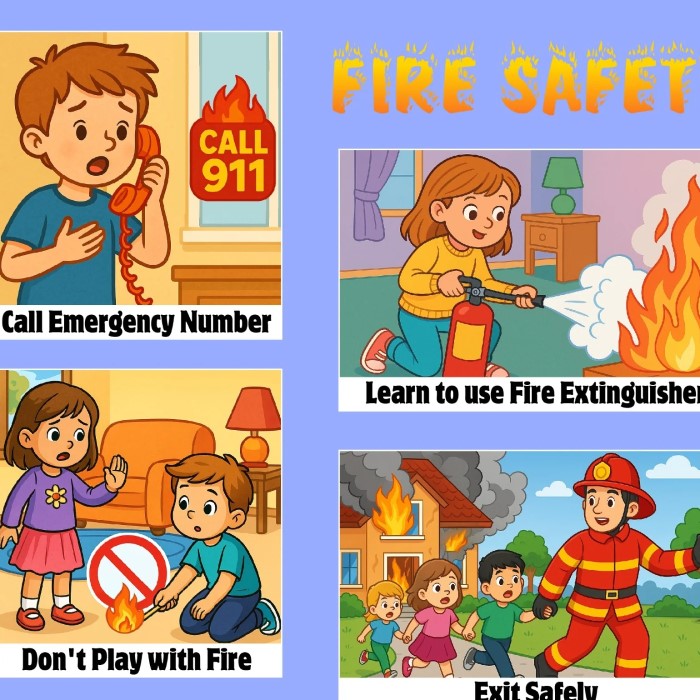
Fires can spread rapidly in a home. Therefore, preparation is the best defense. Every family needs a solid fire escape plan. First, you must draw a map of your home. Show two ways out of every room. Usually, this is the door and a window. Second, practice this drill twice a year. Speed is crucial during a fire. Consequently, your children need to know the route by heart. Teach them to crawl low under smoke. Smoke rises, so the air is cleaner near the floor. Furthermore, they should feel doors before opening them. If a door is hot, they must use another exit.
You should also designate a meeting spot outside. This could be a mailbox or a neighbor’s tree. Everyone should know to go there immediately. This helps you account for everyone quickly. Third, teach your children how to call emergency services. They should know their home address. They must dial 911 in the US or 999 in the UK. Role-play this scenario to reduce panic. In addition to fires, discuss other emergencies. Severe weather like tornadoes requires sheltering in place. Teach your children where the safe room is. Being prepared reduces fear. It gives children a sense of control. Therefore, emergency preparedness is a vital part of safety tips for kids.
Promoting Emotional and Mental Well-being
Safety is not just physical. Emotional and mental safety are equally important. Bullying can cause deep psychological scars. Therefore, you must talk to your children about bullying. First, explain what bullying looks like. It can be physical, verbal, or online. Encourage them to tell you if they experience it. They should also tell you if they see others being bullied. Bystanders play a crucial role in stopping bullying. Consequently, teaching empathy helps. When children understand others’ feelings, they are less likely to bully. Second, listen to your children without judgment. If they feel heard, they will share more. A supportive home environment builds resilience. Furthermore, watch for signs of anxiety or depression.
Changes in sleep or appetite can be warnings. Do not dismiss these signs. Instead, seek professional help if needed. Mental health is as vital as physical health. Third, teach them how to handle stress. School can be overwhelming. Therefore, show them healthy ways to relax. This could be through sports, art, or reading. You should also model healthy coping mechanisms. Children learn by watching you. If you handle stress well, they will too. Finally, encourage positive friendships. Good friends support each other. They make your child feel safe and valued. This emotional safety net is essential for their growth.
Health and Hygiene as Safety Measures
Good hygiene is a powerful safety tool. It prevents the spread of illness and disease. Therefore, teaching hygiene is one of the most practical safety tips for kids. First, hand washing is the top priority. Children touch everything. Consequently, they pick up germs easily. Teach them to wash their hands with soap for 20 seconds. They should do this before eating and after using the toilet. This simple habit prevents countless sicknesses. Second, teach them to cover their coughs and sneezes. Using a tissue is best. If a tissue is not available, they should use their elbow. This stops germs from spreading through the air. Furthermore, educate them about sharing personal items. Sharing is good, but not for everything.
They should not share hats, brushes, or water bottles. These items spread lice and germs. Third, food safety is also important. They should know not to eat food that has fallen on the floor. They should also understand food allergies. If they have an allergy, they must know what to avoid. They should also know how to use an EpiPen if necessary. Moreover, regular medical check-ups are vital. Vaccinations protect them from serious diseases. Dental hygiene prevents infections. Thus, health education is a safety skill. A healthy child is a safe child.
Conclusion: A Continuous Commitment to Safety
Parenting is a journey that never truly ends. Ensuring your child’s safety requires constant vigilance and education. We have covered various critical areas in this guide. From home hazards to digital threats, the risks are diverse. You might still have specific parenting questions on your mind. Perhaps you ask, “What is the 7 7 7 rule in parenting?” or “What is the 3 3 3 rule for children?” You might also seek broader frameworks by wondering, “What is the 10-10-10 rule for kids?” or “What are the 10 golden rules for kids?” While these rules are helpful, specific actions matter most. Therefore, implementing these safety tips for kids is your most effective strategy. Remember that communication is your best tool. Talk to your children often.
Listen to their fears and concerns. Furthermore, lead by example. Children are more likely to follow rules if they see you following them. The world can be a scary place. However, with preparation, it becomes much safer. Empower your children with knowledge. Give them the confidence to make smart decisions. This empowerment is the ultimate safety net. We hope this guide helps you create a safer future for your family. Stay alert, stay informed, and stay safe.